عملية تصنيع بطاريات الليثيوم: خارطة طريق للمعدات
يُعد تصنيع بطاريات الليثيوم أيون بمثابة «سمفونية صناعية» من ثلاث مراحل. وتعتمد كل مرحلة على معدات متخصصة تؤثر بشكل مباشر على أداء الخلية النهائية وسلامتها وتكلفتها. ويُعد فهم مسار هذه العملية شرطًا أساسيًا لاتخاذ قرارات مستنيرة بشأن المعدات. فنادرًا ما تعمل الآلة التي يتم شراؤها بمعزل عن غيرها بالكفاءة المتوقعة عندما يتعين عليها تسليم العمل إلى المحطة التالية في سلسلة الإنتاج.
المرحلة الأولية (تصنيع الأقطاب الكهربائية): تُخلط المواد الفعالة الخام لتشكيل معجون، ثم تُطلى على رقائق الألومنيوم أو النحاس المستخدمة كمجمعات للتيار، وتُجفف، وتُضغط تحت أسطوانات ساخنة (عملية الكالندرة)، ثم تُقطع إلى شرائط أقطاب كهربائية دقيقة. وتحدد هذه المرحلة الخصائص الكهروكيميائية الأساسية للخلية. ويحدد تجانس الطلاء وكثافة الكالندرة في هذه المرحلة السعة وعمر الدورة.
المرحلة المتوسطة (تجميع الخلايا): يتم إقران أقطاب الأنود والكاثود بفاصل، ثم تُلف (في الخلايا الأسطوانية/المنشورية) أو تُكدَّس (في الخلايا الكيسية)، ثم تُلحَم وتُغلق وتُملأ بالكهربوليت. ويحدث كل هذا داخل غرفة جافة تُحافظ فيها درجة نقطة الندى عند -40 درجة مئوية أو أقل، وذلك لمنع الرطوبة من إتلاف الكهربوليت.
المرحلة النهائية (تشطيب الخلايا): تخضع الخلايا المُجمَّعة لدورة تشكيل تبدأ بعملية الشحن والتفريغ الأولية التي تؤدي إلى تكوين طبقة الطور البيني للإلكتروليت الصلب (SEI)، تليها مرحلة التقادم والاختبارات الكهربائية الشاملة. وتمثل هذه المرحلة الواحدة ما يقارب ثلث التكلفة الإجمالية للتصنيع وتستغرق من أسبوع إلى ثلاثة أسابيع. وتتطلب كل مرحلة معدات ذات خصائص أداء متميزة. فلنبدأ من البداية.
معدات تصنيع أقطاب الجهة الأمامية: أساس الجودة
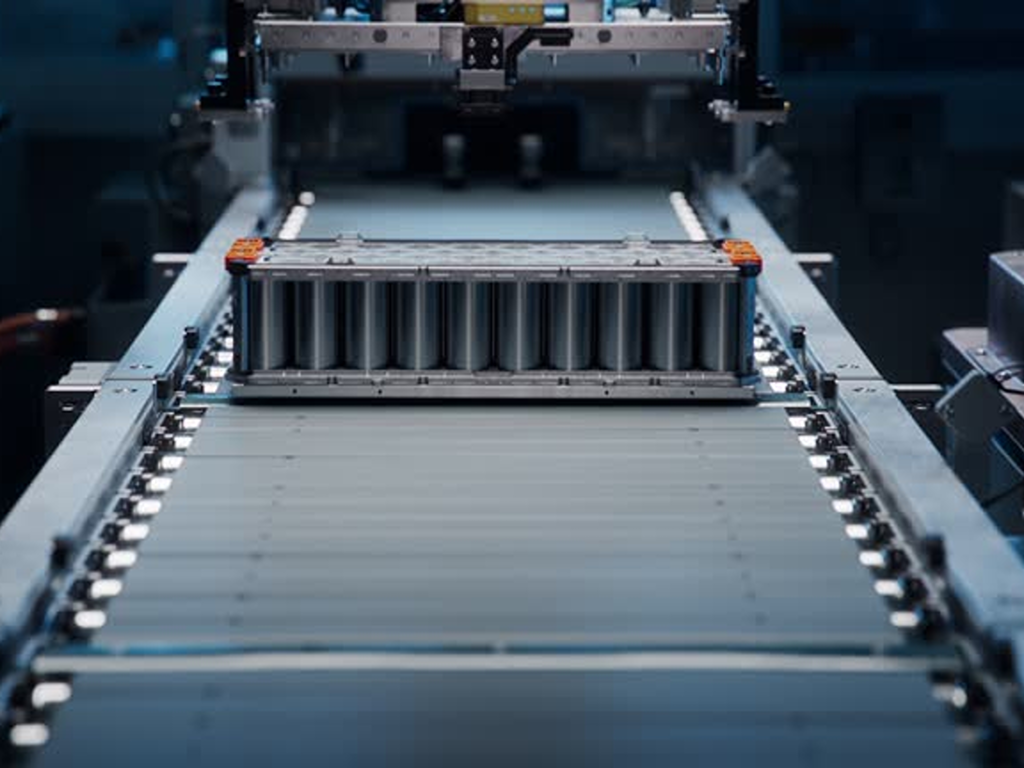
لا تتحدد جودة الأقطاب الكهربائية بناءً على آلة واحدة فقط. بل هي نتيجة اتساق معلمات الخلط والطلاء والكالندرة عبر جميع مراحل العملية. فأي انحراف في إحدى المراحل يتضخم بمقدار ثلاث إلى خمس مرات في المراحل اللاحقة، لذا فإن اختيار المعدات في المراحل الأولية هو ما يحدد ما إذا كانت الجودة ستُضمن أم ستُفقد بشكل نهائي.
أنظمة الخلط والطلاء: حيث تبدأ الجودة
تعمل خطوة خلط الملاط على تشتيت مساحيق المواد الفعالة، والكربون الموصّل، والمواد الرابطة لتكوين معلق متجانس. وتقوم الخلاطات الكوكبية بمعالجة معظم عمليات الإنتاج الدفعية حاليًا، في حين يبرز الخلط المستمر أثناء البثق كبديل موفر للطاقة يقلل من استهلاك الطاقة بنسبة تصل إلى 95% بالنسبة لنفس حجم الملاط.
من الخلاط، يتدفق الملاط إلى محطة الطلاء. وقد أصبحت آلة الطلاء ذات القالب الشقي المعيار الصناعي: فهي تقوم ببثق الملاط عبر فتحة دقيقة على رقاقة جامعة التيار المتحركة، مما يحقق توحيدًا في سماكة الطلاء في نطاق ±2.5% بسرعات تصل إلى 120 مترًا في الدقيقة. بالنسبة لخطوط الإنتاج التي تستهدف إنتاجية أعلى، فإن الطلاء المتزامن على الوجهين يلغي الحاجة إلى مرور كامل عبر الخط. معيار الاختيار الرئيسي بسيط: اطلب من الموردين بيانات مضمونة عن توحيد السماكة عبر عرض اللفافة بالكامل عند سرعة الخط المستهدفة، وليس فقط نتائج المختبر في أفضل الأحوال.
دقة التجفيف والكالندرة تحت تأثير الحرارة والضغط
يُعد التجفيف أكبر مستهلك للطاقة في عملية تصنيع الأقطاب الكهربائية، حيث يمثل حوالي 45% من إجمالي تكاليف الطاقة في المرحلة الأولية. ولا تزال أفران الحمل الحراري التقليدية التي تعمل بالهواء الساخن شائعة الاستخدام، لكن طرق التجفيف بالأشعة تحت الحمراء والموجات الدقيقة تكتسب زخماً بفضل تقليلها لوقت التجفيف وتحسين كفاءة الطاقة. بالنسبة للمنشآت الواقعة في المناطق التي تخضع لأنظمة بيئية صارمة، فإن أنظمة استرداد المذيبات ذات الدورة المغلقة، التي تعيد استخلاص أكثر من 90% من مذيب NMP (N-ميثيل-2-بيروليدون) من هواء العادم، تحول تكلفة الامتثال إلى استثمار يوفر المواد.
بعد التجفيف، تمر الرقاقة المطلية عبر آلة كالندر مُسخَّنة: وهي عبارة عن مكبس أسطواني دقيق يعمل على ضغط طلاء القطب الكهربائي حتى الوصول إلى درجة المسامية المستهدفة، والتي تتراوح عادةً بين 30% و40% حسب التركيب الكيميائي للخلية. تتراوح درجة حرارة الأسطوانات بين 60 درجة مئوية و180 درجة مئوية، ويُعد توحيد الضغط على طول عرض الأسطوانة هو العامل الفاصل بين الأداء المتسق للأقطاب الكهربائية والتباين بين الدُفعات. وقد أصبحت آلات الكالندرة والتقطيع المدمجة، التي تجمع بين الخطوتين في عملية واحدة، هي التكوين المفضل لخطوط الإنتاج ذات الحجم الكبير.
الدقة في التقطيع والقطع بسرعة
تتمثل الخطوة النهائية في مرحلة المعالجة الأولية في تقطيع لفائف الأقطاب العريضة إلى شرائح ضيقة تتناسب مع أبعاد الخلية المستهدفة. ونطاق التفاوت المسموح به لا يقبل أي تجاوز. فأي نتوء يتجاوز عرضه تقريبًا عرض ثلاث شعيرات شعر بشرية على حافة القطع يمكن أن يخترق الفاصل ويؤدي إلى حدوث قصر داخلي في الدائرة الكهربائية. ولا يزال التقطيع الميكانيكي هو الطريقة السائدة، لكن الآلات المدمجة التي تجمع بين التقطيع والتشكيل بالليزر تُستخدم بشكل متزايد نظرًا لحوافها الأكثر نظافة وقدرتها على إنشاء أنماط دقيقة تعمل على تحسين ترطيب الإلكتروليت أثناء تجميع الخلايا.
تجميع الخلايا وتشطيبها: من المكونات إلى الخلايا المؤهلة
بمجرد الانتهاء من تجهيز الأقطاب الكهربائية، تقوم وحدة التجميع المتوسطة بتجميعها لتشكيل خلايا عاملة. ويُحدد اختيار طريقة اللف أو التكديس بشكل كامل حسب شكل الخلية، ولا يُعد هذا الاختيار قابلاً للتبديل. تستخدم الخلايا الأسطوانية (18650، 21700، و4680 الناشئة) آلات لف عالية السرعة قادرة على معالجة ما بين 24 إلى أكثر من 200 قطعة في الدقيقة. أما الخلايا المنشورية والخلايا الكيسية فتستخدم طريقة التكديس من النوع Z، حيث يتم محاذاة طبقات الكاثود والفاصل والأنود بالتناوب بدقة؛ وهي طريقة أبطأ ولكنها أكثر كفاءة من الناحية المكانية، حيث تحقق الآلات المتطورة سرعة تقل عن 0.4 ثانية لكل قطعة.
يتم اللحام بعد التجميع: حيث يتم ربط الألسنة بمجمعات التيار (بالموجات فوق الصوتية أو بالليزر)، ويتم إغلاق أغلفة الخلايا بإحكام، وكل ذلك داخل غرفة جافة يتم فيها استبعاد الرطوبة بشكل صارم. ثم تقوم أنظمة تعبئة الإلكتروليت الدقيقة بضخ الحجم الدقيق من الإلكتروليت تحت فراغ، مع الحفاظ على دقة التعبئة في حدود ±1% تقريبًا لضمان توزيع متساوٍ وأداء ثابت.
تتركز الموارد من الوقت ورأس المال في مرحلة ما بعد التصنيع. وتُعد دورة تشكيل الخلايا أكبر تكلفة فردية للمعدات، حيث تمثل حوالي ثلث إجمالي نفقات التصنيع، وتُنفذ خلالها دورات الشحن والتفريغ الأولى للخلايا على مدار فترة تتراوح بين أسبوع واحد وثلاثة أسابيع لبناء طبقة SEI مستقرة. ثم تُحفظ الخلايا في غرف الشيخوخة تحت درجات حرارة خاضعة للرقابة من أجل تحقيق الاستقرار الكهروكيميائي. ويقيس الاختبار النهائي السعة والمقاومة الداخلية والتفريغ الذاتي. وتعمل أنظمة التهيئة التكيفية الناشئة التي تعتمد على الذكاء الاصطناعي، والتي تضبط تيار الشحن لكل خلية على حدة في الوقت الفعلي، على تقليص وقت التهيئة بالفعل بأكثر من 20% مع تحسين اتساق السعة.
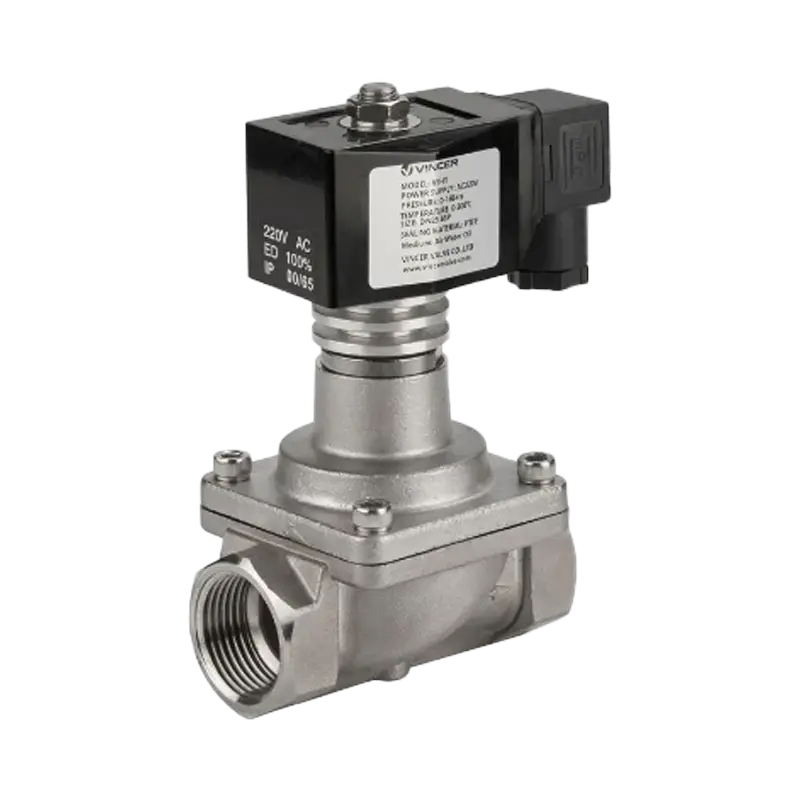
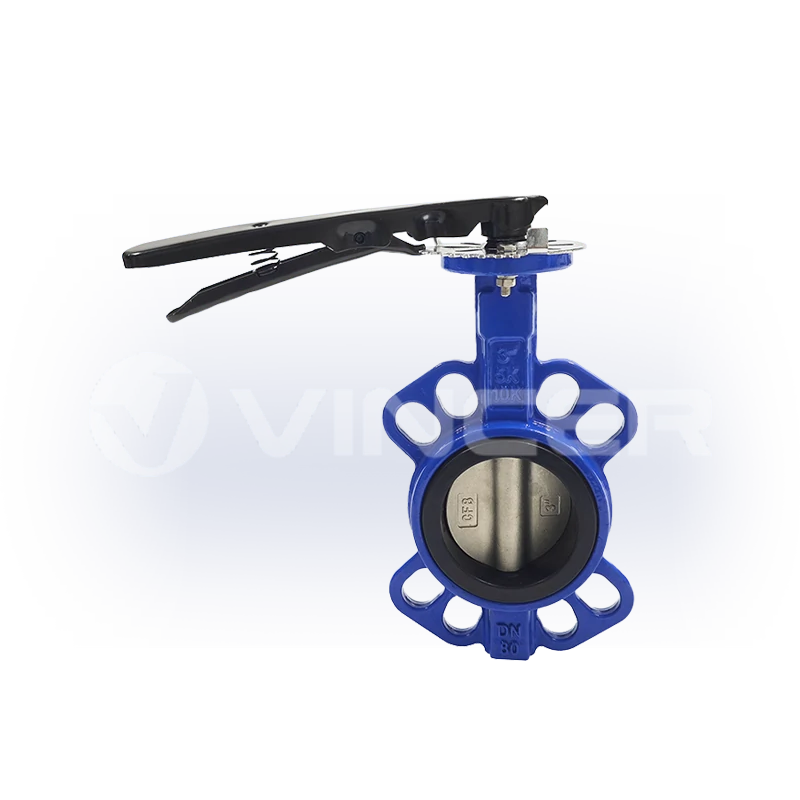
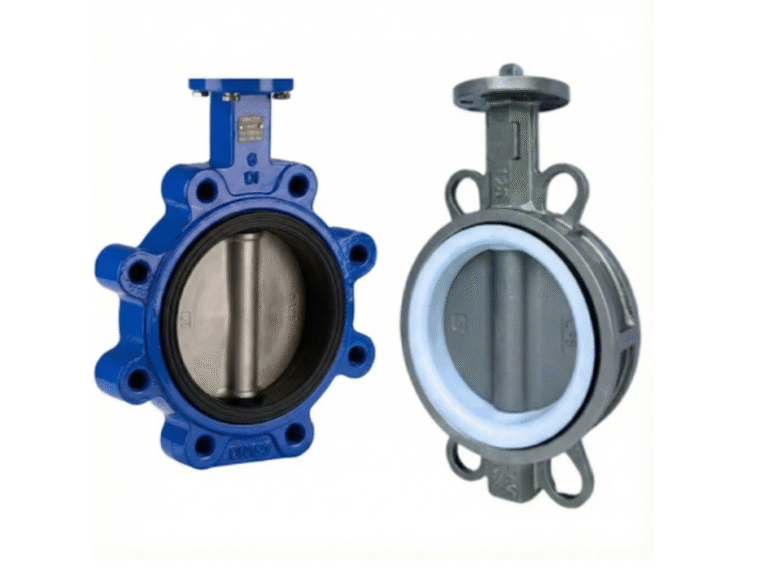
في بيئات التصنيع الدقيقة هذه، تتطلب البنية التحتية للتحكم في السوائل التي تدعم كل خطوة من خطوات العملية — مثل الهواء المضغوط، ومياه التبريد، وسوائل إدارة الحرارة، وتوزيع المذيبات — اهتمامًا متساويًا. يجب أن يؤدي كل صمام في خطوط الإمداد هذه وظيفته في الفتح والإغلاق أو التعديل بشكل موثوق. فقد يؤدي انقطاع واحد في تدفق السائل إلى توقف خط إنتاج بأكمله. وعند تقييم المعدات، ينظر مهندسو الإنتاج المتمرسون إلى ما وراء الآلات الرئيسية للتأكد من أن الأنظمة المساعدة — بما في ذلك مكونات التحكم الآلي في التدفق — تحمل نفس الشهادات ومعايير الاستجابة التي تتمتع بها المعدات الأساسية.
كيفية تقييم موردي المعدات: إطار عمل لاتخاذ القرار
لا يقتصر اختيار مورد المعدات على العثور على أقل سعر شراء. بل يتعلق الأمر بتحديد شريك هندسي قادر على الحفاظ على الأداء طوال دورة حياة الإنتاج التي تتراوح بين خمس وعشر سنوات. وينبغي أن يتم التقييم وفقًا لثلاثة أبعاد: نقاط القوة الإقليمية، والمؤشرات الفنية الملموسة، والقدرات في مجال خدمة ما بعد البيع.
مقارنة بين المشهد الإقليمي للموردين في الصين وأوروبا واليابان وكوريا
تسيطر آسيا على سوق معدات بطاريات الليثيوم العالمية، حيث تستحوذ الشركات الصينية المصنعة على حصة تقدر بنحو 14% في قطاع معدات الطلاء وحوالي 17% في قطاع تجميع الخلايا. لكن التخصص الإقليمي يكشف عن صورة أكثر تعقيدًا:
| البعد | الصين (Yinghe، LEAD، KATOP) | اليابان/كوريا (هيتاشي، PNT، هيرانو) | أوروبا (مانز، دور، شولر) |
|---|---|---|---|
| مستوى الأسعار | الأكثر تنافسية، بسعر 30 50% أقل من نظيراتها الأوروبية | الفئة المتوسطة إلى العليا | جودة فائقة، مدعومة بالهندسة الدقيقة والخدمة المتميزة |
| Typical Lead Time | 45 90 يومًا (المعيار القياسي) | 60 × 120 يومًا | 90 إلى 180 يومًا، بما في ذلك فترة التخصيص |
| القوة التقنية | تكامل كامل لخط الإنتاج الجاهز للتشغيل، وتصنيع أثبت كفاءته على نطاق واسع | دقة الطلاء، سرعة اللف، الخبرة الفنية في العملية | تكنولوجيا التجفيف، استعادة المذيبات، الكلندرة عالية الدقة |
| نموذج خدمة ما بعد البيع | الدعم عن بُعد مع زيارات ميدانية دورية | شبكات خدمات محلية راسخة في آسيا | دعم هندسي من قبل الموظفين المقيمين مع برامج تدريبية منظمة |
A dual-sourcing strategy can reduce supply chain risk, but it introduces a hidden complexity: different PLC architectures (Siemens vs. Beckhoff vs. Mitsubishi) mean your maintenance team must master multiple control systems. The practical compromise is to standardize on one control platform across all lines, even when sourcing equipment from multiple suppliers.
Technical Evaluation Key Metrics That Define Equipment Quality
When you sit across the table from a supplier, these five metrics separate marketing claims from engineering reality:
- Coating uniformity Demand areal density (mg/cm²) data from an online beta-ray or X-ray gauge, not offline sampling averages. Thickness tolerance should hold within ±2.5% across the full web width at your target speed.
- Slitting edge quality Burr height should not exceed 15 microns. Confirm that CCD visual inspection is standard on the machine, not an optional add-on.
- Winding/stacking alignment Electrode-to-separator alignment must stay within ±0.1 mm. The tension control system’s response curve matters more than the rated maximum speed.
- Welding consistency Laser power variance across the beam path should stay under 1%. Real-time weld quality monitoring is non-negotiable for tabless 4680 designs, where a single undetected poor weld can scrap thousands of dollars in cells.
- Formation per-channel control Every cell channel should be individually monitored and controlled. Per-cabinet averaging hides the outliers that become field failures.
After-Sales Support and Long-Term Partnership
A production line’s true cost is written in uptime and yield, not on the purchase order. When evaluating after-sales quality, benchmark against concrete thresholds. Top-tier suppliers respond to technical inquiries within two to three hours. They conduct Factory Acceptance Testing (FAT) before shipment, running dry cycles, safety checks, and defect audits at their facility before the equipment reaches yours. They maintain local spare parts inventories rather than relying exclusively on air freight from headquarters. Training depth is equally telling. A supplier that provides only operator-level training is selling you a machine; one that also trains your process engineers on parameter optimization is building a partnership.
These service expectations extend beyond primary production machinery to the fluid control components integrated throughout the line. VINCER, an automation valve manufacturer serving industrial equipment OEMs, illustrates what comprehensive support looks like at the component level. Their engineering team runs an eight-dimension application analysis covering media type, temperature, pressure, connection standards, control mode, material compatibility, and industry-specific requirements before making a single recommendation. Standard quotations arrive within 24 hours. A dedicated engineering team averaging over ten years of project experience provides remote diagnostics, free replacement parts, and on-site support for critical installations. When evaluating any equipment or component supplier, the benchmark stays the same: does their support infrastructure match the pace of your production?
Technology Trends Reshaping Equipment Decisions
Three technology shifts are actively changing what “future-proof” means for equipment investment. None are speculative all have production lines running today, though at different maturity levels.
Dry electrode processing eliminates the NMP solvent and the 60-to-80-meter drying oven that together dominate electrode production’s energy footprint. The payoff is substantial: roughly 35% lower energy operating cost and 70% less factory floor space. Today, dry processing is production-ready for LFP cathodes; high-nickel NMC chemistries still face challenges in achieving the film density uniformity that wet processing delivers. For new LFP-dedicated lines, the question is no longer whether dry processing works it’s whether your equipment supplier has demonstrated a production-scale reference installation.
4680 tabless cylindrical cells change the assembly equation entirely. Instead of welding a single tab to the current collector, the machine must weld dozens of electrode edges directly to the can. This demands laser power control within 1% variance across every weld. Winding machines specified for 4680 production need fundamentally different tension and alignment architectures than their 21700 predecessors.
AI and smart manufacturing integration is moving from pilot projects to production floors. Major battery producers are already using AI for production line optimization, and adaptive formation systems that monitor each cell’s electrochemical signature in real time are cutting formation time while improving capacity consistency. The equipment implication is practical: choose machines with open data interfaces and MES/SCADA compatibility, because a production line that cannot feed data to an optimization layer will become a competitive disadvantage within this decade.
Every advanced manufacturing line, whether it runs dry processing or AI-driven control, depends on reliable automation hardware executing physical commands: opening a solvent supply valve, modulating cooling water flow, isolating a process stream during maintenance. The intelligence layer is only as effective as the actuators that carry out its instructions.
Cost, Compliance, and Getting Started
Equipment spending typically represents roughly 60% of a gigafactory’s total capital expenditure. The global cell manufacturing equipment market valued at over $15 billion in 2025 is projected to more than double by 2030, growing at an annual rate approaching 19%. A single automated production line can range from around $2 million for a pilot facility to over $10 million for a fully integrated gigawatt-hour-scale installation.
These headline numbers make Total Cost of Ownership modeling essential. Energy consumption, maintenance frequency, spare parts availability, and yield rate differences compound across a five-to-ten-year equipment lifecycle. A one-percentage-point improvement in overall yield at gigawatt-hour scale translates into millions of dollars in recovered revenue. That far exceeds the purchase price difference between mid-tier and premium equipment.
On the compliance side, any equipment destined for European or North American markets must carry CE marking and the supplier should hold ISO 9001 certification at minimum. If your cells will serve electric vehicle customers, IATF 16949 traceability requirements cascade backward into your equipment choices. Every process parameter must be logged, timestamped, and retrievable for audit. Build compliance verification into your FAT checklist, not your post-delivery remediation plan.
A practical decision checklist for equipment buyers:
- Define your cell format and chemistry Equipment is not format-agnostic; this decision locks in your machinery options
- Set your production scale and automation level Match capital expenditure to realistic volume projections
- Map equipment to each process stage Front-end quality determines back-end yield
- Compare regional suppliers across price, lead time, and support Use the framework above as a starting point
- Evaluate technology future-proofing Dry processing readiness, 4680 compatibility, and data interface openness
- Model Total Cost of Ownership over five to ten years Energy and yield matter more than purchase price
As you build your equipment supplier shortlist, remember that the fluid control infrastructure supporting every process stage from solvent delivery to cooling loops carries the same stakes as your primary production machinery. Component suppliers like VINCER, whose automation valves are backed by five internationally recognized certifications including ISO 9001, CE, and FDA, illustrate the baseline: if a supplier cannot produce compliance documentation on request, they do not belong in a regulated production environment. The discipline you apply to evaluating your coating line supplier should extend to every component on that line.
المراجع
- ScienceDirect / iScience. “Advanced lithium-ion battery process manufacturing equipment for gigafactories: Past, present, and future perspectives.” 2025. https://www.sciencedirect.com/science/article/pii/S2589004225009526
- ScienceDirect / Applied Energy. “Current and future trends in lithium-ion battery electrode production machinery: A comprehensive review.” 2025. https://www.sciencedirect.com/science/article/pii/S0306261925016988
- Research and Markets. “Battery Manufacturing Equipment Market Global Forecast to 2030.” 2025. https://www.researchandmarkets.com/reports/5703171/
- TOB New Energy. “Lithium-Ion Battery Manufacturing Trends 2026: A B2B Buyer’s Guide.” 2026. https://www.tobmachine.com/blog/lithium-ion-battery-manufacturing-trends-2026-a-b2b-buyer-s-guide_b156
- SEMCO Infratech. “Lithium Battery Assembly Line: Process, Machines, and Applications.” https://www.semcoinfratech.com/lithium-battery-assembly-line-process-machines-and-applications/
- VINCER Valve. Official Website. https://www.vincervalve.com/
- VINCER Valve. Certifications. https://www.vincervalve.com/certification/
- VINCER Valve. About Us. https://www.vincervalve.com/about-us/
- VINCER Valve. Contact for a Quote. https://www.vincervalve.com/contact-for-a-quote/