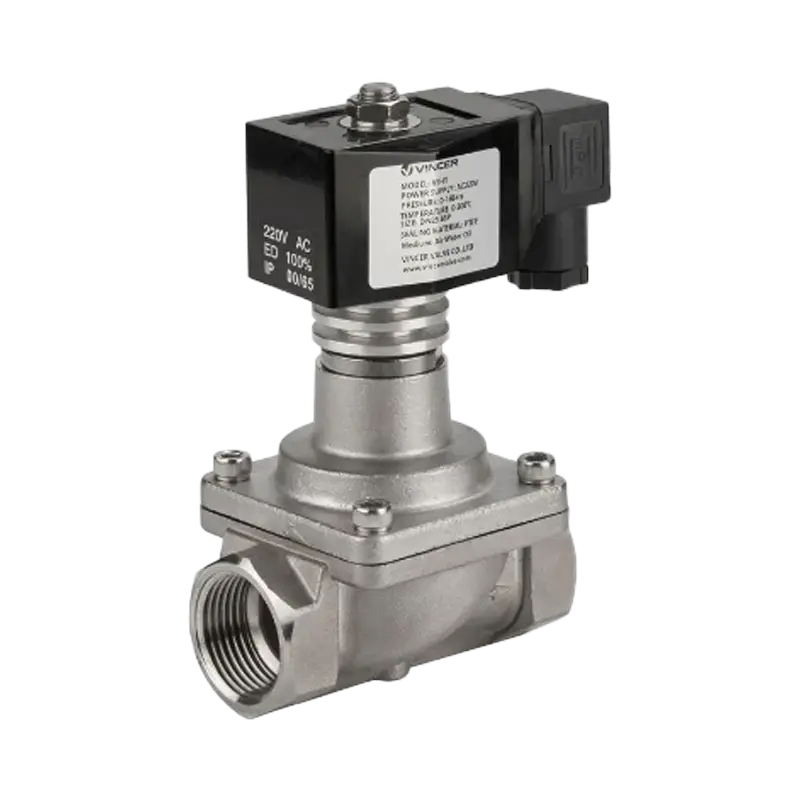
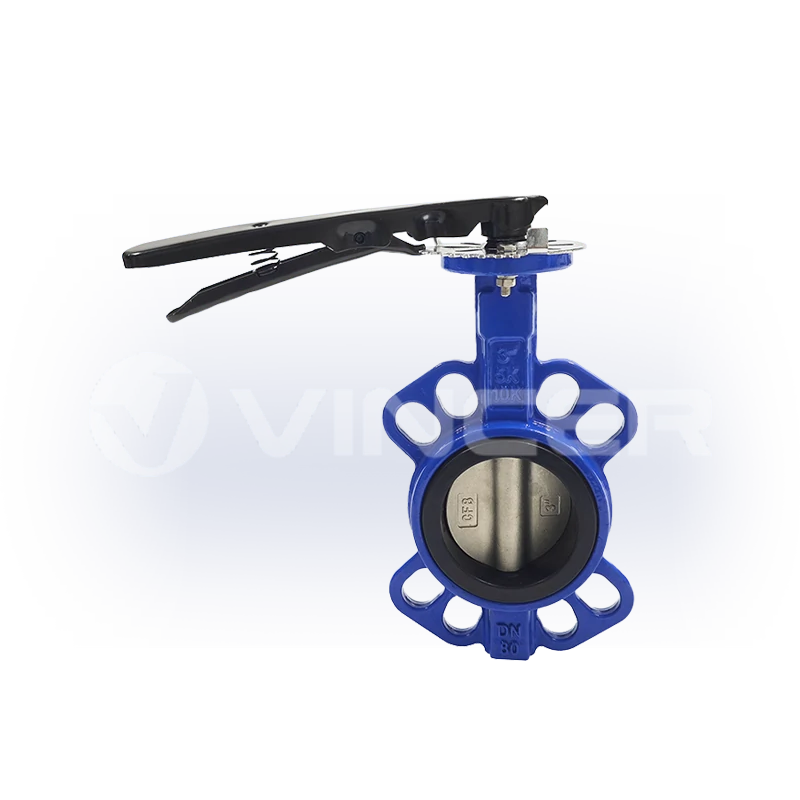
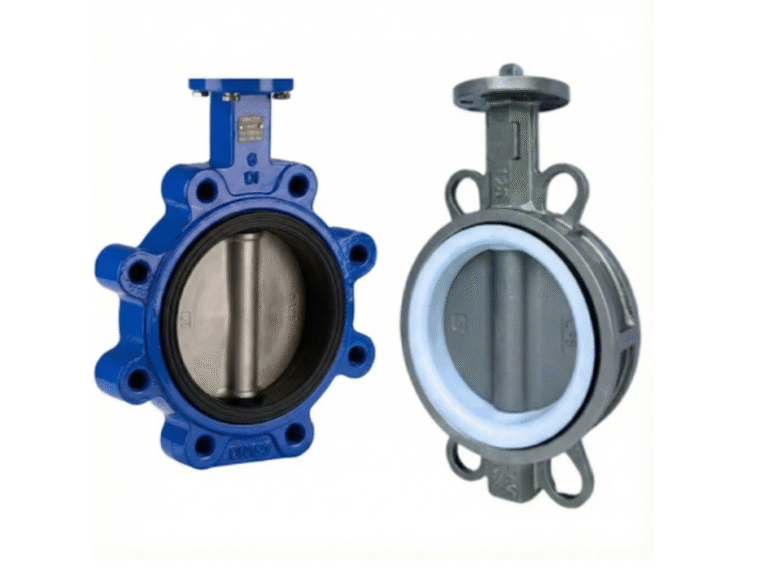
Today, we’re diving into the world of fluid flow control with a friendly comparison between gate valves et ball valves. As a valve engineer who’s passionate about all things valves, I’m here to break down the differences between these two valve types in a way that’s easy to understand and relatable.
Gate Valves: The Reliable Guardians of Fluid Flow
Let’s start with gate valves – the stalwart guardians of fluid flow control. Picture a gate or wed ge standing strong to modulate the flow of liquids or gases. These valves are all about creating a secure seal to prevent leaks in critical applications. Gate valves have got you covered with minimal resistance to fluid passage. Just keep in mind that they’re not the best for fine-tuning flow since they operate in a binary manner, which can lead to pressure drops when partially open.
Ball Valves: The Quick and Easy Flow Control Wizards
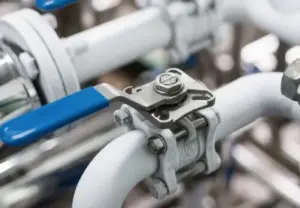
Now, let’s shift our focus to ball valves – the quick and easy wizards of flow control. Imagine a spherical ball with a hole in it, ready to regulate fluid flow with a simple turn. These valves are known for their speedy operation and user-friendly design, making them perfect for applications that require rapid flow adjustments. Whether it’s a quarter-turn or a precise seal you’re after, ball valves have your back, ensuring efficient and reliable fluid containment.
The Showdown: Gate Valves vs. Ball Valves
1. Operating Style: Gate valves use a gate or wedge, while ball valves feature a spherical ball with a hole.
2. Seal Superstars: Gate valves excel at creating a secure seal to prevent leaks, while ball valves offer reliable sealing for efficient fluid containment.
3. Flow Control Fun: Ball valves are the champs at quick and precise flow adjustments, while gate valves shine in full flow scenarios.
4. Ease of Use: Ball valves win the ease-of-operation game with their quick response time, while gate valves may have some limitations in flow regulation finesse.
In Conclusion: Finding Your Perfect Match
When it comes to choosing between gate valves and ball valves for your fluid flow control needs, it’s all about understanding their unique features and how they align with your specific requirements. As a valve enthusiast dedicated to optimizing system performance, take the time to evaluate what your application needs and match it with the valve that best suits your flow control dreams. After all, in the world of valves, finding your perfect match is key to a smooth and efficient fluid flow journey.
If you need gate valve and ball valves for your project, please contact us to get the best valve cost quote! Email to: sales@vincervalve.com