Choosing the right pneumatic actuator is critical for ensuring the efficiency and reliability of your automated systems. Pneumatic actuators are widely used in various industries to automate valves and control systems. This guide will help you navigate the selection process and find the most suitable pneumatic actuator for your specific needs.
Introduction
Pneumatic actuators convert energy from compressed air into mechanical motion, making them essential for automating valves and other mechanical devices. They are known for their reliability, speed, and simplicity. This article will guide you through the key considerations in selecting the most suitable pneumatic actuator for your application.
1. Understand Your Application Requirements
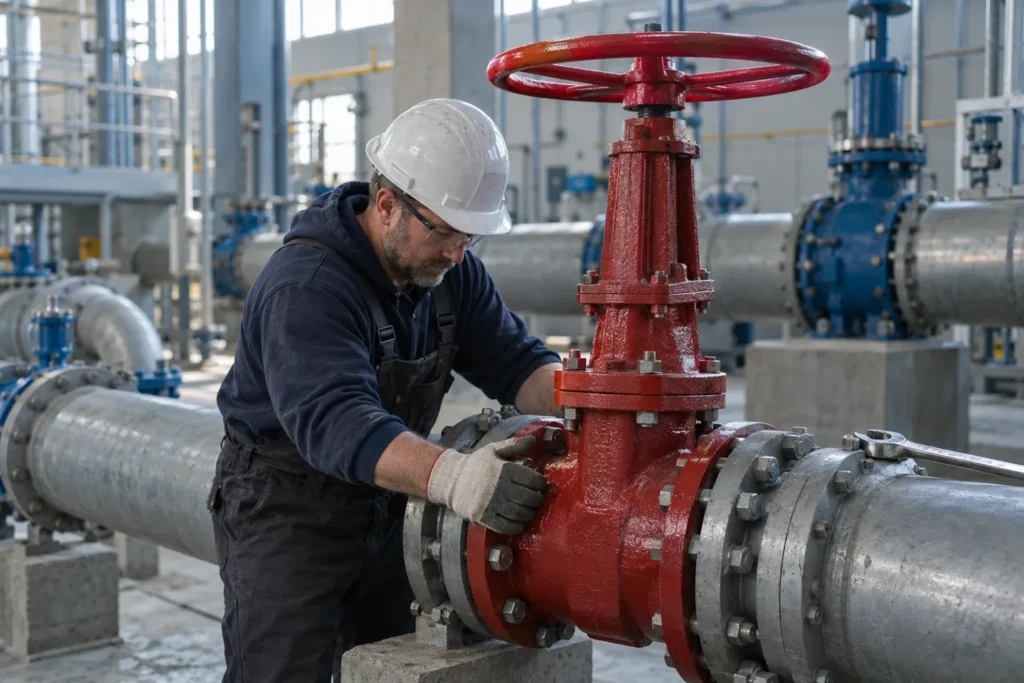
– Type of Motion: Determine whether you need rotary or linear motion. Rotary actuators are typically used for ball valves and butterfly valves, while linear actuators are used for gate valves and globe valves.
– Operational Environment: Consider the operating conditions such as temperature, humidity, and exposure to chemicals or dust.
– Load Requirements: Assess the force or torque required to move the load. This will help in selecting an actuator with the appropriate power.
2. Types of Pneumatic Actuators
– Single-Acting Actuators: Use air pressure to move in one direction and a spring to return. Suitable for applications where fail-safe operation is required.
– Double-Acting Actuators: Use air pressure to move in both directions. Ideal for applications requiring precise control.
– Rack and Pinion Actuators: Provide rotary motion, commonly used for quarter-turn valves like ball valves and butterfly valves.
– Scotch Yoke Actuators: Offer high torque output and are used for larger valves requiring more force.
3. Key Specifications to Consider
– Torque and Force: Ensure the actuator provides enough torque or force to operate your valve or load under all conditions.
– Operating Pressure: Check the actuator’s pressure range to ensure it matches your air supply.
– Speed of Operation: Determine the required speed of actuation for your application.
– Control Options: Choose between manual, pneumatic, or electronic control options depending on your system requirements.
4. Material and Construction
– Housing Material: Select a housing material that can withstand the operating environment. Common materials include aluminum, stainless steel, and plastic.
– Seals and Gaskets: Ensure the seals and gaskets are compatible with the operating media and conditions to prevent leaks and ensure longevity.
– Corrosion Resistance: For harsh environments, choose actuators with corrosion-resistant coatings or materials.
5. Installation and Maintenance
– Mounting Options: Verify that the actuator can be easily mounted to your valve or system.
– Ease of Maintenance: Choose actuators that allow easy access for routine maintenance and repairs.
– Service Life: Consider the expected lifespan and maintenance intervals to ensure long-term reliability and cost-effectiveness.
6. Compliance and Standards
– Industry Standards: Ensure the actuator complies with relevant industry standards such as ISO, ANSI, or ATEX for hazardous environments.
– Certifications: Look for certifications that demonstrate quality and safety compliance.
– Manufacturer Reputation: Research the manufacturer’s track record and customer reviews to ensure reliability and support.

7. Cost and Value
– Initial Cost vs. Total Cost of Ownership: Consider both the upfront cost and long-term operational costs, including maintenance and potential downtime.
– Warranty and Support: Opt for manufacturers that offer robust warranties and reliable after-sales support to ensure peace of mind.
8. Advanced Features
– Smart Actuators: Explore actuators with smart capabilities for remote monitoring and control via IoT integration.
– Energy Efficiency: Select energy-efficient models to reduce operating costs.
– Diagnostic Tools: Consider actuators with built-in diagnostics for proactive maintenance and troubleshooting.
Conclusion
Selecting the right pneumatic actuator involves understanding your application needs, evaluating key specifications, and ensuring compliance with industry standards. By focusing on these factors, you can ensure efficient and reliable operation in your automated systems.
Introduction to VINCER
When looking for a reliable pneumatic actuator manufacturer, consider VINCER. With a reputation for high-quality products and innovative solutions, VINCER offers a wide range of pneumatic actuators designed to meet diverse industrial needs. Their commitment to quality, customer satisfaction, and excellent after-sales support makes them a trusted partner for your automation requirements. Any interested in pneumatic actuators, welcome any inquiries from you. Consult us at sales@vincervalve.com