Selecting the right electric actuator is essential for ensuring optimal performance and reliability in industrial applications. Electric actuators play a crucial role in automating valve operations, providing precise control over fluid flow. This guide will help you navigate the selection process effectively.
1. Assess Your Application Needs
Start by understanding the specific requirements of your application:
– Type of Valve: Determine the type of valve or device the actuator will operate, such as ball valves, butterfly valves, or dampers.
– Operating Environment: Consider environmental factors like temperature, humidity, and exposure to chemicals.
– Performance Requirements: Assess torque, speed, and control signals needed for efficient operation.
2. Types of Electric Actuators
Electric actuators vary in design and functionality to suit different applications:
– Rotary Actuators: Ideal for applications requiring rotational movement, like motorized ball valves and butterfly valves.
– Linear Actuators: Suited for applications needing linear motion control.
– Quarter-Turn Actuators: Specifically designed for valves that require a 90-degree turn for operation.
Understanding which type matches your operational needs is crucial for effective automation.
3. Key Specifications to Consider
When choosing an electric actuator, focus on these essential specifications:
– Torque and Force: Ensure the actuator provides sufficient torque or force to operate your valve under all conditions.
– Speed: Determine the required operating speed for your application.
– Control Signals: Choose actuators compatible with your control system—options include analog, digital, and network protocols.
– Power Supply: Match the actuator’s voltage requirements (e.g., DC24V, AC110V) to your facility’s power supply.
4. Material Selection
Selecting the right materials ensures durability and reliability:
– Housing Material: Consider stainless steel for corrosion resistance or robust plastics for lighter-duty applications.
– Sealing: Opt for actuators with effective seals to protect internal components from dust, moisture, and chemicals.
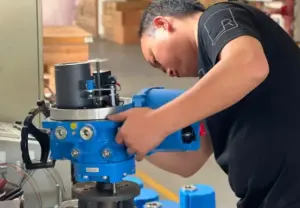
5. Installation and Maintenance
Ease of installation and maintenance impacts operational efficiency:
– Mounting Options: Look for actuators with flexible mounting options suitable for your installation environment.
– Accessibility for Maintenance: Choose designs that allow easy access to internal components for routine maintenance.
– Support and Spare Parts: Ensure the manufacturer provides reliable support and easy access to spare parts.
6. Compliance and Standards
Verify that the electric actuator meets industry standards for safety and performance:
– Certifications: Check for ISO, CE, and other relevant certifications that indicate compliance with quality and safety standards.
– Manufacturer Reputation: Research the manufacturer’s track record and customer feedback to gauge reliability and product quality.
7. Cost Considerations
Balance initial costs with long-term value:
– Total Cost of Ownership: Factor in installation, maintenance, and potential downtime costs when evaluating overall value.
– Warranty and Support: Choose manufacturers offering robust warranties and responsive support services.
8. Innovative Features
Explore advanced features that enhance functionality and efficiency:
– Smart Capabilities: Look for actuators with IoT integration for remote monitoring and control.
– Energy Efficiency: Consider actuators designed to minimize energy consumption.
– Diagnostic Tools: Opt for actuators with self-diagnostic capabilities to detect and address maintenance issues proactively.
Conclusion
Selecting the right electric actuator involves careful consideration of your application’s requirements, material compatibility, and adherence to industry standards. By prioritizing performance, reliability, and support, you can ensure seamless automation and operational efficiency in your industrial processes.
Introduction to VINCER
When seeking a dependable electric actuator manufacturer, consider VINCER. With a reputation for excellence in engineering and customer satisfaction, VINCER offers a wide range of electric actuators tailored to diverse industrial applications. Their commitment to innovation and quality ensures reliable performance and operational efficiency, making them a trusted partner for your automation needs. Any interested in electric actuators, welcome any inquiries from you. Consult us at sales@vincervalve.com