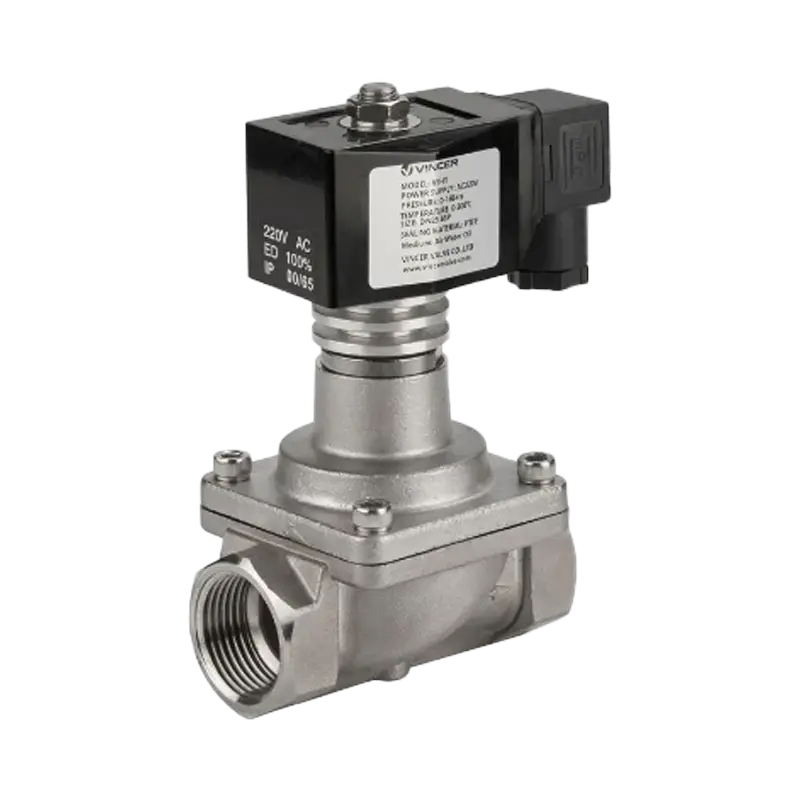
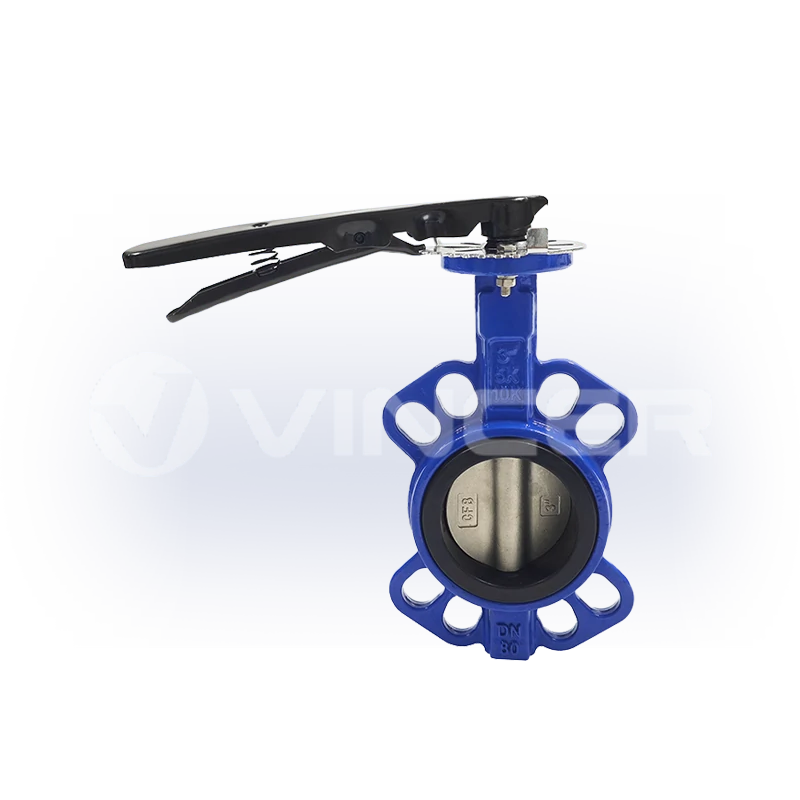
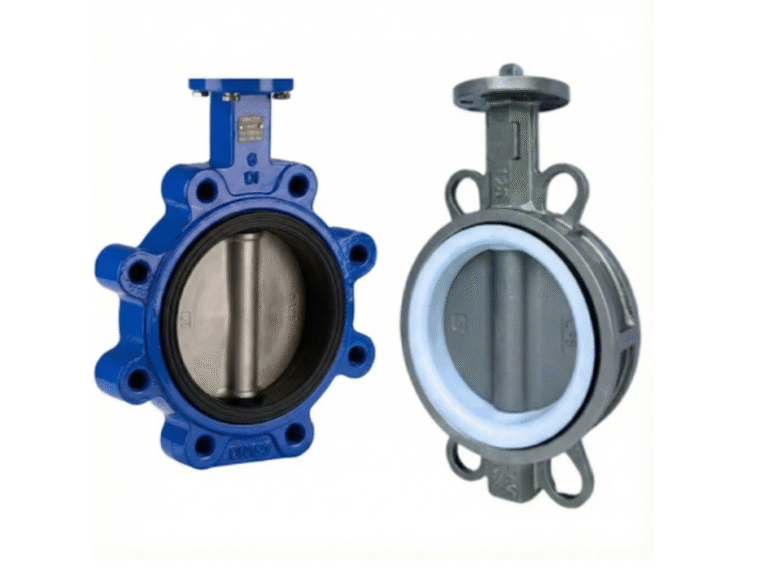
Une vanne à bille en laiton de 2 pouces, d'apparence identique, est vendue à $32,25 dans un magasin et à $324,00 dans un autre, soit un écart de dix fois sans explication évidente. Si vous recherchez “ prix vanne à bille ”, vous obtenez des pages de produits, mais pas de réponses. Voici le cadre qui explique cet écart : les prix des vannes à bille sont déterminés par quatre facteurs, classés par ordre d'importance : type, matériau, dimensions et certification. Il suffit de bien comprendre le concept de « couche de type » pour que tous les autres prix prennent soudain tout leur sens.
Prix d'un robinet à boisseau sphérique : comparaison entre les modèles de 1 pouce, 2 pouces et les tailles courantes
Si vous demandez le “ prix d’un robinet à boisseau sphérique ” sans préciser la taille, le matériau ni la conception, vous obtiendrez des réponses dont les écarts peuvent atteindre le décuple. Le tableau ci-dessous constitue un point de départ fiable : il présente les prix de détail réels issus des annonces des vendeurs, ainsi que la colonne « prix de gros » sur laquelle les distributeurs et les services d’approvisionnement s’appuient pour négocier.
| Taille | Matériau | Connexion | Prix de vente conseillé | Exemples de chaînes | Référence pour les achats en gros dans le secteur industriel (sur devis) |
|---|---|---|---|---|---|
| 1/2 pouce | PVC | Prise compacte | de un à cinq | Maxx Supply, fournitures pour le secteur commercial et industriel | En fonction de la quantité minimale de commande (MOQ), souvent $0,5–$2 par modèle à partir de 100 pièces |
| 1 pouce | PVC | Fileté ou à emboîtement | $8–$15 | Amazon, raccords en PVC en ligne | ~$3–$6 en volume |
| 1 pouce | Laiton | Filetage NPT | une à quatre fois dix à trente | Home Depot, sprinklersupplystore | $5–$12 en volume |
| 1 pouce | Acier inoxydable 304 | Fileté | un à quatre dix, un à quatre dix | Valworx, USABlueBook | ~$8–$18 en volume |
| 2 pouces | PVC | Fileté ou à emboîtement | $7–$20 | Fournitures commerciales et industrielles, Irrigation King | $4–$10 en volume |
| 2 pouces | Laiton | Fileté | une à quatre fois, trente à cent fois | Univers PEX, Approvisionnement en PPR | $15–$45 en volume |
| 2 pouces | Certifié « full-port » en laiton | Fileté, sans plomb/CSA | mille quatre cent quarante-cinq à mille quatre cent vingt-cinq | USABlueBook, Valworx | ~$50–$120 en volume |
Trois points à retenir de ce tableau. Premièrement, La taille est le facteur qui influence le plus fortement les prix: une vanne de 2 pouces coûte généralement entre 3 et 5 fois plus cher qu'une vanne de 1 pouce fabriquée dans le même matériau, car le volume de la bille et du corps de la vanne augmente de manière cubique. Deuxièmement, le matériau constitue le deuxième axe: Le PVC coûte environ entre un quart et un cinquième du prix du laiton pour une même taille (Liste des robinets à boisseau sphérique disponibles chez Home Depot, 2026). Troisièmement, c’est au sein d’une même cellule que réside le véritable mystère : deux “ vannes à bille en laiton de 2 pouces ” peuvent présenter des différences jusqu’à 10 fois supérieures, rien qu’au niveau de leur conception. La section consacrée aux types explique ce phénomène, et c’est le sujet de la section suivante.
Types de vannes à bille : comment leur conception influe sur leur prix
Toutes les vannes à bille fonctionnent de la même manière : une bille percée tourne à l'intérieur d'un corps de vanne pour ouvrir ou fermer le passage. Les différents types ne constituent pas un catalogue à mémoriser ; il s'agit de trois niveaux de conception, et le choix de chaque niveau a une incidence directe sur le prix.
Couche structurelle 1 : comment la bille est soutenue — montage flottant ou sur tourillon
Les deux modèles les plus courants ⭐ se distinguent par la manière dont la balle est maintenue. Dans un vanne à bille flottante, la bille flotte entre deux sièges, et la pression de la conduite la pousse contre le siège situé en aval pour assurer l'étanchéité. Dans un robinet à bille à tourillon, la bille est montée sur un axe fixe (tourillon), contre lequel s’appuient des sièges à ressort. Le tourillon ajoute un axe, des roulements et une structure plus complexe, ce qui se reflète dans le prix : les coûts initiaux favorisent généralement les modèles flottants par 30–50% par rapport aux vannes à tourillon équivalentes (TG Valves, 2025; Vanne OneRo, 2025). Les vannes à tourillon justifient ce surcoût dans les applications à haute pression et de grand diamètre, où une bille flottante risquerait d’être délogée de son siège. Pour les tailles abordées dans cet article (1 à 2 pouces), le système à bille flottante constitue le prix de référence.
Couche structurelle 2 : le port — passage à pleine section ou passage réduit
La deuxième couche correspond au trou qui traverse la balle. A vanne à passage intégral ⭐ présente une ouverture sphérique égale au diamètre du tuyau ; a vanne à passage réduit dispose d’une bille plus petite (une bille à alésage réduit de “ 2 pouces ” n’offre souvent qu’un diamètre d’écoulement réel de 1,5 pouce). La conception à passage intégral nécessite nettement plus de matière et d’usinage, ce qui la rend généralement 1,5 à 2 fois plus chère que la conception à passage réduit pour un même diamètre nominal. Les autres types d’orifices complètent le tableau en une seule ligne : les vannes à trois voies (configurations d’orifices en L et en T) commutent le débit entre les sorties, tandis que les vannes à orifice en V modulent l’ouverture pour réguler le débit plutôt que d’assurer un simple fonctionnement marche/arrêt ; ces deux types de vannes ont un coût plus élevé et sont spécifiés, et non choisis au hasard.
Couche structurelle n° 3 : Qui actionne la vanne ? — Commande manuelle ou motorisée
La troisième couche correspond à l'actionneur : une poignée que l'on actionne à la main, ⭐ ou un actionneur électrique ou pneumatique qui s'en charge à votre place. Le fonctionnement manuel constitue la base ; l'ajout d'un actionneur multiplie le prix par un facteur qui dépend du couple, du système de commande et du comportement de sécurité en cas de défaillance qu'il doit garantir. Il s'agit du poste le plus coûteux dans l'achat d'une vanne à bille, et il mérite donc une section qui lui est entièrement consacrée ci-dessous.
Les autres facteurs de prix s'ajoutent à ces trois niveaux et méritent chacun une ligne : corps moulés vs corps forgés (l'acier forgé est plus dense et plus cher, et présente moins de vides internes), matériau de l'assise (PTFE, EPDM et Viton, par ordre croissant de prix et de tolérance), type de carrosserie (le modèle en deux parties est le plus courant ⭐ ; les modèles en une seule pièce et à accès par le haut entraînent un surcoût et compliquent l'entretien), et certification (L'absence de plomb et les homologations CSA/UL entraînent un surcoût réel ; la même vanne en laiton de 2 pouces porte la référence $55.05 et n'est pas homologuée, au prix de Le roi de l'irrigation et $145.95, certifié CSA selon la norme USABlueBook, tous deux recueillis en août 2026).
Règle générale : Ne comparez deux devis que si vous avez vérifié qu'ils correspondent sur les points suivants : structure de fixation, type de raccord, procédé de fabrication du corps et matériau du siège. Comparer les “ prix des vannes à bille en laiton de 2 pouces ” sans tenir compte de ces quatre éléments revient à comparer des pommes et des oranges.
Une fois que vous savez déchiffrer les trois niveaux indiqués sur n'importe quelle vanne, les choix “ acheter la plus chère ” et “ acheter la moins chère ” sont tous deux rationnels ; vous savez simplement pour quels niveaux vous payez.
Manuelle ou motorisée ? Le choix entre manuel et motorisé : un facteur déterminant dans votre budget consacré aux vannes
C'est cette décision qui fait varier votre budget consacré aux vannes à bille d'un ordre de grandeur, et c'est celle que la plupart des guides de prix négligent. Une vanne à bille manuelle coûte entre $10 et $100 au détail. La même vanne équipée d'un actionneur électrique ou pneumatique passe dans une autre catégorie de prix, et ce à juste titre.
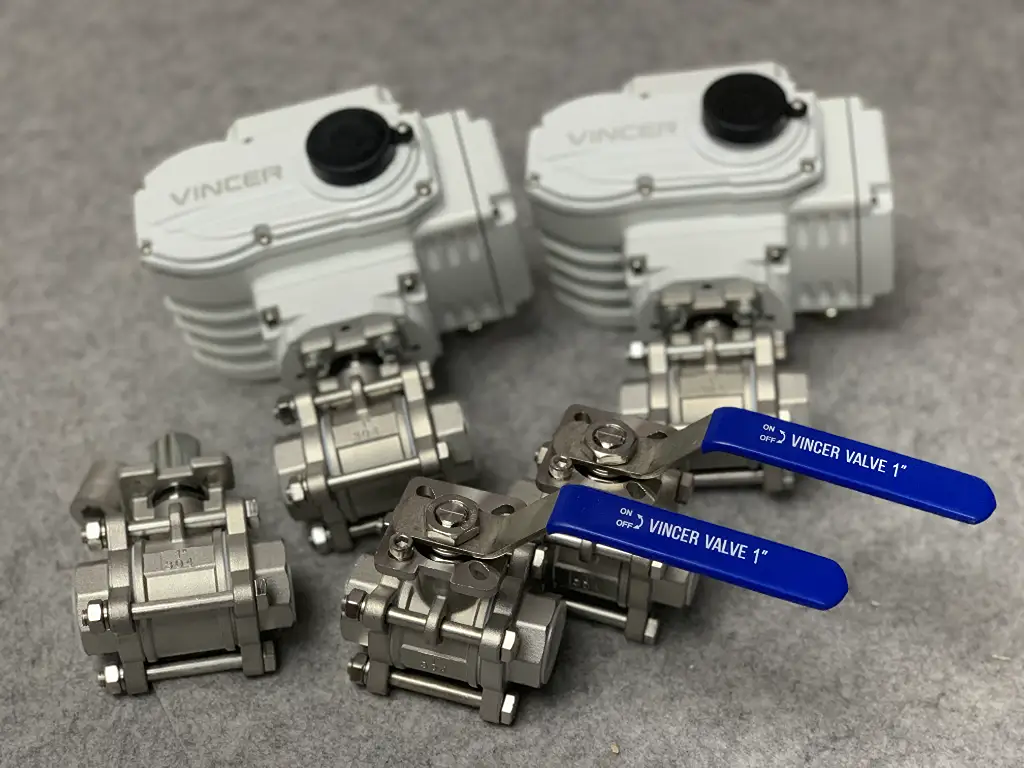
La tendance du secteur est claire, et vous pouvez vous en rendre compte sans vous fier aux chiffres de qui que ce soit : les interfaces sont en voie de normalisation (les vannes sont livrées avec des interfaces de signalisation et de montage standard, ce qui n'est le cas que lorsque l'automatisation est la configuration par défaut) ; l'exploitation à distance remplace l'exploitation sur site (une vanne pouvant être actionnée à distance depuis une salle de contrôle évite à chaque fois qu'une personne doive se déplacer) ; et La maintenance basée sur les données fait son apparition (Une vanne motorisée peut signaler son état ; une vanne manuelle ne le peut pas, et c'est là une condition préalable à toute surveillance de l'état des équipements ou à toute maintenance basée sur l'IA). Il s'agit là de faits observables concernant l'orientation que prend le marché, et non de prévisions.
Quand l’automatisation est-elle réellement justifiée ? La règle est simple : une vanne isolée sur une conduite d’eau froide que l’on actionne deux fois par an doit rester manuelle. Dès lors qu’il y a des groupes de vannes, des manœuvres fréquentes, des sites éloignés, des besoins en verrouillage de sécurité ou une régulation modulante, une vanne manuelle n’est plus l’option la moins coûteuse ; c’est celle qui revient le plus cher en termes de main-d’œuvre et de temps d’arrêt. En matière d’actionnement, le choix se résume à une seule ligne : l’actionnement électrique pour un contrôle précis et une efficacité énergétique, l’actionnement pneumatique pour les environnements où le coût est un facteur déterminant et ceux présentant un risque d’explosion, et les électrovannes pour les opérations de fermeture automatique sur des conduites de petit diamètre. Le cadre de classification présenté dans la section précédente s’applique tel quel : une vanne actionnée est la même vanne, à laquelle s’ajoute un niveau supplémentaire.
Vannes à bille en PVC ou en laiton : prix et coût réel
La comparaison des prix unitaires semble déséquilibrée : le PVC coûte environ un quart du prix du laiton pour une même taille (PVC 1 pouce $8–$15 contre laiton 1 pouce $10–$30). Mais le prix unitaire n'est pas synonyme de coût. Un robinet à bille acheté pour une utilisation inadaptée finira par tomber en panne, et la main-d'œuvre nécessaire à son remplacement (ou une salle de bains inondée) éclipsera largement les économies réalisées.
| Matériau | Prix unitaire type (1 pouce) | Le meilleur service | Espérance de vie | Limite d’échec (à partir de laquelle ce n’est plus le bon choix) |
|---|---|---|---|---|
| PVC | Une à quatre fois par jour – une à quatre fois par semaine | Eau froide, irrigation, piscine, eaux usées | 5 à 10 ans de service sans incident | Exposition prolongée à une température de l'eau supérieure à 140 °F (60 °C) ; exposition aux rayons UV à l'extérieur pendant plusieurs années ; pression supérieure à environ 150 psi ; milieux solvants |
| Laiton | un à quatre intervalles de dix secondes | Eau potable, eau chaude, CVC, air comprimé | 10 à 20 ans et plus | Acides/alcalis agressifs ; immersion prolongée dans l'eau de mer ; eau à forte teneur en chlorure (privilégier plutôt l'acier inoxydable) |
| Acier inoxydable 304/316 | Un à quatre intervalles de dix secondes | Milieux corrosifs, agroalimentaire, applications de haute pureté | Long (en quantité limitée) | Analyse coûts-besoins : une solution surdimensionnée pour les canalisations résidentielles ordinaires d'eau froide |
La limite de résistance est ce que la page produit d'aucun vendeur ne vous dit pas : les vannes en PVC ordinaire sont conçues pour une eau dont la température ne dépasse pas environ 140 °F (60 °C) et une pression d'environ 150 psi, ce qui convient pour l'irrigation à l'eau froide mais ne convient pas aux conduites d'eau chaude (c'est là qu'intervient le CPVC, conçu pour résister à 200 °F). Et n'utilisez pas de PVC standard avec des solvants chimiques. La formule du coût réel : coût total = prix de la vanne + main-d'œuvre d'installation + cycles de remplacement prévus + risque de défaillance. Une vanne en PVC bon marché qui tombe en panne au bout de trois ans lorsqu'elle est mal utilisée n'est pas moins chère que le laiton. Cela revient au prix du laiton, plus une deuxième facture de main-d'œuvre.
Coût de remplacement d'un robinet à bille : pièces vs main-d'œuvre
Si vous vous interrogez sur le “ coût d'un robinet à bille ” parce qu'un plombier vient de vous établir un devis, ventilez le montant de la facture. Un devis de remplacement comporte toujours deux postes : la pièce et la main-d'œuvre. Les consommateurs se trompent souvent sur la répartition de ces coûts, alors que le prix de la pièce représente généralement le montant le plus faible.
Exemples concrets tirés de forums de plomberie : un entrepreneur spécialisé dans les piscines a proposé un devis de $300 pour remplacer trois robinets à bille en PVC dont les pièces coûtent moins de $100 au détail ; le remplacement d’un clapet anti-retour s’est élevé à $350 ; un propriétaire a reçu un devis de $400 après un coup d’œil de deux secondes. Aucun de ces devis ne constitue nécessairement une surfacturation. Mais vous devriez pouvoir comprendre ce pour quoi vous payez : la vanne elle-même (généralement entre $5 et $150 selon la taille et le matériau), plus les frais de déplacement, le temps de main-d’œuvre et le facteur de difficulté (c’est lorsque les raccords sont gelés ou corrodés que les coûts de main-d’œuvre explosent).
Analyse détaillée d'une facture relative à une vanne $300
Quand pouvez-vous le faire vous-même ? La marche à suivre est simple : coupez l’eau, vidangez la conduite, retirez l’ancienne vanne, enduisez le filetage, installez la nouvelle ; cette installation simple et accessible ne prend vraiment qu’une heure. Faites plutôt appel à un professionnel lorsque : la vanne est enterrée ou se trouve derrière un mur fini, les raccords sont rouillés, ou s’il s’agit d’une conduite principale de l’immeuble où une erreur affecterait plusieurs logements. Et avant d’acheter une pièce de rechange : adapter le type de connexion: filetage NPT, soudure, emboîtement à pression ou raccord rapide. Une vanne dont le raccord n'est pas adapté ne pourra tout simplement pas être installée, ce qui entraînera le gaspillage d'une pièce et un déplacement inutile du technicien.
Remplacement de vannes ou achat en gros ? Envoyez-nous le cahier des charges complet.
Type, matériau, dimensions, certification… autant de détails qui transforment le prix affiché en un véritable devis.
Demandez un devis dans les 2 heuresComment obtenir un devis précis pour une vanne à bille
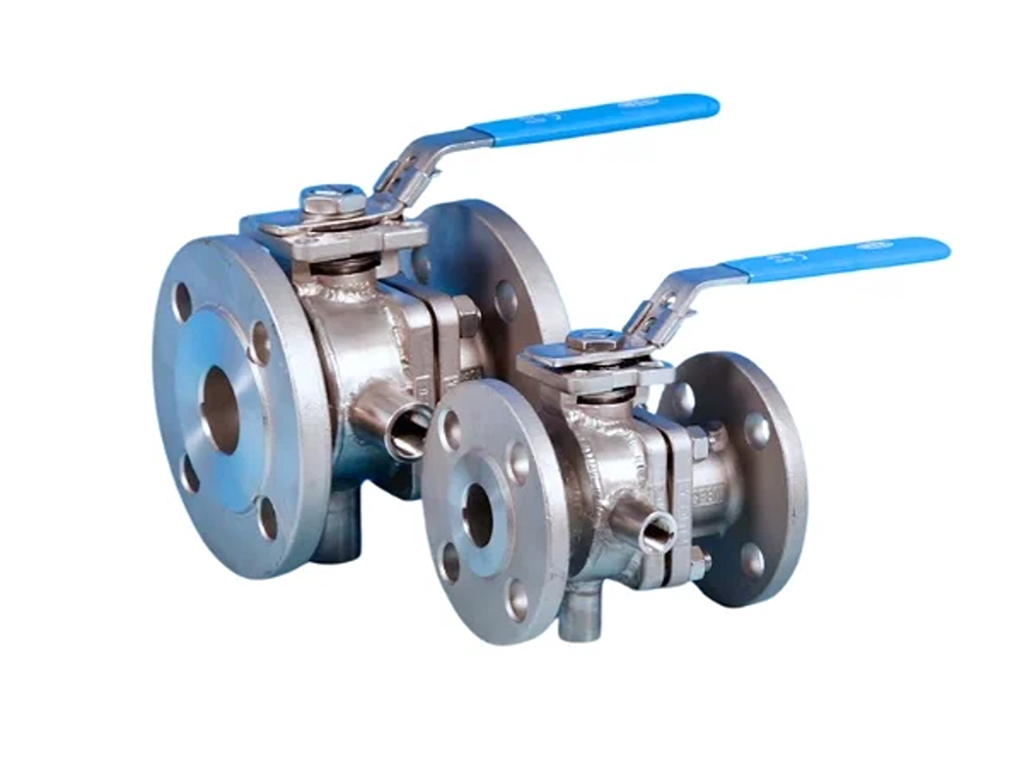
Jusqu’ici, nous avons parlé du commerce de détail : vous entrez dans un magasin, vous voyez une étiquette. Mais dès que vous achetez en grande quantité ou pour un système industriel, la tarification change du tout au tout. Vous ne payez plus le prix public, vous demandez un devis établi en fonction de vos spécifications. C’est ce que signifie réellement “ liste de prix des vannes à bille ” dans le milieu : un prix fixé par spécification, et non par référence. C’est dans l’écart entre le prix au détail et le prix proposé sur devis que les acheteurs peuvent soit économiser 30–50%, soit payer un supplément du même ordre de grandeur, et cet écart dépend de cinq éléments :
1. Médias (qu'est-ce qui y circule : de l'eau, de l'air, des produits chimiques ?). Cela détermine les exigences relatives aux matériaux du corps et de l'assise.
2. Températures. Le PVC standard atteint une température maximale d'environ 140 °F ; le laiton et l'inox supportent des températures bien plus élevées.
3. Pression. La pression de service nominale (marquée par les sigles WSP/WOG ou PN) doit être adaptée à votre installation.
4. Norme de connexion. Raccord fileté NPT, à bride, soudé ou à collier de serrage ; précisez la norme (ANSI/JIS/PN) utilisée par votre système.
5. Type, matériau et méthode de contrôle. Structure de support (flottante ou à tourillon), orifice (plein ou réduit), corps moulé ou forgé, matériau du siège, et si la vanne reste à commande manuelle ou est équipée d'un actionneur électrique ou pneumatique. Il s'agit du cadre de référence utilisé auparavant, qui sert désormais à établir les tarifs.
Le volume change également la donne : les fournisseurs proposent des barèmes de quantités (le même robinet Valworx passe du code $259 au code $233 dès que la quantité atteint trois unités), et les véritables tarifs de gros ne sont accessibles qu’après demande, et non pas via une étiquette. Attendez-vous à un délai de réponse raisonnable : le jour même ou le lendemain pour un article standard, environ 48 heures pour une demande comportant plusieurs spécifications. Et lorsque le devis arrive, c’est le moment de tester le fournisseur autant que le prix. Un fournisseur qui répond à un cahier des charges complet par un devis mûrement réfléchi, plutôt que par un simple prix affiché, envoie un signal qui mérite qu’on y prête attention : c’est la différence entre une liste de prix et un système de tarification. VINCER Valve élabore précisément ce type de réponse autour d’une gamme couvrant les deux niveaux : des vannes à bille industrielles de 3/8″ à 12″ en laiton, plastique, acier inoxydable et acier au carbone (PN10–PN100, classe 150–2500, ANSI/JIS/PN/GB), à laquelle s’ajoute le niveau des actionneurs : actionneurs électriques et pneumatiques, vannes à bille, papillon et à guillotine électriques et pneumatiques, vannes de régulation et électrovannes (la gamme de vannes à bille industrielles de l'entreprise, Gamme de vannes à commande électrique et pneumatique). Leur équipe d'ingénieurs évalue chaque demande selon huit critères (fluides, température, pression, norme de raccordement, mode de commande (manuel, électrique ou pneumatique), matériau du corps et application industrielle). Un devis standard est transmis dans les deux heures, et les projets portant sur plusieurs produits font l'objet d'une première proposition de solution dans les 48 heures (demander un devis avec le cahier des charges complet).
Le piège classique du “ prix apparemment moins cher ” clôt cette section : une vanne à passage réduit comparée à une vanne à passage intégral. Avant d'accepter un devis, vérifiez trois points.
1. Type de port. Port complet ou port réduit ?
2. Matériau de l'assise. PTFE, EPDM ou Viton ?
3. Certification. Sans plomb, certifié CSA ou UL ?
Ce que cette structure tarifaire implique pour les distributeurs
Toute cette confusion (l'écart de prix décuplé, la distinction entre pièces et main-d'œuvre, les questions du type “ est-ce que je me suis fait arnaquer ? ” qui pullulent sur tous les forums de plomberie, la lassitude face aux articles comparatifs – huit publications sur le thème “ flottant vs tourillon ” qui disent toutes la même chose) n'est pas un problème lié aux consommateurs. Il s'agit d'un déficit d'information entre les deux parties d'une même transaction, et pour un distributeur, cela représente soit une menace, soit une opportunité.
Du côté de l’acheteur, observez ce que révèlent les forums : les décisions se prennent sur la base d’une intuition du prix, car personne n’explique ce qui compose ce prix ; la déception se manifeste surtout après l’installation, lorsqu’une vanne bon marché fuit ou éclate et que les “ économies ” se traduisent par une salle de bains inondée ou une facture de main-d’œuvre doublée. L’acheteur capable d’analyser les trois niveaux structurels plutôt que de se focaliser sur le prix bénéficie d’un marché différent et plus avantageux, car les vendeurs répondent à des cahiers des charges éclairés par une tarification honnête.
Passons maintenant à ce qui compte vraiment pour votre entreprise. Dans la catégorie des vannes à bille, Le marché des valves « nues » se banalise rapidement: la transparence en matière de type, de matériau et de taille implique une transparence des prix, et un produit de base génère du volume, pas de marge. Le bénéfice dans cette catégorie se situe un cran au-dessus, du côté des actionneurs : dès qu’une vanne est équipée d’un actionneur, elle devient un ensemble technique (adaptation du couple, intégration des interfaces, comportement de sécurité intégrée, intégration des commandes), et les ensembles techniques ne peuvent pas être transformés en produits de base au prix catalogue. Les marges suivent la valeur technique, et la valeur technique suit la demande d’automatisation, ce qui correspond exactement à la direction que prend le secteur (la standardisation des interfaces, le fonctionnement à distance, la maintenance basée sur les données évoquée précédemment). La stratégie à adopter par un distributeur est claire : conserver la gamme de vannes à bille manuelles comme source de volume, et développer la gamme de vannes motorisées comme moteur de marge. Et la règle d’approvisionnement qui découle de tout ce qui précède : s’approvisionner auprès d’un fabricant qui couvre les deux niveaux en un seul endroit : des vannes manuelles de tous types, ainsi que les actionneurs électriques et pneumatiques, afin que la comparaison de prix que vous effectuez aujourd’hui et les commandes d’automatisation que vous enregistrez demain figurent sur le même devis.
Si vous envoyez un cahier des charges complet et obtenez une réponse réfléchie plutôt qu’une réponse toute faite, c’est que vous avez affaire à un fournisseur qui établit ses prix en fonction du système et non du produit tel quel ; c’est celui-là qui mérite que vous demandiez un devis. VINCER Valve répond dans les 12 heures et garantit la validité de ses devis pendant six mois sur les produits standard, ce qui vous permet de prendre vos décisions d’achat en toute sérénité pendant que vous les mûrissez.
Comparez les fournisseurs en posant les bonnes questions sur les prix.
Envoyez-nous votre cahier des charges et recevez une réponse qui vous donnera le prix du système, et non celui du produit en rayon.
Demander un devis avec le cahier des charges completRéférences
- Bureau américain des statistiques du travail. “ Indice des prix à la production par secteur : fabrication de vannes industrielles ”. 2026. fred.stlouisfed.org