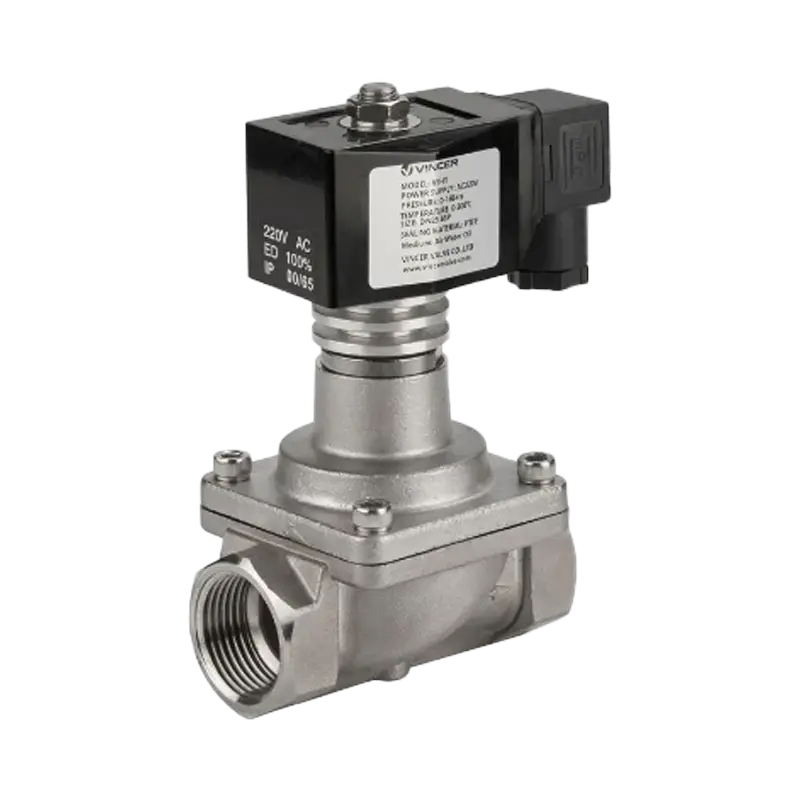
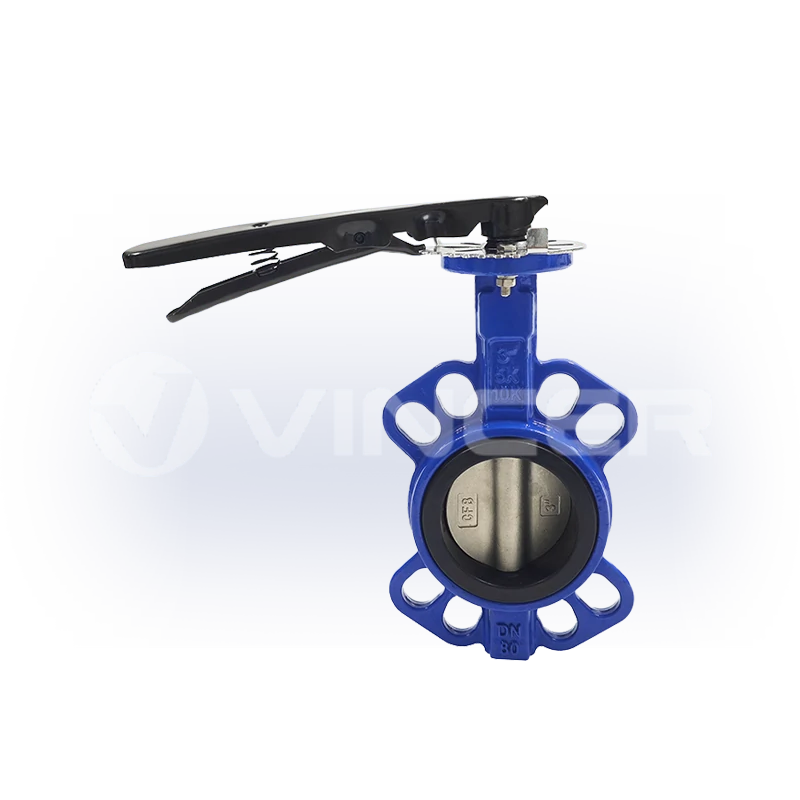
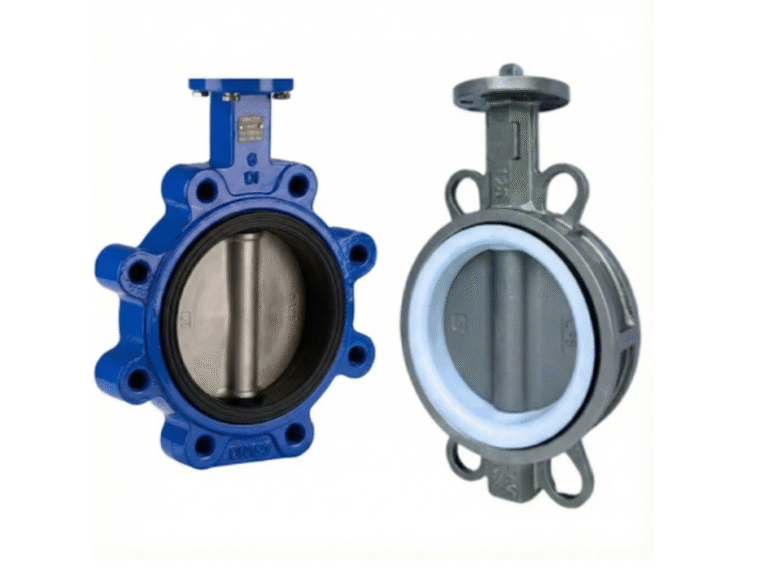
يُباع الصمام الكروي النحاسي مقاس 2 بوصة، الذي يبدو متشابهاً في الشكل، بسعر $32.25 في أحد المتاجر و$324.00 في متجر آخر، وهو فارق يصل إلى عشرة أضعاف دون تفسير واضح. إذا بحثت عن “سعر الصمام الكروي”، فستحصل على صفحات منتجات، لا إجابات. وإليك الإطار الذي يفسر هذا الفارق: يتم تحديد أسعار الصمامات الكروية بناءً على أربعة عوامل، مرتبة حسب تأثيرها: النوع، والمادة، والحجم، والشهادة. افهم طبقة النوع أولاً، وستصبح جميع الأسعار الأخرى واضحة فجأة.
تكلفة الصمام الكروي: مقارنة بين الأحجام 1 بوصة و2 بوصة والأحجام الشائعة
إذا سألت عن “سعر الصمام الكروي” دون تحديد الحجم أو المادة أو التصميم، فستحصل على إجابات تتفاوت بمقدار عشرة أضعاف. ويُعد الجدول أدناه نقطة انطلاق صادقة: أسعار التجزئة الحقيقية التي تم جمعها من قوائم البائعين، مع عمود «أسعار الشراء بالجملة» الذي يتفاوض الموزعون ومسؤولو المشتريات فعليًّا على أساسه.
| الحجم | المواد | الاتصال | السعر المعتاد للبيع بالتجزئة | أمثلة على القنوات | مرجع الكميات الصناعية (على أساس عرض الأسعار) |
|---|---|---|---|---|---|
| 1/2 بوصة | PVC | مقبس صغير الحجم | من واحد إلى خمسة | ماكس سبلاي، توريد المستلزمات التجارية والصناعية | يعتمد على الحد الأدنى للطلب (MOQ)، وغالبًا ما يكون $0.5–$2 لكل طلب بكمية 100 قطعة أو أكثر |
| 1 بوصة | PVC | ملولب أو مقبس | $8–$15 | أمازون، وصلات PVC عبر الإنترنت | ~$3–$6 من حيث الحجم |
| 1 بوصة | النحاس | خيوط NPT | من واحد إلى أربعة، ومن عشرة إلى ثلاثين | هوم ديبوت، متجر مستلزمات الرشاشات | $5–$12 عند مستوى الصوت |
| 1 بوصة | الفولاذ المقاوم للصدأ 304 | ملولب | من فترة واحدة إلى أربع فترات مدة كل منها عشر ثوانٍ | فالوركس، يو إس إيه بلو بوك | ~$8–$18 عند مستوى الصوت |
| 2 بوصة | PVC | ملولب أو مقبس | $7–$20 | الإمدادات التجارية والصناعية، إيريجيشن كينغ | $4–$10 عند مستوى الصوت |
| 2 بوصة | النحاس | ملولب | مرة واحدة إلى أربع مرات، من ثلاثين إلى مائة مرة | عالم PEX، توريد أنابيب PPR | $15–$45 عند مستوى الصوت |
| 2 بوصة | نحاسي معتمد بفتحة كاملة | ملولبة، خالية من الرصاص/CSA | ألف وأربعمائة وخمسة وأربعون إلى ألف وأربعمائة وخمسة وعشرين | USABlueBook، Valworx | ~$50–$120 عند مستوى الصوت |
ثلاث نقاط رئيسية يمكن استخلاصها من الجدول. أولاً،, الحجم هو العامل الأكثر تأثيرًا على الأسعار: عادةً ما تبلغ تكلفة الصمام مقاس 2 بوصة ما بين 3 إلى 5 أضعاف تكلفة الصمام مقاس 1 بوصة المصنوع من نفس المادة، لأن حجم الكرة وجسم الصمام يتناسبان مع المكعب. ثانياً،, المادة هي المحور الثاني: يبلغ سعر البلاستيك (PVC) ما بين ربع وخُمس سعر النحاس تقريبًا لنفس الحجم (قائمة صمامات كروية من هوم ديبوت, ، 2026). ثالثًا، يكمن اللغز الحقيقي في الاختلافات داخل الخلية الواحدة: فقد يختلف “صمامان كرويان من النحاس مقاس 2 بوصة” بنسبة 10 أضعاف من حيث التصميم وحده. وتوضح «طبقة النوع» ذلك، وهي القسم التالي.
أنواع الصمامات الكروية: كيف يؤثر التصميم على السعر
تعمل جميع الصمامات الكروية بنفس الطريقة: حيث تدور كرة مثقوبة داخل جسم الصمام لفتح أو إغلاق التدفق. ولا تُعد الأنواع مجرد قائمة يجب حفظها عن ظهر قلب، بل هي ثلاث طبقات هيكلية، ويؤثر اختيار كل طبقة بشكل مباشر على السعر.
الطبقة الهيكلية 1: كيفية تثبيت الكرة — التثبيت العائم مقابل التثبيت على محور دوار
يختلف التصميمان الأكثر شيوعًا ⭐ في طريقة إمساك الكرة. في صمام كروي عائم, ، تطفو الكرة بين مقعدين، ويقوم ضغط الخط بدفعها نحو المقعد الموجود في اتجاه تدفق السائل لإحكام الإغلاق. في صمام كروي ذو محور دوار, ، تُثبَّت الكرة على عمود ثابت (محور دوران)، مع وجود مقاعد مزودة بنابض تضغط عليها. ويضيف المحور عمودًا ومحامل وهيكلًا أكثر تعقيدًا، وهو ما ينعكس على السعر: فالتكاليف الأولية عادةً ما ترجح كفة التصاميم العائمة من خلال 30–50% مقارنةً بصمامات الترونيون المماثلة (صمامات TG, 2025; صمام OneRo, ، 2025). وتتميز الصمامات ذات المحور الدوار بأداء فائق في ظروف الضغط العالي والقطر الكبير، حيث قد تنزلق الكرة العائمة عن مقعدها. أما بالنسبة للأحجام التي تتناولها هذه المقالة (1–2 بوصة)، فإن الصمامات العائمة هي الخيار الأساسي.
الطبقة الهيكلية الثانية: المنفذ — القطر الكامل مقابل القطر المخفض
الطبقة الثانية هي الثقب الموجود في الكرة. أ صمام ذو فتحة كاملة ⭐ لها فتحة كروية مساوية لقطر الأنبوب؛ أ صمام ذو قطر داخلي مخفض تحتوي على كرة أصغر حجمًا (غالبًا ما يبلغ القطر الفعلي للتدفق في الكرة ذات القطر المصغر “2 بوصة” 1.5 بوصة فقط). يستهلك القطر الكامل كمية أكبر بكثير من المواد والتصنيع، وعادةً ما يتراوح سعره بين 1.5 و2 أضعاف سعر القطر المصغر عند نفس الحجم الاسمي. وتكمل أنواع المنافذ المتبقية الصورة في سطر واحد: تعمل الصمامات ثلاثية الاتجاهات (أنماط المنافذ L وT) على تبديل التدفق بين المخرجات، بينما تعمل الصمامات ذات المنفذ على شكل حرف V على تشكيل الفتحة للتحكم في التدفق بدلاً من مجرد التشغيل/الإيقاف البسيط؛ وكلاهما يتطلب تكلفة إضافية ويتم تحديدهما وفقًا للمواصفات، ولا يتم اختيارهما بشكل عشوائي.
الطبقة الهيكلية الثالثة: من يقوم بتشغيل الصمام — التشغيل اليدوي مقابل التشغيل الآلي
الطبقة الثالثة هي المشغل: مقبض تديره يدويًّا، ⭐ أو مشغل كهربائي أو هوائي يقوم بتدويره نيابة عنك. يعتبر التشغيل اليدوي هو الخيار الأساسي؛ أما طبقة المشغل فتضاعف السعر بمعامل يعتمد على عزم الدوران، ونظام التحكم، وسلوك الأمان في حالة الفشل الذي يجب أن يوفره. وهذا هو أكبر فارق في الميزانية عند شراء الصمام الكروي بأكمله، وهو يستحق قسمًا خاصًا به أدناه.
أما عوامل السعر المتبقية فتقع فوق هذه الطبقات الثلاث وتستحق سطراً واحداً لكل منها: الهياكل المصبوبة مقابل الهياكل المطروقة (المزور أكثر كثافةً وأغلى ثمناً، ويحتوي على فراغات داخلية أقل)،, مادة المقعد (PTFE، وEPDM، وViton، مرتبة حسب السعر والتفاوت في التفاوت التفاوت التفاوت التفاوت التفاوت التفاوت التفاوت التفاوت التفاوت التفاوت التفاوت التفاوت التفاوت التفاوت التفاوت التفاوت التفاوت التفاوت التفاوت التفاوت التفاوت التفاوت التفاوت التفاوت التفاوت التفاوت التفاوت التفاوت التفاوت التفاوت التفاوت التفاوت التفاوت التفاوت التفاوت التفاوت التفاوت التفاوت التفاوت التفاوت التفاوت التفاوت التفاوت التفاوت التفاوت التفاوت التفاوت الت, شكل الهيكل (النوع المكون من قطعتين هو النوع الشائع ⭐، أما النوع المكون من قطعة واحدة والنوع الذي يُدخل من الأعلى فيزيدان من التكلفة ويحدان من سهولة الصيانة)، و الشهادة (تؤدي خلو المنتجات من الرصاص واعتمادات CSA/UL إلى زيادة حقيقية في التكلفة؛ أما الصمام النحاسي نفسه مقاس 2 بوصة، الذي يحمل الرمز $55.05، فهو غير معتمد بسعر ملك الري و$145.95 الحاصلة على شهادة CSA من USABlueBook, ، وكلاهما تم جمعه في عام 2026-08).
قاعدة عامة: لا تقارن بين عرضي أسعار إلا إذا تأكدت من تطابق هيكل الدعم ونوع المنفذ وطريقة تصنيع الجسم ومواد صناعة المقعد. فمقارنة “أسعار الصمامات الكروية النحاسية مقاس 2 بوصة” دون مراعاة هذه العناصر الأربعة هي بمثابة مقارنة التفاح بالبرتقال.
بمجرد أن تتمكن من قراءة الطبقات الثلاث على أي صمام، يصبح كل من خيار “شراء النوع الغالي” و“شراء النوع الرخيص” خيارين عقلانيين؛ فأنت تعرف بالضبط أي الطبقات تدفع ثمنها.
يدوي أم آلي؟ مفترق طرق الأتمتة في ميزانية الصمامات الخاصة بك
هذا هو القرار الذي يغير ميزانية شراء الصمامات الكروية بمقدار عشرة أضعاف، وهو القرار الذي تتجاهله معظم أدلة الأسعار. يبلغ سعر الصمام الكروي اليدوي في متاجر التجزئة ما بين $10 و$100. أما نفس الصمام المزود بمشغل كهربائي أو هوائي، فينتقل إلى فئة سعرية مختلفة، ولسبب وجيه.
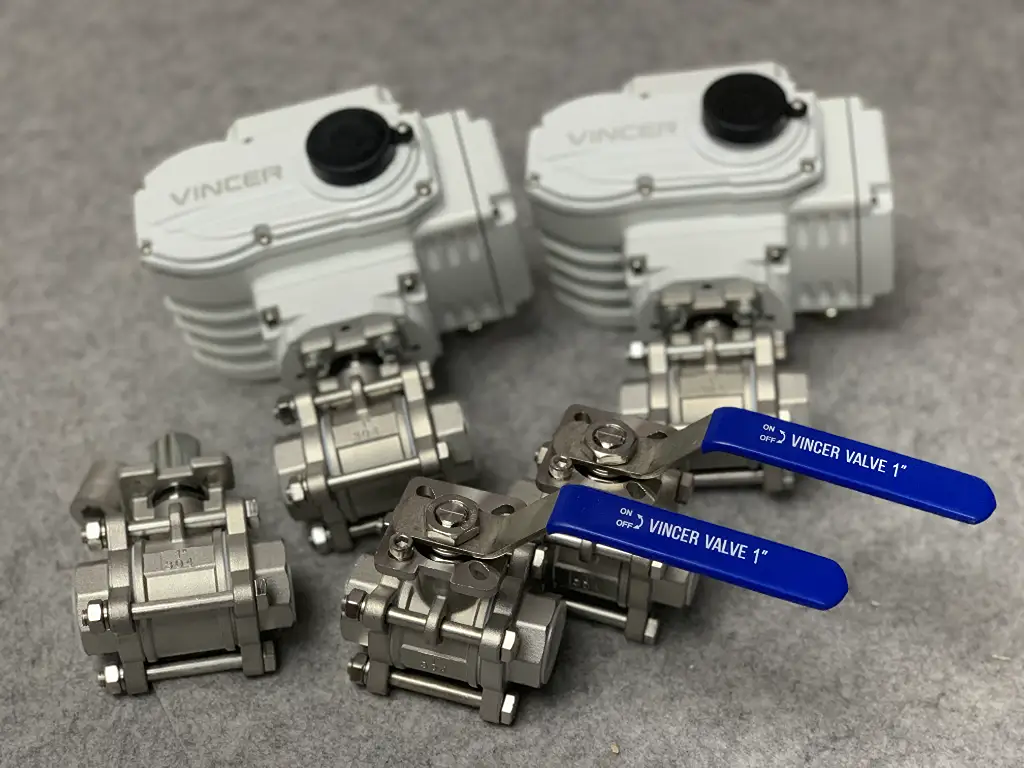
الاتجاه السائد في هذا القطاع واضح تمامًا، ويمكنك التحقق من ذلك دون الاعتماد على أرقام أي شخص: يتم توحيد المعايير الخاصة بالواجهات (تُشحن الصمامات مزودة بواجهات إشارة وتركيب قياسية، وهو ما يحدث فقط عندما تكون الأتمتة هي التوقعات الافتراضية)؛; التشغيل عن بُعد يحل محل التشغيل في الموقع (إن وجود صمام يمكن تشغيله عن بُعد من غرفة التحكم يوفر على العامل عناء الذهاب والإياب في كل مرة)؛ و الصيانة القائمة على البيانات في طريقها إلينا (يمكن للصمام الذي يتم تشغيله آليًّا أن يُبلغ عن حالته؛ أما الصمام اليدوي فلا يستطيع ذلك، وهذا هو الشرط الأساسي لأي عملية مراقبة للحالة أو صيانة قائمة على الذكاء الاصطناعي). هذه حقائق يمكن ملاحظتها بشأن الاتجاه الذي يسير فيه السوق، وليست مجرد توقعات.
When is actuation actually worth it? The boundary is simple: a single valve on a cold-water line that you touch twice a year should stay manual. The moment you have valve groups, frequent operation, remote sites, safety interlock needs, or modulating control, a manual valve is no longer the cheap option; it’s the expensive one in labor and downtime. Within actuation, the sub-choice is one line: electric for precise control and energy efficiency, pneumatic for cost-sensitive and explosion-rated environments, solenoid valves for small-bore automatic shut-off duty. The type framework from the previous section applies unchanged: an actuated valve is the same valve, plus a layer.
PVC vs Brass Ball Valves: Price and True Cost
The unit price comparison looks lopsided: PVC costs about a quarter of brass in the same size (1-inch PVC $8–$15 vs 1-inch brass $10–$30). But unit price isn’t cost. A ball valve bought for the wrong service fails, and replacement labor (or a flooded bathroom) dwarfs any savings.
| المواد | Typical Unit Price (1-inch) | Best Service | Life Expectancy | Failure Boundary (when it stops being the right choice) |
|---|---|---|---|---|
| PVC | ~$8–$15 | Cold water, irrigation, pool, wastewater | 5–10 years in clean service | Prolonged water above 140°F (60°C); outdoor UV for years; pressure above ~150 psi; solvent media |
| النحاس | ~$10–$30 | Potable water, hot water, HVAC, compressed air | 10–20+ years | Aggressive acids/alkalis; long-term seawater immersion; high-chloride water (step up to stainless instead) |
| Stainless 304/316 | ~$15–$40 | Corrosive media, food & beverage, high-purity service | Long (material-limited) | Cost-vs-need check: overkill for ordinary cold-water residential lines |
The failure boundary is the part no seller’s product page tells you: ordinary PVC valves are rated for water up to about 140°F (60°C) and roughly 150 psi, fine for cold irrigation but wrong for hot-water lines (that’s CPVC’s job, rated to 200°F). And don’t use standard PVC with solvent chemicals. The true-cost formula: total cost = valve price + installation labor + expected replacement cycles + failure risk. A cheap PVC valve that fails in three years in the wrong service isn’t cheaper than brass. It’s brass plus a second labor bill.
Ball Valve Replacement Cost: Parts vs Labor
If you’re asking “ball valve cost” because a plumber just quoted you, split the bill. A replacement quote is always two line items: the part and the labor. Consumers routinely misjudge the split, and the part is usually the smaller number.
Real-world examples from plumbing forums: a pool contractor quoted $300 to swap three PVC ball valves whose parts cost under $100 at retail; a backflow shut-off replacement came in at $350; one homeowner got a $400 estimate from a two-second glance. None of these are necessarily overcharging. But you should be able to see what you’re paying for: the valve itself (typically $5–$150 by size and material), plus travel, labor time, and the difficulty factor (frozen or corroded joints are where labor costs explode).
Anatomy of a $300 valve bill
When can you DIY it? The sequence is simple: shut off the water, drain the line, remove the old valve, wrap the threads, install the new one, and a straightforward, accessible installation is genuinely a one-hour job. Call a pro instead when: the valve is buried or behind a finished wall, joints are rusted, or it’s a building main where a mistake affects more than one unit. And before buying any replacement: match the connection type: NPT threaded, sweat (solder), press, or push-fit. A wrong-joint valve won’t install at all, and that’s a wasted part plus a wasted service call.
Replacing valves or buying in bulk? Send the full spec.
Type, material, size, certification — the details that turn a sticker price into a real quote.
Request a quote within 2 hoursHow to Get an Accurate Ball Valve Price Quote
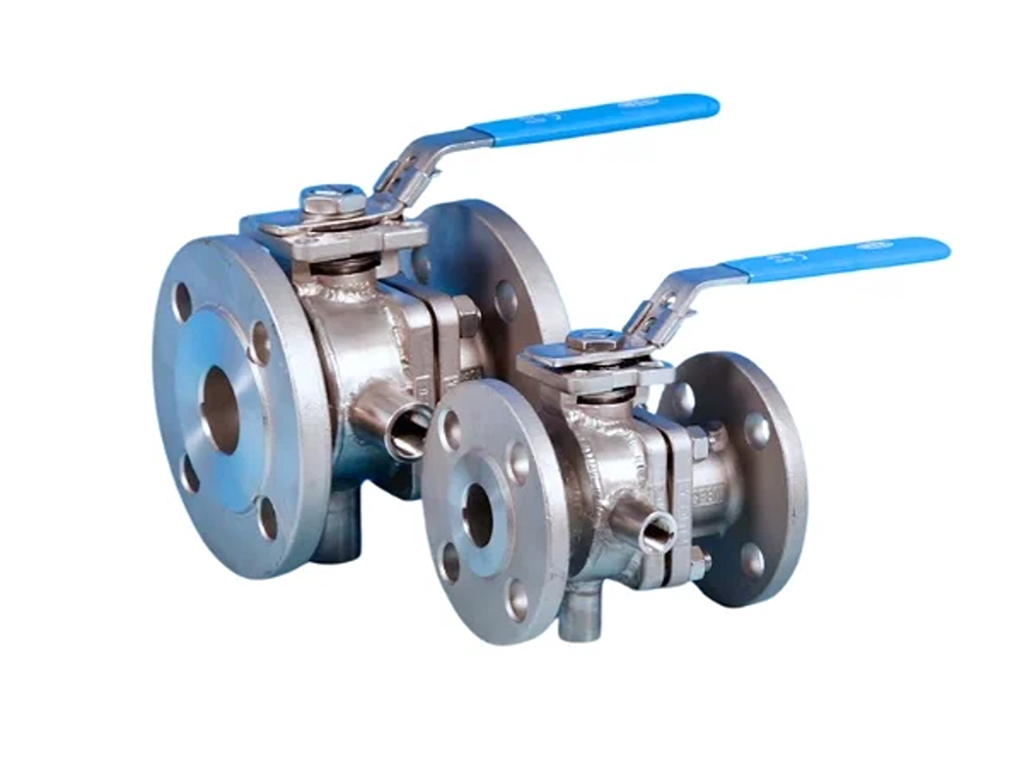
Up to here we’ve talked retail: you walk in, you see a sticker. But the moment you’re buying in quantity or for an industrial system, pricing changes worlds. You’re no longer paying a retail list price, you’re requesting a quote generated against your specifications. This is what “ball valve price list” actually means in the trade: a price set per spec, not per SKU. The gap between retail and quoted pricing is where buyers either save 30–50% or overpay by the same margin, and it’s decided by five details:
1. Media (what flows through it, water, air, chemical?). It determines body and seat material requirements.
2. Temperature. Ordinary PVC tops out around 140°F; brass and stainless carry far higher ratings.
3. Pressure. The rated working pressure (the WSP/WOG or PN marking) must match your system.
4. Connection standard. Threaded NPT, flanged, welded, or clamped; specify the standard (ANSI/JIS/PN) your system uses.
5. Type, material and control method. Support structure (floating or trunnion), port (full or reduced), cast or forged body, seat material, and whether the valve stays manual or carries an electric or pneumatic operator. This is the type framework from earlier, now doing the pricing work.
Volume changes everything too: suppliers quote quantity ladders (the same Valworx valve drops from $259 to $233 each at three units), and true wholesale pricing lives behind a request, not a sticker. Expect a reasonable response cadence: same-day or next-day for a standard item, roughly 48 hours for a multi-spec request. And when the quote arrives, this is the moment to test the supplier as much as the price. A supplier who responds to a complete spec with a considered quote, rather than a sticker, is signaling something worth paying attention to: it’s the difference between a price list and a pricing system. VINCER Valve builds exactly that kind of response around a range that covers both layers: industrial ball valves from 3/8″ to 12″ in brass, plastic, stainless and carbon steel (PN10–PN100, Class 150–2500, ANSI/JIS/PN/GB), plus the actuation layer on top: electric and pneumatic actuators, electric and pneumatic ball, butterfly, and gate valves, control valves, and solenoid valves (the company’s industrial ball valve series, مجموعة الصمامات التي تعمل بالطاقة الكهربائية والهوائية). Their engineering team assesses each inquiry across eight dimensions (media, temperature, pressure, connection standard, control method (manual, electric, or pneumatic), body material, and industry application). A standard quote comes back within two hours, and multi-product projects get an initial solution within 48 hours (request a quote with complete specifications).
The classic “looks cheaper” trap closes the section: a reduced-port valve quoted against a full-port spec. Before accepting any quote, check three things.
1. Port type. Full port or reduced port?
2. Seat material. PTFE, EPDM, or Viton?
3. Certification. Lead-free, CSA, or UL listed?
What This Price Structure Means for Distributors
All the confusion above (the tenfold price gap, the parts-vs-labor split, the “did I get ripped off” questions on every plumbing forum, the comparison-article fatigue of eight “floating vs trunnion” posts saying the same thing) is not a consumer problem. It’s an information gap between two sides of the same transaction, and for a distributor it’s either a threat or an opening.
On the buyer’s side, look at what the forums reveal: decisions are made on price intuition because no one explains what the price is made of; the disappointment concentrates after installation, when a cheap valve leaks or bursts and the “savings” come back as a flooded bathroom or a double labor bill. The buyer who can read the three structural layers instead of a price gets a different, better market, because sellers respond to informed specs with honest pricing.
Now the part that matters for your business. In the ball valve category, the naked valve is commoditizing fast: type, material, and size transparency means price transparency, and a commodity earns volume, not margin. The profit in this category lives one layer up, on the actuated side: the moment a valve carries an actuator, it becomes an engineered assembly (torque matching, interface integration, fail-safe behavior, control integration), and engineered assemblies cannot be commoditized by a catalog price. Margins follow engineering value, and engineering value follows automation demand, which is exactly the direction the industry is moving (the standardizing interfaces, the remote operation, the data-driven maintenance from earlier). The practical position for a distributor is clear: keep the manual ball valve line as the volume traffic-builder, and build the actuated valve line as the margin engine. And the sourcing rule that follows from everything above: buy from a manufacturer that covers both layers in one place: manual valves of every type, plus the electric and pneumatic actuation on top, so the price comparison you run today and the automation orders you take tomorrow stay on the same quote.
If you send a full spec and get a considered reply instead of a sticker, you’re dealing with the kind of supplier who prices for the system, not the shelf; that’s the one worth the quote. VINCER Valve answers within 12 hours and honors quotes for six months on standard products, so your buying decisions stay valid while you work them out.
Compare suppliers with the right price questions.
Send your spec and get an answer that prices the system, not the shelf.
Request a quote with full specificationsالمراجع
- Home Depot. “Ball Valves” category listings (retail price anchors, 1″ brass ball valves). 2026. https://www.homedepot.com/b/Plumbing-Valves-Ball-Valves/N-5yc1vZca1s
- PEX Universe. “2” Threaded Brass Ball Valve, Full Port” ($32.25 each, box of 2). 2026. https://pexuniverse.com/2-threaded-brass-ball-valve
- USABlueBook. “Lead-Free Brass Ball Valve, CSA Certified, 2 inch NPT” ($145.95). 2026. https://www.usabluebook.com/lead-free-brass-ball-valve-csa-certified-2-inch-np-56548
- PPR Supply. “Brass Ball Valve 2″ Threaded Ends Full Port” ($98.32). 2026. https://pprsupply.com/brass-ball-valve-2-threaded-ends-full-port/
- Irrigation King. “2” Nickel Plated Brass Ball Valve – FNPT Threaded – PN16″ ($55.05 special price). 2026. https://www.irrigationking.com/2-brass-ball-valve.html
- Maxx Supply. “PVC Ball Valves” category ($1.05 compact 1/2″ PVC). 2026. https://maxx-supply.com/valves/ball-valves/
- Commercial-Industrial Supply. “PVC Valves” ($7.44 Flui-PRO 2″ PVC true union). 2026. https://www.commercial-industrial-supply.com/collections/pvc-valves
- OneRo Valve. “Floating vs. Trunnion Mounted Ball Valves: Key Differences” (30–50% less expensive). 2025. https://www.onerovalve.com/blog/floating-vs-trunnion-ball-valve/
- VINCER Valve. “Industrial Ball Valve Series” (3/8″–12″, PN10–PN100, Class 150–2500, floating/trunnion/3-way/V-port, brass/plastic/SS/CS). 2026. https://www.vincervalve.com/vincer-ball-valve-series/
- VINCER Valve. “Pneumatic Actuated Valve” (electric & pneumatic actuated range). 2026. https://www.vincervalve.com/pneumatic-actuated-valve/
- VINCER Valve. “Contact for a Quote” (2-hour standard quote, 48-hour initial solution, 12-hour response, 6-month standard quote validity). 2026. https://www.vincervalve.com/contact-for-a-quote/