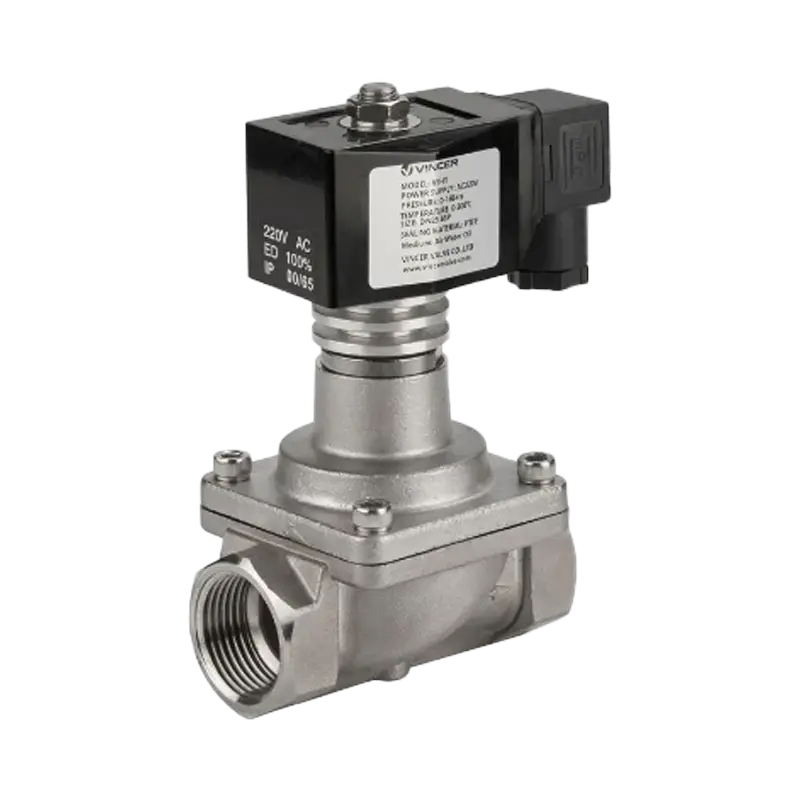
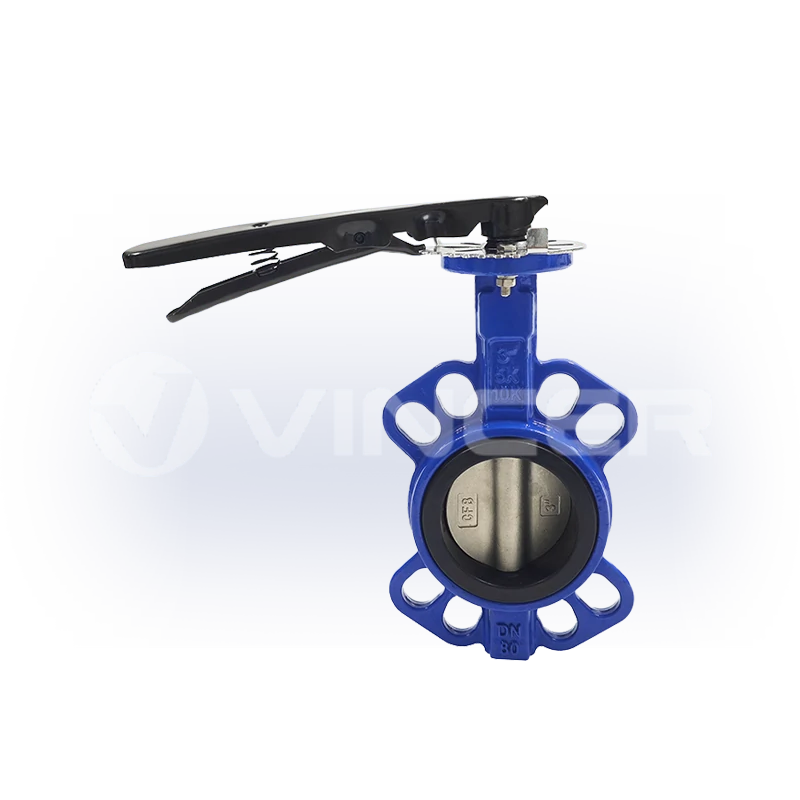
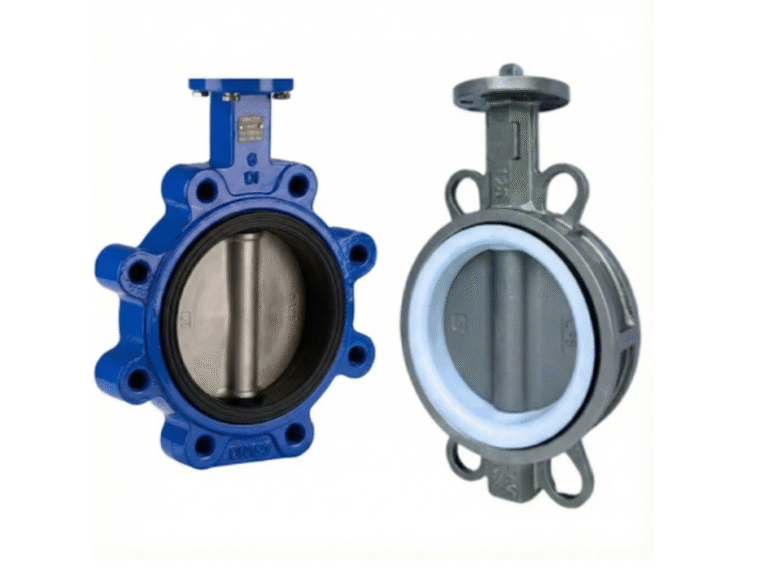
Chaque installation, conduite d'eau principale et atelier regorgeant de tuyauteries fonctionne grâce à des vannes à bille, ces petites vannes à quart de tour qui coupent et rétablissent le débit, qu'il s'agisse d'un robinet d'arrêt domestique ou d'une conduite de process à haute pression. Et lorsqu’une d’entre elles commence à fuir, la plupart des gens restent là à la regarder. Quelle pièce du robinet à boisseau sphérique est défectueuse ? Peut-on la réparer, ou faut-il remplacer le robinet dans son intégralité ? Ce guide répertorie toutes les pièces d’un robinet à boisseau sphérique, classe l’ensemble de la gamme de ces robinets en trois niveaux structurels, et vous indique quels composants s’usent en premier et comment y remédier précisément.
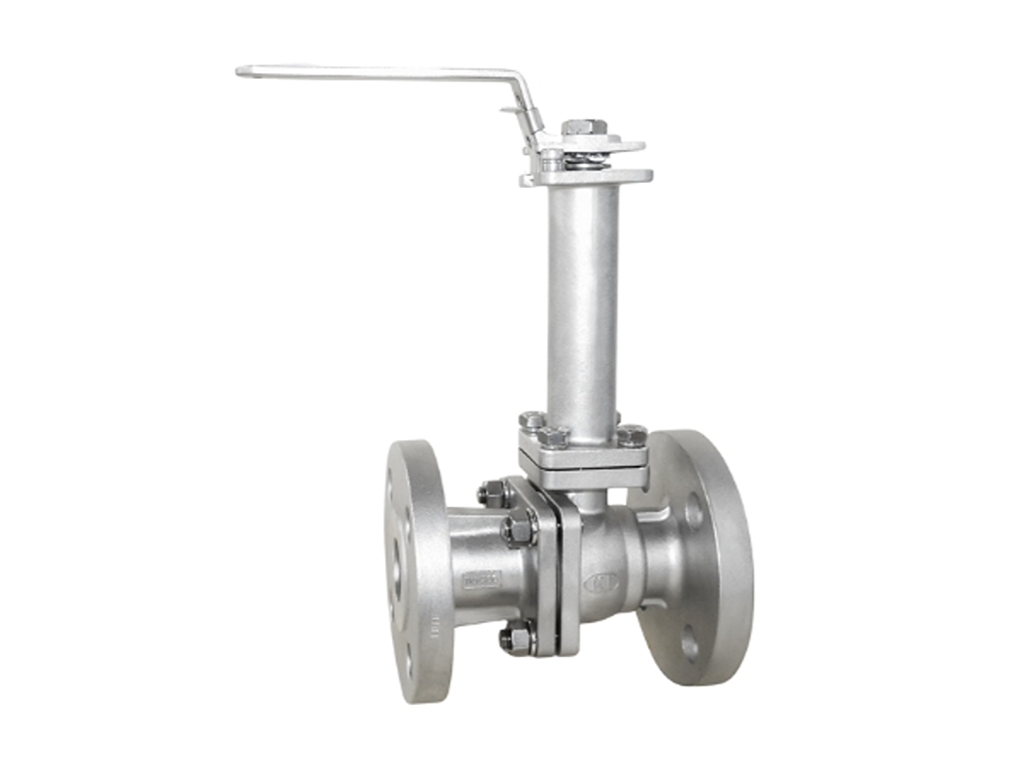
Qu'est-ce qu'un robinet à boisseau sphérique ? Une explication en 60 secondes
Un robinet à bille est un dispositif d'arrêt à quart de tour. À l'intérieur du corps se trouve une bille percée d'un trou en son centre. En tournant la poignée de 90°, le trou s'aligne avec le tuyau (position ouverte) ; en la tournant dans le sens inverse, la face pleine de la bille bloque le débit (position fermée). C'est tout le mécanisme.
Un détail est déterminant pour tout ce qui va suivre : un robinet à bille assure l'étanchéité grâce à rotation, et non en exerçant une pression vers le bas comme sur une vanne à guillotine ou une vanne à boisseau sphérique. Cette seule différence détermine quelles pièces sont présentes, lesquelles s’usent, et pourquoi l’absence de “ rondelle ” déroute tant de gens. Nous y reviendrons dans un instant.
Schéma des pièces d'un robinet à boisseau sphérique : tous les composants, nommés et expliqués
Une fois que vous avez classé les composants dans ces trois catégories, toutes les vannes à bille du monde deviennent faciles à comprendre.
Les pièces sous pression : corps, raccords d'extrémité, chapeau
Le corps de vanne Il s'agit de la cuve sous pression : elle contient tout le système et supporte la pression totale de la conduite. Les matériaux utilisés pour le corps vont du laiton (plomberie domestique) à l'acier inoxydable 304/316, en passant par l'acier au carbone et la fonte ductile (usage industriel). La distinction qui importe réellement aux acheteurs : l'acier inoxydable 316 contient du molybdène et résiste bien mieux à la corrosion par piqûres au chlorure que l'acier inoxydable 304. Dans les environnements côtiers ou chimiques, cela fait la différence entre une vanne qui dure vingt ans et une autre qui se corrode en un an.
Raccords d'extrémité sont les différents types de raccordement entre la vanne et le tuyau : fileté (petites tailles, installation facile), à bride (conduites de grande taille ou à haute pression, fixées par des boulons), soudé (raccordement permanent, étanche) et à collier (secteur sanitaire/agroalimentaire, démontage rapide). Les capot (ou « entrée supérieure ») désigne la partie du corps qui abrite l'ensemble tige et son joint d'étanchéité.
Un détail de conception qu'il convient de souligner dès à présent : les corps de vannes à bille se déclinent en versions monobloc, en deux parties ou en trois parties, et ce choix détermine si votre vanne est réparable ou non. La section consacrée à la structure ci-dessous apporte des précisions à ce sujet.
Pièces d'étanchéité et pièces rotatives : bille, sièges, tige
Le balle C'est le cœur rotatif : une sphère dotée d'un alésage central. Il peut s'agir à fond (le trou correspond au diamètre du tuyau, ce qui limite au minimum la restriction de débit) ou alésage réduit (passage plus étroit, coût moindre, courant dans les petites vannes).
Le places sont les bagues d'étanchéité qui enserrent la bille de chaque côté. C'est la partie que les gens comprennent le moins bien : un robinet à bille comporte sans rondelle. L'étanchéité est assurée par la pression exercée par le clapet contre les sièges. Dans une conception à clapet flottant (le type le plus courant), la pression de la conduite pousse le clapet contre le siège aval ; ainsi, plus la pression est élevée, plus l'étanchéité est parfaite. Les sièges sont presque toujours fabriqués dans un matériau de la famille du PTFE, ce qui implique certaines limites de température (abordées dans la section consacrée aux types).
Le tige relie la bille à la poignée ou à l'actionneur et transmet la rotation à l'ensemble du corps. Autour de la tige se trouve le emballage (également appelé « joint de tige »), la pièce que vous verrez dans la réalité lorsque vous remarquerez une fuite sous la poignée.
Les éléments fonctionnels : poignée, garniture d'étanchéité et actionneurs
Le faire ses courses (levier) fait tourner la tige, avec une position de verrouillage à 90° en position ouverte et à 90° en position fermée. Sous la poignée, le emballage elle assure l'étanchéité de la tige à l'endroit où celle-ci traverse le corps, et “ ça fuit juste sous la poignée ” est presque toujours un problème de garniture, et non un problème lié à la bille. Parfois, il suffit de resserrer l'écrou de garniture pour résoudre le problème.
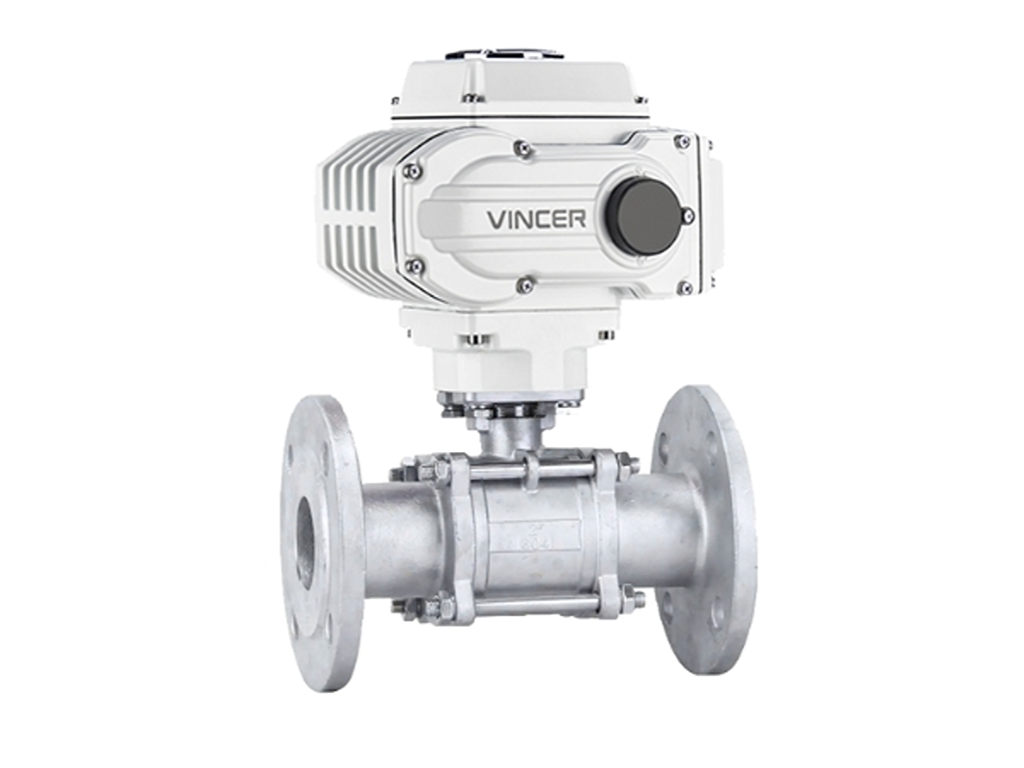
Outre la poignée, les robinets à boisseau sphérique peuvent être automatisés : a actionneur pneumatique (rapide, fonctionne partout où il y a de l'air comprimé) ou un actionneur électrique (pour les sites sans alimentation en air) se fixe par boulonnage sur la bride standard de l'actionneur. Le montage de l'actionneur étant conforme à la norme ISO 5211 relative aux brides, il est possible de passer d'un corps de vanne manuel à un corps de vanne automatisé sans modifier la vanne elle-même. Le choix de la force motrice de la tige — manuelle ou mécanique — constitue la principale distinction au sein de la famille des vannes à bille, et ce sujet fait l'objet d'une section distincte ci-dessous.
Pièces et fonctions d'un robinet à boisseau sphérique
| Composant | Fonctionnalités | Matériaux courants | Pannes les plus courantes |
|---|---|---|---|
| Corps | Maintient la pression, comporte des raccords d'extrémité | Laiton, acier inoxydable 304/316, acier au carbone, fonte ductile | Fissures (gel, coup de bélier) |
| Ball | Tourne de 90° pour ouvrir ou fermer le débit | Laiton chromé, acier inoxydable, céramique | Marquage de surface par des particules présentes dans les fluides |
| Sièges | Joint entre la bille et le corps | PTFE, RPTFE, Viton, EPDM, métal | Usure, déformation, dépassement de température |
| Tige | Transmet la rotation depuis la poignée/l'actionneur | Laiton, acier inoxydable | Rare — en général, c'est l'emballage qui fuit en premier |
| Joint d'étanchéité / joint de tige | Assure l'étanchéité de la tige à travers le corps | PTFE, graphite, joints toriques | Usure — la source de fuite #1 située sous la poignée |
| Raccords d'extrémité | Raccorder la vanne au tuyau | Corps + joints | Défaillance des joints au niveau des joints de carrosserie |
Pièces de vannes à bille vs autres vannes : quelles sont les différences et pourquoi est-ce important ?
Si vous avez déjà réparé une vanne à guillotine ou une vanne d'arrêt, votre liste mentale de pièces ne s'applique pas aux vannes à bille. C'est pourquoi l'expression “ pièces de vanne à bille ” prête à confusion pour ceux qui viennent d'autres types de vannes. Les vannes à guillotine et les vannes à soupape assurent l'étanchéité grâce à un disque qui appuie vers le bas sur un siège, et elles utilisent des rondelles remplaçables. Les robinets à bille assurent l'étanchéité grâce à la rotation d'une sphère contre les sièges, il n'y a donc pas de rondelle, et les points de fuite sont totalement différents.
| Type de vanne | Mécanisme d'étanchéité | Points de fuite courants | Logique de réparation |
|---|---|---|---|
| Robinet à boisseau sphérique | Boule tournante contre sièges | Rembourrage (sous la poignée), sièges, joints de la carrosserie | Resserrez la garniture ou remplacez les sièges ; pour les corps en trois parties, remplacez le cœur en ligne. |
| Vanne à guillotine | Un triangle ascendant a été cassé à la baisse | Joint de culasse, siège/cale | Remplacer la cale ou le joint |
| Vanne à boisseau sphérique | Disque enfoncé sur le siège | Usure des disques et des sièges | Réinstallez ou remplacez le disque |
Une remarque qui s'applique également à la section consacrée aux types : les vannes à bille à trois voies et à orifice en V offrent des voies d'écoulement supplémentaires par rapport aux modèles standard — la vanne à bille à trois voies comporte des orifices internes en forme de L ou de T, tandis que les orifices en V permettent de réguler le débit. La liste des pièces est la même, seule la géométrie de la bille diffère.
Types de robinets à bille : trois niveaux de conception, un seul principe de fonctionnement
Toutes les vannes à bille fonctionnent de la même manière : une sphère percée effectuant une rotation de 90°. Ce qui diffère, c’est la façon dont cette sphère est soutenue, la configuration de son alésage, la manière dont le corps est assemblé et qui actionne la tige. Il existe quatre types de structures, et chaque vanne à bille disponible sur le marché en est une combinaison. Lisez cette section une seule fois et vous serez capable d’identifier n’importe quelle vanne à bille que vous rencontrerez.
Niveau 1 — Support de bille : flottant et à tourillon (les deux types les plus courants)
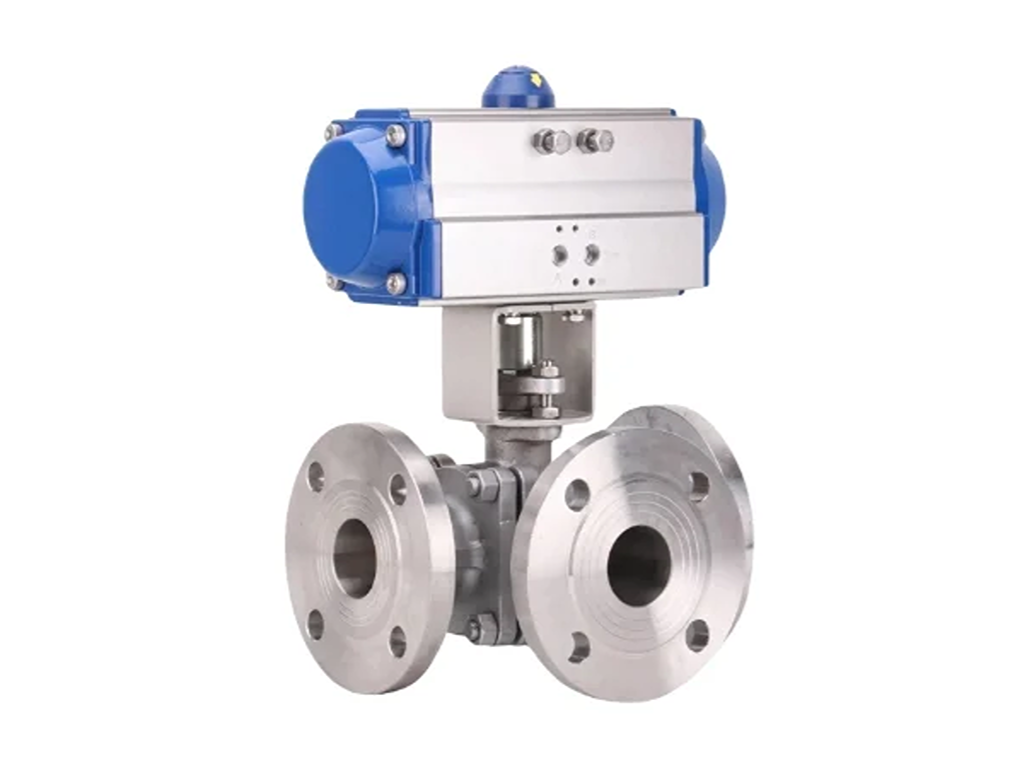
Les modèles à flotteur et à tourillon sont les deux types de vannes à bille les plus courants dans le secteur industriel. A flottant La bille est libre et utilise la pression de la conduite pour s'appuyer contre le siège situé en aval. Plus la pression est élevée, plus l'étanchéité est parfaite — ce qui signifie également que le fonctionnement à basse pression constitue le véritable défi en matière d'étanchéité. A tourillon La bille est maintenue par des supports fixes en haut et en bas, de sorte qu’elle ne dépend pas de la pression pour assurer l’étanchéité ; les modèles à tourillon permettent de supporter des pressions élevées (de la classe 150 à la classe 2500), de grands diamètres et des cycles fréquents, mais à un coût plus élevé.
Le matériau de l'embase qui enserre cette bille est choisi en fonction des fluides, et c'est là que se situent la plupart des défaillances prématurées :
Matériau du siège et conception de la bille : matrice des limites de service
| Service / Médias | Le bon choix | Où ça coince |
|---|---|---|
| Eau froide, usage général | Sièges en PTFE + bille flottante | Au-delà d'environ 180 °C, le PTFE se ramollit et subit un fluage à froid ; les milieux abrasifs le rayent. |
| Cuisson à l'huile chaude (165–170 °C) | RPTFE (sièges en PTFE renforcé) | Le PTFE pur se déforme à ces températures — le matériau renforcé résiste au fluage à froid |
| Produits chimiques agressifs | Sièges en Viton (FKM), corps en alliage | L'élastomère doit être adapté au fluide — un élastomère inadapté gonfle et se détériore |
| Vapeur / haute pression | Bille à tourillon, renforcée ou à sièges métalliques | Les balles flottantes présentent des fuites dans la vapeur à basse pression ; le matériau du siège se détériore rapidement en cas de surchauffe |
| Eau déionisée / eau sanitaire | SS304/316 + joints en Viton ou de qualité alimentaire | Les chlorures attaquent l'acier 304 ; utilisez l'acier 316 dans les environnements chlorurés |
Le principe : le choix du matériau du siège et de la conception de la bille se fait en fonction du fluide et de la température, et non en fonction du prix indiqué dans le catalogue. Un siège qui fonctionne bien dans l’eau froide peut céder en quelques mois sur une conduite d’huile chaude.
Niveau 2 — Orifices et alésages : à 2 voies, à 3 voies (L/T), à orifice en V, alésage complet ou réduit
C'est l'alésage traversant la bille qui détermine la capacité de la vanne à réguler le débit. À fond adapté au diamètre de la conduite — perte de charge minimale, nettoyage facile et le choix idéal lorsque le débit est un facteur déterminant. Alésage réduit est moins cher et plus courant dans les petites tailles. À trois Les raccords à bille sont dotés d'orifices internes en forme de L ou de T : un orifice en L permet de basculer le débit entre deux conduites, tandis qu'un orifice en T sert à mélanger ou à dériver le débit. Port en V Les billes (ou sièges) sont dotées d'une encoche en V qui détermine la courbe de débit, ce qui permet à la vanne de réguler le débit au lieu de simplement s'ouvrir et se fermer. Vous pouvez ignorer ces éléments, sauf si votre application les nécessite : 90% d'applications fonctionnent avec de simples vannes à deux voies.
Niveau 3 — Assemblage de la carrosserie : 1 pièce, 2 pièces, 3 pièces
C'est la structure anatomique qui détermine si la valve peut être réparée ou non. 1 pièce: une seule pièce moulée d'un seul tenant, le modèle le moins cher, composants internes inaccessibles — en fait, un produit jetable. 2 pièces: corps principal plus un raccord d'extrémité, réparable, mais la réouverture du raccord fileté peut entraîner un grippage. 3 pièces: les deux raccords d’extrémité sont vissés autour d’une section centrale amovible — il est ainsi possible de retirer le cœur et de remplacer les sièges, la bille et la tige sans démonter la vanne du tuyau. (Il existe d’autres configurations de corps de vanne : à accès par le haut pour un accès en ligne, à extrémités soudées pour les conduites fixes.) Les implications de cette conception en matière de réparation font l’objet d’une section distincte ci-dessous.
Couche 4 — Fonctionnement : manuel ou motorisé
La dernière couche pose la question suivante : qui tourne la tige ?. Manuel Les robinets à boisseau sphérique s'actionnent à l'aide d'une poignée : ils sont peu coûteux, ne dépendent pas d'une source d'énergie et conviennent parfaitement à un usage occasionnel. Actionné Les vannes à bille permettent de fixer un actionneur pneumatique ou électrique sur la bride standard ISO 5211 : un même corps de vanne peut ainsi passer du mode manuel au mode pneumatique ou électrique sans qu'il soit nécessaire de changer la vanne elle-même. C'est à ce stade que la plupart des acheteurs prennent leur première véritable décision, et ce sujet mérite donc une section à part entière.
Manuelle ou motorisée ? La fourche qui change la donne dans la liste des pièces de votre vanne à bille
Posez-vous trois questions. La vanne est-elle actionnée fréquemment ou reste-t-elle dans une position où personne ne passe ? Se trouve-t-elle dans un endroit isolé, en hauteur ou difficile d’accès ? Le système de contrôle de l’usine doit-il connaître sa position ? Si vous avez répondu « oui » à l’une de ces questions, vous décrivez une vanne motorisée — et cela modifie complètement la liste des composants.
Au-dessus des pièces du manuel, un deuxième ensemble de pièces apparaît. Le actionneur En ce qui concerne les actionneurs eux-mêmes : les actionneurs pneumatiques à crémaillère et pignon offrent généralement un couple compris entre environ 8 N·m et 4 678 N·m, tandis que les actionneurs électriques quart de tour peuvent atteindre 4 000 N·m, avec des temps de commutation inférieurs à une seconde pour les modèles pneumatiques. Viennent ensuite les accessoires : interrupteurs de fin de course transmettre la position de la vanne au système de commande, a électrovanne alimente en air les unités pneumatiques, et le fonctionnement modulé ajoute un positions. Deux caractéristiques techniques sont plus importantes que toute autre sur une vanne motorisée : l'adéquation entre le couple de l'actionneur et celui de la vanne (le couple de l'actionneur doit dépasser largement le couple de démarrage de la vanne), et l'interface ISO 5211 — ces deux éléments doivent figurer par écrit dans le devis.
Et l’automatisation devient la norme, pour trois raisons structurelles plutôt que par simple effet de mode. Premièrement, l’interface est normalisée : les brides ISO 5211 étant une norme publiée, une vanne manuelle achetée aujourd’hui peut être mise à niveau pour être actionnée l’année suivante sans avoir à remplacer la vanne — l’industrie pose ainsi les jalons de l’automatisation. Deuxièmement, les effectifs : les usines fonctionnent avec moins de personnel de maintenance par vanne, et une vanne commandée à distance évite un déplacement sur la ligne. Troisièmement, les données : la maintenance prédictive repose sur le retour d’information de position, et ce signal provient précisément des accessoires dont est équipée une vanne motorisée. Rien de tout cela ne signifie que les vannes manuelles sont obsolètes — un point de contrôle à faible cycle et à faible risque peut très bien fonctionner avec une poignée. Mais l’orientation du secteur est sans ambiguïté, et la liste des composants suit cette tendance.
Quelle pièce d'un robinet à boisseau sphérique tombe en panne en premier ? Guide de diagnostic des fuites
Commençons par le plus simple : dans la plomberie domestique, c'est l'endroit où se produit la fuite qui permet de déterminer quelle pièce est défectueuse. Dans le secteur industriel, les pièces tombent en panne parce qu'elles sont poussées au-delà de leurs limites. Les deux cas partent du même tableau de diagnostic.
Diagnostic des fuites sur une vanne à bille : quelle pièce est défectueuse ?
| Où se trouvent les fuites ? | Pièce suspecte | Pourquoi cela se produit-il ? | Réparer ou remplacer ? |
|---|---|---|---|
| Sous la poignée / au niveau de la tige | Joint torique de garniture ou de tige | Usure normale ; source de fuite #1 sur les vannes à bille | Réparation — commencez par resserrer l'écrou de garniture ; remplacez la garniture ou le joint torique si nécessaire |
| Au niveau de la soudure du corps ou du raccord d'extrémité | Joint d'étanchéité / joint d'étanchéité | Vieillissement des joints, serrage excessif des raccords | Réparation — refermer hermétiquement ; toutefois, les corps en deux parties peuvent présenter des traces de grippage au niveau du filetage lorsqu'on les rouvre, tandis que les corps monoblocs ne peuvent pas être ouverts du tout |
| La vanne ne se ferme pas hermétiquement lorsqu'elle est fermée | Sièges (ou balle marquée) | Particules de milieu abrasif endommageant la surface, usure du siège, déformation du siège | Réparer les sièges (modèle en 3 pièces : remplacement du corps sans démontage de la valve) ou remplacer la vanne dans son ensemble |
| Des fissures dans la structure même du bâtiment | Corps | Dégâts dus au gel, coup de bélier | Remplacer la vanne dans son ensemble — les fissures du corps de vanne ne peuvent pas être réparées |
La règle empirique en matière de réparation
C'est précisément là que la conception en un seul bloc prend tout son sens : une vanne monobloc dont le siège est défectueux est bonne pour la poubelle ; une vanne en trois parties dont le siège est défectueux ne nécessite qu'un remplacement du cœur en 20 minutes, sans même débrancher la conduite.
En service sur site, ces mêmes pièces tombent en panne selon une logique différente. Les sièges ne cèdent pas en raison de leur vieillissement, mais d’un inadaptage : une température du fluide supérieure à la limite du matériau du siège (le PTFE se ramollit), ou des particules et un écoulement abrasif qui endommagent la surface d’étanchéité. Lorsque les ingénieurs diagnostiquent une fuite sur une vanne à bille à vapeur, la cause réelle se trouve généralement en amont : un purgeur de condensats bouché, un coup de bélier ou un détarage de vapeur qui déforme le siège. Une fois déformé, un siège en amont peut être poussé hors de sa rainure lorsque la pression s’exerce derrière lui. Deux faits à retenir. Les billes flottantes assurent une meilleure étanchéité à haute pression ; c’est donc le fonctionnement à basse pression qui constitue le véritable défi ; autour de 80 psi, l’essai en usine « air-siège » est réputé pour être l’un des plus difficiles à réussir. Et chaque nouvelle vanne industrielle devrait être livrée avec des rapports documentés d’essais de pression et d’étanchéité. La norme API 598 est la procédure de référence du secteur pour l’inspection et les essais des vannes (Inspectioneering, API 598), et les valeurs nominales de pression et de température sont issues de la norme ASME B16.34.
Comment choisir les pièces d'une vanne à bille : une liste de contrôle pour l'acheteur
Liste de contrôle pour l'achat de pièces de vannes à bille
Que vous remplaciez une seule vanne ou que vous procédiez à une uniformisation à l'échelle de l'usine, consultez cette liste de contrôle. Chaque ligne correspond à la fois à une spécification et à une question à poser à votre fournisseur :
- Dimensions et classe de pression — Vérifiez le diamètre des tuyaux et précisez le système de classification de pression (PN, Class ou JIS ; ces unités ne se convertissent pas facilement).
- Fin de la connexion — filetés, à brides, soudés ou à colliers, adaptés à votre réseau de tuyauterie.
- Type de carrosserie — 1, 2 ou 3 pièces, à choisir en fonction du degré de réparabilité que vous attendez de la valve.
- Matériau des sièges — en fonction du milieu et de la température, à l'aide de la matrice de frontière ci-dessus.
- Conception de la balle — à flotteur ou à tourillon, les deux types les plus courants, choisis en fonction de la pression et du nombre de cycles.
- Actionnement — manuel, pneumatique ou électrique ; sur les vannes automatisées, l'actionneur, les interrupteurs de fin de course et l'électroaimant font partie de la liste des pièces ; veillez donc à vérifier l'alimentation en air, le couple et l'interface ISO 5211.
- Tests et documentation — demander les rapports d'essais de pression et d'étanchéité ainsi que les certificats de conformité des matériaux (MTC) avant d'accepter un lot.
- Pièces de rechange et délais de livraison — Vérifiez que les pièces de rechange et les kits d'emballage sont bien en stock, et renseignez-vous sur les délais de livraison des vannes en stock par rapport à celles fabriquées sur mesure.
Ne vous fiez pas uniquement au prix de la vanne pour comparer les devis. Tenez également compte de la disponibilité des pièces de rechange, de la documentation relative aux essais et des délais de livraison. C’est ce qui fait qu’un achat se transforme en coût d’exploitation sur cinq ans.
Transformer la liste de contrôle en demande de devis
Envoyez-nous vos conditions d'utilisation (fluides, température, pression) et recevez en retour la liste des pièces avec leur prix.
Demandez un devis correspondant aux caractéristiques techniques de votre vanneQuestions à poser à un fournisseur de vannes avant d'acheter
La liste de contrôle ci-dessus gagne en précision lorsqu’on l’applique à un fournisseur concret. Quatre questions permettent de distinguer les devis sur papier des vannes qui fonctionnent réellement :
- Montrez-moi les rapports d'essai. Les résultats des essais de pression et d’étanchéité conformes à la norme API 598, ainsi que les certificats de matériaux (MTC) pour le lot — un fournisseur incapable de les fournir pour la dernière livraison ne sera probablement pas en mesure de les fournir pour la suivante non plus.
- Quelle est votre politique en matière de pièces de rechange ? Avez-vous en stock des sièges et des pièces de rechange pour les tailles que vous vendez ? Certains éléments sont-ils couverts par la garantie ? Un siège qui tombe en panne un vendredi après-midi devrait pouvoir être remplacé d'un simple coup de fil, sans qu'il soit nécessaire de se lancer dans une procédure d'approvisionnement.
- Explique-moi comment procéder pour faire mon choix. Vos fluides, votre température et votre pression, pas une page de catalogue. Si l’ingénieur du fournisseur n’est pas en mesure d’associer votre application à un matériau de siège et à une conception de bille spécifiques, le devis n’est qu’une estimation.
- Pouvez-vous fournir des justificatifs concernant l'adéquation des couples ? Si la vanne est motorisée — et après avoir lu la section précédente, demandez-vous si cela est vraiment nécessaire —, la compatibilité du couple entre l’actionneur et la vanne ainsi que l’interface conforme à la norme ISO 5211 doivent être clairement mentionnées dans le devis. C’est souvent là que les solutions d’automatisation bon marché échouent sur le terrain.
Pour un fabricant dont l'activité principale porte sur les vannes motorisées, les actionneurs électriques et pneumatiques associés à des corps de vannes à bille, papillon et à passage droit, la réponse à ces quatre questions tient généralement en une seule conversation : il suffit de lui indiquer le fluide, la température et la pression, et la liste des pièces vous sera fournie, actionneur compris (la gamme de robinets à boisseau sphérique Voici un exemple concret : VINCER fabrique en interne ses vannes à commande électrique et pneumatique, avec des plages de couple d’actionnement allant de 8 N·m à 4 000 N·m sur des interfaces standard ISO 5211 ; ainsi, les spécifications de couple sont documentées et non pas supposées ; l’aide à la sélection couvre huit critères, du fluide transporté à la norme de raccordement ; les pièces de rechange sont gratuites pendant la période de garantie ; et les devis standard sont fournis sous 24 heures. Si votre liste de contrôle comporte des questions en suspens, c’est grâce à cet entretien que vous pourrez y répondre : demander un devis et testez le fournisseur comme vous le feriez pour la vanne.
Ce que les défaillances des vannes à bille enseignent aux distributeurs sur la rentabilité des vannes
En prenant un peu de recul par rapport à l’atelier, ces éléments prennent tout leur sens. Les trois situations qui caractérisent l’entretien des vannes à bille — un goutte-à-goutte sous la poignée, le choix entre “ réparer ou remplacer ”, et la fuite qui réapparaît après une réparation — nous en apprennent chacune un peu plus sur la conception de la vanne, et chacune d’entre elles représente un poste de dépense dans le bilan financier d’un distributeur. Une fuite sous la poignée indique que la garniture a été correctement installée et serrée au couple prescrit. La décision de “ réparer ou remplacer ” n’existe que parce que quelqu’un a choisi un corps en une, deux ou trois pièces ; la possibilité de réparation a été déterminée au moment de l’achat, et non au moment de la panne. Quant à une fuite qui réapparaît, elle signifie que la pièce de rechange n’était pas adaptée à l’application : un matériau de siège choisi en fonction du prix plutôt que de la température, ou une bille flottante appelée à assurer l’étanchéité dans une application pour laquelle elle n’a pas été conçue.
Pour les distributeurs et les grossistes, cette succession d’enseignements constitue en soi une stratégie produit. Lorsqu’une équipe de maintenance remplace des sièges tous les quelques mois, cela signifie que le matériau du siège a été mal choisi — c’est un retour et une réclamation au titre de la garantie qui ne manqueront pas de se produire. Lorsqu’une vanne tombe en panne à basse pression, cela signifie que sa conception n’était pas adaptée à l’application. Lorsque l’usine ne dispose ni de pièces de rechange ni de rapports d’essais archivés, cela signifie que le processus d’achat a omis de poser les questions essentielles. On n’achète pas des vannes uniquement en fonction de leur pression nominale. On les achète en fonction de matériaux adaptés à l’application, d’essais documentés et d’une politique de pièces de rechange qui permet de limiter les temps d’arrêt.
Et cela met en évidence où se trouve l'argent. Une vanne nue s'apparente à un produit de base : prix catalogue, marges faibles et acheteurs comparant trois devis côte à côte. La valeur d'ingénierie se situe un cran au-dessus — dans l'unité assemblée, où l'adaptation du couple, l'alignement des interfaces, le comportement de sécurité intégrée et l'intégration des commandes ne peuvent pas être chiffrés à partir d'un catalogue. C'est pourquoi la rentabilité suit la demande en automatisation : chaque vanne qui devient motorisée passe de la catégorie des produits de base à celle de l'ingénierie.
Conseil pratique pour un distributeur : faites en sorte que le passage d’un système manuel à un système motorisé devienne un sujet de conversation courant, et non une simple demande. Stockez des ensembles actionneur-vanne assortis plutôt que des vannes seules, afin que la mise à niveau puisse être livrée dans la même semaine au lieu de devenir un projet d’approvisionnement. Et exigez de vos fournisseurs qu’ils répondent aux quatre questions de la section précédente — rapports d’essais, politique en matière de pièces de rechange, aide réelle à la sélection, couple documenté — car chacune d’entre elles représente un coût que vous devrez sinon supporter sous forme de réclamations au titre de la garantie et de perte de clients. Le fournisseur qui répond à ces quatre questions ne se contente pas de vendre des vannes ; il vend la structure de marge sur laquelle repose votre activité.
Faites examiner le cahier des charges de votre vanne par des ingénieurs
Un seul entretien suffit pour transformer votre liste de contrôle en un devis avec des pièces adaptées — standard ou sur mesure, avec une politique de pièces de rechange incluse.
Demandez un devisRéférences
- Inspectioneering. “ API 598 — Inspection et essais des vannes. ” inspectioneering.com