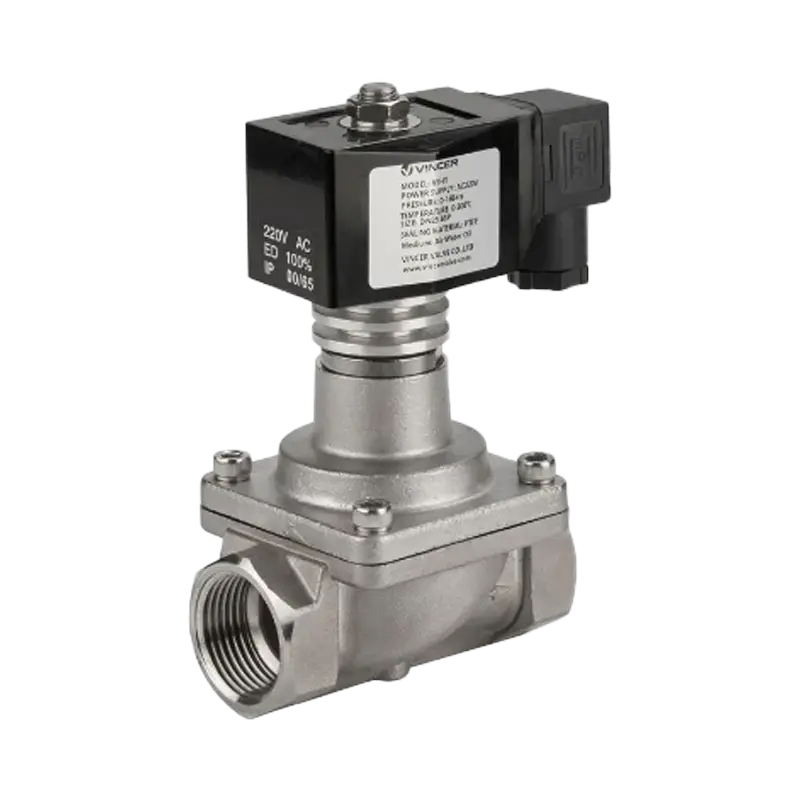
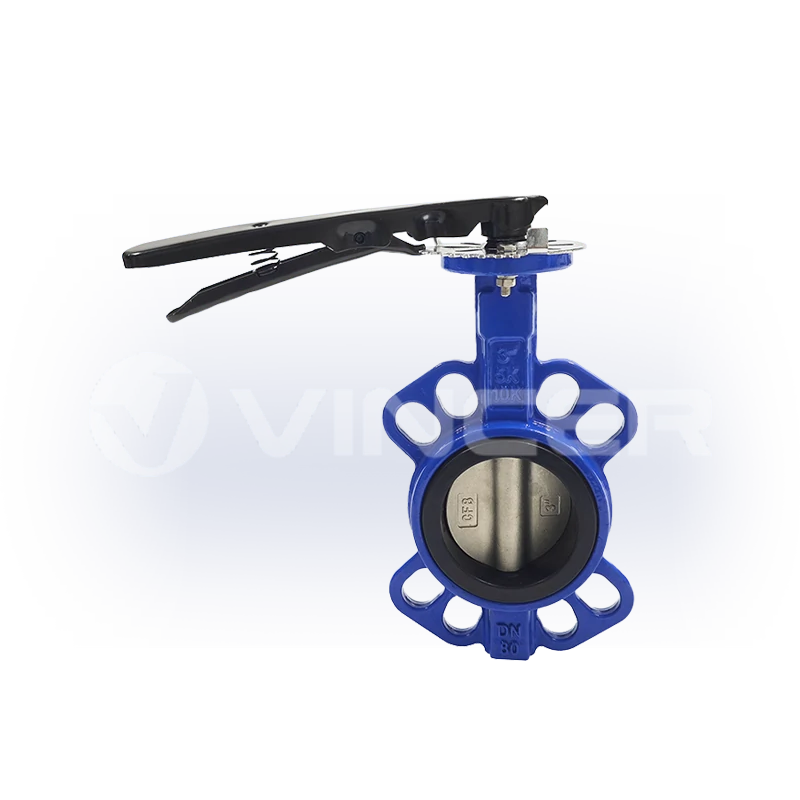
Search “butterfly valve price” and you’ll find a 2-inch PVC valve for $51 and a commercial-grade 4-inch valve for $2,945. Both are real, both are called “butterfly valves.” That gap isn’t a scam or a mistake. It’s the product of five variables that almost nobody explains. This guide walks the whole price map in the order a buyer actually thinks: what prices look like, what types exist and why they cost what they cost, when automation pays, and how to verify the price you’re quoted.
Butterfly Valve Price Ranges by Size: 2″–8″ Quick Reference
Prices below are real market ranges compiled from U.S. distributors’ published prices and replacement-cost data, checked August 2026. They are guides for budgeting, not quotes: factory/bulk pricing runs a different ladder (see the price list section later).
| Size | Body Material | Retail Price (each) | Bulk / Factory (50+) | Notes |
|---|---|---|---|---|
| 2″ | PVC | $51–$90 | $25–$45 | Irrigation-grade (Irrigation King) |
| 2″ | Cast iron / ductile iron | $120–$260 | $60–$130 | Wafer, lever; SS316 adds 80–150% |
| 2.5″ | Cast iron / ductile iron | $140–$300 | $70–$150 | Less common, usually quoted, few retail listings |
| 3″ | Cast iron / ductile iron | $180–$380 | $90–$190 | Eagle: 3″ CI/SS replacement $350–$800 |
| 3″ | Stainless steel (304/316) | $400–$900 | $200–$450 | Sanitary/FDA adds 10–30% |
| 4″ | Cast iron / ductile iron | $200–$460 | $100–$230 | Apollo 4″ lug DI $262 (Cooney Brothers) |
| 4″ | Stainless steel | $500–$1,200 | $250–$600 | Eagle: 4″ SS pneumatic $500–$1,200 |
| 6″ | Cast iron / ductile iron | $240–$470 | $120–$240 | CI wafer $150–$237, DI wafer $248–$470 (Irrigation King, ValveMan, USABlueBook) |
| 6″ | Lug, epoxy iron + SS disc | $737 | — | hdpesupply, lug adds 10–20% vs wafer |
| 8″ | Cast iron / ductile iron | $290–$500 | $150–$250 | CI wafer gear $293 (Irrigation King) |
| 8″ | Lug, epoxy iron | $1,300+ | — | hdpesupply |
| 8″ | Stainless steel | $1,000–$2,500 | $500–$1,200 | — |
| 10″ (250 mm) | Cast iron / ductile iron | $450–$800 | $250–$400 | 250 mm = 10″, metric buyers check this |
| 10″+ | Stainless / high-pressure | $2,000+ | $1,000+ | Commercial HVAC reaches $1,624–$2,945 (Belimo list) |
Three things jump out of this table. First, size matters less than material: an 8-inch cast-iron wafer valve ($293) costs less than a 3-inch stainless sanitary valve ($400–$900). Second, connection style adds a predictable tax: lug runs 10–20% over wafer, flanged 20–40% over lug. Third, the retail price you see is 1.8–2.5× the factory price for the same valve. That gap is distribution, not quality. If you’re budgeting a project with more than a few valves, you should be looking at the bulk column from day one.
That spread isn’t random; it’s the product map. The next section puts the whole butterfly valve family on one board: three structural layers, one price map.
Butterfly Valve Types: Three Structural Layers, One Price Map
A butterfly valve is one product family built from three structural layers: how it seals, how it mounts, and who turns it. Every type on the market is a branch of one of these layers, and each branch moves the price. Understand the three layers once, and you can price any butterfly valve you’ll ever be quoted.
Seating Structure: Concentric, Double Offset, Triple Offset
Seating structure is how the disc seals against the seat: the first and largest price axis.
- The concentric (resilient-seated) design is the workhorse, and the ⭐ most common butterfly valve on the market: the disc presses straight into an elastic seat (EPDM, PTFE, Viton), and this is the $51–$470 range in the table above. It fails fast in high temperature, aggressive chemicals, and frequent cycling; the seat wears, then leaks.
- Double offset designs put the stem off-center in two axes, so the disc lifts off the seat before rotating. Less seal wear and better longevity cost roughly +30–80% over concentric, useful for mid-pressure service needing better sealing.
- Triple offset (metal-seated) valves use three offsets plus a metal-to-metal seat: the disc seals like a gate closing, surviving heat, corrosion, and zero-leakage requirements where rubber gives up. Typically 2–4× the concentric price, and only worth it where resilient seats fail: high temperature (metal seats survive roughly -196°C to 600°C+), corrosive or erosive media, or zero-leakage duty. In plain water or HVAC service it’s wasted budget. ⭐ Premium niche.
Connection Structure: Wafer, Lug, and Flanged
Connection structure is how the valve mounts into the pipeline: the second price axis.
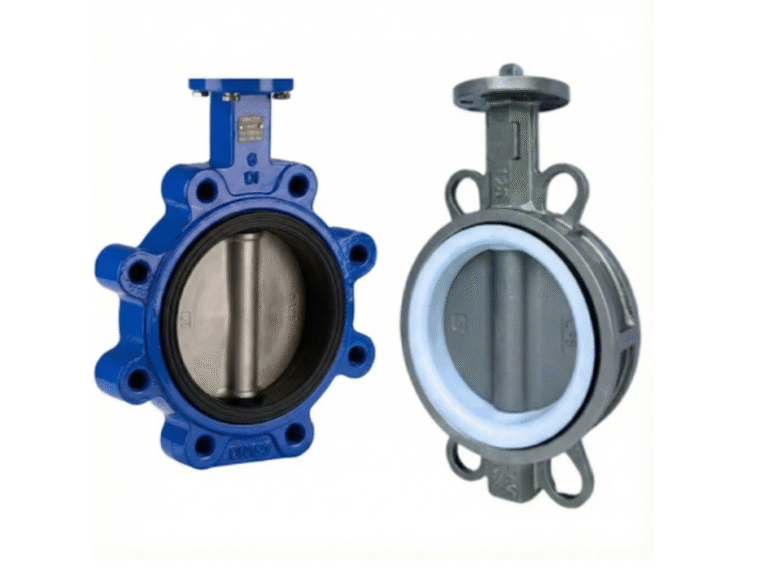
- Wafer is the ⭐ most common and cheapest: the valve sits between two flanges, clamped by the pipe bolts. Compact, light, and the default for water, HVAC, and general industry.
- Lug is the service-friendly option: bolts thread through the valve’s own lugs, so one pipe side can be opened while the valve stays sealed on the other. Adds roughly 10–20%, worth it for dead-end and maintenance-access lines.
- Flanged is the heavyweight: full double-flange bolting for large bores and higher pressure. Adds 20–40% over wafer, but more stable on big pipe.
Operation Structure: Manual, Pneumatic, Electric
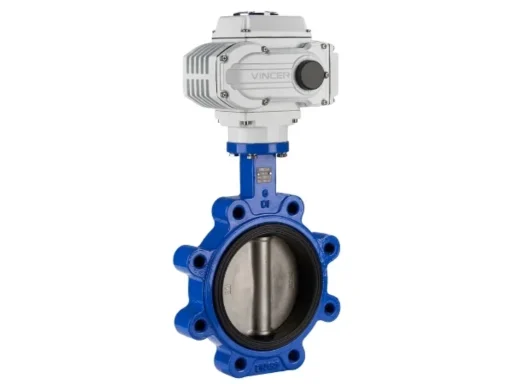
The third layer is who turns the disc: a lever or gearbox by hand, a pneumatic actuator on compressed air, or an electric actuator on a motor. The operation layer is where the price jumps hardest: an actuated butterfly valve typically costs 2–5× its manual equivalent. Whether that jump is worth it is the biggest decision in this article, and the next section answers it head-on.
| Butterfly Valve Type | How It Seals | Typical Applications | Price Level (vs. resilient wafer) | When It Doesn’t Pay / Fails |
|---|---|---|---|---|
| Concentric (resilient-seated) | Disc presses into elastic seat (EPDM/PTFE/Viton) | Water, HVAC, general industry | Baseline ($) | Fails fast in high temperature, aggressive chemicals, frequent cycling |
| Double offset | Disc lifts off the seat before rotating | Mid-pressure service needing better sealing | +30–80% | Rarely justified in mild duty |
| Triple offset (metal-seated) | Metal-to-metal sealing via three eccentric offsets | Oil & gas, steam, chemical, high-temperature lines | 2–4× | Overkill for plain water service, wasted budget |
| Wafer / lug / flanged | Mounting method (between flanges / bolted ears / double flanges) | All services | wafer base; lug +10–20%; flanged +20–40% | Lug only needed for dead-end / maintenance access |
What Actually Drives a Butterfly Valve Price: 6 Cost Drivers
The type map explains which class of valve you’re paying for. Six cost drivers explain why the same class still spans 2–3×. Once you can read a quote through these six lenses, you can compare any two suppliers on equal terms.
| Cost Driver | Impact on Price | Rule of Thumb |
|---|---|---|
| 1. Body material (cast iron → ductile iron → SS304/316 → duplex) | Doubles to triples | SS316 runs +80–150% over cast iron; duplex/exotic alloys higher |
| 2. Seat & seal material (EPDM → NBR → PTFE → Viton → metal) | Up to 3× | EPDM is the economy standard; Viton typically 2–3× EPDM; metal seats (triple-offset) add 2–4× |
| 3. Connection style (wafer → lug → flanged) | +10–40% stepwise | Wafer is cheapest and most compact; flanged is most expensive |
| 4. Pressure class & standard (PN10/16 → Class 150/ANSI) | +15–30% | Higher class = thicker body, heavier trim; API 609 governs butterfly valves |
| 5. Certifications (FDA, CE, SIL, ATEX) | +10–30% | Required (not optional) for food, pharma, gas; FDA/3A adds 10–30% (Eagle) |
| 6. Actuation (lever → gear → pneumatic → electric) | Doubles to 5× | The biggest single multiplier, covered next section |
Two warnings matter beyond the table. First, butterfly valves are the budget valve of the valve world: at the same diameter they’re typically 30–50% cheaper than gate valves and lighter than ball valves, which is why water, HVAC, and wastewater projects default to them (valteccn, 2022). But the cheapness has a boundary: resilient-seated butterfly valves top out at roughly PN25/Class 150 and lower temperatures than a gate valve. If your line is high-pressure steam or high-temperature service, the butterfly valve’s price advantage stops applying; that’s not a defect, it’s the spec sheet working.
The second warning: don’t let “cheap” be the whole conversation. A leaky seat that fails after three years of service costs more in labor and downtime than the valve itself. That’s the quiet anxiety behind most price-focused searches (Eng-Tips forum discussion).
Cheap is only cheap on paper. Ask for material spectroscopy reports, pressure test records, and wall-thickness inspection, the documents that keep a cheap valve from becoming an expensive one.
Manual vs Actuated Butterfly Valves: When Automation Pays
An actuator is the motorized head that opens and closes the valve automatically: pneumatic ones run on compressed air, electric ones on a motor. Add one and the valve price typically jumps 2–5×. That’s why “how much does a motorized butterfly valve cost?” is one of the most asked (and worst answered) valve questions online.
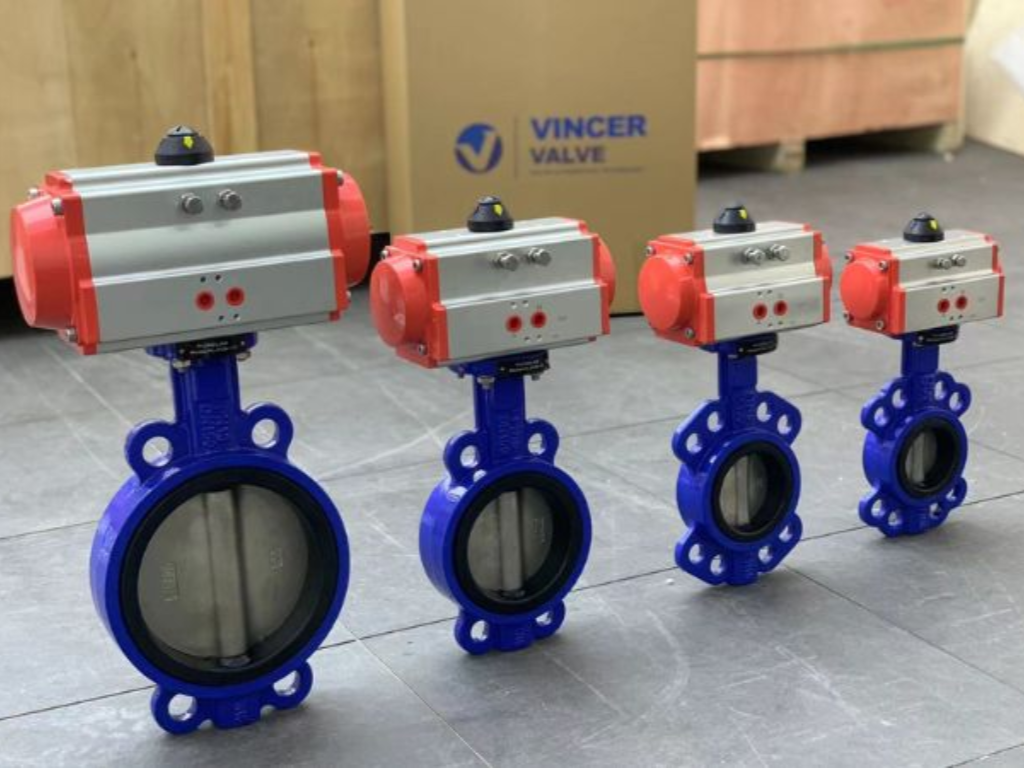
So when does the jump pay for itself? Automation is a requirement, not a luxury, when you need remote or centralized control (a control room closing valves across a plant), frequent operation (a cleaning cycle cycling a valve dozens of times a day), hazardous environments (pneumatic actuation needs no electricity at the valve, which is why gas and chemical plants default to it), or process precision (modulating flow instead of just open/closed). It doesn’t pay when the valve is touched rarely, the bore is small, and the budget is the whole story: a lever-operated valve on a low-use branch line is still the right call.
And here’s the trend worth noting: the automation layer is the fastest-moving segment of the industrial valve market, according to long-running market forecasting that tracks up to 800,000 individual valve forecasts (McIlvaine Company). Remote operation, shrinking maintenance crews, and process-control integration are pushing the default from “manual” toward “actuated”; the same forces standardized actuator-to-valve mounting interfaces across the industry. If you’re specifying valves for anything that will be operated more than a few times a week, you’re already designing for actuation.
Pneumatic vs Electric: Choosing the Actuated Butterfly Valve Package
Decided to automate? Then the real choice is which actuator, pneumatic or electric, and the two packages cost very differently. Pneumatic packages run on plant compressed air and respond fast. Replacing or specifying a pneumatic butterfly valve costs roughly $300–$1,500+ total, depending on size, material, and certification (Eagle Fittings, 2025):
- Valve only: $200–$1,200; 2″ runs $200–$500, 3″ $350–$800, 4″ $500–$1,200
- Actuator adds roughly $200–$600 depending on torque; spring-return (fail-safe) adds ~10–20% more
- Cast iron/aluminum packages: $200–$600; stainless 304/316 packages: $400–$1,200; sanitary 316L with FDA/3A certification: $506–$850
One selection rule matters more than any price number: pneumatic actuators are chosen by torque, not by valve size. A rack-and-pinion actuator’s torque range (for reference, common double-acting models span roughly 8 to 4,678 N·m, spring-return 5.7 to 2,792 N·m, with sub-second response in smaller sizes and typical service of -20°C to +80°C at up to 8 bar, per pneumatic actuator specifications) is what determines both fit and cost. Ask for torque at your line pressure, not “an actuator for a 4-inch valve.”
Electric packages cost roughly 30–50% more than equivalent pneumatic ones, and they’re slower (open/close cycles typically run 20–100 seconds). You pay that premium for three things: no air supply needed (no compressor, no dry-air system), bigger torque (quarter-turn units reach 4,000 N·m, multi-turn 10,000 N·m in common industrial ranges), and remote control integration (modulating signals, position feedback). For a food plant with no compressed-air room, or a pipeline needing centralized valve control, electric is the cheaper total answer even though the price tag is higher: you have to count the air system you didn’t need to buy.
Don’t forget protection class: waterproof (IP67/IP68) and explosion-proof models (ATEX / Ex d IIC T6) sit at the top of the price ladder, and in gas or chemical service they’re non-negotiable rather than optional extras.
That spec-first approach is where a manufacturer earns the price difference. VINCER builds its own actuators: electric quarter-turn units to 4,000 N·m and multi-turn to 10,000 N·m, explosion-proof (2,000 N·m) and waterproof variants, plus rack-and-pinion pneumatic actuators from 8 to 4,678 N·m (spring-return 5.7 to 2,792 N·m) with sub-second response. Valve and actuator are matched in-house, so the torque you’re quoted is verified against your line pressure instead of guessed from the valve size. Options like ON/OFF, modulating, auto-return, timer, and intelligent WiFi control are standard conversation, not a special project. See the electric and pneumatic actuated valve range or request a quote with your spec sheet.
Factory Price List vs Real Price: The 5-Step RFQ Verification
Once you know what you’re buying, the next trap is the price itself: the factory list you’re quoted is not the price you’ll pay. Two things stand between the list and the landed price: what the list actually covers, and where the 30% gap between Chinese OEMs and Western brands comes from. Then the checklist at the end locks it all down.
What a Factory Price List Actually Contains (and What It Doesn’t)
A real factory list typically shows: base price by standard material and seat configuration; a size/pressure step ladder; connection-style differentials; certification options (+10–30%); MOQ and volume tier pricing; and a lead-time commitment. Everything else lives outside the list: special-material surcharges, testing and documentation, export packaging, freight, and custom drawings. The “price list” you ask for should come with a second page of assumptions.
Lead time is a price component. In bulk buying, published commitments like 5 working days for stock items and ~20 working days for custom orders (pneumatic valve FAQ, 2026) separate a project that hits its schedule from one that doesn’t; Western-brand equivalents commonly run a month or more.
Chinese OEM vs Western Brands: Where the 30% Gap Comes From
The same butterfly valve, same material, same certification, built by a Chinese OEM, typically lands 30% cheaper than a Western-brand equivalent, sometimes more: an American sanitary valve maker openly prices its FDA/3A-certified 316L packages 30–50% below premium European brands (Eagle Fittings, 2025). The gap comes from three structural things, not quality: factory-direct sales (no distributor + retailer markup of roughly 30–50% total), vertical integration (casting, machining, assembly in one plant), and scale economics.
What you must verify instead of assuming: material certificates (MTC for raw and finished material), pressure test reports, real certifications (CE, RoHS, SIL, FDA, ISO 9001: check the numbers, not the logos), and a lead-time commitment written into the order. Suppliers that answer these with documents rather than promises are the ones worth the freight risk.
For a factory quote that follows this structure (MTC and pre-shipment inspection photos included), get a factory quote. A supplier that publishes its stock and custom lead times in writing, as the pneumatic valve FAQ above does, is quoting in good faith.
RFQ Checklist: 5 Steps to a Real Butterfly Valve Price
- Lock your three specs: size, connection style, and media (temperature/pressure/corrosiveness). Everything else follows from these.
- Set your budget band from the size table above, and discard quotes that sit far outside it.
- Quote 2–3 factories with an identical spec sheet: size | pressure class | connection standard | body/seal material | actuation | quantity | destination port.
- Ask for documents: MTC material certificate, pressure test report, certification copies, pre-shipment photos/videos.
- Confirm the landed price: MOQ, lead time, packaging, freight (FOB vs CIF differs 5–15%), payment terms. The landed price is the real price.
What Butterfly Valve Pricing Really Says About the Valve Market
By now the numbers tell a consistent story, and it’s worth reading them back as a market rather than as price tags. The same 2″–8″ sizes span a 5–10× range. That’s because a butterfly valve quote is the product of five independent variables: body, seat, connection, certification, actuation. Buyers who price only the headline number are comparing apples to oranges. Butterfly valves are structurally cheaper than gate and globe valves at the same diameter (30–50%), which is why large-diameter, budget-sensitive projects default to them. Automation now decides the real ticket: an actuated valve costs 2–5× a manual one, and actuator torque, protection class, and certification, not valve size, drive the price.
For distributors and project buyers, that price structure maps onto two very different businesses, and the money is not where you’d guess. The volume line is commoditizing. A resilient-seated concentric wafer valve is the workhorse, and everyone makes it; the margins sit in inventory, freight, and quote speed, and they get thinner every year. The profit line is automation. A bare valve plus actuator becomes an engineered assembly (torque matching, mounting interface, fail-safe, control integration), and that engineering value cannot be priced by a catalog. It’s the same 2–5× multiplier from earlier, now read as margin instead of cost, and it sits in the market’s fastest-moving segment (McIlvaine Company). The stance here is deliberate: a distributor who keeps shaving $30 off the same wafer valve is defending a shrinking line; the ones building an actuated-valve offering now are the ones with a growth story to sell next year. For project buyers, the same logic applies in reverse: certification files and test reports are purchase conditions, not paperwork, and the landed price (freight, MOQ, documentation) is the real price.
For buyers who want a supplier that treats selection as engineering rather than price matching: VINCER applies an in-house 8-dimension selection process (media, temperature, pressure, connection standard, control method, body material, industry specifics) before anything is quoted, sizes the valve and its actuator as one system, returns simple RFQs within 24 hours and multi-product projects within 48, and ships stock items in 5 working days. If that matches how you want to buy, compare their butterfly valve range against your current shortlist and request a quote. Same week, same spec sheet.
Get a Factory-Direct Butterfly Valve Price List
Send your size, connection style, media, and quantity, and receive a price list, MTC material certificates, and lead times (stock 5 working days, custom ~20).
Request a QuoteReferences
- McIlvaine Company. “Industrial Valves: World Markets.” mcilvainecompany.com