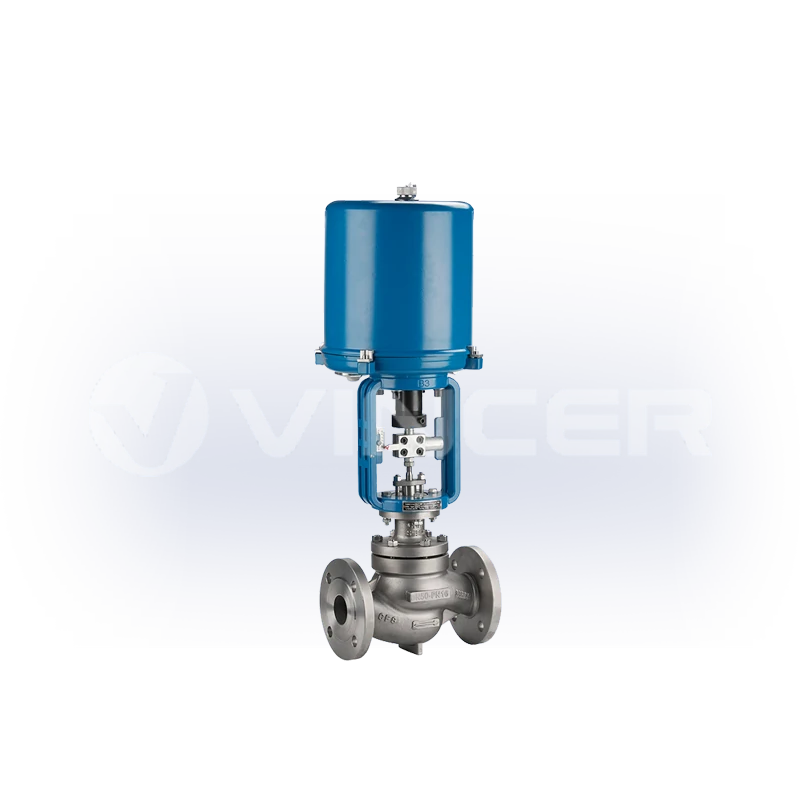
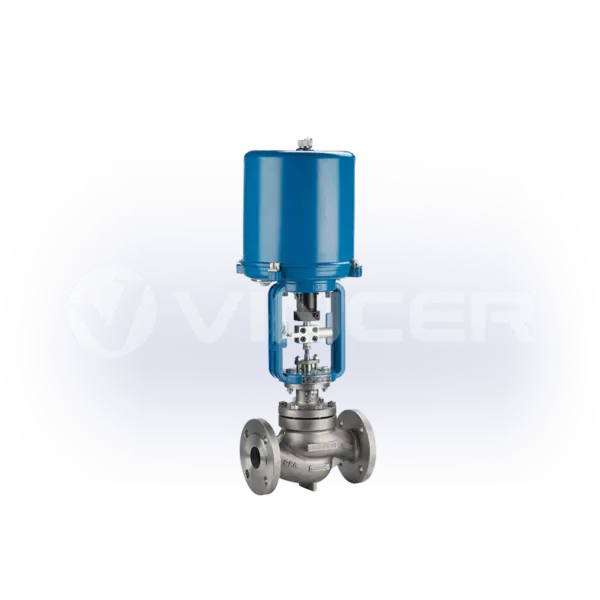
For applications that need controlled adjustment rather than simple open/close switching. Linear plug movement makes electric globe valves well suited to regulating flow, pressure or temperature.
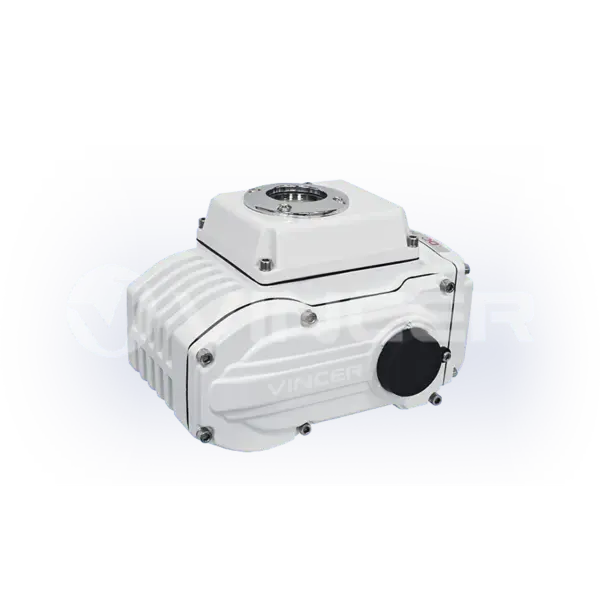
Including quarter-turn, multi-turn, explosion-proof, and waterproof models tailored for diverse industrial applications.
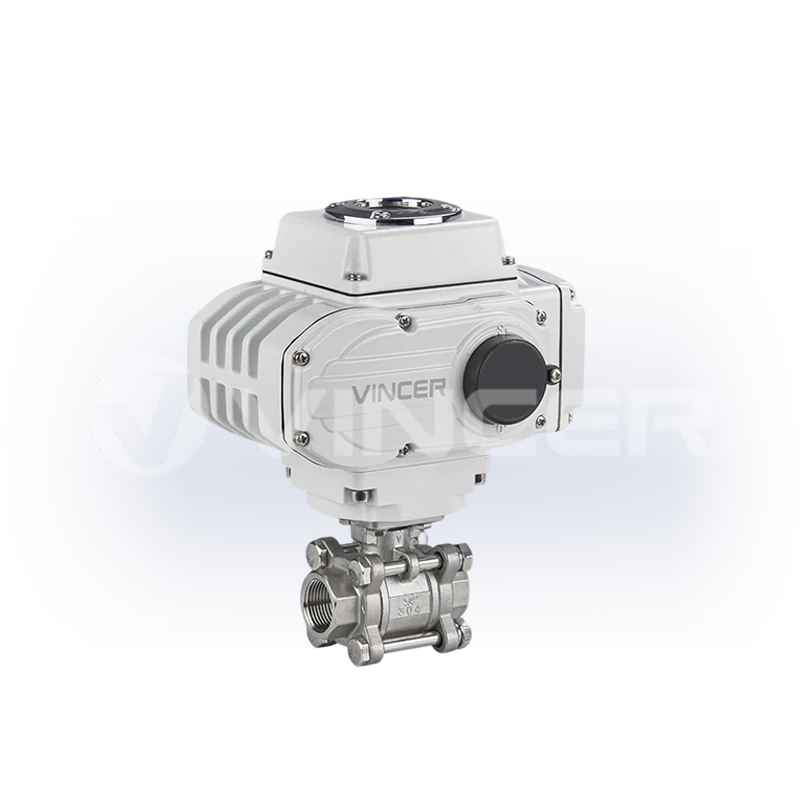
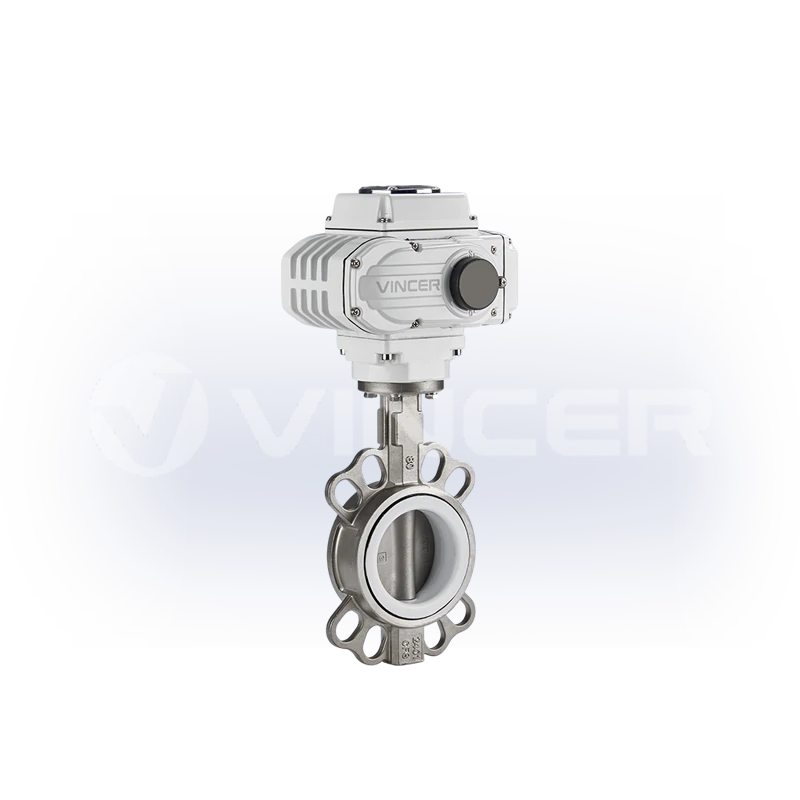
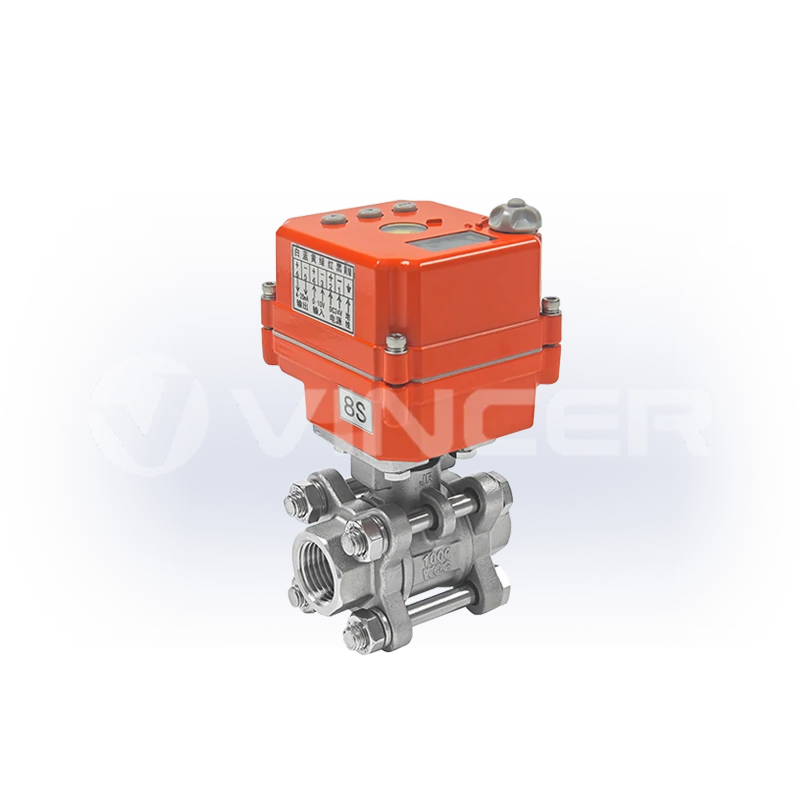
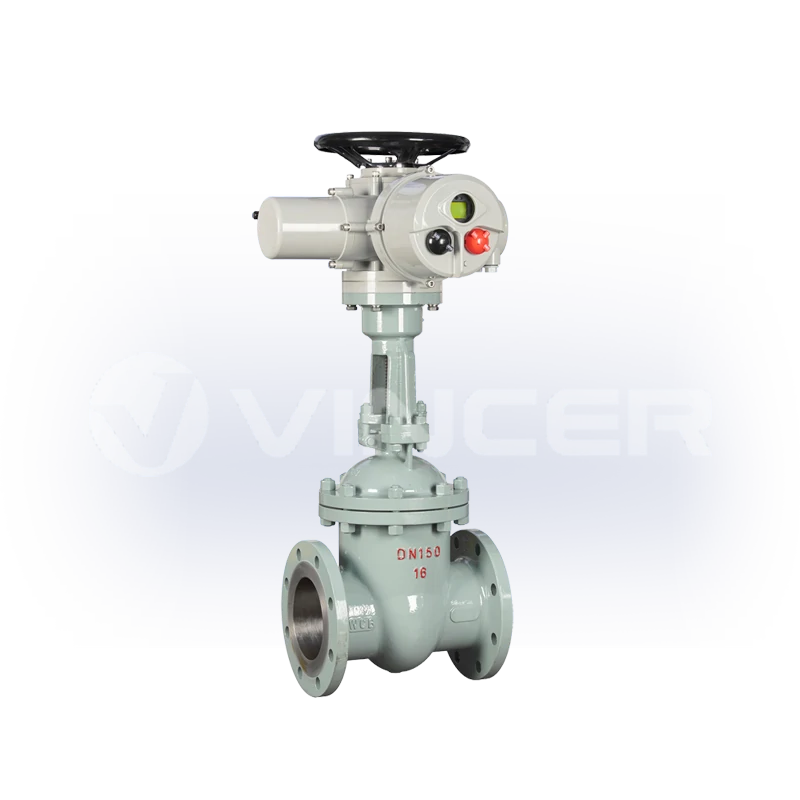
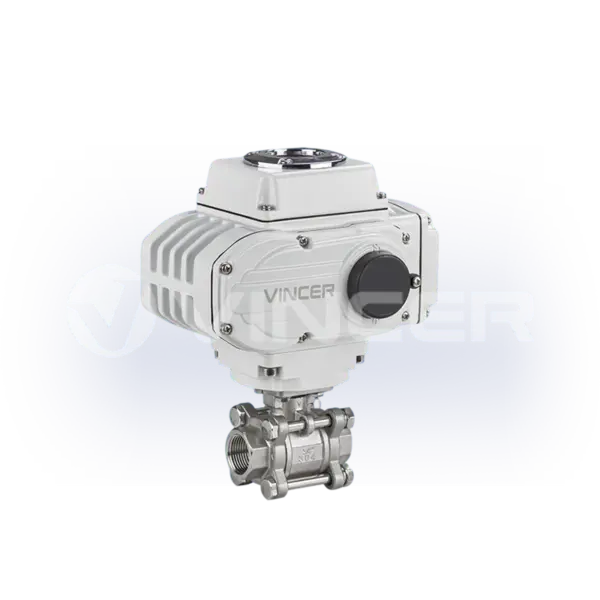
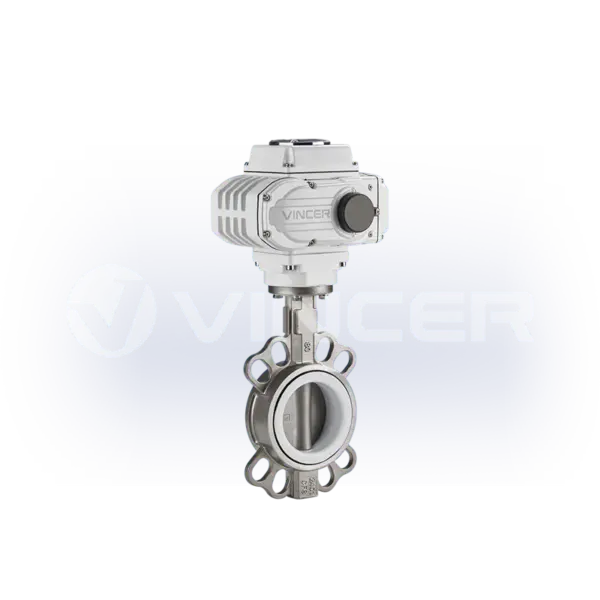
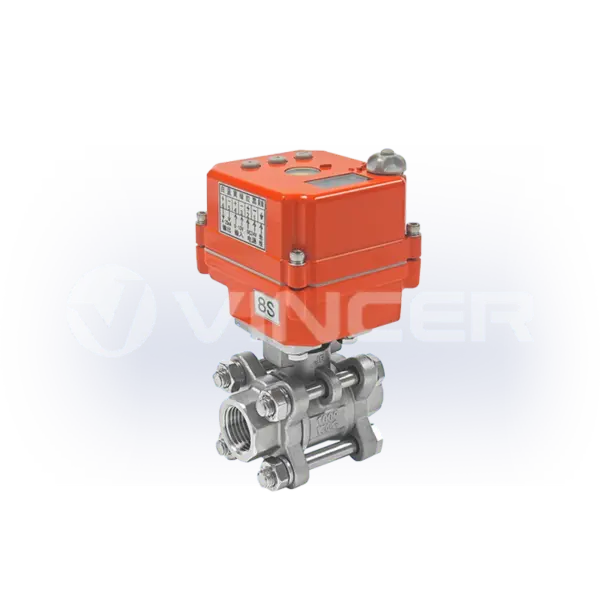
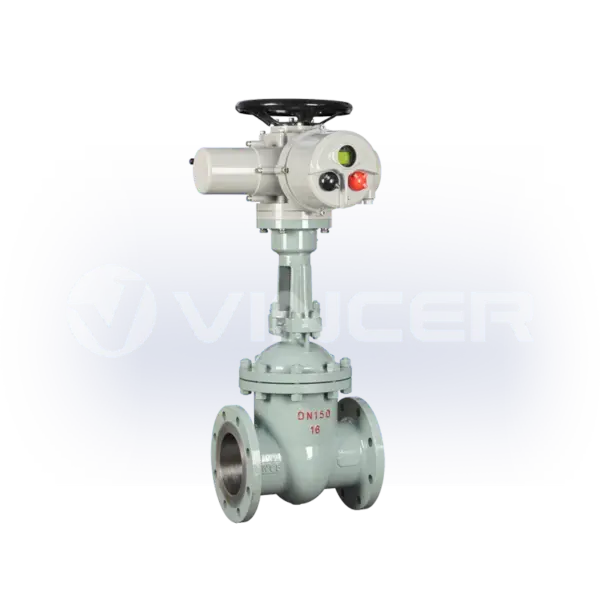
An electric actuated valve combines a valve body with an electric actuator, allowing the valve to open, close or adjust flow remotely without manual operation at the pipeline. This type of automated valve solution is commonly used where reliable electric valve automation and centralized control are required.
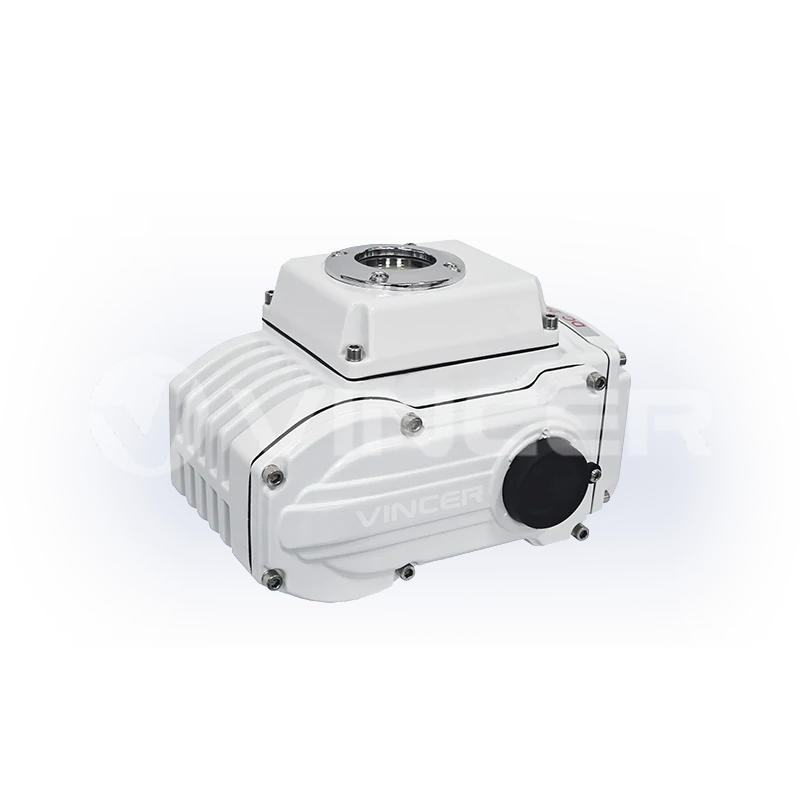
VINCER provides electric actuated valves with quarter-turn, multi-turn and linear actuation options for different valve movements. Depending on the selected electric actuator model, features can include torque outputs up to 4,000 Nm, AC or DC voltage options, position feedback modules and control interfaces for easier integration with automated valve control systems.
For simple isolation duties, on/off control moves the valve between fully open and fully closed positions. When adjustable flow control is required, modulating actuators can respond to control signals and hold intermediate positions. Valve type, actuator configuration and available options can be matched to different industrial automation requirements.
VINCER electric actuated valves are widely utilized across sectors like water treatment, oil & gas, HVAC, and industrial automation. They are engineered to meet the demands of high-precision flow control while ensuring operational safety and reliability in harsh industrial environments.
Precise regulation of intake and drainage systems. Ideally suited for pharmaceutical processing, water purification, or sewage treatment, our valves support seamless remote automation and centralized management.
Optimized for oil/gas transmission, wellhead control, and tank level regulation. Our explosion-proof (Ex-rated) configurations ensure maximum safety and long-term reliability in hazardous, high-risk conditions.
Optimizing hot/cold water and steam flow for building climate control. Designed for energy efficiency and stable temperature regulation in large-scale commercial and industrial facilities.
Facilitating media transport and flow regulation for chemical and light industries. Fully compatible with modern PLC/DCS automation systems to enable high-precision, intelligent production cycles.
Start with the valve duty.
For remote shutoff or diversion, a ball or butterfly valve is often the starting point. For adjustable process control, consider a suitable globe or control valve.
Match the line conditions.
Pipe size, pressure, medium, temperature and connection type determine the suitable valve body, seat and connection options.
Choose how the valve should be controlled.
Confirm the available power supply and whether the valve needs simple on/off operation or modulating control. Position or status feedback can be added where the control system requires it.
Check the installation environment.
Consider available space, outdoor or washdown exposure, hazardous-area requirements and any required valve position after power loss. These conditions affect actuator and enclosure selection.