Oggi, le valvole a sfera motorizzate sono indispensabili per i sistemi di controllo dei fluidi e rivestono un ruolo fondamentale nel miglioramento dell'automazione in quasi tutti i settori, offrendo un'ampia gamma di applicazioni. Non si limitano a un semplice controllo on/off, ma consentono un controllo preciso e un'ottimizzazione. In questa guida spieghiamo tutto ciò che c'è da sapere sulle valvole a sfera motorizzate, affinché possiate prendere le decisioni giuste in base alle vostre esigenze e trovare l'opzione migliore
Che cos’è una valvola a sfera motorizzata?
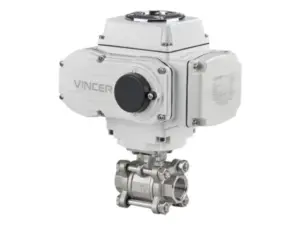
Gli attuatori elettrici controllano le valvole a sfera motorizzate ruotando una sfera per aprire o chiudere le valvole. A differenza delle valvole ad azionamento manuale, questi dispositivi, noti anche come valvole a sfera attuate o valvole a sfera elettriche, che gestiscono fluidi, liquidi e fanghi, vengono azionati a distanza. Questo miglioramento aumenta notevolmente l’efficienza e la precisione. Un attuatore elettrico riceve un comando e, a sua volta, alimenta un motore sincrono che aziona un gruppo ingranaggi. Lo stelo della valvola, collegato a un gruppo ingranaggi, viene ruotato in senso orario o antiorario, solitamente fino a un angolo retto o di un certo grado, consentendo così il flusso del fluido. All’interno del corpo della valvola si trova una struttura sferica dotata di un foro che può essere ruotata per aprire, chiudere o limitare il flusso dell’acqua o di qualsiasi altro liquido. Immaginate il vostro sistema di tubazioni dotato di un “braccio” automatizzato che obbedisce ai comandi impartiti. Questo è ciò che fa una valvola a sfera elettrica (ovvero la sua funzione).
Tipi di valvole a sfera motorizzate
Le valvole a sfera motorizzate possono essere suddivise in diverse tipologie per soddisfare esigenze e condizioni diverse. Ecco come vengono classificate:
- In base alla funzione di controllo:
- Valvole di apertura/chiusura: Sono le più semplici e le più diffuse. Permettono di aprire o chiudere completamente il flusso del fluido.
- Valvole di regolazione modulanti/proporzionali: Sono dotate di posizionatori intelligenti. Sono in grado di eseguire con precisione il controllo e di modificare l’angolo di apertura della sfera in base ai segnali ricevuti (4-20 mA, 0-10 V). Ciò garantisce un controllo più accurato della portata. È come se la valvola fosse dotata di una “manopola di regolazione fine’ che consente una migliore regolazione del fluido.
- In questo contesto è possibile integrare configurazioni specifiche, come un sistema di ritorno automatico del cavo o un semplice ritorno automatico del cavo, per garantire un funzionamento a prova di guasto.
- Per numero di porte:
- Valvole a 2 vie: Questi sono i modelli più comuni. Sono costituiti da un’entrata e un’uscita. Il flusso è regolato in una sola direzione.
- Valvole a 3 vie: Sono dotate di tre porte. Consentono un controllo del flusso più complesso, poiché possono deviare, unire o commutare i percorsi del fluido per consentire un instradamento più articolato.
- In base al materiale della carrozzeria:
- Ottone: Questo materiale è più economico ed è adatto ai fluidi comuni come l'acqua e l'aria, nonché ai liquidi non corrosivi.
- Acciaio inossidabile (SS304/SS316): Questo materiale presenta una buona resistenza alla corrosione ed è adatto all'uso con fluidi altamente corrosivi. Viene inoltre impiegato nell'industria alimentare e in quella chimica, settori che richiedono elevati standard igienico-sanitari e materiali anticorrosivi.
- UPVC/Plastica: Si tratta di un materiale a basso costo adatto a fluidi altamente corrosivi, quali acidi e alcali.
- Per tipo di connessione:
- Raccordi filettati: È un tipo comune per le valvole di piccole dimensioni e facile da installare; spesso si utilizzano filettature per tubi come l'NPT.
- Raccordi flangiati: Utilizzati per valvole di grandi dimensioni e in condizioni di alta pressione. Garantiscono un collegamento più resistente.
- Collegamenti a morsetto: Utilizzato comunemente per prodotti alimentari e articoli per l'igiene.
Per una visione d'insieme più chiara, è riportata una tabella.
| Classificazione | Caratteristica | Descrizione |
| Funzione di controllo | Acceso/Spento | Apre o chiude completamente il percorso del fluido |
| Modulante/Proporzionale | Controlla con precisione l'angolo della sfera per regolare il flusso | |
| Numero di porte | A 2 vie | Una entrata, una uscita; controllo unidirezionale |
| A 3 vie | Tre porte: per deviare, combinare o commutare | |
| Materiale della carrozzeria | Ottone | Fluidi comuni, convenienti |
| Acciaio inossidabile (SS304/SS316) | Fluidi corrosivi, igiene alimentare | |
| UPVC/Plastica | Fluidi altamente corrosivi, costi inferiori | |
| Tipo di connessione | Filettati, flangiati, a morsetto | Adatto a diversi tipi di tubi e a diverse esigenze di pressione |
Vantaggi della valvola a sfera motorizzata
L'utilizzo di una valvola a sfera motorizzata offre diversi vantaggi importanti.
In primo luogo, la capacità di automatizzare e gestire i processi da remoto. È semplice da utilizzare con un DCS/PLC. L’automazione dei flussi di lavoro ha permesso alle operazioni senza personale di diventare più avanzate, sofisticate ed efficienti, riducendo notevolmente il carico di lavoro manuale.
In secondo luogo, è importante controllare i fluidi e prevenire i colpi d’ariete. Le valvole a sfera motorizzate sono in grado di controllare la portata in modo più efficace rispetto alle elettrovalvole. Il modo graduale in cui si aprono e si chiudono previene i colpi d’ariete e contribuisce a proteggere l’impianto di tubazioni, aumentando così la durata delle apparecchiature. Questo processo avviene in modo fluido, proprio come un direttore d’orchestra esperto guida un gruppo di musicisti. Caratteristiche come il ritorno automatico via cavo possono essere fondamentali in caso di interruzione di corrente, garantendo la sicurezza del sistema.
Le valvole a sfera motorizzate sono efficienti anche dal punto di vista termodinamico. Ad esempio, gli attuatori elettrici consumano energia solo quando sono in movimento e rimangono fermi quando raggiungono la posizione massima o minima. Le elettrovalvole, invece, consumano energia per mantenere la propria posizione.
Inoltre, le valvole a sfera motorizzate sono note per la loro robustezza e affidabilità. La loro capacità di funzionare in ambienti industriali difficili contribuisce a garantire la stabilità e una maggiore durata del sistema.
Applicazioni industriali comuni

Le valvole a sfera motorizzate sono ampiamente utilizzate in una vasta gamma di applicazioni in numerosi settori industriali grazie alle loro eccellenti prestazioni:
- Desalination and Water Treatment: They precisely control chemical dosing, ensuring water quality.
- Trasformazione alimentare: Hygiene and precision in the flow of products is vital to maintain the quality of the output.
- HVAC Systems (Heating, Ventilation, and Air Conditioning): Used for zone heating, hot/cold water circulation, and duct air control. This saves energy and improves comfort.
- Industria chimica: They manage fluids or gases under high corrosive pressure and endure great aging strength with high corrosion resistance, reliability and corrosion resistance.
- Mining and Metallurgy: They manage the abrasive fluids like slurries and liquids and gases under pressure and corrosive fluids.
- Petrolio e gas: Allowed automation for the pipelines transport oil and gas as well as separation subject to strict safety guidelines for explosion proof design.
- Power Industry: Applied in the transportation of gases as well as in cooling and water systems of power plants.
- Equipment Manufacturing: They serve as main parts in several automated systems for precise fluid control.
Choosing The Right Motorized Ball Valve
Selecting the right motorized ball valve for your system is critical for smooth operations. Here are primary considerations while selecting. It is like tailoring a suit for your project:
- Media Characteristics: Think about the type of fluid as water, oil, gas, slurry, its temperature and pressure, how corrosive it is, how viscous and if it contains particles. They help decide what materials are used for the body, ball, seat and what pressure ratings and seal types are needed.
- Flow Needs: The valve size is determined by the preset flow rate.
- Requisiti di controllo: Would you require a simple on/off command or a detailed flow control? This will mark you for a modulating motorized ball valve or an on/off equivalent.
- Power Supply Voltage: Choose the right actuator voltage (e.g., AC 24V, AC 220V, DC 24V) based on your site’s power.
- Condizioni ambientali: Consider ambient temperature, humidity, dust, need for explosion proofing (e.g., ATEX certification), and ingress protection (IP rating).
- Connection Type and Standards: Choose based on your pipe threads (threaded, flanged, clamped) and required standards (e.g., ANSI, GB, DIN, JIS). Common fittings types include NPT.
- Special Function Needs: Is there a need for manual overrides? Signals for feedback concerning position loss? Fail-safe operations like power-off auto-return? Also consider the required torque for the actuator.
Installation, Maintenance And Troubleshooting
Correct installation, regular maintenance, and effective troubleshooting are crucial for your motorized ball valve’s long-term performance and reliability.
Installation Guide
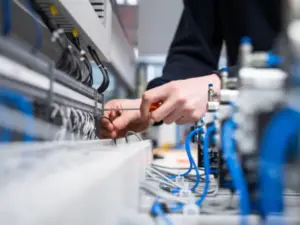
Proper installation ensures the valve operates as intended and prevents future problems.
- Prepare the Site: Cleaning the surrounding area and removing debris, welding slag, or other foreign particles in the piping system is essential for the smooth functioning of the valve as well as preventing blockages in the flow.
- Check Valve and Piping: Make sure the valve is streamlined with the system’s flow. Stub ends should also be visible and aligned which provide proper support without putting the valve body under stress.
- Connect the Valve: Use appropriate sealing methods for your connection type (e.g., Teflon tape for threaded connections, proper gaskets for flanged connections). Tighten all connections to prevent leaks.
- Electrical Wiring: Follow the manufacturer’s wiring diagram exactly. Make sure the power supply voltage matches the actuator’s requirements. Connect control signals correctly for proper automation; for instance, identifying the blue wire for specific connections is vital. Incorrect wiring can damage the actuator or lead to unsafe operation.
- Allow Space: Clear enough space is critical around the valve which will allow for easier access during maintenance, alterations, overrides manually if needed in certain conditions.
Maintenance Tips
Regular maintenance extends the life of your motorized ball valve and ensures peak performance.
- Visual Inspections:Conduct an inspection of any signs of leakage, physical damage like surface corrosion, and damage to the casing of the motorized ball valve. Also examine the actuator enclosure, as well as, the electric connection.
- Electrical Checks: Make sure that the electric connections are properly fastened and that the electric insulation is not damaged. Under-tightened terminals risk the equipment sustaining an electric overload and burning due to erratic functioning.
- Cleaning: Keep the valve’s exterior clean. Dust, dirt, and debris can affect the actuator’s cooling and potentially lead to mechanical issues over time.
- Calibration (for Modulating Valves): If installed with a modulating valve, follow the manufacturer’s preset parameters to ensure accuracy in flow measurement and control.
- Lubrication: Refer to the specific manual if some actuators have specified lubrication requirements.
Troubleshooting Common Issues
Problems can emerge even with correct maintenance and proper installation. Here’s a simple guide to fix them:
- Valve Not Moving:
- Check Power: Is there power to the actuator? Use a multimeter to confirm voltage.
- Check Control Signal: Is the control signal (e.g., 4-20mA, voltage, discrete signal) reaching the actuator?
- Check Fuse: Does the actuator have an internal fuse that might be blown?
- Manual Override: Can the valve be operated manually? If not, there might be a mechanical obstruction or a problem with the valve body itself.
- Valve Not Fully Opening/Closing:
- Limit Switch Adjustment: The actuator’s end switch limits might need adjustment. Refer to the manual for calibration.
- Excessive Pressure: High differential pressure across the valve might prevent full movement. Check system pressures.
- Debris/Sticking: Foreign particles in the fluid or corrosion might be obstructing the ball’s movement. Consider cleaning or flushing the system.
- Valve Leaking:
- External Leaks: Check pipe connections for proper sealing. Ensure flange bolts are tightened correctly.
- Internal Leaks (Seat Leakage): This usually means the valve seat or the ball surface is worn, damaged, or has debris lodged in it. This often requires valve repair or replacement.
- Stem Leakage: The packing or seals around the valve stem might be worn. These may need tightening or replacement.
- Unusual Noise from Actuator:
- This could indicate worn gears, a faulty motor, or an issue with the power supply (e.g., undervoltage). Consult the manufacturer’s guide or a technician.
If there are difficult problems or if the solution isn’t straightforward, always check the relevant product guide or get in touch with the manufacturer’s helpdesk.
How to Select a Reliable Supplier?
The success of your project, along with its operations, largely depends on the reliable motorized ball valve supplier you choose.
Qualities of a Reliable Supplier
A good supplier will have the following qualities:
- Expertise and Reputation: These attributes stem from and accompany the length of experience and standing a supplier has in the market. Look for companies with proven track records.
- Certificazioni complete: The supplier should have, as a minimum, industry and international certificates. They indicate that the industry’s products and services meet the required standards.
- Excellent Customized Solutions: You may also get a valve that is customized for your specific needs. This is in addition to the standard products every reliable supplier provides. They need to know the industry well to consider your requests accurately.
- Efficient Response and Delivery:In the business world, every second is important. For suppliers, the speed of providing quotes, pre-sales and after-sales assistance, as well as delivery times, are very important.
- Competitive Cost-Effectiveness: Excellent performance and reliable service, coupled with reasonable pricing, aids in preventing costly issues long-term.
- Complete After-Sales Service and Technical Support: A good supplier supports their partners continuously from the beginning of the partnership to the subsequent long-term usage of the system. Effective problem prevention and all-inclusive support are crucial.
Why Choose VINCER?

Since 2010, VINCER has focused on automated valve solutions and has provided industry expertise for over a decade to clients such as FESTO, TAMESON and VEOLIA. Their reputation with customers highlights their important position in the industry. VINCER ensures quality by providing CE, RoHS, SIL and FDA certified motorized and pneumatic valves and by having an ISO9001 certification for quality management. Eight important areas are used to filter custom requirements, including medium analysis, medium pressure analysis, temperature analysis, control methods, material requirements, connection standard, medium opening/closing time and installation position and space. VINCER’s 12-hour response guarantee is faster than the industry average, providing instant quotes, quick support and standard FRD for off-the-shelf items in a week to ten business days, with custom orders delivered in fifteen to thirty days. If you need urgent help, you can get priority and fast services. By concentrating on ‘doing more with less,’ VINCER cuts down on costly after-sales support by providing both affordable and high-quality products and detailed solutions. All customer issues are handled well within the support system, with the engineering team preventing problems and providing spare parts, phone assistance and on-site help for key tasks.
Conclusione
At present, motorized ball valves are one of the most important parts of fluid control. Automation helps make complex processes easier to operate. Because these valves are effective and efficient, they help reduce the costs of running the plant. Many things must be considered when choosing a motorized ball valve, including the application, the reputation of the suppliers, the specifications and the type of valve. Good luck with your selection.