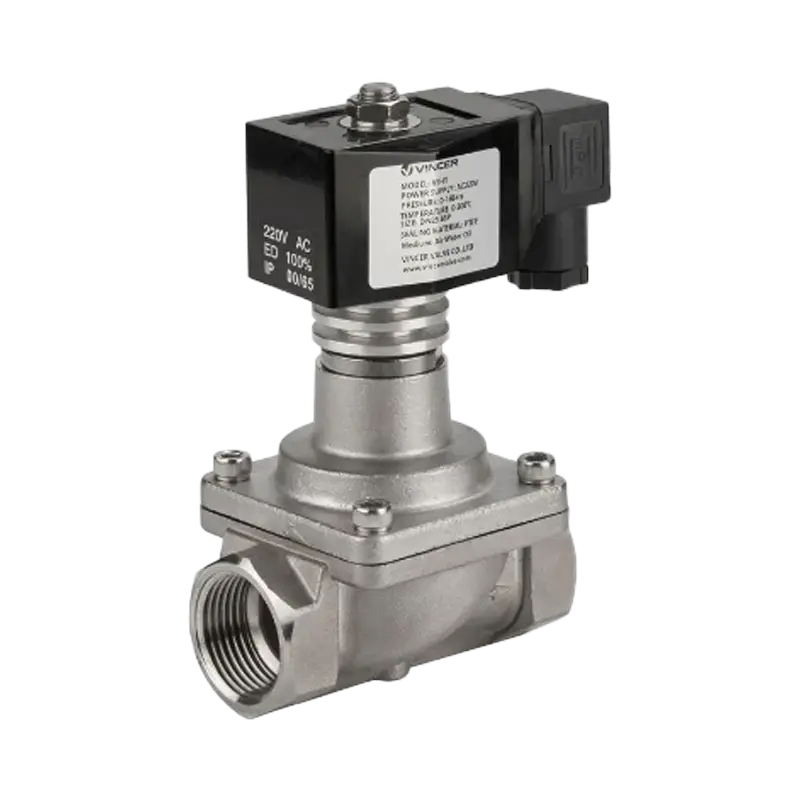
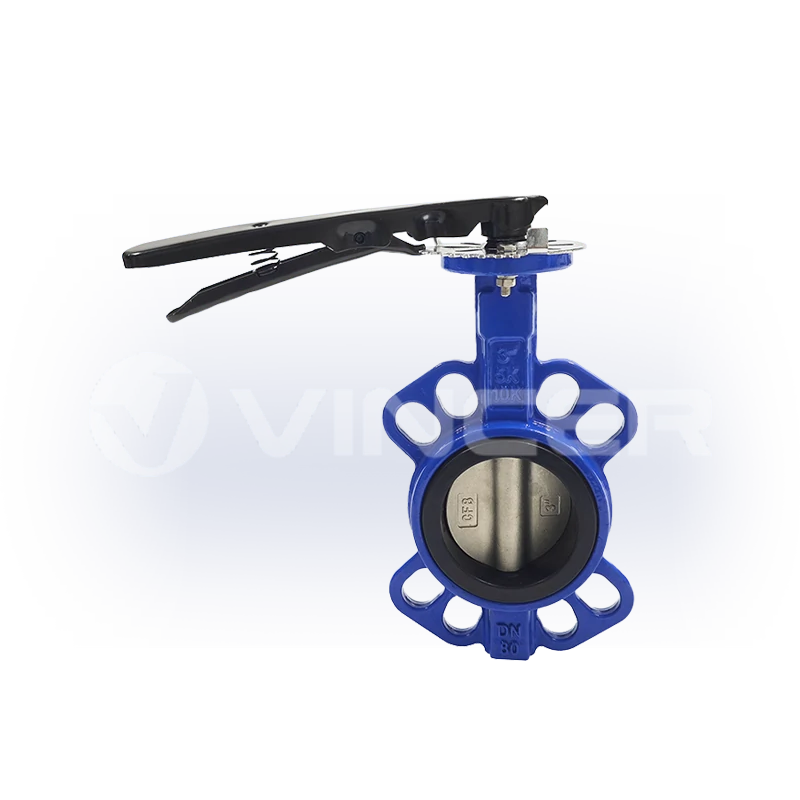
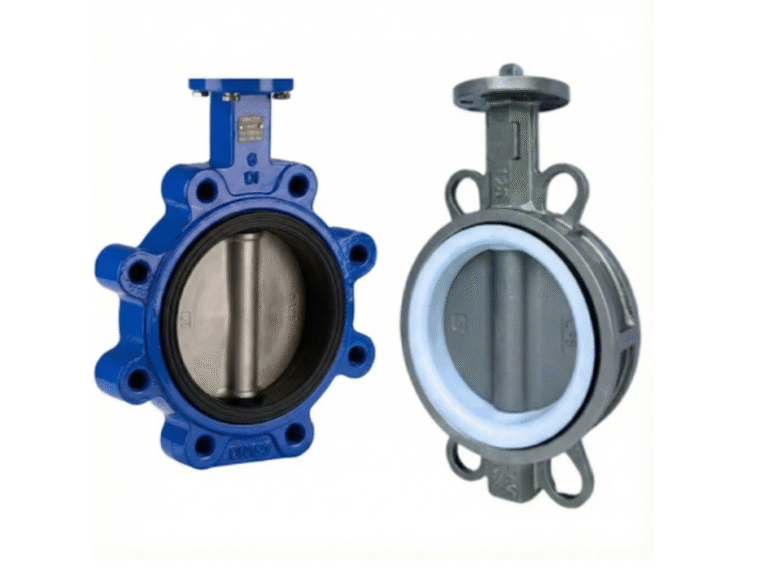
Wenn Sie in letzter Zeit nach “Magnetventil Preis” gesucht haben, kennen Sie das Problem bereits: Auf einer Website wird ein 2-Wege-Ventil für $13 angeboten, auf einer anderen das “gleiche” Ventil für $400, und auf einer dritten geht es eigentlich um ein Autoteil. Magnetventile für die Fluidtechnik reichen von etwa $10 bis $600+, eine Doppelseite im Format 60× für Produkte, die auf Fotos fast identisch aussehen.
Artikelnummer: Einfache industrielle 2-Wege-Ventile sind erhältlich unter ein bis drei Jahre. Ein Preis unterhalb dieser Spanne ohne beiliegendes Datenblatt deutet in der Regel auf ein Ventil in Marktplatzqualität hin.
Die ehrliche Antwort gleich zu Beginn: Ein einfaches 2-Wege-Industrie-Magnetventil kostet etwa $30–$90, während Spezialventile (für hohe Temperaturen, hohen Druck, hygienische Anwendungen und explosionsgeschützte Bereiche) $200–$600+. Der Unterschied liegt nicht im Marketing. Es kommt vielmehr auf messbare Unterschiede hinsichtlich Typ, Größe, Material und Belastbarkeit an. Dieser Leitfaden erläutert jeden einzelnen Punkt anhand realer, nachprüfbarer Marktwerte, damit Sie wissen, was Sie bezahlen und was Sie verlangen sollten.
Eine kurze Anmerkung, bevor wir loslegen: In diesem Artikel geht es um Magnetventile für die Fluidsteuerung (Wasser, Luft, Gas, Dampf, Chemikalien). Wenn Sie nach einem Kosten für den Austausch des VVT-Moduls oder des Getriebemagnetventils eines Autos (die Preisangaben $150–$600, die Sie dafür sehen werden), handelt es sich um eine völlig andere Produktfamilie, deren Preis Arbeitsaufwand und Diagnose umfasst. Verwechseln Sie die beiden nicht; der Rest dieses Leitfadens bezieht sich auf Fluidsteuerungsventile.
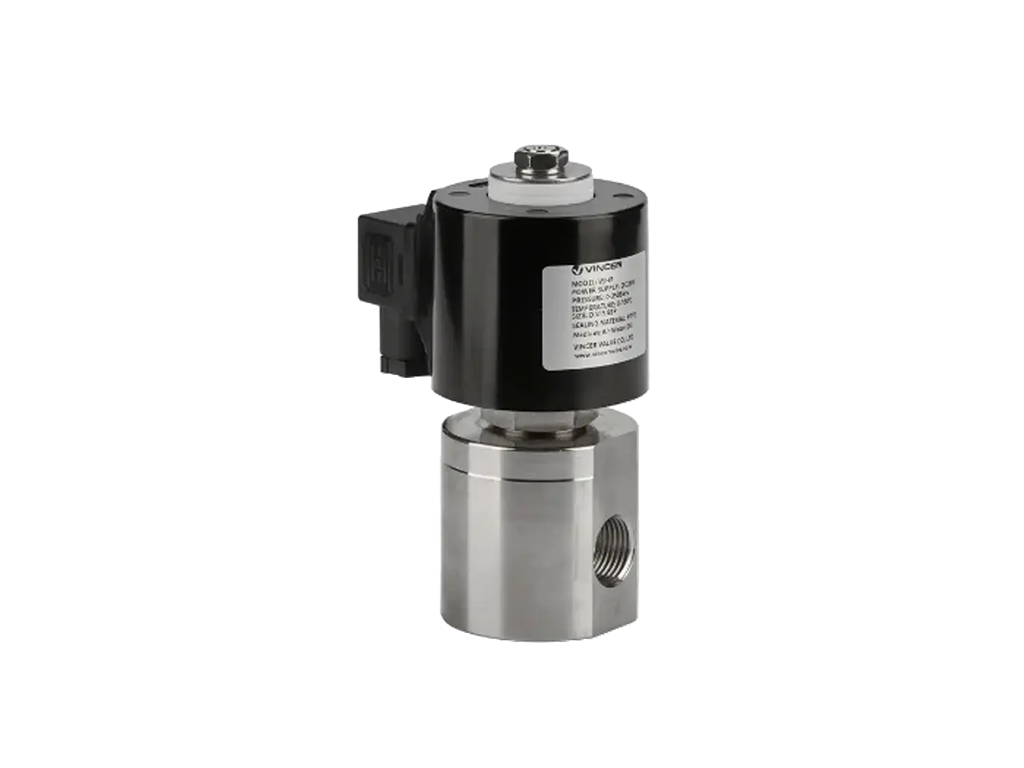
Magnetventilpreise auf einen Blick: Von $10 bis $600+
Hier finden Sie die Preisübersicht für vier Preisstufen. Bitte betrachten Sie diese als realistische Preisspannen und nicht als Festpreise. Die Preise von Valve richten sich nach den Materialkosten, den Wechselkursen und dem Auftragsvolumen.
Die vier Preisklassen von Magnetventilen
| Preisstufe | Typisches Produkt | Preisspanne | Wer kauft es? |
|---|---|---|---|
| Heimwerken / Allzweck | 1/2-Zoll-Universalventil aus Messing (Angebote bei Amazon und Walmart) | Eins, zwei, drei, vier, fünf, zehn, zwanzig, dreißig | Hausbesitzer, Hobbyprojekte, Bewässerung |
| In gewerblicher Qualität | 1/2″–1″ Messing, 2-Wege-Anschluss nach Industriestandard | Ein bis drei Jahre | Klempner, Reparatur von Geräten |
| In Industriequalität ★ Ausgangspunkt für die Beschaffung | 1/2″–2″ Messing oder Edelstahl, mit Gewinde oder Flansch | eins bis vierhundertvierzig bis einhundertfünfzig | OEM-Hersteller von Anlagen, Wasseraufbereitung |
| Fachgebiet | Hochtemperatur, Hochdruck, hygienisch, explosionsgeschützt | $200–600+ | Kessel/Dampf, Lebensmittel- und Pharmabranche, chemische Verarbeitung |
Drei bewährte Marktanker sorgen dafür, dass diese Spannen realistisch bleiben: Ein direkt aus China stammender industrieller 2-Wege-Sender wird zu eins, zwei, vier, vier, zwei, vier, zwei, vier, zwei, vier, zwei, vier, zwei, vier, zwei, vier, zwei, vier, zwei, vier, zwei, vier, zwei, vier, zwei, vier, zwei, vier, zwei, vier, zwei, vier, zwei, (ATO.com); MSC führt pneumatische Magnetventile von eins bis drei acht eins (MSC Industrial); und ein 2-Zoll-Edelstahl-Dampfmagnetventil läuft eintausendvierhundertsiebenundvierzig zu sechshundertfünfunddreißig (electricsolenoidvalves.com).
Woher kommt also der 60-fache Bereich? Aus drei Faktoren: Ventiltyp, Größe und Werkstoff sowie Betriebsbedingungen (Druck, Temperatur, Zertifizierungen). In den folgenden Abschnitten werden diese einzelnen Faktoren näher beleuchtet.
Wie der Ventiltyp den Preis beeinflusst: 2-Wege-, 3-Wege- und 5/2-Wege-Ventile
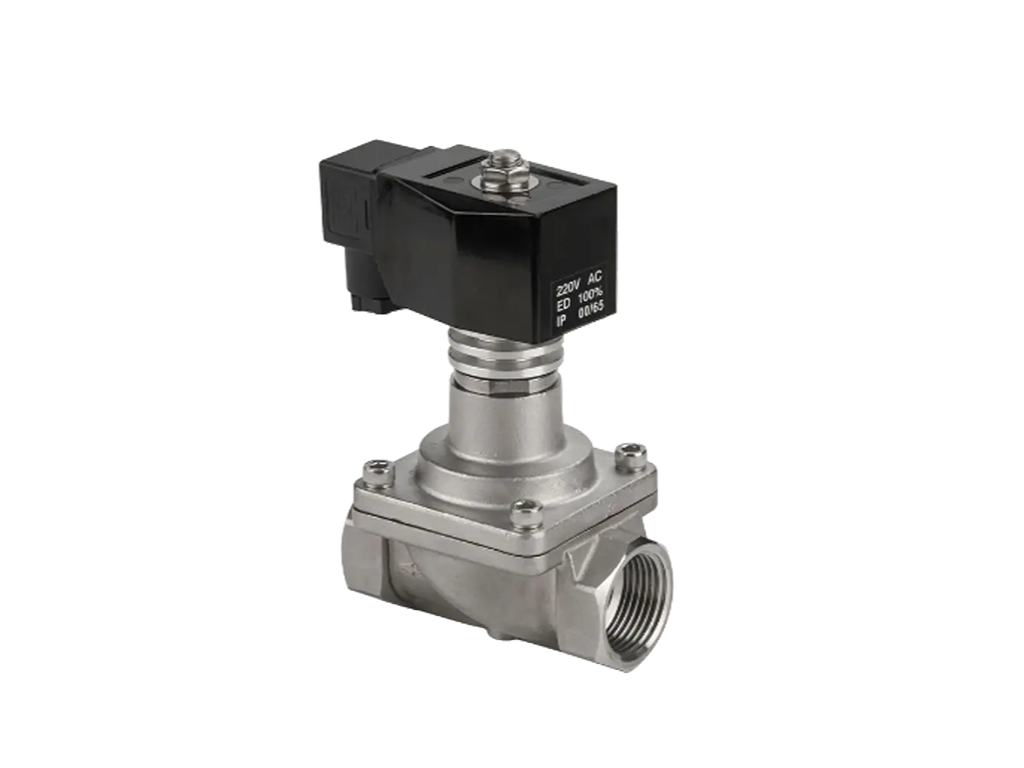
Hier ist die wichtigste Regel für die Preisgestaltung: Die Anzahl der Anschlüsse (Wege) entspricht der funktionalen Komplexität, und die Komplexität bestimmt die Preisuntergrenze. Ein 2-Wege-Ventil ist ein ferngesteuerter Ein-/Aus-Schalter. Ein 3-Wege-Ventil verfügt zusätzlich über eine Misch- oder Umleitungsfunktion. Ein 5/2-Wege-Ventil, das Arbeitstier pneumatischer Systeme, schaltet sowohl die Zu- als auch die Abluft eines Zylinders um. Es besteht aus den meisten Bauteilen und weist die größte Preisspanne auf.
Typ × Preis: Wie die Handelsmenge den Preis beeinflusst
| Typ | Struktur (eine Zeile) | Preisspanne | Typische Aufgabe |
|---|---|---|---|
| 2-Wege ★ Am häufigsten — Standard-Ausgangspunkt für die industrielle Beschaffung | Ein Einlass, ein Auslass – ein ferngesteuerter Schalter | $20–90 (Industriequalität) | Absperrvorrichtungen für Wasser-, Luft- und Ölleitungen, Reinigungsgeräte, Wasseraufbereitung |
| 3-Wege | Drei Anschlüsse – zum Mischen, Abzweigen oder Steuern | Eins, zwei, drei, vier, fünf, sechs, sieben, acht, neun, zehn, elf, zwölf, dreizehn, vierzehn, fünfzehn, einhundertfünfzig | Mischen, Umleiten, Verschieben kleiner Zylinder |
| 5/2-Wege (pneumatisch) ★ Am häufigsten in pneumatischen Systemen | Doppelte Zu- und Abluftumschaltung – Magnetkern plus Abluftwege | $36–380 (MSC-Band) | Zylinder ausfahren/einfahren, Fabrikautomation |
Zwei Hinweise zum Lesen der Tabelle. Erstens: Die übliche Antwort auf die Frage nach dem “Preis für 2-Wege-Magnetventile”: Industrielle 2-Wege-Ventile sind ab etwa eins, zwei, vier, vier, zwei, fünf, null direkt vom Hersteller, während gleichwertige Produkte der Marke ASCO über autorisierte Händler ab $84 bis $433 (FLW Store). Zweitens: Achten Sie beim Vergleich der 5/2-Preisgestaltung auf Cv-Durchflusskoeffizient (kann es Ihren Zylinder schnell genug versorgen?) und IP-Schutzklasse (IP65+ ist auf staubigen Böden wichtig), und fragen Sie nach, ob sich der Preis auf ein Ventil oder auf eine Station an einem Verteiler bezieht.
Für industrielle Einkäufer: Ein Angebot ist ohne sieben Parameter bedeutungslos. Anschlussgröße und -art (NPT-/G-Gewinde, Flansch, Klemmverbindung); Spulenspannung (DC 12/24, AC 110/220); NC vs. NO (gleicher Preis, doch die falsche Wahl ist der häufigste Installationsfehler); Gehäusematerial; Dichtungsmaterial; maximaler Druck und maximale Temperatur; Zertifizierungen. Ein Angebot, in dem einer dieser Punkte fehlt, ist ein “Blattpreis”, den Sie nicht vergleichen können. In pneumatischen Systemen kommen 2-Wege-Magnetventile auch als Luftabsperrventile zum Einsatz (3/8″–2″, bis zu 10 bar), deren Preis auf derselben 2-Wege-Preisliste basiert.
Preis nach Größe und Material: Von 1/8″ Messing bis 2″ Edelstahl
Größe und Material sind der zweite Preisfaktor. Zunächst einmal eine Regel: Eine Verdopplung der Portgröße führt NICHT zu einer Verdopplung des Preises.. Die Struktur bestimmt die Kosten, nicht der Rohstoff.
Preise für Magnetventile nach Größe und Material
| Portgröße | Messing (mit Gewinde) | Edelstahl (mit Gewinde) | Mit Flansch / großer Durchmesser | Typische Aufgabe |
|---|---|---|---|---|
| 1/8″–1/4″ | Eins, zwei, drei, vier, fünf, zehn, zwanzig, fünf | Eins bis vier, zwei bis zehn | k. A. | Miniaturgeräte, Analysegeräte, Luftbefeuchter |
| 3/8″–1/2″ | Eins-zwei-vier-fünf-eins-fünf–drei-fünf | Ein bis drei Jahre | k. A. | Reinigungsgeräte, allgemeine Industrie |
| 3/4″–1″ ★ Am häufigsten verwendet | eins bis vier, zwei bis fünf, zwei bis fünf | eins, zwei, vier, vier, fünfzig, neunzig | k. A. | Wasseraufbereitung, Bewässerung, Kesselspeisung – die Standardausführung |
| 1,5″–2″ | eins bis vier von zehn | ein- bis viermal zehn hoch siebzig | Eins, zwei, drei, vier, fünf, sechs, sieben, acht, neun, zehn, elf, zwölf | Hauptleitungen, Abwasser |
| 2″–12″ vorgesteuert | k. A. | k. A. | $200–600+ | Wasseraufbereitung mit hohem Durchfluss – Membranstruktur, bis zu 16 bar / 120 °C, mit 12″-Flanschanschluss |
| Hygieneausführung (Klemmschraube, 304/316L) | k. A. | einhundertvierundvierzig bis zweihundertfünfzig | k. A. | Lebensmittel, Getränke, Pharmazeutika (FDA-zugelassen) |
Drei wichtige Erkenntnisse: Edelstahl kostet 50–100% mehr als Messing (lohnt sich bei korrosiven, hygienisch kritischen oder heißen Medien; reine Verschwendung bei sauberem, kaltem Wasser); Ventile mit großem Durchlass sind fast immer vorgesteuert. (ein kleines Magnetventil steuert eine Membran an, die eine große Öffnung freigibt; realistische Betriebsparameter: bis zu 16 bar und 120 °C, Öffnungszeit ca. 0,3 Sekunden, Flanschanschlüsse bis zu 12″); und Sanitärventile sind mit einem Zertifizierungsaufschlag verbunden. Klemmverbindungen, eine Oberfläche aus Edelstahl 304/316L und die Einhaltung der FDA-Vorschriften sind die Grundvoraussetzung für den Einsatz in der Lebensmittel- und Pharmaindustrie.
Für industrielle Einkäufer, die ein Projekt zur Wasseraufbereitung oder zur Anschaffung von Anlagen budgetieren: Planen Sie Folgendes ein: $40–90 für 1/2″–1″-2-Wege-Ventile aus Messing, $70–140 für Edelstahl, und fügen Sie 15–20% hinzu, um eine schnelle Lieferung zu gewährleisten. Lagerware wird in der Regel innerhalb von 5 Werktage, Sonderanfertigungen innerhalb von 20 (Lieferzahlen gemäß Angaben der Ventilhersteller; mehr dazu weiter unten).
Warum die Preise so stark variieren: 5 Faktoren, die den Preis eines Magnetventils bestimmen
Die beiden obigen Tabellen erläutern Was Was die Dinge kosten. Hier wird erklärt, warum. Hinter fast dem gesamten Spread von $10 bis $600 stehen fünf Fahrer, von denen jeder seine eigene Entscheidung trifft, ob er “bezahlt oder auslässt”.
Die 5 preisbestimmenden Faktoren eines Magnetventils
| Fahrer | Auswirkungen auf den Preis | Bezahlen Sie es, wenn… | Lass es sein, wenn… |
|---|---|---|---|
| Gehäusematerial (Messing vs. Edelstahl vs. PTFE) | 50–100% Premium | Das Medium ist ätzend, hygienisch oder heiß | Sauberes Wasser bei normaler Temperatur und normalem Druck |
| Dichtungsmasse (NBR/Viton/EPDM/lebensmitteltauglich) | Klein, aber entscheidend für die Lebensdauer | Hohe Temperaturen, aggressive Medien, Kontakt mit Lebensmitteln | Wasser mit Normaltemperatur – NBR ist geeignet |
| Ventilaufbau (direktwirkend vs. vorgesteuerte Membran) | +30–100% für Pilotenmodelle | Hoher Durchfluss oder hoher Druckunterschied | Kleine Anschlüsse und niedriger Druck – direktwirkende Ventile sind kostengünstiger und zuverlässiger |
| Spule und Elektrik (Spannung, Stromaufnahme, Explosionsschutz) | Hoher Aufpreis für EX-/Low-Power-Spulen | Ex-Bereich (ATEX-Klasse), Batterie-/SPS-Magnetventil mit geringer Stromaufnahme | Standard-Stromversorgung AC 220/DC 24 – die Standardspule ist ausreichend |
| Nennleistung und Zertifizierungen (Kühlkörper für Temperaturen ab 300 °C, Gehäuse für 500 bar, FDA/CE) | Specialty valves $200–600+ | Your process actually runs hot, high-pressure, or certified | Ordinary 0–80°C duty — don’t pay for heat structure you don’t need |
One boundary keeps this table from overlapping the type table above: way count decides which valve you need; structure decides the price within that type. Two 2-way valves with a $40 difference usually differ in body material, seal compound, or pressure rating. The spec sheet is the price tag in code. When two quotes for “the same valve” differ by 40%, go line by line through the specs, not the total.
One more cost most buyers miss: the cheap valve that kills something expensive. There are documented cases in automation forums of low-quality solenoids shorting and destroying PLC output cards. A $13 valve replacing a $200 module, plus downtime. On continuous industrial duty, a $13 marketplace valve is rarely a bargain; the arithmetic that matters is total cost over life.
Cheap $13 Valve or $600 Industrial Valve? Where the Line Is
Neither the $13 valve nor the $600 valve is “wrong.” Each is correct inside its application envelope. This boundary matrix is the decision tool:
Which Valve Grade Does Your Application Need?
| Anwendung | What works | Where it fails |
|---|---|---|
| Home / garden / aquarium (intermittent, low pressure, ambient) | $10–20 universal valve | Continuous 24/7 duty, pressure with debris, aggressive media |
| Commercial equipment / cleaning (frequent cycling, mid pressure) | Industrial 2-way, $30–70 | Corrosive media, water hammer — needs thicker body or inlet filter |
| Water treatment / steam / boiler (continuous, hot, pressurized) | Pilot-operated or high-temp valves, $100–400 | Above 120°C — standard coils burn out; needs heat-sink/piston structure |
| Food & pharma / chemical (hygienic, corrosive) | Sanitary clamp or PTFE-bodied valves, $150–500+ | Missing FDA or material compatibility — rejected at goods-in inspection |
Then run the total-cost algorithm instead of comparing unit prices:
Total cost = unit price × expected life + failure cost (downtime, repair, rejection)
A $13 valve cycled continuously in an industrial line typically fails in weeks; a $100 industrial valve may run for years. Above a few hundred cycles a day, the industrial valve is usually the cheaper one. High-temperature duty is where this bites hardest: a standard coil on a steam line above 120°C burns out. That’s why 300–350°C service requires piston-type structures with heat sinks, and 500-bar service (e.g., car-wash systems) requires thickened valve bodies. You’re not paying for a logo on those; you’re paying for metal that doesn’t yield.
The $13 valve is the expensive one.
$13 × weeks of life + downtime vs. $100 × years of service. Above a few hundred cycles a day, the industrial valve is the cheaper buy.
How to Get a Solenoid Valve Price List and Compare Supplier Quotes
Now that you know what you’re buying, here’s how to buy it, especially if you’re a distributor, OEM, or project contractor who needs actual solenoid valve price lists and comparable quotes.
The golden rule of supplier comparison: only comparable quotes can be compared. A low price from a one-line quote is usually a “bare price,” with specs missing that surface later as change orders, wrong valves, or failures. Treat every quote like this:
The 8-Point Quote Checklist
Port size and connection type (NPT/G thread, flange, clamp)
Coil voltage (DC12/24, AC110/220)
Normally closed or normally open
Body material (brass, SS304/316, PTFE)
Seal material (NBR, Viton, EPDM, food-grade)
Max working pressure and temperature
Certifications (CE, RoHS, FDA, explosion-proof)
Lead time and MOQ
Each missing parameter has a predictable failure: no seal material means media incompatibility, then leaks or early failure; no certification means goods-in rejection on food or hazardous lines; no lead time means project slippage. If a supplier can’t answer all eight in writing, that’s data too.
Bulk and OEM Pricing: What Changes at Volume
Pricing structure at volume follows a familiar ladder: unit price → volume step price → framework/annual pricing, with 10–30% movement from single-unit to container volume (industry-typical range; always confirm it in writing). MOQ behaves differently per product type: standard-pattern valves carry low MOQs; custom or specialty-material valves carry real minimums. If you’re a distributor building an SKU list, stock standard patterns with fast delivery and run project-specific items through custom orders. And ask about sample policy. Low-value samples are often negotiable, which de-risks your first supplier test.
China Direct vs. Western Brands: The Real Price Gap
The “ASCO Solenoid Valve Price” searches (and the FLW listing above, $84–433 for ASCO 2-way valves) set the Western-brand benchmark. Chinese direct-from-manufacturer pricing for the same specification starts at roughly half of that. Verified industry figures: for standard, off-the-shelf patterns, Chinese-made valves typically run about 30% below Western equivalents without quality trade-offs, and for specific requirement solenoids (custom duty points), the same performance can cost half or less. These are figures VINCER, a Dongguan-based solenoid valve manufacturer, publishes for its solenoid valve product line and its pilot-operated series, together with lead times of 5 working days for stocked items and 20 working days for custom orders.
To be fair to the Western brands, the premium buys real things: local stock and support, long-standing documentation, and brand-specified compliance. The rational buying pattern: pay the premium when your project requires owner-specified brands or local support; go direct when your spec is clear and you can run your own acceptance process. That’s exactly where the 30–50% gap lives.
A quote you can’t compare is a quote you can’t trust.
Send your duty point — media, temperature, pressure — and get the eight-point spec-complete quote.
Get a Spec-Complete QuoteWhat the Price Confusion Really Costs Buyers — and What It Means for Your Valve Budget
We’ve established the facts: prices for the “same” valve vary 60×, quotes are rarely comparable until you chase all eight parameters, and the retail price you see online has almost nothing to do with the price an industrial buyer should pay. Now let’s talk about what that information gap does to real purchase decisions, because the confusion itself has a price.
On the consumer side, the pattern is consistent: service quotes for a simple solenoid replacement run 10× the part price. Homeowners have posted HVAC humidifier solenoid quotes around $290 where the part costs $30; heat-pump bills show $489 of labor for a one-hour solenoid swap. The market truth underneath: for repair buyers, “cost” means total cost including labor and diagnostics, and the fear of being overcharged is the dominant emotion. For anyone selling into that market (parts suppliers, distributors, service companies), the winning move is transparency: publish the spec-to-price mapping and quote the complete job honestly. Buyers don’t need cheap; they need predictable.
On the industrial side, the confusion shows up differently: buyers can’t tell whether a $42 Chinese-direct valve and a $360 ASCO valve are the same product, and nobody publishes the spec-level comparison that would let them decide rationally. The business consequence is that procurement defaults to either (a) overpaying for brand when the spec didn’t require it, or (b) buying on price alone and discovering the hidden spec gap at commissioning: the $13 valve that takes out a $200 PLC card. For OEMs and project contractors, the fix is simpler than it looks: specify first, then source. When you know your media, temperature, pressure, and duty cycle, the supplier’s job becomes mechanical, and the price comparison becomes honest. That’s the whole argument for the eight-point checklist: it moves the market from “who’s cheapest” to “who matches the spec.”
Now, the business shape behind this: the valve trade splits into two distinct purchasing forms. Stock-and-trade buyers (distributors, equipment OEMs) need price lists, fast delivery on standard patterns, and volume pricing. For them, lead time is a first-class parameter, and stocked-item delivery measured in working days, not weeks is a genuine competitive lever. Project buyers (EPC contractors, plant operators) need budget ranges, certification sets, and written delivery commitments. For them, a 24-hour simple quote and a 48-hour preliminary solution on multi-product projects are the difference between making a tender deadline and missing it. The suppliers who win in either lane are the ones who treat response speed and spec completeness as part of the product. In a market this opaque, clarity is the differentiator.
In a market this opaque, clarity is the differentiator.
— the operating principle for valve buyers in either lane
One more layer matters in both lanes: solenoid valves almost never get bought alone. In a water-treatment skid, a cleaning line, or a steam system, solenoid valves share the pipeline with actuated valves. Electric and pneumatic actuator valves handle main-line opening, closing, and regulation, while solenoids do branch and pilot duty. That’s why the same purchase cycle that prices a solenoid valve also prices electric and pneumatic actuator valve packages. It’s also why the eight-point checklist isn’t the only filter a supplier has to pass. Product-line breadth is: how many of the valves in your system can one factory answer for, with the same spec discipline? Cross-category sourcing from a single supplier is the default shape of this business, and it is exactly where the “one-stop” positioning of manufacturers like VINCER (electric and pneumatic actuated valves at its core, solenoid valves as the branch-line companion) saves a buyer the work of juggling five factories.
If that’s the kind of supplier you’re looking for (one that publishes full specs, answers the checklist in one pass, and carries the certifications, ISO 9001, CE, FDA, RoHS, plus the response times: simple quotes within 24 hours, preliminary multi-product solutions within 48), then VINCER’s solenoid valve range, its electric actuated valve range, and its pneumatic actuated valve range — together with its certification documentation — are a good place to request a quote and test the comparison for yourself.
Get a Solenoid Valve Price List You Can Actually Compare
Send your application details and get a spec-complete quote — simple requests within 24 hours, preliminary multi-product solutions within 48.
Request a Spec-Complete QuoteReferences
- MSC Industrial Supply. “Pneumatic Solenoid Valves.” 2026. https://www.mscdirect.com/browse/tn/Motion-Control-Fluid-Power/Pneumatics/Air-Valves/Pneumatic-Solenoid-Valves
- FLW, Inc. “ASCO Solenoid Valves.” 2026. https://store.flw.com/categories/solenoid-valves.html
- VINCER Valve. “What Is Solenoid Valves?” 2026. https://www.vincervalve.com/solenoid-valve/
- VINCER Valve. “VS07 Series Solenoid Valve.” 2026. https://www.vincervalve.com/vs07-series-pilot-operated-diaphragm-solenoid-valve/
- VINCER Valve. “Electric Actuated Valves.” 2026. https://www.vincervalve.com/electric-actuated-valve/
- VINCER Valve. “Pneumatic Actuated Valves.” 2026. https://www.vincervalve.com/pneumatic-actuated-valve/
- VINCER Valve. “VINCER Automatic Valve Actuators.” 2026. https://www.vincervalve.com/vincer-automatic-valve-actutors/
- VINCER Valve. “Certifications.” 2026. https://www.vincervalve.com/certifications/
- VINCER Valve. “Contact for a Quote.” 2026. https://www.vincervalve.com/contact-for-a-quote/
- VINCER Valve. Homepage. 2026. https://www.vincervalve.com/