إذا سبق لك أن فتحت مواصفات شراء الصمامات وشعرت بالضياع وسط بحر من الحروف والأرقام مثل API 6D وASME B16.34 وISO 14313 وEN 558 وJIS B2071، فأنت لست وحدك. فمشهد معايير الصمامات العالمية مترامي الأطراف ومتداخل، كما أنه غير موثق إلى حد كبير في أي مرجع واحد يكون مفهوماً للمهندس العامل.
هذا الدليل هو المرجع الشامل الذي تبحث عنه. فهو يشرح ما هي المعايير الرئيسية للصمامات، وكيف ترتبط هذه المعايير ببعضها البعض، وما الذي يميز معايير ANSI عن DIN وعن JIS، وأي من هذه المعايير ذات أهمية لقطاعك. بدون إطالة أو دعاية، بل مجرد المرجع الذي تحتاجه.

شرح التسلسل الهرمي لمعايير Valve: الرموز والمعايير والمواصفات
ولكن أولاً: ما الفرق بين «الرمز» و«المعيار» و«المواصفات»؟ غالبًا ما تُستخدم هذه المصطلحات الثلاثة بالتبادل في المحادثات، لكنها في مجال الهندسة والمشتريات تحمل معاني مختلفة تمامًا، وقد يؤدي الخلط بينها إلى أخطاء مكلفة.
تخيلها على أنها هرم مكون من ثلاث طبقات:
الرموز تحتل المرتبة الأولى. وهي وثائق قابلة للتنفيذ قانونًا توضح لك ما يجب عليك فعله. لا يحدد المعيار كيفية تصميم الصمام، بل ينص على أن أي صمام يتم تركيبه في نظام أنابيب معين يجب أن يتوافق مع معيار مدرج في القائمة. أكثر القوانين التي يُستشهد بها في شراء الصمامات هي ASME B31.3 (أنابيب العمليات). وعندما تنص B31.3 على أن الصمام يجب أن يتوافق مع “معيار مدرج”، فهذا يعني أن الصمام يجب أن يُصمم ويُصنع وفقًا لمعيار مثل API 600 أو ASME B16.34. القوانين ليست اختيارية، بل لها قوة القانون في معظم الولايات القضائية.
المعايير تحتل الطبقة الوسطى. إنهم يخبرونك كيفية القيام بذلك. يحدد المعيار متطلبات التصميم، والأبعاد، والمواد، وإجراءات الاختبار، وعلامات التمييز. وتعد معايير API 600 (صمامات البوابة الفولاذية)، وASME B16.34 (الصمامات ذات الأطراف المفلنجة، والملولبة، والملحومة)، وISO 14313 (صمامات خطوط الأنابيب) أمثلة على هذه المعايير. ويُشار إليها في القوانين، لكنها في حد ذاتها غير قابلة للتنفيذ قانونًا ما لم يتم اعتمادها في قانون أو عقد.
المواصفات تشكل الطبقة السفلية. ويخبرونك ما الذي يجب استخدامه. ASTM A216 WCC هي مواصفة مادية تحدد التركيب الكيميائي والخصائص الميكانيكية لمسبوكات الفولاذ الكربوني المستخدمة في صناعة أجسام الصمامات. وعندما يكتب المهندس عبارة “جسم الصمام: ASTM A216 WCC” في ورقة البيانات، فإنه يشير بذلك إلى هذه المواصفة.
وهناك مثال من الواقع يوضح هذه العلاقة: تحتاج إحدى مصافي النفط إلى صمام بوابة لخط إنتاج. تنص المواصفة ASME B31.3 (القانون) على أن الصمامات يجب أن تتوافق مع معيار مدرج في القائمة. فيختار المهندس معيار API 600 (المعيار) كأساس للتصميم. ويحدد مهندس المواد المواصفة ASTM A216 WCC (المواصفة) لجسم الصمام. ثلاث طبقات، صمام واحد، ولا غموض على الإطلاق عند تنفيذ الأمر بشكل صحيح.
نظرة عامة على المعايير الأساسية للصمامات الصادرة عن المنظمات API و ASME و ISO
هناك ثلاث منظمات تضع القواعد الخاصة بتصميم الصمامات على مستوى العالم. إذا فهمت العلاقة بينها، فستوفر على نفسك ساعات من الحيرة لاحقًا. فهي ليست منافسة لبعضها البعض، بل تتكامل معًا: توفر ASME الأساس المتعلق بالأبعاد والضغط والحرارة، وتبني API متطلبات التصميم الخاصة بالصناعة بناءً على ذلك، بينما تضع ISO نسخًا منسقة دوليًا تستند إلى كليهما.
معايير واجهة برمجة التطبيقات (API): العمود الفقري لقطاع النفط والغاز
إذا كنت تعمل في قطاع النفط والغاز، فإن معايير API غير قابلة للتفاوض. فهي تمثل لغة المواصفات العالمية الفعلية للصمامات المستخدمة في خدمات الهيدروكربونات في مراحل الاستخراج والتوزيع والتكرير.
| معايير واجهة برمجة التطبيقات (API) | الأغلفة | أحدث إصدار | ماذا يعني ذلك عمليًّا |
|---|---|---|---|
| API 6D | صمامات الأنابيب (الكروية، البوابية، المانعة للرجوع، السدادة) | الطبعة الخامسة والعشرون (2021) + الملحق 3 (2025) | مواصفات التصميم الأعلى مستوى لصمامات خدمة خطوط الأنابيب، الفئة 150 و2500 |
| API 600 | صمامات بوابة فولاذية بغطاء مثبت بمسامير | الطبعة الرابعة عشرة (2021) | صمام البوابة القياسي الأكثر استخدامًا في المصافي ومصانع المعالجة |
| API 608 | صمامات كروية معدنية | الطبعة الخامسة (2021) | متطلبات التصميم والأداء للصمامات الكروية العائمة والمثبتة على محور |
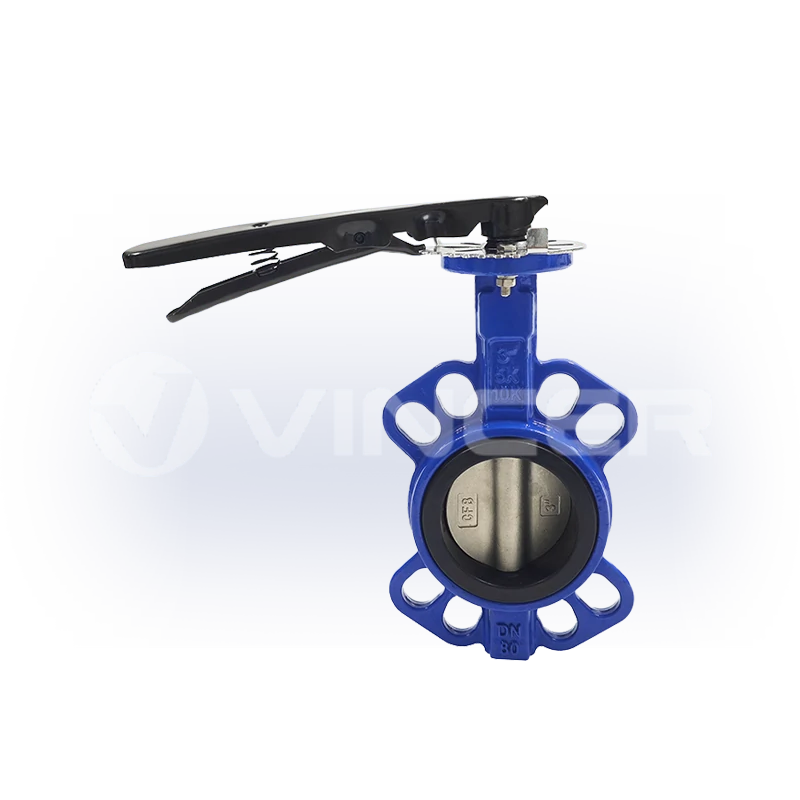
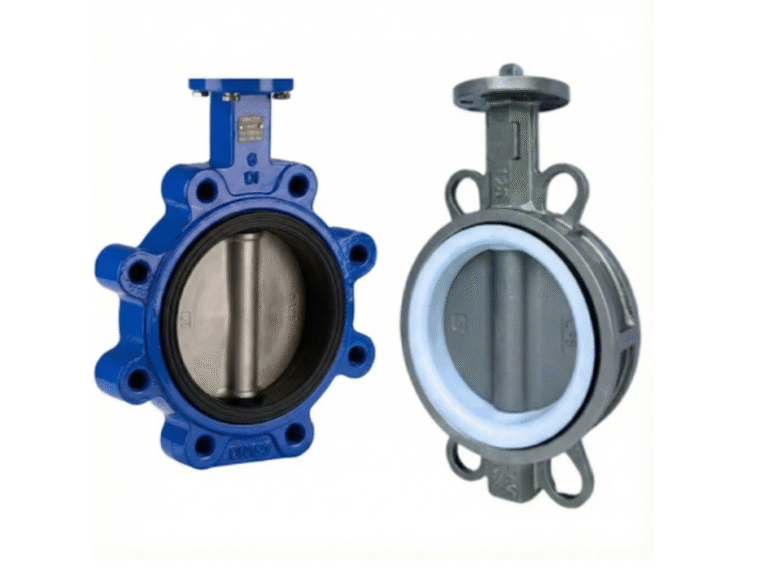
| API 609 | الصمامات الفراشية | الطبعة التاسعة (2024) | تشمل الصمامات ذات العروة، والصمامات الرقائقية، والصمامات الفراشية ذات الحافتين |
| API 598 | فحص واختبار الصمامات | الطبعة العاشرة (2016، أُعيد تأكيدها في عام 2021) | دليل التحقق من الصحة الذي يُستشهد به في كل طلب شراء صمام تقريبًا |
| API 602 | صمامات بوابة فولاذية مدمجة (d NPS 4) | الطبعة العاشرة (2023) | بوابة صغيرة من الفولاذ المطروق، وصمام كروي، وصمامات فحص |
If you remember only one API standard, make it API 6D. It is the pipeline valve specification that most other standards orbit around. If you are going to inspect valves on arrival, API 598 is your checklist it defines shell test pressure (1.5× maximum allowable pressure) and seat test pressure (1.1× maximum allowable pressure).
ASME Standards The Foundation Layer
ASME B16 series standards are the bedrock. They define the physical geometry and pressure-temperature envelope that virtually all industrial valves operate within, regardless of which industry-specific standard sits on top.
| ASME Standard | الأغلفة | أحدث إصدار | لماذا هذا مهم؟ |
|---|---|---|---|
| B16.34 | Valves flanged, threaded, and welding end | 2025 (May) | The universal valve design standard; defines pressure-temperature ratings and material groups for Class 150 4500 |
| B16.10 | Face-to-face and end-to-end dimensions | 2022 | Ensures the valve physically fits between flanges standardizes lengths across all manufacturers |
| B16.5 | Pipe flanges and flanged fittings (d NPS 24) | 2020 | The most-referenced flange dimension standard for standard-bore piping |
| B16.47 | Large-diameter steel flanges (NPS 26 60) | 2020 | Companion to B16.5 for large-bore applications |
| B16.25 | Butt welding ends | 2021 | Standardizes weld-end preparation geometry |
B16.34 is the one standard every valve engineer should understand. Its core mechanism the Material Group Number system assigns every permitted body material a group number. That group number determines the pressure-temperature ceiling. A valve body made from Material Group 1.1 (carbon steel A216 WCC) has a different maximum allowable pressure at 400°C than one made from Group 2.2 (316 stainless steel A351 CF8M). This is how valve pressure ratings actually work. Class 300 does not mean the valve can handle 300 psi at any temperature; the real allowable pressure depends on the material group and the service temperature, and you find both in the B16.34 tables.
Each material is assigned a group number in ASME B16.34. That group number, combined with the service temperature, determines the maximum allowable pressure. A carbon steel Group 1.1 body at 400°C has a higher ceiling than a stainless Group 2.2 at the same temperature — the rating chain is: Group Number → Temperature → Allowable Pressure.
ISO and EN Standards Global Harmonization
ISO standards do not replace API or ASME they translate them into internationally recognized documents. This is a critical distinction that even experienced engineers sometimes miss.
| ISO Standard | Relationship to API/ASME | أحدث إصدار | Key Scope |
|---|---|---|---|
| ISO 14313 | Supplement to API 6D (25th Ed.) | 3rd Ed. (June 2025) | Pipeline valves for international projects the ISO wrapper around API 6D |
| ISO 14723 | Supplement to API 6DSS (3rd Ed.) | 3rd Ed. (2025) | Subsea pipeline valves international version of the subsea spec |
| ISO 17292 | Based on API 608 | 2nd Ed. (2015) | Metal ball valves for general industrial use |
| ISO 5208 | Parallels API 598 | 4th Ed. (2015) | Pressure testing of metallic valves increasingly aligned with API 598 |
| ISO 15848-1 | Standalone | 2nd Ed. (2015) | Fugitive emissions type testing the go-to standard for stem-seal leakage certification |
ISO 14313:2025 is only two pages long. That is not a mistake the entire technical content lives in API 6D. ISO 14313 adds supplementary requirements for international adoption but does not stand alone. If you buy ISO 14313 without also having API 6D, you are holding a cover page and a preface. This co-dependency pattern repeats across the ISO valve standards family, and it is the single most important thing to understand about how ISO and API relate.
Navigating Global Standards ANSI vs DIN vs JIS
The three major regional standards systems ANSI/ASME (Americas), DIN/EN (Europe), and JIS (Japan/Asia) diverge across three practical dimensions. When you are sourcing valves across regions, these are the dimensions where mistakes happen.
Pressure Class Systems Class vs PN vs K
The most fundamental difference between the three systems is how they name pressure ratings and none of the numbers mean what they appear to mean at first glance.
| ANSI/ASME Class | DIN/EN PN | JIS K Rating | Approximate Overlap |
|---|---|---|---|
| الفئة 150 | PN20 | 10K | Low-pressure general service |
| Class 300 | PN50 | 20K | Medium-pressure process |
| Class 600 | PN100 | 30K 40K | High-pressure pipeline |
| Class 900 | PN160 | High-integrity process | |
| Class 1500 | PN250 | Severe service | |
| Class 2500 | PN420 | Extreme pressure |
The word “approximate” in that table is load-bearing. Class 300 does not equal PN50 the pressure-temperature baseline temperatures are different (ANSI ratings reference higher-temperature material performance; PN ratings use a lower reference temperature). A valve rated Class 300 might have a maximum allowable pressure of 51.1 bar at 38°C in carbon steel, while a PN50 valve is rated at 50 bar at room temperature. Close, but not interchangeable and at elevated temperatures, the gap widens.
The naming convention itself is misleading. Class 300 does not mean the valve withstands 300 psi it is a designation, not a pressure value. The actual allowable pressure comes from the ASME B16.34 pressure-temperature table for the specific material group.
Flange Standards and Face-to-Face Dimensions
The most practical question engineers ask: “My piping is DIN. Can I bolt on an ANSI valve?”
The short answer is usually no. The three systems use different bolt circle diameters, different numbers of bolts, and different sealing face geometries. An ANSI Class 150 flange will not match a DIN PN16 flange, and neither will match a JIS 10K flange even if the nominal pipe diameter is the same.
| System | Flange Standard | Face-to-Face Standard | Bolt Pattern Interchangeable? |
|---|---|---|---|
| ANSI/ASME | ASME B16.5 (d NPS 24), B16.47 (> NPS 24) | ASME B16.10 | No |
| DIN/EN | EN 1092-1 | EN 558-1 (PN), EN 558-2 (Class) | No (except EN 558-2 Class flanges = ASME B16.10) |
| JIS | JIS B2220 | JIS B2002 | No |
There is one important exception: EN 558-2 defines face-to-face dimensions for Class-designated flanges, and these dimensions are identical to ASME B16.10. In other words, while the flange bolt patterns differ, the overall valve length for Class-rated valves is harmonized between ASME and European standards. This means a Class 150 gate valve from an American manufacturer and one from a European manufacturer will have the same face-to-face dimension they will physically fit in the same pipe gap, even if the flanges themselves need adapters.
Material Designations and Design Philosophy
The three systems name their materials differently, even when referring to nearly identical alloys. A procurement specification that mixes up ASTM and EN material designations can result in the wrong material being delivered and the difference between A216 WCC and 1.0619 may be subtle on paper but catastrophic in service.
| Material Type | ASTM (ANSI) | EN (DIN) | JIS | Typical Valve Application |
|---|---|---|---|---|
| Carbon steel casting | A216 WCC | 1.0619 (GP240GH) | SCPH2 | General-purpose valve bodies, Class 150 600 |
| 316 stainless steel casting | A351 CF8M | 1.4408 (GX5CrNiMo19-11) | SCS14 | Corrosive chemical service |
| 316L stainless steel forging | A182 F316L | 1.4404 (X2CrNiMo17-12-2) | SUSF316L | Low-carbon variant for welded valve components |
| Carbon steel forging | A105 | 1.0460 (C22.8) | SFVC2A | Small-bore valve bodies and bonnets |
Beyond the naming differences, the design philosophies diverge: ANSI standards prioritize high-pressure, high-temperature oil and gas service; DIN standards emphasize precision engineering and European system compatibility; JIS standards lean toward broad applicability with an emphasis on corrosion resistance for marine environments. These philosophical differences shape everything from default material selections to acceptable manufacturing tolerances.
Testing, Certification, and the Procurement Checklist
Knowing which standards exist is only half the value. The other half is knowing how to verify that a valve actually meets them. This section translates standards knowledge into a practical procurement verification framework.
Core Testing Standards at a Glance
| معيار الاختبار | Test Type | Key Acceptance Criteria | When to Specify It |
|---|---|---|---|
| API 598 | Shell test, seat test, backseat test | Shell: 1.5× max allowable pressure; Seat: 1.1× max allowable pressure | Every valve purchase order the industry default |
| ISO 5208 | Shell strength, seat leakage | Class A (no visible leakage) through Class G (allowable leakage per DN) | European projects; increasingly used alongside API 598 |
| MSS SP-61 | Shell and seat testing | Similar to API 598, often used for non-API valves | Water and general industrial service |
| FCI 70-2 | Control valve seat leakage | Class I (no test required) through Class VI (essentially zero leakage) | Any purchase involving control valves or automated modulating valves |
| ISO 15848-1 | Fugitive emissions (stem/shaft + body seals) | Tightness Class A/B/C × Temperature Class × Endurance Class | Environmental compliance, VOC service, and any project with emissions monitoring requirements |
A properly written valve procurement specification references at minimum: one design standard (tells the manufacturer how to build it), one inspection standard (tells the inspector how to verify it), one flange standard (ensures it fits the piping), and one material specification (defines what it is made of). Missing any of these four means the inspector has no complete basis for acceptance or rejection.
Common Certification Pathways
| Certification | Region / Scope | What It Verifies | Typical Requirements |
|---|---|---|---|
| CE Marking (PED 2014/68/EU) | European Union | Pressure equipment safety | Design per harmonized standard + notified body assessment for Category II+ |
| ATEX (2014/34/EU) | EU explosive atmospheres | Equipment safety in potentially explosive environments | Ignition risk assessment, conformity to EN 13463 / IEC 60079 series |
| SIL (IEC 61508) | Global functional safety | Safety integrity level for safety-related valve functions | Third-party assessment of failure rates and diagnostic coverage |
| NACE MR0175 / ISO 15156 | Global sour service | Material resistance to sulfide stress cracking in H S-containing environments | Material hardness limits, heat treatment requirements, compliance documentation |
When reviewing a manufacturer’s certifications page, look for multi-region and multi-industry coverage it signals quality management depth beyond a single compliance checkbox. VINCER, for example, holds CE, ISO 9001:2015, FDA, RoHS, and SIL certifications, spanning European safety requirements, American sanitary standards, and global functional safety from one manufacturing source. This breadth reduces the verification burden for procurement teams managing projects across multiple regulatory jurisdictions.

Valve Standards at a Glance Quick-Reference by Industry
If you take one thing away from this guide, take this table. It maps seven major industries to the standards that matter most the ones you should check first when starting a new project or reviewing a valve specification.
| الصناعة | Core Design Standard(s) | Core Testing Standard | Special Requirements | Typical Valve Types |
|---|---|---|---|---|
| النفط والغاز | API 6D, API 600, API 608 | API 598 | NACE MR0175 (sour service), API 607 (fire-safe) | Ball, gate, check, plug valves |
| المعالجة الكيميائية | ASME B16.34, API 600/609 | API 598, ISO 15848-1 | NACE MR0175 (acidic media), PTFE/PFA lined for aggressive chemicals | Ball, butterfly, globe, plug valves |
| Water & Wastewater | AWWA C500 (gate), AWWA C504 (butterfly) | ISO 5208, MSS SP-61 | NSF/ANSI 61 (drinking water contact), corrosion-resistant coatings | Gate, butterfly, check, knife gate valves |
| التدفئة والتهوية وتكييف الهواء (HVAC) | ASME B16.34, MSS SP-67 (butterfly) | API 598, FCI 70-2 (control) | Low-leakage seat classification for energy efficiency | Butterfly, globe control, ball valves |
| توليد الطاقة | ASME B16.34, ASME B31.1 (power piping) | API 598 | High-temperature alloys for superheated steam, NDE requirements | Gate, globe, check, control valves |
| Cryogenic / Low-Temperature | BS 6364, MSS SP-134 | API 598 with cryogenic extension | Extended bonnet for cold-box installation, degreased for oxygen service | Ball, gate, butterfly, globe valves |
| Food & Beverage | 3-A Sanitary Standards, ASME BPE | FDA 21 CFR compliance | Food-grade seals (EPDM, silicone), crevice-free design, CIP/SIP compatibility | Ball, butterfly, diaphragm valves |
The standards landscape changes slowly standards committees work in years, not months but it does change. In 2025 alone, ASME B16.34 received a new edition (May), ISO 14313 and ISO 14723 both published their third editions (June), and API 6D received its third addendum. Staying current matters, especially for projects specifying valves against the latest code editions.
المراجع
- American Petroleum Institute. “API 6D Specification for Valves.” 25th Edition, 2021. https://www.api.org/products-and-services/standards
- American Petroleum Institute. “API 598 Valve Inspection and Testing.” 10th Edition, 2016 (Reaffirmed 2021). https://www.api.org/products-and-services/standards
- ASME. “ASME B16.34 Valves Flanged, Threaded, and Welding End.” 2025 Edition. https://www.asme.org/codes-standards
- International Organization for Standardization. “ISO 14313:2025 Pipeline Transportation Systems Pipeline Valves.” 3rd Edition, June 2025. https://www.iso.org/standard/86822.html
- International Organization for Standardization. “ISO 14723:2025 Subsea Pipeline Valves.” 3rd Edition, 2025. https://www.iso.org/standard/86821.html
- Valve World Americas. “The Minimum You Should Know About Valve Standards.” https://valve-world-americas.com/the-minimum-you-should-know-about-valve-standards/
- Valve Magazine. “Playing the Valve Standards Game.” https://www.valvemagazine.com/articles/playing-the-valve-standards-game
- VINCER Valve. “Certifications.” https://www.vincervalve.com/certifications/
- VINCER Valve. “Homepage.” https://www.vincervalve.com/