Email Us Now: sales@vincervalve.com

Chat on WhatsApp:  (+86)15818308795

VINCER Valves For Electrolyte Transfer

Introduction to Valves for Electrolyte Transfer

In industrial production processes involving electrolyte transfer, the selection of appropriate valves is critical to ensure efficient operation, safety, and reliability. Valves play a crucial role in controlling the flow of electrolytes within systems and processes, and several key factors should be considered when choosing the right valve for electrolyte transfer applications.

Applications Of Electrolyte Transfer

Electroplating

Depositing metal layers onto surfaces. Valves may be used to control the flow of electrolyte solution into the plating bath. Valves can regulate the flow of rinse water or other chemicals used in pre-plating or post-plating treatments.

Electrolysis

Generating chemicals like chlorine and hydrogen.Valves are needed in electrolysis systems to control the flow of electrolyte solutions into the electrolytic cells. They may also be used to regulate the flow of gases produced during the electrolysis process.

Batteries and Fuel Cells

Facilitating ion movement for energy generation.Valves can be utilized in battery and fuel cell systems to control the flow of electrolytes into the cells or to isolate cells during maintenance or emergencies. Valves may also be used to manage the flow of electrolyte solutions between storage tanks and the battery cells.

Electrochemical Machining

Precisely removing material from workpieces.Valves may be employed in electrochemical machining setups to control the flow of electrolyte solution between the workpiece and the tool.

Water Treatment

Removing contaminants and disinfecting water.They control the flow of water, electrolyte solutions, and other chemicals through treatment chambers, reactors, and filtration units.

Valve Types For Electrolyte Transfer

BALL VALVES

Are commonly used in applications requiring fast actuation and reliable sealing.

BUTTERFLY VALVES

Are often used in large-diameter applications and where space is limited.

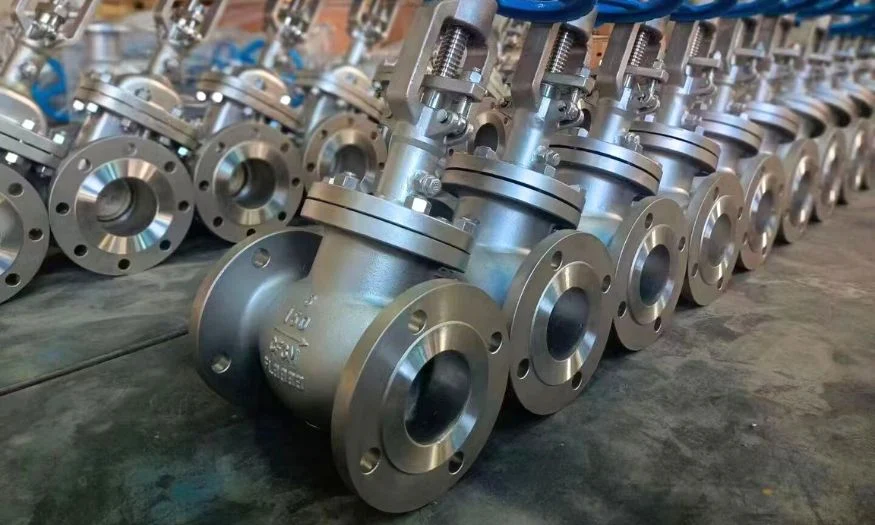
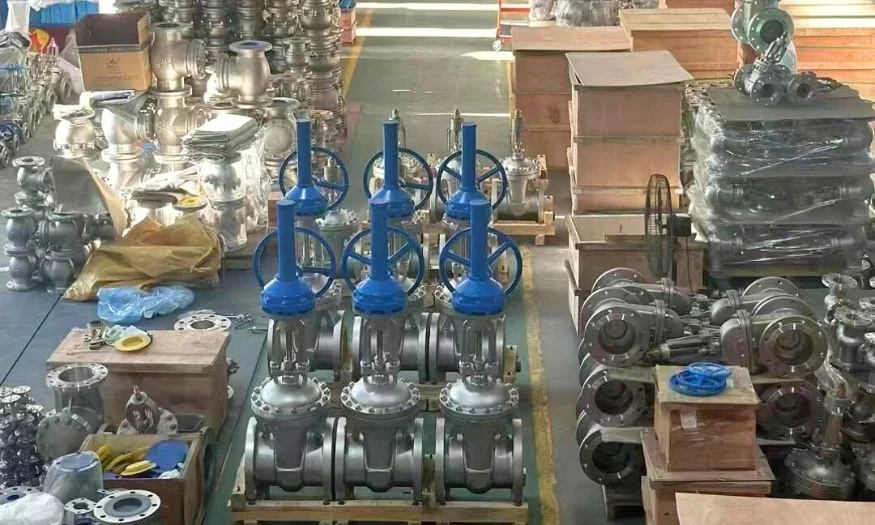
GATE VALVES

Provide a tight seal and minimal pressure drop when fully open.

CHECK VALVES

Are commonly used to prevent reverse flow and protect equipment from damage.

DIAPHRAGM VALVES

Are often used in applications where contamination or leakage must be minimized.

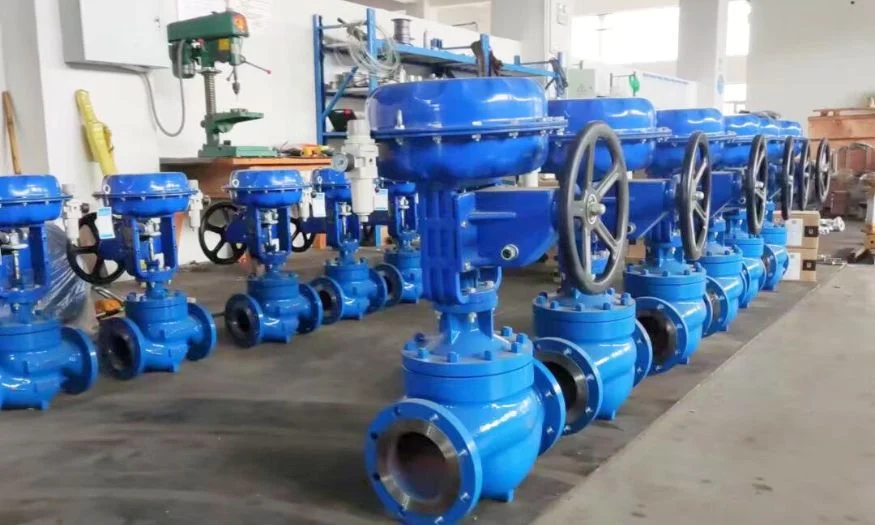
CONTROL VALVES

Are commonly used in processes requiring dynamic control and automation.

Actuation Types For Your Choice

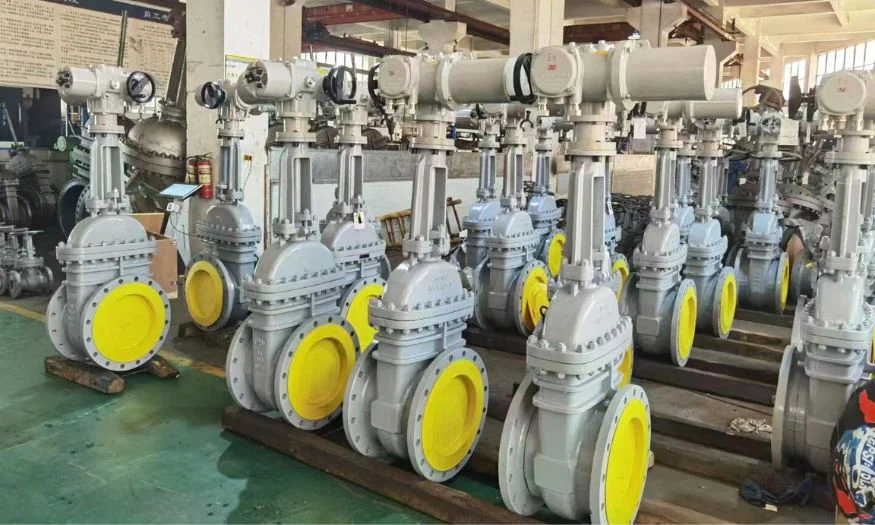
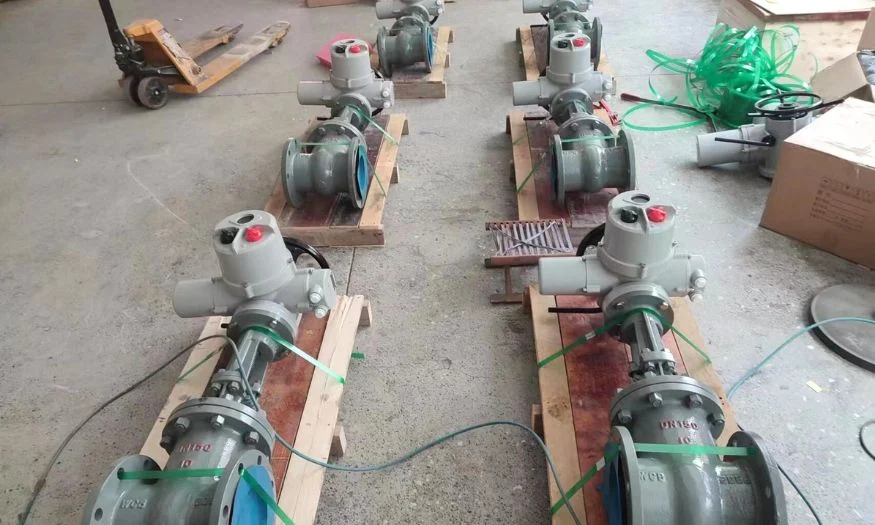
VINCER Electric Actuators

Available the ON/OFF type for opening/closing the valve, or the adjustable type for adjusting the valve’s opening and closing angle.

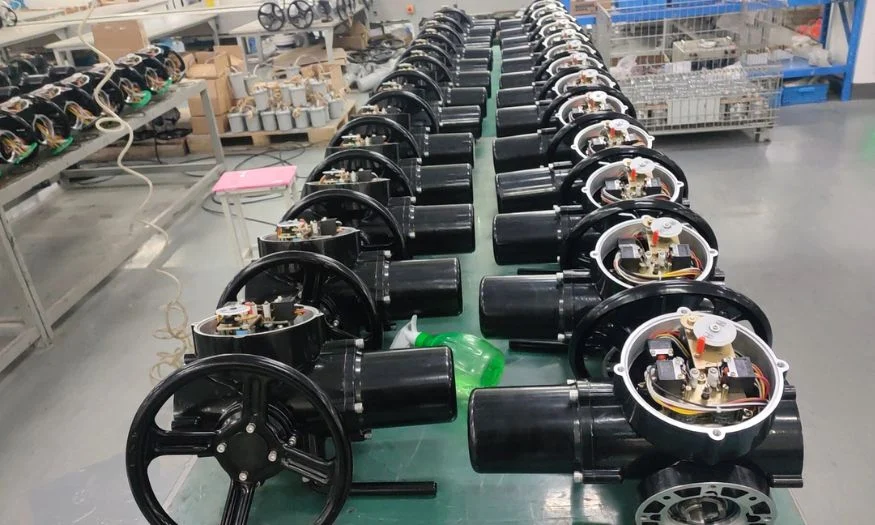
Multi-Turn Electric Actuators

Higher torque up to 10,000Nm for the gate valve or globe valve to ensure the valve opens/close fully.

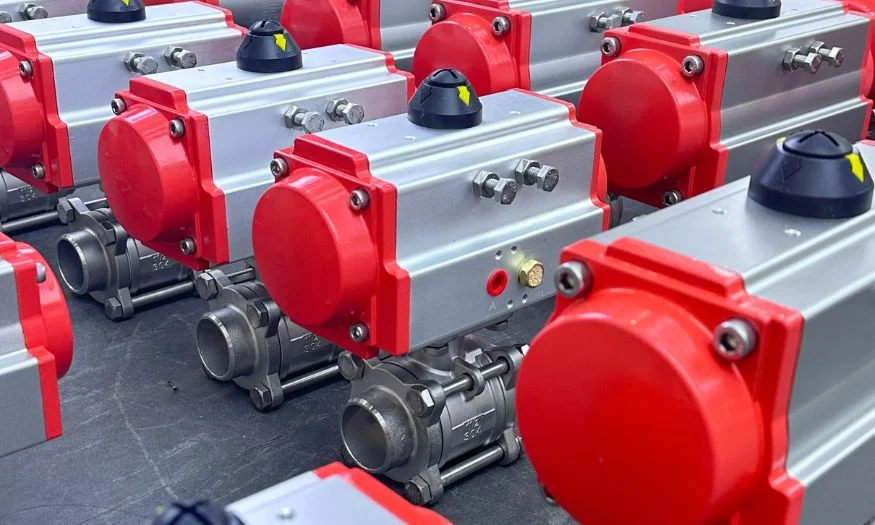
VINCER Pneumatic Actuators

Offering rack and pinion pneumatic actuator for you a stable actuation solution.

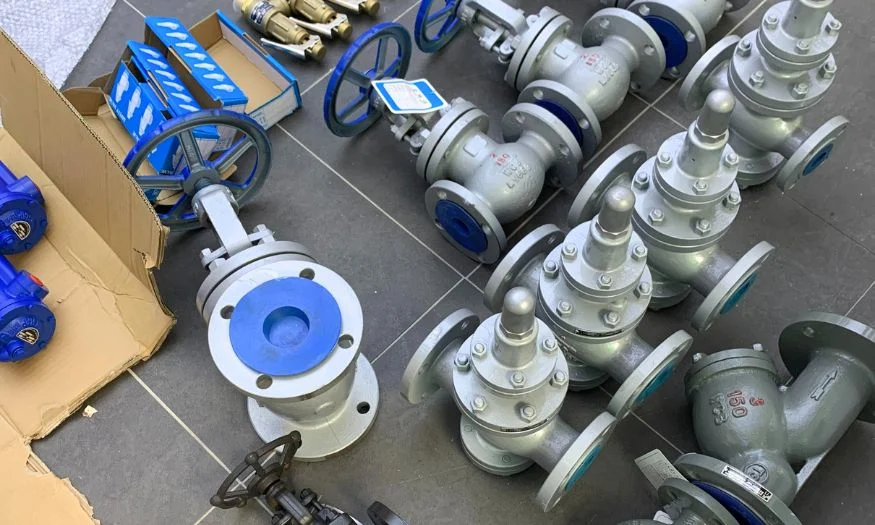
Manual Type

Available with handles or handwheels to provide you with a stable and cost-effective way to operate your valve.

VINCER's Tips For Selecting Valves

Corrosion Resistance and Chemical Compatibility

Electrolytes often contain corrosive substances that can degrade valve materials over time. It’s essential to select valves made from corrosion-resistant materials such as stainless steel, PVC, CPVC, or lined materials that are compatible with the specific electrolyte being handled. Conducting compatibility testing can help verify the suitability of materials for the electrolyte composition, preventing chemical reactions or contamination.

VINCER's Tips For Selecting Valves

Sealing Properties

Valves must provide reliable sealing to prevent leakage, especially in applications involving hazardous or toxic electrolytes. Choose valves with appropriate sealing mechanisms such as elastomer seals, diaphragms, or PTFE seats that can withstand the chemical properties of the electrolyte and maintain tight shut-off. Reliable sealing ensures safety and prevents environmental contamination.

VINCER's Tips For Selecting Valves

Flow Rate and Pressure Rating

Consider the required flow rate and pressure rating of the electrolyte transfer system when selecting valves. Choose valves with adequate flow capacity and pressure ratings to ensure smooth operation and prevent system overload or failure. Properly sized valves contribute to efficient fluid transfer and maintain system integrity under varying operating conditions.

VINCER's Tips For Selecting Valves

Temperature Range and Material Suitability

Evaluate the temperature range of the electrolyte transfer process and ensure that valve materials and seals can withstand operating temperatures without compromising performance or integrity. Selecting valves with materials suitable for the process temperature conditions prevents deformation, degradation, or failure and contributes to long-term reliability.

Need Support?

Send us a message and will reply in 12 hours.

See It to Believe It

Order a sample to test now.

Contact Us

Please enable JavaScript in your browser to complete this form.
Click or drag a file to this area to upload.