مقدمة
تُعد الصمامات مكونًا أساسيًّا في العمليات الصناعية والتطبيقات اليومية. وتستخدم الصمامات في تطبيقات متنوعة، بدءًا من أسطوانات محركات السيارات وصولًا إلى أنظمة الأنابيب المعقدة، حيث تعمل على تنظيم تدفق السوائل. ولكن ما هو الصمام ولماذا يعتبر مهمًّا إلى هذا الحد؟ وسواء كان صمامًا فراشيًّا أو كرويًّا أو مغناطيسيًّا، فلا بد من معرفة أساسيات هذه الأجهزة لتجنب وقوع أي حوادث في المجال الصناعي. في هذا المقال، سنحدد ماهية الصمام وأجزاءه وكيفية عمله. كما سنناقش فئات الصمامات واستخداماتها، بالإضافة إلى التطورات الحالية والمستقبلية في تكنولوجيا الصمامات.
ما هو الصمام في الهندسة؟ فهم الأساسيات
في الهندسة، الصمام هو جهاز ميكانيكي يتحكم في تدفق السوائل، مثل السوائل أو الغازات أو الملاط، عبر ممر مغلق ومنظم مثل الأنابيب. ووفقًا لطريقة تصميمها، تسمح الصمامات بمرور السوائل أو تقييد تدفقها أو إيقافه. وعادةً ما يحتوي جسم الصمام على آليات داخلية، مثل الأقراص أو البوابات، التي تتغير لتتحكم في التدفق وفقًا لإدخال يدوي أو آلي أو مشغَّل.
تشمل الوظائف الأساسية للصمام ما يلي:
-
بدء التشغيل أو إيقاف التشغيل سائل التدفق: يمكن أن تنفتح الصمامات بالكامل للسماح بمرور السائل، أو أن تُغلق تمامًا لمنعه من المرور.
-
ضبط معدل التدفق: فهي تتحكم في كمية السائل التي تمر عبر النظام، وتقوم بذلك بدقة.
-
الإخراج سائل: يمكن لبعض الصمامات إعادة توجيه التدفق في نظام الأنابيب إلى اتجاهات مختلفة.
-
منع التدفق العكسي: صمامات الفحص، على سبيل المثال، هي صمامات تمنع السائل من التدفق في الاتجاه الذي لا ينبغي أن يتحرك فيه.
-
تنظيم الضغط: تعمل بعض الصمامات على الحفاظ على الضغط في النظام أو خفضه لضمان التشغيل الآمن.
تُعد الصمامات عنصراً حاسماً في العديد من العمليات الصناعية، مثل توليد الطاقة والمعالجة الكيميائية، لأنها تضطلع بهذه الوظائف الحيوية.
المكونات الرئيسية للصمام: كيف تعمل الصمامات؟
تتحكم الصمامات في تدفق السوائل عبر النظام من خلال السماح بتدفق السوائل أو تقييده أو منعه. ويتم ذلك بواسطة آلية داخلية تتحرك لفتح أو إغلاق الممرات. ويمكن تشغيلها يدويًّا أو تلقائيًّا أو بواسطة مشغِّل. ويتحدد تدفق السوائل وفقًا لموضع المكون الداخلي، وهو ما يمكن الاستفادة منه للتحكم بدقة في العمليات الصناعية أو التطبيقات المنزلية.
يتكون كل صمام، بغض النظر عن نوعه، بشكل عام من عدة مكونات أساسية تعمل معًا للتحكم في تدفق السائل:
-
جسم الصمام: الغلاف الخارجي هو الذي يحتوي على جميع الأجزاء الداخلية، ويُستخدم كوصلة مع نظام الأنابيب.
-
المشغل: يمكن التحكم في هذا الجزء يدويًّا (مثلًا عن طريق تدوير مقبض)، أو تشغيله تلقائيًّا عبر أنظمة كهربائية أو هوائية أو هيدروليكية، كما يمكنه التحكم في حركة الآلية الداخلية.
-
قرص أم سدادة: الجزء الذي يقوم فعليًّا بحجب أو السماح بتدفق السائل. ففي الصمامات الكروية، تُعد الكرة الكروية هي مانع التسرب، أما في الصمامات البوابية، فإن البوابة المعدنية هي مانع التسرب.
-
المقعد: المنطقة الموجودة على السطح داخل الصمام التي يستقر عليها القرص أو السدادة عند إغلاق الصمام، لتشكيل إحكام تام يمنع التدفق.
-
الساق: تقوم هذه القطعة بنقل الحركة من المشغل، عبر الآلية الداخلية، لفتح الصمام أو إغلاقه.
تتضافر هذه الأجزاء لضمان أن يكون تشغيل الصمام سلسًا ومحكومًا وآمنًا في مجموعة واسعة من التطبيقات.
طرق تشغيل الصمامات: الصمامات اليدوية، والأوتوماتيكية، والصمامات المشغَّلة
اعتمادًا على المتطلبات المحددة للنظام، يمكن تشغيله باستخدام صمامات تعمل بطرق مختلفة. وتحدد هذه الطرق كيفية تدفق السائل، وفتح الصمام أو إغلاقه، والوقت الذي يجب فيه ضبط الصمام. وفيما يلي، نستعرض ثلاث طرق تشغيل رئيسية: اليدوية، والأوتوماتيكية، والمُشغَّلة.
دليل الاستخدام
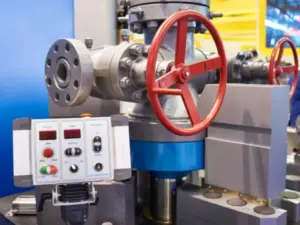
أبسط أنواع الصمامات هي الصمامات اليدوية التي يتم تشغيلها يدويًّا عن طريق تدوير العجلة أو الذراع أو المقبض. ويتم التحكم في وضع الصمام لتنظيم تدفق السائل من خلال قيام المشغل بضبط وضع الصمام. وتتميز هذه الصمامات بكونها اقتصادية وسهلة الاستخدام، كما أنها مناسبة تمامًا للتطبيقات التي لا تتطلب تعديل الصمامات بشكل متكرر.
تشمل الأنواع الشائعة للصمامات اليدوية ما يلي:
-
صمامات البوابة: غالبًا ما تُستخدم لفتح أو إغلاق التدفق بالكامل في التطبيقات السكنية والصناعية.
-
الصمامات الكروية: تُستخدم في أنظمة السباكة لما تتمتع به من قدرة على الإغلاق السريع.
-
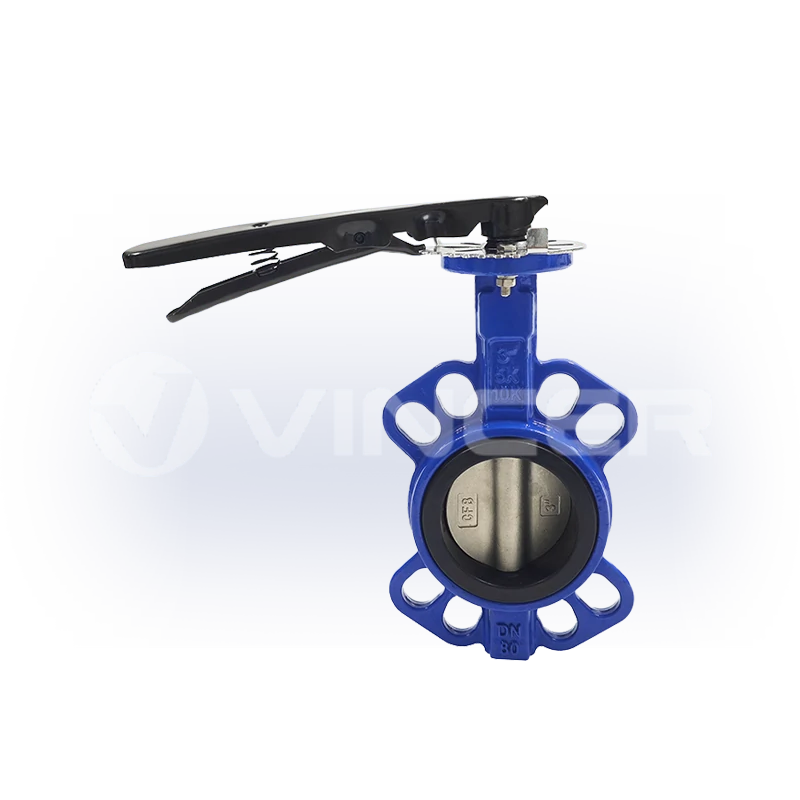
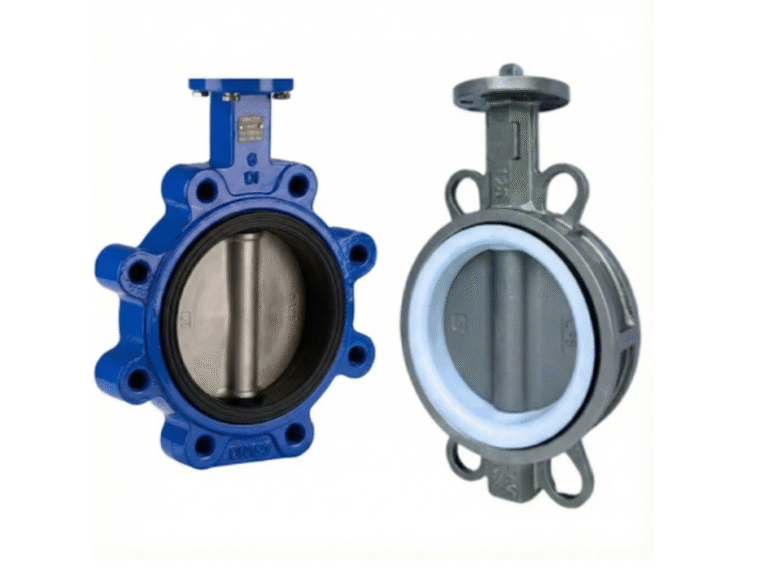
الصمامات الفراشية: تُستخدم عادةً في التطبيقات واسعة النطاق مثل أنظمة التدفئة والتهوية وتكييف الهواء (HVAC)، وتتميز بخفة وزنها وصغر حجمها.
تلقائي

تفتح الصمامات الأوتوماتيكية وتغلق حسب الحاجة دون تدخل بشري. ويعتمد تشغيل هذه الصمامات كليًّا على التغيرات في الضغط أو درجة الحرارة أو التدفق. وتُستخدم الصمامات الأوتوماتيكية في الأنظمة التي تتطلب شروط السلامة أو شروط العملية استجابة فورية، مثل صمامات الأمان أو صمامات الفحص.
أمثلة على الصمامات الأوتوماتيكية:
-
صمامات تخفيف الضغط: تُفتح تلقائيًّا عندما يصل النظام إلى حد معين من الضغط، وذلك لمنع حدوث أي تلف.
-
صمامات الفحص: يمنع التدفق العكسي تلقائيًا، مما يمنع السائل من التحرك في الاتجاه المعاكس.
مشغَّل
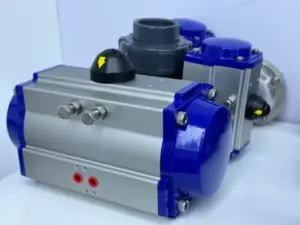
تُستخدم مصادر الطاقة الخارجية، بما في ذلك الهواء والكهرباء والضغط الهيدروليكي، لتشغيل المشغلات التي تتحكم في عمل الصمامات. ويكتسب هذا الأمر أهمية خاصة في الحالات التي تتطلب الدقة والاتساق في التحكم، على سبيل المثال، في الأنظمة الكبيرة أو الآلية. وتغني المشغلات عن الحاجة إلى التشغيل اليدوي، مما يتيح التحكم عن بُعد أو الآلي في تدفق السوائل.
أنواع الصمامات المشغلة:
-
الصمامات الهوائية: They use compressed air to move the valve. They are fast, reliable and are widely used in chemical plants and food processing industries.
-
Electric valves: These valves are powered by electric motors and are usually used in automated systems where remote control is required, and they provide high precision.
-
Hydraulic valves: These are operated by using pressurized fluids. For systems with high force needs like heavy machinery of power generation systems, hydraulic actuation is excellent.
Actuated valves are the most efficient and controllable valves in systems that require constant adjustments or high pressure, and are therefore essential in industrial processes. As a leading actuated valves manufacturer, فينسر provides tailored solutions specifically tailored to various industries including chemical processing and power generation that thrive on a reliable, precise job done. Vincer offers advanced valve solutions to optimize your system. If you’re searching for advanced valve solutions to optimize your system click here now and contact Vincer to find out how their innovative technology can make your operations better.
Different Types of Valves and Their Unique Functions
In the previous section we discussed different valve actuation methods, including manual, automatic, and actuated valves. As we do this let’s get into more detail regarding the exact types of valves found in various industries, their functions, materials, and fluid handling features. To give a complete overview, we will analyze one example from each actuation method.
Ball Valves (Manual)
Ball valves are the most common manual valves in use due to a compact design and efficient flow control. These valves feature a spherical disc (the “ball”) that rotates to open or close the flow. For their capability to hold high pressures and temperatures and shut tight when closed, ball valves are versatile in industrial applications such as water treatment, gas piping and oil refining.
Ball valves are usually available from 0.5 in (DN15) to 48 in (DN1200) range in terms of size which makes them suitable for residential as well as large scale industrial systems. Made from durable materials such as stainless steel, brass or PVC, are often corrosion proof and can handle fluids such as water, gas, and even the most aggressive chemicals.
Solenoid Valves (Automatic)
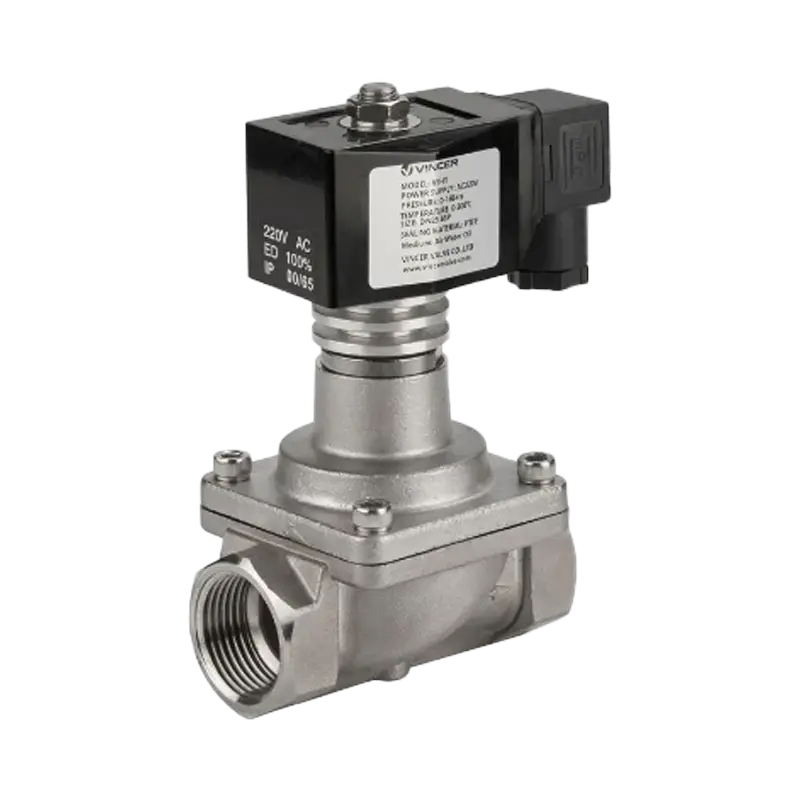
Solenoid valves are automatic, controlling opening and closing by means of an electromagnetic coil. In systems where rapid and precise control is required, such as pneumatic or hydraulic applications, these valves are excellent. In industries that require control over air or fluid flow, such as HVAC, automotive systems and pharmaceuticals solenoid valves are common.
The solenoid valves are available in common sizes from 1/8 inch (DN6) to 2 inches (DN50) depending on the system requirements. As a rule these valves are constructed of brass, stainless steel, reinforced plastics and can withstand pressures of fluid between 0.5 to 20 bar. Media such as air, water, light oils and steam can be used with solenoid valves.
Pneumatic Actuated Valves (Actuated)
Pneumatic valves are unique among actuated valves for their ability to provide rapid response and precise control. Compressed air powered, these valves are commonly used in industries where there is frequent and fast adjustment, and are frequently found in chemical processing, food production and power generation. Pneumatic valves are especially preferred for their reliability in hazardous environments where electric valves may be unsafe.
Pneumatic actuated valves are available in sizes from 1/2 inch (DN15) to 24 inches (DN600) to cover both small and large industrial applications. These valves may be made of stainless steel, carbon steel or alloy metal, depending on what fluid they are being used to handle, from gases to liquids and slurries. In applications where reliable control is required in high pressure systems, typically 2 to 16 bar, these valves are ideal.
There are different advantages to each of these valve types and advantages to each of these valve types to various applications, fluid types, and operating environments. Through comprehension of the different functions and specifications, you will be able to pick the right valve to achieve best results on your system. More information about different types of valves can be found here.
Below is a table for your quick look:
| نوع الصمام | طريقة التشغيل | Common Sizes (inches) | المواد | التطبيقات النموذجية | Fluid Types |
| صمام كروي | دليل الاستخدام | 0.5 to 48 inches (DN15 to DN1200) | Stainless steel, Brass, PVC | Water treatment, Gas pipelines, Oil refining | Water, Gas, Chemicals |
| صمام الملف اللولبي | تلقائي | 1/8 to 2 inches (DN6 to DN50) | Brass, Stainless steel, Plastics | HVAC, Automotive, Pharmaceuticals | Air, Water, Light oils, Steam |
| صمام يعمل بالهواء المضغوط | Actuated (Pneumatic) | 1/2 to 24 inches (DN15 to DN600) | Stainless steel, Carbon steel, Alloy metals | Chemical processing, Food production, Power generation | Gases, Liquids, Slurry |
Valve Materials and Selection Criteria for Different Applications
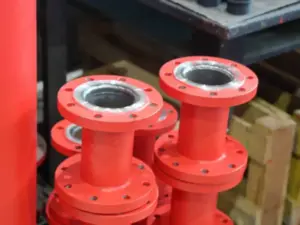
In the previous section, we talked about the materials used in various types of valves and how the right material is so important for performance. Next, we will examine how valve materials are chosen for particular applications and what criteria are used to guarantee safe operation and durability of the system.
Factors such as the type of fluid being handled, operating temperature, pressure and the environment in which the valve will operate determine the selection of valve materials. Here’s a breakdown of common types of valves materials and their ideal use cases:
-
الفولاذ المقاوم للصدأ: The resistance of this material to corrosion makes it very hard to damage, can withstand extreme temperatures and pressures. Applications are chemical plants, food processing, pharmaceuticals for handling chemicals, steam, and corrosive fluids. Its robustness, durability makes it a popular option for use in harsh environments as a ball valve, solenoid valve, and pneumatic valve.
-
Brass: Brass valves are durable, cost effective and offer excellent corrosion resistance. They are suitable for systems involving water, light oils and non corrosive gases. Much of it is used in residential plumbing, HVAC systems, and automotive industries as brass. But it’s not suitable for highly corrosive fluids or environments with extreme temperatures.
-
PVC (Polyvinyl Chloride): PVC valves are lightweight and inexpensive, and are often used in low pressure applications. They are also good for water treatment, irrigation, and some chemical processes using non aggressive chemicals. PVC valves are not suitable for high temperature or high pressure systems.
-
الفولاذ الكربوني: Carbon steel is used in manufacturing of valves which can tolerate the very harsh pressure and temperature conditions found in power generation and oil and gas processing industries. Strength and durability are listed as their main features, while less resistance to corrosion than stainless steel is.
Here is a summary for easy reference:
| المواد | Key Properties | التطبيقات الشائعة | Limitations |
| الفولاذ المقاوم للصدأ | Corrosion-resistant, high temperature and pressure tolerance | Chemical plants, food processing, pharmaceuticals | None for harsh environments; well-suited for extremes |
| النحاس | Durable, cost-effective, corrosion-resistant | Residential plumbing, HVAC systems, automotive | Not suitable for highly corrosive fluids or extreme temperatures |
| PVC (Polyvinyl Chloride) | Lightweight, affordable, suitable for low-pressure systems | Water treatment, irrigation, non-aggressive chemicals | Not suitable for high-temperature or high-pressure systems |
| الفولاذ الكربوني | High strength, high-pressure tolerance, less corrosion-resistant | Power generation, oil and gas processing | Less corrosion-resistant compared to stainless steel |
When choosing a valve material, it is essential to consider:
-
Fluid properties: Fluid Corrosiveness, viscosity, and temperature.
-
Pressure and temperature: Make sure that the material can withstand the operating conditions.
-
Application environment: Can the valve be exposed to hard chemicals, outdoors, or extremely high temperatures?
The right valve body material is matched to the application to ensure efficiency, safety and long lasting performance in a variety of industrial processes.
Valve Sizing and End Connections: Key Considerations for Optimal Performance
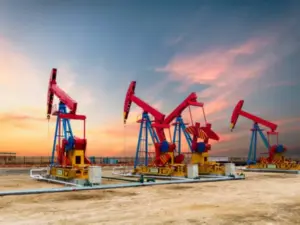
The correct valve size and end connection is critical to the optimal performance of any fluid system. Not only proper sizing affects the valve’s ability to control fluid flow well, but also it impacts system efficiency, safety and life.
Valve Sizing
The sizing valve depends a lot on things such as the flow rate, pressure drop and especially temperature. Here are the critical aspects to consider, with real-world data to guide proper sizing:
-
معدل التدفق: The flow rate of the system must be accommodated by the valve. That’s usually measured in liters per second (L/s) or gallons per minute (GPM). For example, in water systems, a flow rate could be 5 to 500 GPM (for common applications). The flow requirement is matched by the valve’s flow coefficient (Cv) which is derived as the flow rate (in GPM) that a fully open valve will pass at a 1 psi pressure drop.
-
Pressure Drop: Ensuring that the valve can handle the expected pressure drop is essential to avoid inefficiencies or damage. Typical pressure drops in such systems are from 1 to 10 psi, but in high performance systems, the pressure drop can be higher. A valve that is the right size will minimize pressure loss without sacrificing good control.
-
درجات الحرارة: The temperature at which valves are required to withstand must be considered in selecting proper valves. Stainless steel valves used in high temperature systems, for instance, are good for temperatures up to 1500°F (815°C), but brass valves are typically good for around 400°F (200°C). As the material and size must be appropriate for the operating temperature of the system to prevent deformation or failure, the system requirements must also be known.
وصلات الأطراف
As important as choosing the right valve size, choosing the right end connection type is just as important. The connection ensures that the valve fits in with the piping system and that the right one is chosen makes installation and maintenance easier. Here’s a breakdown of common end connections and their typical use cases:
-
Threaded Connections: Used for rather small valves, usually less than 2 in. in size, and for low to medium pressure applications ranging from 10 to 150 psi used for residential plumbing or small scale industrial systems.
-
Flanged Connections: In high pressure applications where leak proof, secure connections are required, flanged valves are widely used. They are used in valves 2 inches and larger and are suitable for pressures from 150 to 1500 psi. Flanged connections allow easy removal and maintenance, making them ideal for applications like chemical processing and oil and gas industries.
-
Welded Connections: Welded connections are ideal for more permanent, high pressure and high temperature systems. They are widely used in environments where conditions can be severe as described by pressure ranges in the order of 600 to 2500 psi and temperatures exceeding 1000°F (538°C).
In order to insure efficient and reliable operation while minimizing the potential for maintenance and risk, the valve size and end connections are matched as carefully as practical to the system’s specific flow rate and pressure and temperature requirements.
Recent Innovations in Valve Design and Future Trends
During the past years valve technology has been advanced significantly to reach enhanced performance, efficiency and versatility within different industries. One trend is increasing use of smart valves that combine sensors and data analytics for controlled flow. Real time monitoring is provided by these industrial valves, which enable operators to automatically adjust the direction of flow, optimizing performance in complex systems such as chemical plants or power stations.
Improvements in needle and globe valves make it possible to make more precise settings of the amount of fluid passing through, especially when fine adjustments of the amount of fluid are needed, for example. For industries, including pharmaceuticals where product quality can be affected by small deviations, control of flow paths with precision is essential.
New designs in plug valves and poppet valves also provide improved durability and lower maintenance costs, making them more suitable for heavy duty applications such as paper pulp processing or oil and gas. The valves have been optimized to work with different body types and withstand high pressures, and to maintain a stable flow under extreme conditions.
Pinch valves and knife gate valves have also been technologically advanced to be used in isolation valves for slurry and bulk material handling because they can handle linear motion and control over different passageways.
In the future, innovations like the integration of magnetic field actuators and 3D printed valve components are expected to change the design and flexibility of residential uses and industrial valves alike. While these trends will not only make valves more efficient, they will also lead toward smarter and more adaptive valve systems capable of delivering to the increasing requirements of today’s industries.
خاتمة
Valves are an indispensable device industrial processes, they greatly help to regulate fluid flow and to safely operate in the case of systems. Knowing what is a valve, how it works and the types of valves available, engineers can make informed choices for each specific application. Material, sizing and actuation methods are all factors to consider when selecting the right valve, whether it’s a ball valve, globe valve or check valve. Likewise, while valve technology is certainly maturing, we can expect increasingly innovative solutions that will reach further and further into the frontier of fluid system efficiency and control.