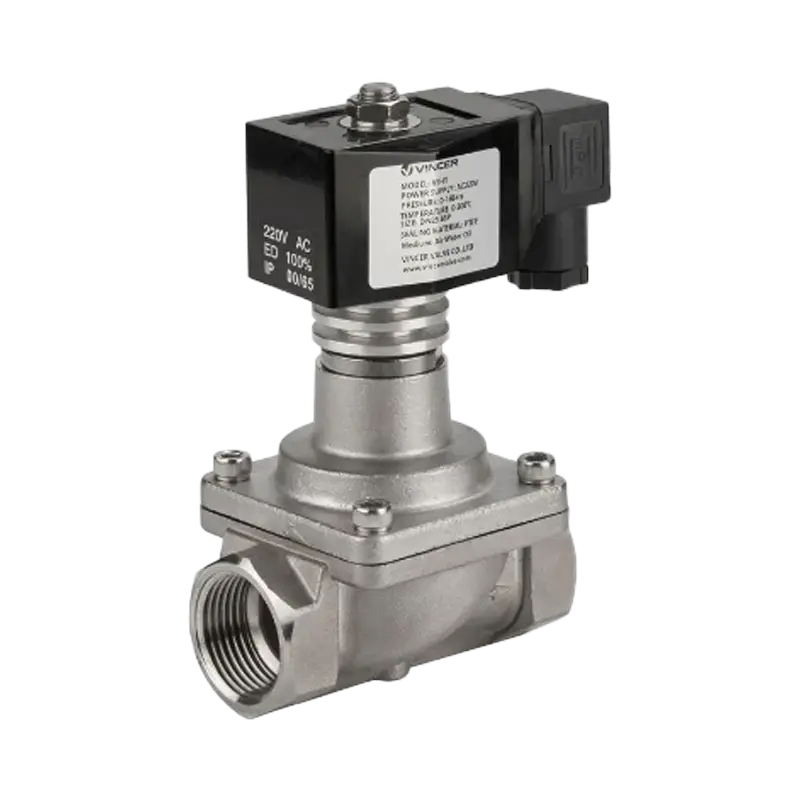
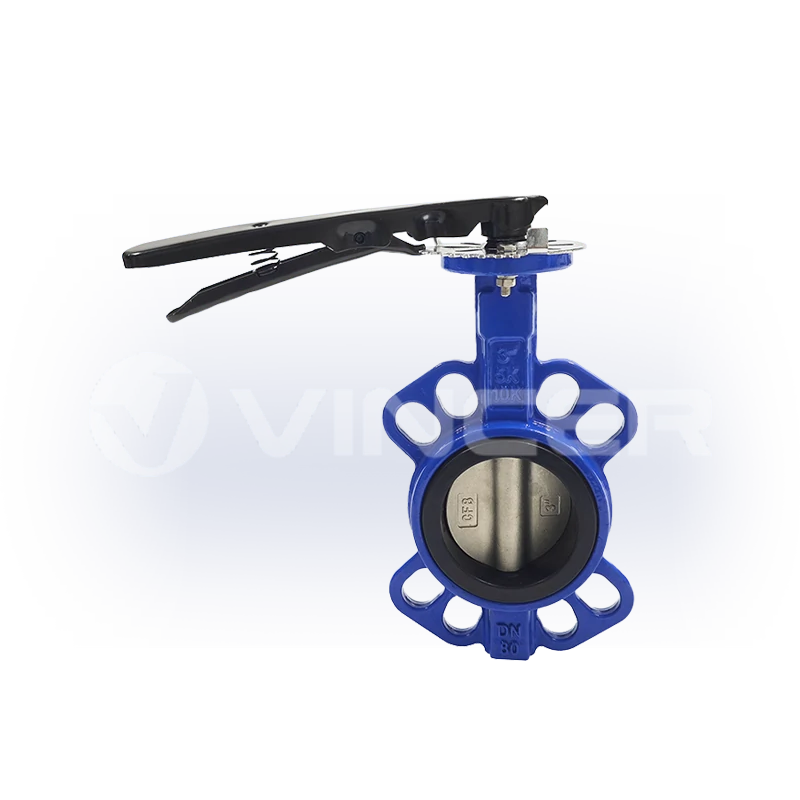
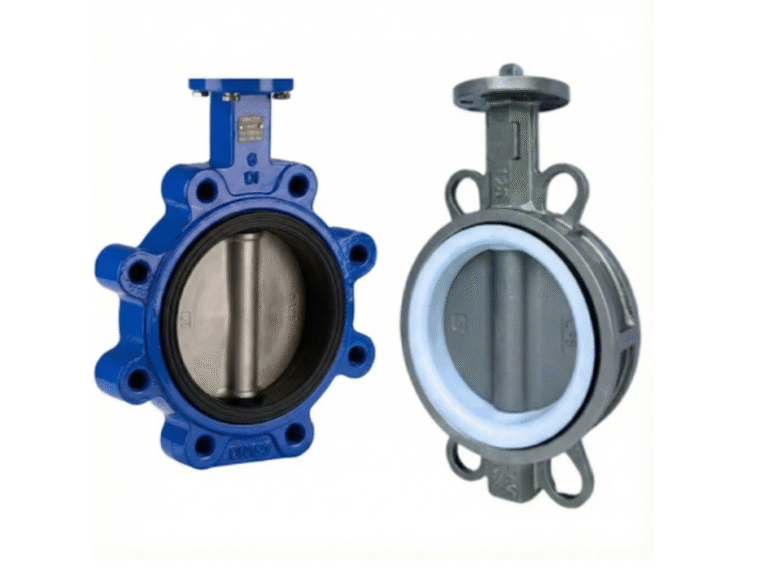
تتمثل القوة الدافعة الرئيسية وراء تقدم الصناعة الحديثة في الجمع بين الدقة والكفاءة. وتعد إدارة كمية وسرعة كل سائل وغاز أمرًا بالغ الأهمية، تمامًا كما يقود قائد الأوركسترا فرقتها. ويُعد الصمام البوابي المُشغَّل آليًّا جزءًا أساسيًّا من العمليات الصناعية المعقدة. وهو مكون رئيسي في الأتمتة، حيث يساعد في الحفاظ على سلاسة الإنتاج وتقليل استهلاك الطاقة.
ما هو صمام البوابة المُشغَّل؟
تخيل نهرًا يتدفق بسرعة ويتوقف أحيانًا، ويحتاج إلى توجيه دقيق. وتقوم صمام البوابة المُشغَّل آليًّا بوظيفة “التشغيل/الإيقاف” في خطوط الأنابيب الصناعية. فهو ليس مجرد صمام؛ بل يجمع بين صمام البوابة ومشغِّل آلي.
يتم فتح أو إغلاق الصمام البوابي اليدوي عن طريق رفع أو خفض البوابة الموجودة داخل الصمام بالجهد البشري. أما الصمام البوابي الآلي فيتم التحكم فيه بواسطة محركات كهربائية أو أسطوانات هوائية أو أسطوانات هيدروليكية. حيث تستقبل هذه المكونات الإشارات الكهربائية أو الهوائية أو الهيدروليكية وتحوّلها إلى حركة تُحرك البوابة تلقائيًّا. مما يجعل العمليات أكثر كفاءة ودقة وأمانًا. وهو عنصر مهم مثل المنارة، حيث يساعد على ضمان سلامة الإنتاج في الظروف التي تتسم بارتفاع درجات الحرارة أو الضغط، أو وجود مواد سامة أو مخاطر.
تُفضل الصمامات البوابية الآلية على الصمامات اليدوية، حيث يمكن التحكم فيها عن بُعد، وضبطها مسبقًا، كما أنها تتطلب جهدًا بشريًّا أقل، مما يوفر التكاليف ويقلل من المخاطر. كما أن التصميم يضمن عدم تأثر تدفق السوائل بشكل كبير عندما تكون الصمامات البوابية مفتوحة بالكامل. وتُستخدم أيضًا في الصناعة لعزل أو قطع تدفق السوائل بفضل قدرتها القوية على التدفق في كلا الاتجاهين وأدائها العالي في الإحكام. ونظرًا لأن البوابة حادة جدًّا، غالبًا ما تُستخدم الصمامات البوابية السكينية للملاط والوسائط الليفية.
كيف يعمل صمام البوابة المُشغَّل؟
يمكن التحكم التلقائي في الصمامات البوابية المزودة بمشغل. وتسمح آلية التشغيل للمشغل وبوابة الصمام الداخلية بالتحرك معًا في خط مستقيم.
أولاً، يجب أن نتعرف على طريقة عمله: حيث يتحرك مصراع على شكل إسفين أو متوازي داخل الصمام الصمامي صعوداً وهبوطاً لمنع مرور السائل. وبمجرد أن يفتح المصراع بالكامل، يصبح القناة مفتوحة تماماً. وعندما ينزل المصراع ويتلامس مع مقعد الصمام، يتم إغلاق القناة.
عندما يكون الصمام آليًا، يتولى المشغل دور «الدماغ» و«العضلة» معًا للتحكم فيه. ويتم تشغيل المشغل بناءً على التعليمات الصادرة عن نظام التحكم الكهربائي.
- المشغلات الهوائية: تعمل هذه المشغلات بالهواء المضغوط. حيث يؤدي الهواء المضغوط الموجود في مكبس المشغل أو حجرة الحجاب الحاجز إلى زيادة الضغط، مما يؤدي بدوره إلى تحريك المكبس أو الحجاب الحاجز. وتقوم آلية ربط بتحويل الحركة الخطية إلى قوة تحرك ساق الصمام (المرتبطة بالبوابة) لأعلى ولأسفل. ومعظم المشغلات الهوائية إما أحادية المفعول، أي تعود إلى وضع آمن عند انقطاع إمداد الهواء، أو مزدوجة المفعول، مما يعني أنها تتحرك في كلا الاتجاهين بواسطة الهواء.
- المشغلات الكهربائية: تعمل المشغلات الكهربائية بالكهرباء. حيث يقوم محرك موجود داخل المضخة، بمساعدة علبة تروس، بتشغيل ترس لولبي أو ترس دودي يحول دوران المحرك إلى حركة مستقيمة لساق الصمام. وفي بعض الحالات، يُستخدم نظام تروس مخروجة لتسهيل الحركة داخل علبة تروس المشغل. وتستخدم معظم المشغلات الكهربائية مفاتيح حدية ونظام حماية من عزم الدوران لمنعها من تجاوز وضع الفتح أو الإغلاق ومن التعرض للحمل الزائد.
- المحركات الهيدروليكية: في حين أن المشغلات الهوائية والكهربائية هي الأكثر شيوعًا في صمامات البوابة، تُفضل المشغلات الهيدروليكية عندما تكون هناك حاجة إلى قوة دفع أو عزم دوران كبيرين في الصمامات الضخمة عالية الضغط. ويتم تحريك المكبس الموجود في الأسطوانة بواسطة ضغط الزيت الهيدروليكي، مما يمنح المحرك قوة دفع ثابتة وقوية.
بغض النظر عن نوع المشغل، فإن الهدف النهائي هو ضمان حركة دقيقة وموثوقة للصمام، مما يحقق تحكماً فعالاً في السوائل.
صمام البوابة الكهربائي مقابل الهوائي مقابل الهيدروليكي
تمامًا كما تختار أفضل الإطارات لسيارة سباق، يجب أن تختار مشغلًا يوفر التوازن المناسب بين الأداء والتكلفة. فكل مشغل له مزاياه وعيوبه واستخداماته المثلى.
صمام بوابة يعمل بالهواء المضغوط
مبدأ التشغيل والخصائص:
يستخدم المشغل الهوائي الهواء المضغوط لتحريك مكبس أو غشاء داخلي، والذي بدوره يحرك ساق الصمام عبر نظام ربط. ويُعد وقت الاستجابة السريع أحد الأسباب الرئيسية التي تدفع العديد من أنظمة الإغلاق في حالات الطوارئ (ESD) إلى اختياره، حيث يمكنه الفتح أو الإغلاق في غضون ثوانٍ معدودة. ونظرًا لأنه يعمل بالهواء المضغوط وليس بالكهرباء، فإنه آمن للاستخدام في الصناعات القابلة للاشتعال والانفجار، وبالتالي لا توجد حاجة إلى أنظمة كهربائية معقدة مقاومة للانفجار. كما أن تصميمه بسيط، ومعدل أعطاله منخفض، وتحديث النظام أمر سهل.
المزايا التفصيلية:
- الرد السريع: مناسبة للإغلاق في حالات الطوارئ أو للعمليات عالية التردد التي تتطلب فتحًا وإغلاقًا سريعين.
- أمان عالٍ: خيار مثالي للمناطق الخطرة التي تفرض متطلبات صارمة لمقاومة الانفجار، ويتوافق مع معايير مثل ATEX.
- فعالة من حيث التكلفة: عادةً ما يكون السعر الأولي للمحركات الهوائية أقل من سعر المحركات الكهربائية من نفس النوع.
- نمط الفشل البسيط: عند انقطاع إمداد الهواء، تعود العديد من المشغلات الهوائية تلقائيًا إلى وضع آمن (مثل: مغلق أو مفتوح) باستخدام زنبرك.
القيود:
- الاعتماد على مصدر الهواء: أنت بحاجة إلى نظام موثوق لإمداد الهواء المضغوط يتضمن ضواغط وخزانات تخزين ومرشحات ومجففات، مما يؤدي إلى زيادة كل من تكلفة النظام واستهلاكه للطاقة.
- دقة التحكم: تعمل الأجهزة الهوائية بدقة أقل من المشغلات الكهربائية. وتتميز المشغلات الكهربائية بدقة أعلى في أنظمة الدوران التدريجي.
- كفاءة الطاقة: قد يتبين أن النظام الذي ينطوي على إنتاج الهواء أو نقله أو معالجته أقل كفاءة من الكفاءة الإجمالية في استخدام الطاقة التي يوفرها استخدام المشغلات الكهربائية.
- التأثير البيئي: قد يحتوي الهواء المخرج على كميات ضئيلة من مواد التشحيم أو الرطوبة، مما يتسبب في تأثير بيئي طفيف.
التطبيقات الشائعة: صمامات الإغلاق الطارئة في خطوط أنابيب النفط والغاز، وصمامات العزل السريع في العمليات الكيميائية، والتحكم في الحمأة في محطات معالجة مياه الصرف الصحي.
صمام بوابة يعمل بالكهرباء
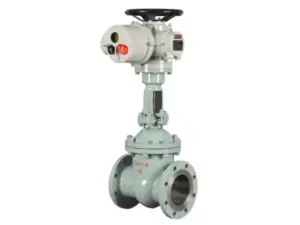
مبدأ التشغيل والخصائص:
يستخدم المشغل الكهربائي محركًا داخليًّا لتشغيل علبة تروس تعمل على خفض السرعة وزيادة عزم الدوران، مما يسمح لدوران المحرك بتحريك ساق الصمام بشكل خطي. وتحتوي معظمها على مفاتيح حدية لضمان فتح الصمام بدقة، بالإضافة إلى أجهزة حماية عزم الدوران لتجنب التحميل الزائد على المحرك. يمكن التحكم في المشغلات الكهربائية بدقة عالية، كما أنها تدعم إشارات تحكم مختلفة مثل الإشارات التناظرية 4-20mA، من أجل تنظيم دقيق للتدفق أو الضغط. وتتميز هذه المشغلات بشكل خاص بقدرتها على التحكم عن بُعد والبرمجة، ويمكن استخدامها بسهولة مع أنظمة PLC وDCS وSCADA لتحقيق أتمتة متقدمة.
المزايا التفصيلية:
- التحكم عالي الدقة: يتيح للصمام أن يفتح بالدرجة المناسبة، مما يساعد على التحكم في التدفق أو الضغط، تمامًا كما يتعامل الرسام الماهر مع الألوان.
- التحكم عن بُعد والذكاء: ويمكن تزويدها بأنظمة أتمتة متطورة وأنظمة لجمع البيانات. ويمكن دمج هذه الأجهزة بسهولة في نظام التحكم المركزي من أجل المراقبة والتشخيص والتشغيل عن بُعد.
- كفاءة الطاقة: يستهلك كمية أقل من الكهرباء عندما يكون في وضع السكون. كما أنه أقل كفاءة مقارنة بالمشغلات الهوائية في نقل الطاقة.
- عدم الاعتماد على مصدر هواء: ونظرًا لعدم الحاجة إلى معدات إضافية لتوفير الهواء، فإن عملية التركيب بسيطة ولا تتطلب سوى القليل من البنية التحتية.
- تشخيص الأعطال: تتميز أحدث طرازات المشغلات الكهربائية عادةً بميزات مثل التشخيص الذاتي، الذي يوفر معلومات تفصيلية عن تشغيلها وحالة الأخطاء أيضًا.
القيود:
- سرعة الاستجابة: عادةً ما تكون أوقات استجابة المشغلات الكهربائية أبطأ من تلك الخاصة بالمشغلات الهوائية، مما يجعلها غير مناسبة لحالات الطوارئ التي تتطلب استجابة في غضون أجزاء من الألف من الثانية.
- متطلبات مقاومة الانفجار: في البيئات القابلة للاشتعال والانفجار، يلزم استخدام مشغلات كهربائية مقاومة للانفجار باهظة الثمن من أجل الامتثال لمعايير السلامة.
- التكلفة: عادةً ما تكون تكاليف الشراء الأولية أعلى من تلك الخاصة بالمشغلات الهوائية، لا سيما عندما تكون الدقة العالية أو معايير مقاومة الانفجار مطلوبة.
- إدارة الحرارة: قد يؤدي التشغيل المتكرر إلى ارتفاع درجة حرارة المحرك، مما يستلزم مراعاة مسألة تبديد الحرارة.
التطبيقات الشائعة:في محطات معالجة المياه، يتم تنظيم تدفق المياه، وتقوم محطات توليد الطاقة بالتحكم في مسارات المياه، وتُضاف المكونات بدقة في عمليات تصنيع الأغذية والمشروبات، وتستخدم خطوط الإنتاج الآلية صمامات عزل تعمل عن بُعد.
صمام بوابة يعمل بنظام هيدروليكي
مبدأ التشغيل والخصائص:
تعتمد المشغلات الهيدروليكية على الزيت الهيدروليكي عالي الضغط لتوليد قوة دفع أو عزم دوران كبيرين من خلال تحريك المكابس داخل الأسطوانات. وهي الأنسب للتطبيقات التي تتطلب قوة دفع كبيرة واستقرارًا عاليًا، ولا سيما لتشغيل الصمامات الكبيرة أو التي تعمل تحت ضغط عالٍ أو المخصصة للأحمال الثقيلة. ونظرًا لأن الأنظمة الهيدروليكية تتميز بالصلابة الشديدة ومقاومة الصدمات، يمكن تشغيل الصمامات بسلاسة ودقة.
المزايا التفصيلية:
- قوة دفع/عزم دوران هائلان: تعمل بسهولة على تشغيل الصمامات الضخمة جدًّا أو ذات الضغط العالي التي لا تستطيع مشغلات أخرى التعامل معها، وكأنها يد عملاق تتحكم في كل شيء.
- تشغيل سلس: تضمن عدم قابلية الزيت الهيدروليكي للانضغاط حركة سلسة وخالية من الصدمات للصمام مع تحديد دقيق لموضعه.
- موثوقية عالية: أداء ثابت في الظروف القاسية، وتأثر أقل بالعوامل البيئية الخارجية، وعمر تشغيلي طويل.
- كثافة طاقة عالية: يوفر قوة إخراج عالية في هيكل صغير الحجم.
القيود:
- تعقيد النظام: يلزم وجود وحدة طاقة هيدروليكية منفصلة (تتضمن مضخة وخزانًا ومرشحات ومبردات) وشبكة أنابيب هيدروليكية معقدة، مما يجعل عملية التركيب والصيانة أكثر تعقيدًا وتكلفة.
- خطر التسرب: تنطوي الأنظمة الهيدروليكية على خطر محتمل يتمثل في تسرب الزيت، مما قد يؤدي إلى تلوث البيئة أو مخاطر تتعلق بالسلامة.
- تكلفة الصيانة: تعد تكاليف الاستبدال المنتظم لزيت الهيدروليك وصيانة النظام أعلى.
- استهلاك الطاقة: تستهلك وحدة الطاقة الهيدروليكية الطاقة عندما تعمل بشكل مستمر.
التطبيقات الشائعة: في خطوط أنابيب النفط والغاز الكبيرة، وبوابات السدود عالية الضغط، وصمامات التوربينات في محطات توليد الطاقة، والتحكم في تدفق السوائل في الآلات الثقيلة.
جدول ملخص المقارنة:
| مقال مميز | صمام بوابة يعمل بالهواء المضغوط | صمام بوابة يعمل بالكهرباء | صمام بوابة يعمل بنظام هيدروليكي |
| مصدر الطاقة | الهواء المضغوط | الكهرباء | زيت هيدروليكي |
| سرعة الاستجابة | سريع (في غضون ثوانٍ) | أبطأ (من ثوانٍ إلى عشرات الثواني) | معتدل (تشغيل سلس في ظل قوة دفع عالية) |
| دقة التحكم | متوسط (يعمل بشكل أساسي بنظام التشغيل/الإيقاف، ويتطلب جهاز ضبط الموضع للتعديل) | مرتفع (تحكم دقيق في الفتح) | عالية (تحكم سلس ودقيق في تحديد المواقع) |
| مقاوم للانفجار | ممتاز (آمن بطبيعته، ولا يحتاج إلى شهادة إضافية) | يتطلب الحصول على شهادة مقاومة للانفجار باهظة التكلفة | يتطلب تصميمًا مقاومًا للانفجار (محطة التحكم عن بُعد أو مكونات خاصة) |
| تعقيد التثبيت | تتطلب خطوط تزويد الهواء ومعدات المعالجة | بسيط نسبيًا (يحتوي على كابل الطاقة فقط) | الأكثر تعقيدًا (يتطلب وحدة طاقة هيدروليكية، وأنابيب، ونظام إدارة السوائل) |
| التكلفة الأولية | Relatively Lower | متوسط إلى مرتفع | Highest |
| Running Cost | Energy for air production and treatment | Lower (consumes power only during operation) | Hydraulic oil replacement, pump running, regular maintenance |
| Torque/Thrust | Moderate (limited by air pressure) | Moderate (limited by motor power) | Huge (suitable for large bore, high-pressure valves) |
| Applications | Emergency shut-off, hazardous areas, available air supply, frequent on/off | Precise regulation, remote control, no air supply, data feedback, complex automation integration | Large bore, high pressure, heavy duty, needs high rigidity and impact resistance |
How Do Actuated Gate Valves Achieve Automatic Control?

Industrial automation systems today are advanced nerve centers and actuated gate valves are their final working parts. They are given different control signals to ensure they open, close or regulate correctly. These signals may be basic on/off types or more advanced analog signals (such as 4-20mA or 0-10V) for controlling valves in proportion to the signal. They can also send and receive digital signals (Modbus, Profibus, Ethernet/IP) with higher-level PLCs, DCS or SCADA systems.
The seamless integration of actuated gate valves with these automation systems is key to efficient production. Through PLCs/DCS, operators can remotely monitor valve status, issue operation commands from a control room, and even set up complex logical control programs to interlock or sequence valve operations. SCADA systems provide a comprehensive view, visualizing valve data across the entire production line for better management and decision-making.
Because of the Industrial Internet of Things (IIoT), actuated gate valves are now more intelligent. They can add sensors that gather data about the machine’s cycles, stroke position, temperature and vibration, then send this information to the cloud for analysis. With this, predictive maintenance is possible, so repairs can be planned ahead of any valve failure which greatly reduces both unexpected downtime and repair expenses. For example, if the current or torque of an actuator changes, it could mean the valve is sticking, just as an electrocardiogram can reveal heart problems to a doctor.
A positioner is also necessary for accurate control of the movement of actuated gate valves. It takes in analog commands and uses feedback to control the actuator so the valve opens to the correct level. Limit switches, solenoid valves and filters are other accessories that help make actuated gate valves more precise, reliable and safe.
Selecting Your Ideal Actuated Gate Valve For Automation System
Selecting the proper actuated gate valve for an automation system is not as easy as just picking one. It is more about making exact engineering decisions, as every step can affect the system’s performance, safety and cost.
- Medium Characteristics are Primary: Clearly identify the medium flowing through the valve. Is it water, steam, corrosive acids/bases, abrasive slurries, or flammable/explosive gases? The medium’s corrosiveness, abrasiveness, temperature, pressure (often measured in psig), viscosity, and presence of particulates directly determine the choice of valve body and sealing materials. For example, the desalination industry requires highly corrosion-resistant materials, while food processing demands strict hygienic standards.
- Operating Conditions and Performance Parameters: How long and reliably the valve operates depends on its normal operating pressure/temperature, maximum/minimum pressure/temperature and ambient temperature. In hazardous areas, explosion-proof rating is always required.
- Size and Connection Type: Select the appropriate valve size (DN/NPS) and pressure rating (PN/Class) based on pipeline diameter and system pressure. Common connection types include flange, threaded, and welded connections, which must be compatible with existing pipeline systems.
- Valve Body and Sealing Materials: The choice of valve body material (e.g., cast iron, carbon steel, stainless steel, special alloys) and sealing components (soft seal, hard seal) is critical.
- اختيار المشغل: Choose the best-matched electric, pneumatic, or hydraulic actuator based on your requirements for power/air source availability, operating frequency, required torque, response speed, and control precision.
- Certifications and Standards: Check that the valve you choose is in line with important international and industry standards, for example, API, ISO, ASME, CE, RoHS, SIL, FDA and so on. They ensure that products are safe and of good quality.
- Cost-Benefit Analysis: Beyond initial purchase cost, consider long-term operating and maintenance costs, energy consumption, and spare parts availability. This is like “penny wise, pound foolish”; focusing only on the initial price can lead to high future maintenance costs.
VINCER specializes in automated valve solutions with a wide range of products including electric and pneumatic valves, offering customized options to fit your exact requirements. With over a decade of industry experience, VINCER particularly excels in electric and pneumatic valves.
Our team, who has a lot of experience, carefully examines your needs in terms of medium analysis, temperature analysis,medium pressure analysis, control methods, material requirements, connection standard, material opening/closing time and installation position and space to give you the best and most accurate solution. We give you the flexibility to choose from a wide range of functions, materials and international standards.
VINCER offers a convenient service for purchasing all types of automated control valves. We are proud of our quick service: quotes are delivered within 24 hours for easy requests and we provide preliminary solutions for complex projects within 48 hours. We are able to deliver standard products within 7-10 days and custom products within 15-30 days which is much faster than many international brands.
We offer truly competitive pricing without compromising quality. Our valves can be 30% or more lower in price than comparable international brands, with even greater savings on specialized products. Every VINCER product uses premium raw materials and high-end imported sealing components, ensuring exceptional wear resistance, high-temperature resistance, and corrosion resistance, extending lifespan. We maintain rigorous quality control, with each product undergoing multiple inspections and documented with debugging videos, MTCs, and quality assurance certificates. VINCER is ISO9001 certified, and our products hold various international certifications like CE, RoHS, SIL, and FDA.
Installation, Maintenance And Troubleshooting
A machine can only reach its highest potential if it is installed correctly and maintained carefully. Actuated gate valves are also affected by this issue. If you don’t follow these steps, it’s like driving a car without ever checking it; it will eventually stop working in the long run.
Installation And Commissioning
- Safety First: Before installation, always release fluid pressure from the pipeline and ensure no residual media remains in the pipe. Wear necessary personal protective equipment.
- Pipeline Preparation: Ensure pipeline ends are aligned, clean, and free of debris or burrs. For flanged connections, bolts should be tightened evenly in a cross pattern to prevent uneven stress leading to leaks.
- Actuator Installation: Follow the manufacturer’s instructions strictly for actuator installation, ensuring a secure and reliable connection to the valve stem. Apply necessary waterproofing and dust protection.
- Electrical/Pneumatic Connections: Connect power lines, control lines, or air supply lines correctly, ensuring no damaged wires or leaking joints.
- Commissioning and Calibration: This is a critical step. Set the actuator’s limit switches to ensure the valve stops precisely at fully open and fully closed positions. For modulating valves, calibrate the positioner to accurately respond to control signals, achieving the desired flow or pressure regulation.
Routine Maintenance
- عمليات التفتيش الدورية: Periodically check the exterior of the valve and actuator for signs of corrosion, wear, or leakage. Listen for any unusual noises or vibrations from the actuator.
- التشحيم: According to the manufacturer’s recommendations, regularly lubricate moving parts such as the valve stem and actuator gears to reduce friction and extend service life.
- Fastener Checks: Periodically check all bolts and nuts for looseness and tighten them promptly.
- التنظيف: Keep the valve and actuator surfaces clean, preventing dust and dirt buildup that could affect heat dissipation or corrode components.
Common Faults And Troubleshooting
In the daily operation of actuated gate valves, some common faults may occur. Understanding the causes and remedies for these issues helps restore system operation quickly.
- Valve does not operate: This could stem from a power or air supply cut-off, loss of control signal, internal actuator failure, or an obstruction due to foreign objects, or corrosion. During this process, ensure that power/air is functional. If the control lines are connected, check them. Examine the actuator for obvious damage and then inspect the valve from inside for any sticking.
- Valve leakage: Leakage issues are often as a result of old worn out sealing parts, scratched surfaces, and loose bolts. This issue can be changed by replacing the old sealing parts and grinding away damage on the seals, then tightening all the bolts and confirming pipeline pressure is normal.
- Slow or incomplete operation: These issues may stem from insufficient air pressure, unstable power supply voltage, mechanical failure within the actuator (such as wear), or excessive friction within the valve. To resolve, check if air pressure or power voltage meets specifications, inspect for abnormal wear inside the actuator, and properly lubricate moving parts like the valve stem.
- Actuator abnormal noise or overheating: If the machine is making strange noises or getting too hot, it may be due to worn gears or bearings, not enough lubrication or the valve’s torque being higher than what the actuator can handle. Check the inside of the valve, add or change the lubricating oil and make sure the valve can be opened or closed with the actuator’s power.
Conclusion: Actuated Gate Valves – The Cornerstone And Future Trend of Industrial Automation
In the rapidly evolving field of industrial automation, actuated gate valves are necessary for handling fluids. Because they are efficient, accurate, reliable and safe, they help various industries such as petrochemical, water treatment, food processing, mining and metallurgy function smoothly. Thanks to actuated gate valves, production is more efficient, labor costs are lower, risks are reduced and industrial processes are now managed with more advanced technology.
In the future, actuated gate valves will be made smarter, more environmentally friendly and more customizable. Thanks to IoT, artificial intelligence and big data, future valves will be able to detect problems, forecast when maintenance is required and modify their actions accordingly. They will not just turn on and off; they will also communicate with all parts of the smart factory. At the same time, the push for green manufacturing and energy conservation will lead the valve industry to use safer materials and energy-efficient drive systems.
VINCER, a company that specializes in automatic valves, strives to give customers the best automatic control valve services and the greatest value. We are eager to help you improve industrial automation, so your fluid control systems operate with the precision of a clock, making sure your business always does well.