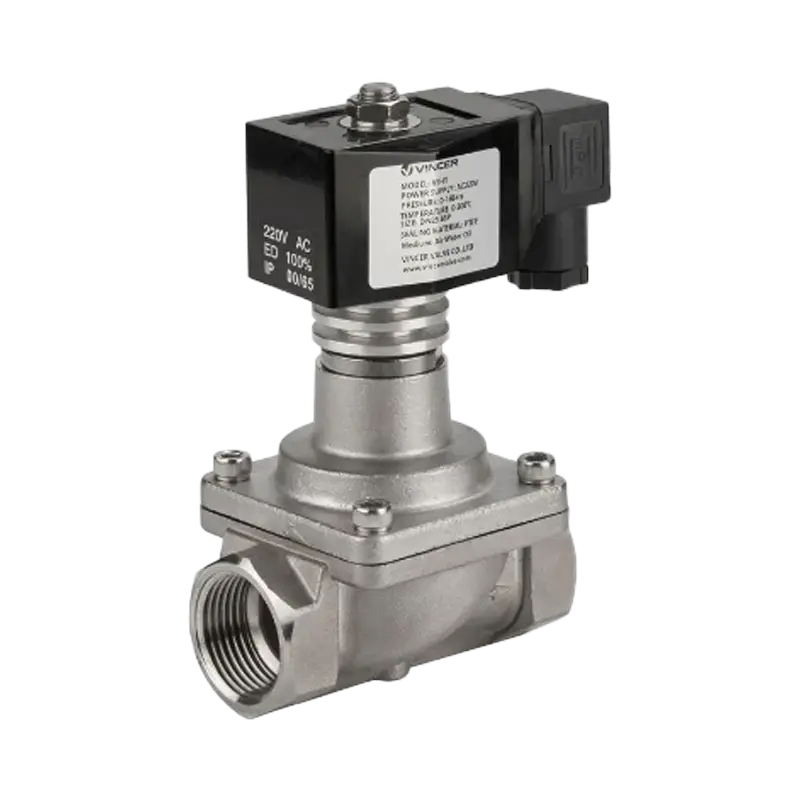
ما هو الصمام اللولبي وكيف يعمل؟
في عالم أنظمة التحكم، يلعب الصمام الذي يعمل كهربائيًا وميكانيكيًّا، والمعروف باسم الصمام اللولبي، دورًا مهمًا. فهو يوفر تحكمًا آليًّا في السوائل. يعمل هذا المكون كالمفتاح أو المحوِّل الذي يمكن التحكم فيه باستخدام الكهرباء. تتيح الصمامات اللولبية وظائف السماح بالتدفق وتعديله، بما في ذلك كمية السائل واتجاهه وضغطه وحتى درجة حرارته. ويُعد الملف السلكي الكهربائي المكون الرئيسي. يولد التيار الكهربائي الذي يمر عبر الملف مجالًا مغناطيسيًّا (قوة كهرومغناطيسية) يحرك قضيبًا معدنيًّا (المحرك) داخل جسم الصمام (للسحب أو الدفع). وهذا بدوره يحرك قلب الصمام. ويؤدي دوران قلب الصمام إلى تغيير موضع الوسيلة المتحركة للسائل، مما يتيح التحكم في تدفق السوائل. صمامات الملف اللولبي هي أجهزة تعمل على تحويل الطاقة الكهربائية إلى طاقة ميكانيكية. وهذا يتيح إمكانية الوصول عن بُعد أو الأتمتة للتحكم في الأوامر.
نظرة عامة على طرق التصنيف الرئيسية للصمامات اللولبية
ليست جميع الصمامات اللولبية متشابهة. فهي تختلف باختلاف ظروف التشغيل. وتعد معرفة أنواع الصمامات اللولبية الخطوة الأولى لاختيار الصمام المناسب لنظامك حتى يعمل بكفاءة وموثوقية. وفيما يلي جدول يصنف الأنواع المختلفة للصمامات اللولبية كما تمت مناقشتها هنا بشكل مبسط:
| طريقة التصنيف | الوصف | أمثلة على الأنواع الشائعة |
| حسب مبدأ التشغيل | كيف تحرك القوة المغناطيسية قلب الصمام | ذو تأثير مباشر، يعمل بواسطة صمام توجيهي، ذو تأثير شبه مباشر |
| حسب عدد المنافذ | كم عدد الوصلات المخصصة للأنابيب؟ | ثنائي الاتجاه، ثلاثي الاتجاه، رباعي الاتجاه، خماسي الاتجاه |
| حسب الحالة الافتراضية | حالة الصمام اللولبي عندما لا يكون الملف مزودًا بالطاقة | مغلق عادةً (NC)، مفتوح عادةً (NO) |
| حسب مادة الهيكل | المادة الملامسة للسائل | النحاس، الفولاذ المقاوم للصدأ، البلاستيك، الحديد الزهر، إلخ. |
| حسب الوظيفة/الغرض | للاستخدامات الخاصة أو احتياجات المراقبة | مقاومة الضغط العالي، ومقاومة درجات الحرارة العالية، ومقاومة التآكل، ومقاومة الانفجار، ومطابقة المعايير الصحية، وما إلى ذلك. |
تمامًا كما تنتمي الحيوانات والنباتات إلى بيئات مختلفة في الطبيعة، تُصمم أنواع مختلفة من الصمامات اللولبية لتلبية متطلبات محددة، مثل نوع السائل، ودرجة الحرارة، والضغط، ومعدل تدفق السائل، ومنطق التحكم.
"مفتوح عادةً" مقابل "مغلق عادةً"
تُعد حالة الملف اللولبي للصمام عندما لا يكون مزودًا بالطاقة (حالته غير المزودة بالطاقة) نقطة أساسية ومهمة عند اختيار الصمام.
صمام الملف اللولبي المغلق عادةً (NC): كما يوحي الاسم، يكون الصمام المغلق عادةً في وضع الإغلاق، أو لا يمكن للسوائل المرور منه عندما لا يتم تزويد الملف بالطاقة. ولا تتدفق السوائل إلا عند تزويد الملف بالطاقة. حيث يقاوم الزنبرك هذه الحركة، بينما تعمل القوة المغناطيسية على رفع الصمام لفتحه. وهذا هو النوع الأكثر شيوعًا. ويُستخدم على نطاق واسع عندما يتعين أن يكون الصمام في وضع الإغلاق معظم الوقت. على سبيل المثال، في آليات الإغلاق الآمنة أو منع التسرب.
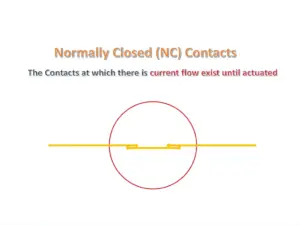
صمام الملف اللولبي المفتوح عادةً (NO): وهو عكس النوع المغلق عادةً (NC). يكون الصمام المفتوح عادةً مفتوحًا عندما لا يتم تزويد الملف بالطاقة، وبالتالي يتدفق السائل بحرية دون أي عائق. ولا يتوقف تدفق السائل إلا عند تزويد الملف بالطاقة. حيث تدفع القوة المغناطيسية قلب الصمام، مما يؤدي إلى إغلاقه. تُستخدم الصمامات المفتوحة عادةً عندما يتعين أن تظل هذه الصمامات مفتوحة معظم الوقت. ولا تُغلق إلا في حالات معينة، أو في حالة حدوث عطل. على سبيل المثال، في بعض أنظمة التبريد أو للتصريف في حالات الطوارئ.
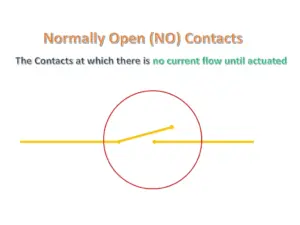
لتوضيح الفروق، انظر إلى الجدول أدناه:
| مقال مميز | Normally Closed (NC) | مفتوح عادةً (NO) |
| الحالة الافتراضية (إيقاف التشغيل) | مغلق | فتح |
| حالة التشغيل (التيار الكهربائي موصول) | فتح | مغلق |
| كيف يعمل | القوة تجعله مفتوحًا | القوة تجعل النتيجة متقاربة |
| التطبيقات النموذجية | إيقاف التشغيل الآمن، لمنع التسرب، ويجب أن يظل مغلقًا في أغلب الأحيان | الحاجة إلى البقاء مفتوحًا في كثير من الأحيان، وأنظمة التبريد، والتصريف في حالات الطوارئ |
تحدد متطلبات التطبيق الخاص بك ما إذا كان عليك اختيار الصمام المفتوح عادةً أم المغلق عادةً. هل يجب أن يكون الصمام مفتوحًا أم مغلقًا عندما لا يكون نشطًا؟ الأمر مشابه للاختيار بين باب يُدفع أو يُسحب. كلاهما يسمح بالدخول، لكن الاستخدام المقصود والاحتياطات هي التي تحدد الخيار.
شرح مبادئ تشغيل الصمامات اللولبية: الصمامات ذات التشغيل المباشر، والصمامات ذات التشغيل التوجيهي، والصمامات ذات التشغيل شبه المباشر
تؤثر طريقة عمل الصمام اللولبي من الداخل على مدى كفاءته في التعامل مع الضغط وتدفق السوائل. كما تؤثر أيضًا على سرعة استجابته.
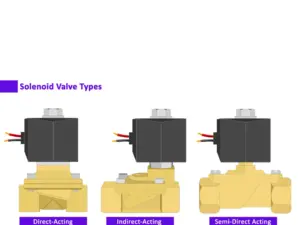
الصمامات اللولبية ذات التأثير المباشر: المبادئ الميكانيكية والتطبيقات
تُعد الصمامات اللولبية ذات التأثير المباشر أبسط أنواع الصمامات. حيث تعمل القوة الكهرومغناطيسية الناتجة عن الملف على المحرك المرتبط مباشرةً بقلب الصمام. وهذا يسمح بفتح الصمام أو إغلاقه من خلال التغلب على مقاومة الزنبرك وضغط السائل. وهي أجهزة مصغرة تستجيب بسرعة. ويمكنها العمل دون وجود فرق في الضغط. ومع ذلك، فإن القوة المغناطيسية محدودة. ولذلك، تُفضل الصمامات ذات التأثير المباشر في الأنابيب الأصغر حجمًا وفي التطبيقات ذات الضغط المنخفض. وللتحكم الدقيق في كميات صغيرة من السوائل، تُعد الصمامات ذات التأثير المباشر خيارًا مثاليًّا، كما هو الحال في الأجهزة الطبية أو أجهزة التحليل المختبرية.
الصمامات اللولبية التي تعمل بنظام التحكم التجريبي: كيف يساعد الضغط في التشغيل
تُعد الصمامات اللولبية التي تعمل بتشغيل تجريبي، والمعروفة عمومًا باسم الصمامات ذات التشغيل غير المباشر أو الصمامات المدعومة بمشغل، مثالًا على مبدأ النسبة في التشغيل. فهي لا تستخدم القوة الكاملة لتدفق الطاقة المغناطيسية لفتح الصمام الرئيسي بالكامل. بل تُستخدم القوة المغناطيسية لفتح فتحة تجريبية صغيرة أولاً. ويؤدي فتح هذه الفتحة التجريبية إلى تغيير توازن الضغط على جانبي الحجاب الحاجز أو المكبس في الصمام الرئيسي. ويستخدم الصمام ضغط السائل لإزالة انسداد الصمام الرئيسي — الذي يعتمد بدوره على فرق الضغط أيضًا. وهذا يتيح التحكم في الصمامات القوية بقوى صغيرة. وتتمتع هذه الصمامات بالقدرة على تحمل ضغوط هائلة ومعدلات تدفق سوائل ضخمة. ومع ذلك، تحتاج الصمامات التي تعمل بواسطة صمام توجيهي إلى فرق ضغط أدنى لتعمل بكفاءة. كما أن زمن استجابتها أطول من زمن استجابة الصمامات ذات التأثير المباشر.
الصمامات اللولبية شبه المباشرة: مبادئ المزج
تتميز الصمامات اللولبية شبه المباشرة بخصائص كل من النوعين المباشر والتوجيهي. فهي تحتوي على حديد مغناطيسي متصل مباشرةً بنواة الصمام من أجل التحكم المباشر. وتتيح هذه الميزة لها العمل عند فرق ضغط يساوي صفرًا. بالإضافة إلى ذلك، تحتوي على غشاء أو مكبس مزود بفتحة توجيهية تستخدم ضغط السائل للمساعدة في فتح الصمام الرئيسي. بعد تزويد الملف بالطاقة، يقوم المحرك برفع قلب الصمام مباشرةً. يؤدي هذا الإجراء إلى فتح الصمام الرئيسي وكذلك المنفذ التوجيهي. وبالتالي، يتراكم فرق ضغط داخل السائل. وهذا يساعد الحجاب الحاجز أو المكبس على فتح الصمام بالكامل. وتتميز هذه الصمامات بمزايا كلا النوعين. ولا يتطلب تشغيلها أي فرق ضغط. كما يمكنها التحكم في معدلات تدفق السوائل والضغوط الأعلى.
لتوضيح الفروق، انظر إلى الجدول أدناه:
| مقال مميز | ذو تأثير مباشر | تعمل بالتحكم اليدوي | شبه مباشر المفعول |
| Works at Zero Pressure | Yes | No (needs minimum pressure) | Yes |
| Size / Pressure | Small size, Low pressure | Large size, High pressure | Medium to Large size, Medium-High pressure |
| سرعة الاستجابة | سريع | Slow | متوسط |
| الهيكل | Simple and compact | More complex | More complex |
| Energy Use | Relatively lower (for same size) | Lower (when controlling large sizes) | متوسط |
| Application Scenario | Small flow, Low pressure/Vacuum, Zero pressure start needed, Precision control (e.g., analysis instruments) | Large flow, High pressure, Requires minimum pressure, Industrial pipelines (e.g., water supply) | Medium-Large flow, Medium-High pressure, Zero pressure start needed, Wide range of general uses |
Knowing the operating principle is critical since it determines how a valve will manage fluid pressure. This impacts performance in areas such as size, capacity, and speed.
Exploring Different Port Configurations: 2-Way, 3-Way, 4-Way, 5 Way
The “way” of a solenoid valve means the number of connection ports it has for pipes. The “position” means the number of steady states the valve core can be in. The number of ways controls the paths the fluid flow can take.
Two-Way (2-Way) Valves: Simple On/Off Control
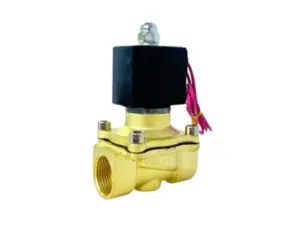
2-way valves are the simplest type of valves. They have two ports, one inlet port and one outlet port. They possess the two positions of “open” and “closed”. The primary operation of 2-way valves is fluid stopping or allowing fluid flow in simple systems. Easy to use and recommend for simple solutions, 2-way valves are the most popular solenoid valves, commonly found everywhere.
Three-Way (3-Way) Valves: Diverting and Mixing
Three-way (3-Way) valves possess three ports, facilitating the alteration of fluid direction, flow splitting, or fluid mixing. For instance, fluid coming from an inlet port can be directed to one of the two outlet ports. Alternatively, fluid from two inlets can be directed into a single outlet and thus, become mixed. These valves are commonly utilized in the regulation of single-acting cylinders or to shift fluid pathways.
Four-Way (4-Way) Valves: Controlling Double-Acting Cylinders
4-Way valves consist of four ports which enable them to control double-low cylinders and other implements which utilize two working ports. 4-Way valves also have the ability to shift fluid to both ends of the cylinder, which allows the piston to move up and down.
Five-Way (5-Way) Valves: Common in Pneumatic Systems
Like the name suggests, 5 Way valves have five ports. They are used in most pneumatic systems, specifically tasked with the control of double-acting cylinders. Like the 4-way valves, they also change fluid direction, however, 5-way have two exhaust ports, enabling better control over exhaust speed. For some applications where precision over speed and positioning of the piston is essential, this is useful.
Choosing the number of ways is like picking a traffic hub. It depends on how many “roads” for fluid flow you need to manage and how you want to direct the fluid “traffic.”
لتوضيح الفروق، انظر إلى الجدول أدناه:
| النوع | عدد المنافذ | Typical Function | Common Application |
| ثنائي الاتجاه | 2 | Open/Close, stopping flow | Simple fluid flow control |
| ثلاثي الاتجاهات | 3 | Change direction, split, mix | Control single-acting cylinders, switch fluid flow paths |
| 4-Way | 4 | Change fluid direction | Controlling double-acting cylinders |
| 5-Way | 5 | Change fluid direction, with exhaust | Precise control of double-acting pneumatic cylinders |
Solenoid Valve Applications Across Various Industries
You can find solenoid valves almost everywhere. They are indispensable in modern technology as well as everyday life. In fact, they can be located in domestic appliances such as washing machines and even in highly sophisticated industrial processes. Some of the main application areas include:
- Industrial Automation: Robotics and automatic production lines require control of liquids and gases for different applications.
- HVAC Systems: Regulation of the flow of fluid or hot water in order to control temperature.
- Water Treatment: Regulation of water sources and chemical additions for various applications.
- Medical Equipment: Control of gas and liquid output.
- Agriculture: Automated irrigation systems.
- Vehicles: Management of the fuel system, exhaust system, etc.
Choosing the Right Solenoid Valve: Key Selection Factors
For a system to operate stably and reliably, selecting the proper solenoid valve is essential. This is not only about the type. Every part must be considered simultaneously. It’s akin to a tailor crafting garments based on precise measurements; every stitch must be tailored and the fitting must be exact. You need to opt for a particular type due to the specific circumstances.
- Media Compatibility (Type, Temperature, Viscosity): The type and temperature of the liquid, whether it be corrosive fluids, water, gases, or other) along with the fluid’s thickness (viscosity) influences the choice of seals and valve body material. Using an inappropriate material results in valve corrosion, leaks or safety issues. For instance, special materials are needed for high-temperature steam. VINCER offers around 50 materials that can satisfy most needs. For specific requirements, custom materials can be engineered. This ensures optimal operation of the valve against the contained fluids while prolonging service life.
- Pressure, Fluid Flow Rate, and Orifice Size: The system’s pressure and the needed fluid flow rate decide which operating principle valve is best (direct, pilot, or semi-direct). They also decide the right size of the internal opening (Orifice Size). Not enough pressure can stop a pilot valve from opening. Too much pressure can break the valve. The fluid flow needed directly affects the orifice size choice.
- Electrical Specifications (Voltage, Power, Frequency): The solenoid coil requires determined voltage (AC or DC) and power to function satisfactorily. The control system’s energy output also needs to be in line with the valve’s requirements. Power that does not match the requirement results in failure of the coil and problems with the valve. These aspects alongside numerous customizations are considerations VINCER’s engineers take. They can even make the coil design more effective to save on energy use. This contributes to saving energy for your system.
- Port Size and Connection Type: The size of the valve’s connection ports and how they connect (like threaded, flanged, clamped) must fit your pipe system.
- Operating Environment and Certifications (e.g., IP Rating, Explosion Proof): The place you plan to put the valve (for example indoor, outdoor, stem, dusty, or explosive areas) makes a difference for its protection level (IP Rating) and whether or not it needs to be explosion proof. VINCER holds ISO9001, CE, ROHS, SIL, FDA certifications.Their products are compliant with numerous accepted international standards. They aim to obtain ATEX certification which means their valves can operate in multi industries and work in harsh environments.
- Response Time and Cycle Life: Some applications demand very fast opening or closing of the valve (for example, fast switching or safety measures). Such procedures require checking response rate (response time). Furthermore, if the valve is frequently used, it should endure many repetitions (cycle life).
VINCER has over ten years of experience. They have a team of expert engineers and consider customers’ needs from 8 dimensions: Medium, temperature, pressure, connection standard, etc.. This is more detailed than many others, allowing them to offer the best valve solution. It stops problems from wrong choices early on, saving customers a lot of hidden costs.
Common Challenges and Solutions in Solenoid Valve Applications
Even when you pick the right valve, problems can happen when using solenoid valves. But most problems have ways to fix them.
- Diagnosing Coil Issues: One main issue is a coil failing or burning out. The reason this tends to occur is due to incorrect voltage supply, excessive power supply timing, and excessive external heat. To troubleshoot this issue, check the power supply and measure the coil’s resistance.
- Addressing Leakage Problems: Leakage of certain fluids poses a great risk if not fixed. Leakage that occurs externally can arise due to improper installation, or post installation, the distal end of the valve damaged to some extent, and ineffective seals can all constitute these spots. Even non-corrosive and inert not compatible with the part fluid can cause damaging dissolving. For leak fixing, use resistant materials and seals to restore the valve function.
- Preventing and Clearing Clogging: Dirt or bits in the fluid can block inside parts of the valve.Use a filter before the valve to stop this. Also, clean the valve regularly.
- Troubleshooting Slow or Erratic Operation: If the valve is slow or does not work smoothly, it could be low fluid pressure (for pilot valves), voltage changes, parts rubbing inside, or a small blockage.
- Best Practices for Maintenance: To ensure valves work for a long time, checking, cleaning, and replacing worn out parts such as seals, needs to be done regularly.
VINCER provides professional after-sales services that assist customers in troubleshooting issues. They offer phone and online consultations. In addition, they provide free spare parts. Repairs and replacements are done quickly and efficiently. All this demonstrates VINCER’s commitment towards their customers.
Future Trends and Innovations in Solenoid Valve Technology
Developments in solenoid valve technology are improving too. It is becoming smarter, more effective and more environmentally friendly. Future developments are anticipated in:
- Intelligent Solenoid Valve with IoT Integration: This involves installing them with network capabilities and sensors. Allows for remote monitoring, problem anticipation, remote control, and transforms them into intelligent ‘smart points’ for systems.
- Reduction in Size and Shift in Implemented Materials: The development of new applicable materials to withstand extreme conditions while reducing the valves overall weight and size.
- Enhanced Energy Efficiency: Improved coil powered valves and overall reduced energy consumption during operations.
VINCER is currently working on these innovations. They are increasing the automation of their valves by adding new features to keep up with industry changes and new customer expectations. Their aim is to establish themselves as a prominent global brand for smart valves and provide advanced solutions for automatic fluid flow control.
VINCER provides more than just a valve; they provide an experienced partnership. VINCER’s promises exceed expectations, as they deliver extensive analyses, intelligent strategies, quality equipment at reasonable prices, and prompt assistance and comprehensive support after the sale is guaranteed. This is how VINCER achieves its promise of delivering unbeatable value to their customers.
الخلاصة
Learning the different types of solenoid valves is critical for fluid control. These components which differ in operating principle, port configuration and default state are very important in manifold applications. It is necessary to analyze specific application constraints such as media, pressure and environment in order to match the best valve. Choosing correctly will guarantee the reliability and efficiency of the system as well as of its fluid control.