Introducción a las válvulas de mariposa: conceptos básicos
Las válvulas de mariposa son muy utilizadas para controlar el caudal de fluidos en las tuberías. La sencillez de su diseño y su buena relación calidad-precio hacen que estas válvulas sean muy populares cuando se necesita un rendimiento fiable con un presupuesto ajustado. En otras palabras, la válvula de mariposa funciona mediante un disco giratorio que regula el caudal de líquido o gas a través de una tubería. El disco está fijado en el cuerpo de la válvula para girar un cuarto de vuelta (90 grados) y abrir o cerrar completamente el paso, lo que proporciona un control eficaz con el mínimo esfuerzo.
Lo que hace que las válvulas de mariposa sean excelentes es su tamaño compacto y su diseño ligero en comparación con otros tipos de válvulas. Estas válvulas son muy apreciadas por su eficiencia y versatilidad, y se utilizan tanto en entornos industriales como residenciales. Conocer los distintos tipos de válvulas de mariposa te ayudará a tomar mejores decisiones en función de tus propias necesidades.
Componentes clave de las válvulas de mariposa y sus funciones
Para comprender el funcionamiento de las válvulas de mariposa, es necesario conocer su estructura. Todos los componentes están diseñados de tal forma que la válvula pueda funcionar en diversas condiciones. A continuación se detallan las partes principales:
-
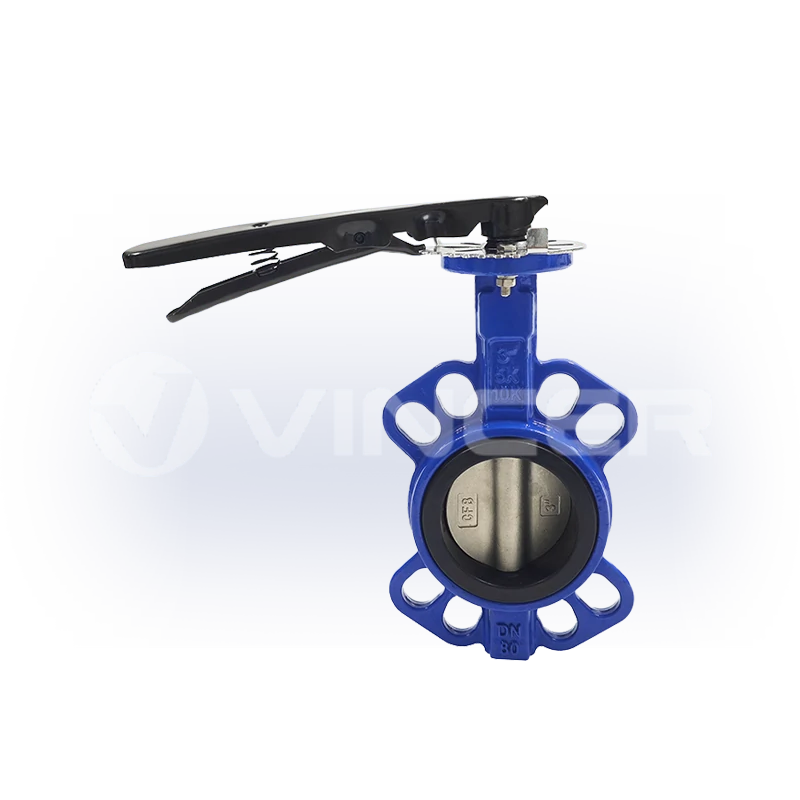
Cuerpo de válvulas: Envuelve por completo todos los componentes internos y se acopla a la tubería mediante bridas o una conexión tipo «wafer». El material que se puede utilizar es acero inoxidable, hierro dúctil o acero al carbono, según las necesidades.
-
Válvula de disco: El componente que controla el flujo de fluido. Su rotación determina el recorrido del flujo y proporciona un alto grado de control.
-
Asiento de la válvula: Garantizar un buen sellado entre el disco y el cuerpo para asegurar que no se produzcan fugas en ningún momento. Se trata de asientos blandos para bajas presiones y asientos metálicos para altas temperaturas y aplicaciones abrasivas.
-
Eje: Conecta el actuador al disco para permitir que este gire.
-
Mecanismo de accionamiento: Estos son los elementos que abren o cierran la válvula. Se trata de palancas, cajas de cambios o actuadores, ya sean eléctricos, neumáticos o hidráulicos.
Todos estos elementos se incorporan con el fin de que las válvulas de mariposa resulten eficaces en numerosas industrias y sectores, como las tuberías, el tratamiento de aguas y la energía.
Análisis exhaustivo de los tipos de válvulas de mariposa
Las válvulas de mariposa se utilizan ampliamente en los sistemas de control de fluidos y, dada la variedad de modelos existentes, pueden emplearse en numerosos sectores. En este artículo, clasificamos las válvulas de mariposa según el material, el sistema de accionamiento, el tipo de conexión y el sistema de estanqueidad, con el fin de ayudar al lector a comprender las propiedades, las prestaciones y las aplicaciones de estas válvulas. A continuación se incluye una tabla detallada que resume la clasificación de los distintos tipos de válvulas de mariposa para tu consulta rápida:
| Clasificación | Escribir | Material | Rango de temperatura | Rango de tallas | Clasificación de presión | Coste | Aplicaciones comunes |
| Por material | Válvulas de mariposa metálicas | Acero inoxidable, acero al carbono, hierro dúctil | De -40 °C a 650 °C (de -40 °F a 1200 °F) | De DN50 a DN3000 (de 2” a 120”) | Hasta 40 bar (580 psi) | Alto | Sistemas de vapor, oleoductos y gasoductos, medios agresivos |
| Válvulas de mariposa de plástico | PVC, polipropileno | De -10 °C a 60 °C (de 14 °F a 140 °F) | De DN40 a DN600 (de 1,5” a 24”) | Hasta 16 bar (232 psi) | Bajo | Tratamiento del agua, aguas residuales, sistemas químicos | |
| Por accionamiento | Válvulas de mariposa neumáticas | Varía (metal/plástico) | Varía (dependiendo del material) | De DN50 a DN2000 (de 2” a 80”) | Hasta 25 bar (362 psi) | Medio | Automatización de procesos en las industrias química y farmacéutica |
| Válvulas de mariposa eléctricas | Varía (metal/plástico) | Varía (dependiendo del material) | De DN50 a DN2000 (de 2” a 80”) | Hasta 16 bar (232 psi) | De medio a alto | Sistemas de climatización, generación de energía, distribución de agua | |
| Válvulas de mariposa hidráulicas | Varía (metal/plástico) | Varía (dependiendo del material) | De DN50 a DN3000 (de 2” a 120”) | Hasta 50 bar (725 psi) | Alto | Petróleo y gas, aplicaciones de alto par | |
| Válvulas de mariposa manuales | Varía (metal/plástico) | Varía (dependiendo del material) | De DN40 a DN1200 (de 1,5” a 48”) | Hasta 10 bar (145 psi) | Bajo | Tuberías pequeñas, control de caudal no crítico | |
| Por conexión | Válvulas de mariposa con bridas | Acero inoxidable, acero al carbono, hierro dúctil | De -40 °C a 650 °C (de -40 °F a 1200 °F) | De DN50 a DN3000 (de 2” a 120”) | Hasta 40 bar (580 psi) | De medio a alto | Aplicaciones críticas, como el procesamiento de petróleo y gas |
| Válvulas de mariposa de disco | Acero inoxidable, PVC | De -10 °C a 120 °C (de 14 °F a 248 °F) | De DN50 a DN1200 (de 2” a 48”) | Hasta 16 bar (232 psi) | Bajo | Distribución de agua, tuberías de baja presión | |
| Welded Butterfly Valves | Stainless Steel, Carbon Steel | -40°C to 600°C (-40°F to 1112°F) | De DN50 a DN2000 (de 2” a 80”) | Hasta 50 bar (725 psi) | Alto | High-temperature, high-pressure systems | |
| By Sealing | Soft-Seal Butterfly Valves | Rubber, PTFE | De -10 °C a 120 °C (de 14 °F a 248 °F) | De DN40 a DN600 (de 1,5” a 24”) | Hasta 16 bar (232 psi) | Bajo | HVAC, water pipelines, non-aggressive media |
| Hard-Seal Butterfly Valves | Stainless Steel, Graphite | De -40 °C a 650 °C (de -40 °F a 1200 °F) | De DN50 a DN3000 (de 2” a 120”) | Hasta 40 bar (580 psi) | Alto | Steam, petrochemical plants, corrosive/abrasive fluids |
Nota:
-
Temperature Range and Pressure Rating depend on specific materials and configurations. Refer to butterfly valve manufacturers for precise specifications.
-
Cost is categorized as Low (< $100), Medium ($100-$500), and High (> $500) per valve.
Classification by Valve Body Material
Butterfly valves are mainly in two types depending on the material used in the construction of the valve body: the metal and the plastic.
-
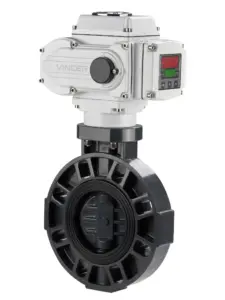
Metal Butterfly Valves: Valves of this type are made from materials such as stainless steel, carbon steel or even ductile iron and as such are built to handle high pressures and temperatures. They are widely applied in systems where steam, oil or other aggressive media are used. The metallic valves have high mechanical strength and can therefore be effectively used in various industrial settings.
-
Plastic Butterfly Valves: Plastic butterfly valves are made from PVC or polypropylene and are lightweight and do not corrode easily and are suitable for use with chemicals, water or wastewater. While they are not as strong as the metallic ones, their low cost and ability to work well in chemical environments makes them suitable for use in low pressure systems.
Clasificación según el método de accionamiento
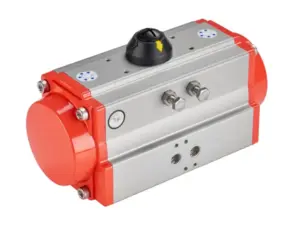
The actuation method refers to the way through which a butterfly valve is operated and may be manual, pneumatic, electric or hydraulic.
-
Pneumatic Butterfly Valves: These valves use compressed air to control them and this makes them to work fast and efficient. They are suitable for applications where frequent on and off operations are desired, such as in chemical and pharmaceutical process automation. Pneumatic valves are very reliable in conditions of varying temperature.
-
Válvulas de mariposa eléctricas: These valves are electric motor operated and are ideal for use in pipelines that require frequent changes in the flow rate due to the ability to control the flow rate accurately. These are commonly employed in power generation, water treatment, and HVAC systems.
-
Hydraulic Butterfly Valves: These valves employ the use of liquid pressure to shift the disc and provide high torque for handling with thick or sticky fluids. These are suitable for severe services such as oil and gas pipelines where strong actuation is desired.
-
Manual Butterfly Valves: Manual valves are operated by a lever or a handwheel and are relatively simple and economical with low scope for frequent modulation.
Classification by Connection Type
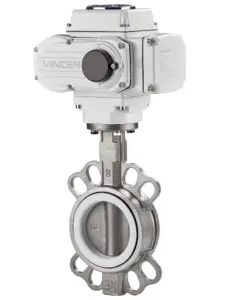
Butterfly valves connect to pipelines in different ways, each method tailored to specific operational demands and providing distinct benefits:
-
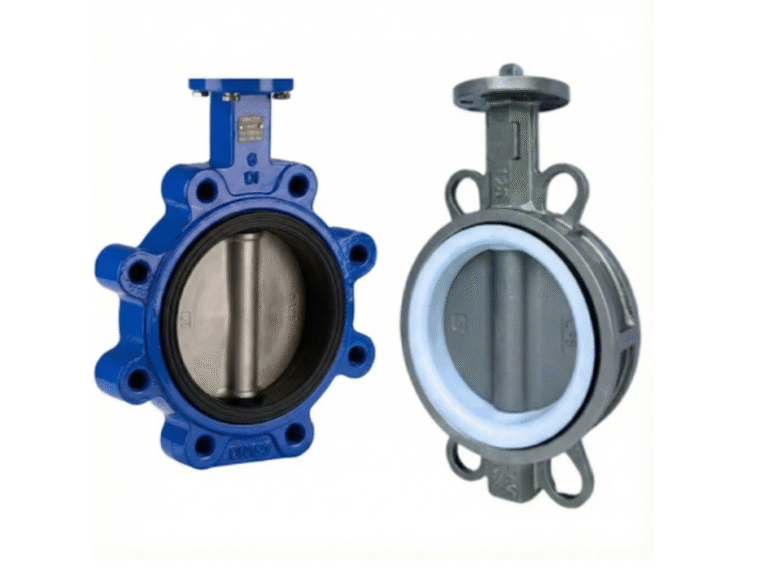
Brida Válvulas de mariposa: These valves, designed with integrated flanges, secure to pipe flanges with bolts and gaskets. It features superior flange connection with the ability to maximize stability and alignment, creating further robust seals even under high pressure conditions. Flange butterfly valves are particularly well suited to critical applications in industries such as oil and gas processing, where a tight, vibration resistant seal is critical to safety and efficiency.
-
Wafer Butterfly Valves: These valves are installed between two pipeline flanges and are secured with bolts running through the entire assembly. Their small, lightweight design reduces installation time and material costs. Wafer butterfly valves have their limitations, but they are quite useful in low pressure applications such as water distribution systems, where space and easy maintenance are desired.
-
Welded Butterfly Valves: These valves are welded directly into the system with a permanent connection to the pipeline, and therefore, do not have to have flanges and bolts. The design of this type of seal provides excellent leak resistance and durability, and is suitable for high temperature or high pressure systems, such as those in power plants. Because of their seamless connection, they require less maintenance and provide reliability in demanding operational environments.
Clasificación según el mecanismo de sellado
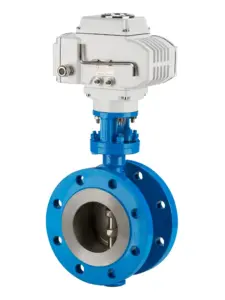
Butterfly valve sealing mechanisms are important to the valve’s ability to regulate and secure fluid flow under different operating conditions.
-
Soft-Seal Butterfly Valves: The sealing element in these valves is a flexible material such as rubber or PTFE, providing a tight seal and reliable valve with little torque. In low to moderate pressure systems where the media is water, air or other non-corrosive fluids, the soft seal design is particularly effective. This smooth sealing performance reduces the risk of leaks and provides efficiency and operational safety in municipal water pipelines and HVAC systems.
-
Hard-Seal Butterfly Valves: These valves are made with metal seats that can rest under high pressures, high temperatures, corrosive or abrasive fluids and then continue to work. In petrochemical plants and steam systems and power generation facilities, in highly demanding industrial environments, this hard seal construction has been proven to excel in providing the resilience required under such extreme conditions. Hard seal butterfly valves are capable of handling aggressive media and high pressure operations and provide long term reliability and durability in the most demanding applications.
Advantages and Disadvantages of Using Butterfly Valves
Due to the design and advantageous functional aspects, butterfly valves are very common in the field of fluid control. Like any component, they also have limitations, however. Below is a breakdown of the key advantages and disadvantages:
Ventajas
-
Diseño compacto: Because of their smaller footprint, butterfly valves are a good choice for space constrained installations.
-
Lightweight: Lightweight construction reduces strain on pipelines and reduces transportation and installation costs.
-
Rentable: In larger sizes, they are generally less expensive than other valve types.
-
Funcionamiento rápido: Butterfly valves are a simple quarter turn mechanism which allows for rapid opening and closing, thereby improving system responsiveness.
-
Versatilidad: They are available in a wide variety of materials and configurations and can handle a wide variety of media including water, air, chemicals and steam.
-
Eficiencia energética: The streamlined valve disc design minimizes pressure loss, thereby reducing energy costs in fluid transport systems.
-
Bajo Mantenimiento: They use fewer moving parts, and are more affordable to maintain and have a longer service life than butterfly valves.
Desventajas
-
Limited High-Pressure Capabilities: Standard butterfly valves may not operate as well in very high pressure conditions than other alternatives such as ball valves.
-
Potential for Leakage: Soft seal butterfly valves will degrade over time, especially in abrasive or corrosive environments, and may leak.
-
Flow Disturbance: The disc remains in the flow path even when fully open, potentially causing turbulence and pressure loss.
-
Size Limitations: These valves are available in a large range of sizes, but in specific applications, larger valves or more robust valves might be necessary.
-
Par Requirements: Butterfly valves therefore often have to run with higher torque actuators, which complicate and increase the cost of operation in high pressure applications.
The pros and cons of these are understanding. This helps users to make an informed decision and select butterfly valves which are suitable for their system requirements.
Common Applications and Industry Usage of Butterfly Valve Types
Butterfly valves are widely utilized across various industries due to their versatility and reliable performance. Here are some common applications where butterfly valve types are employed:
-
Tratamiento del agua
-
Generación de energía
-
Petróleo y gas
-
Procesamiento químico
-
Alimentos y Bebidas
-
Sistemas de climatización
-
Minería
-
Productos farmacéuticos
-
Pulp and Paper
Choosing the Right Butterfly Valve: Key Considerations for Optimal Performance
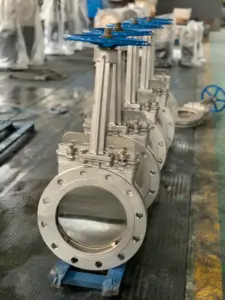
When something requires us to choose the correct butterfly valve for operation, we cannot afford to get it wrong. Below are the key factors to consider when choosing a butterfly valve:
1. Offset Design
There are different types of offset designs of butterfly valves such as zero offset, single offset, double offset and triple offset butterfly valves. Zero offset designs (also called concentric butterfly valves) are cost effective and simple for low pressure systems. On the other hand, the designs of double offset and triple offset are preferred at extreme temperatures, or for abrasive works as well as high durability applications, since it tends to decrease the friction of the seal ring and prevent the wear of it over time.
2. Seat Material
The seat material chosen shall directly affect the compatibility of the valve with the media being handled. Rubber or PTFE soft materials are best for water or low pressure systems, while metal seats are best for high pressure, high temperature or corrosive environments. For systems using steam, chemicals or other challenging media, this consideration is critical.
3. Connection Type
Tune in to the configuration and the installation of the pipeline. Wafer valves are small and light, and are well suited for systems with limited space. For applications requiring pipeline isolation, lug style valves are the best. In addition, flanged valves seal well for high pressure applications.
4. Actuation Method
The valve can be controlled by any actuation method, manual, pneumatic, electric, or hydraulic. Pneumatic and electric butterfly valves are normally used for automated and precise control. As a trusted maker, Vencer is known for reliable and precise high quality electric and pneumatic actuators for use in demanding industrial applications. If you are interested in Vincer’s products, you may ponerte en contacto con nosotros for more information, and professional assistance. Suitable for applications requiring frequent and precise fluid control, these actuators are ideal.
5. Operational Environment
The selection of the valve is influenced by environmental conditions such as temperature, pressure and potential cavitation. Valves with specialized coatings or enhanced materials, like eccentric butterfly valves, can handle harsh conditions and maintain long-term reliability.
Each of these factors should be carefully evaluated in order to choose the proper valve for your system’s particular situation, which increases performance and increases valve longevity. Vincer’s electric and pneumatic butterfly valves provide excellent solutions for modern industrial demands for reliable and precise actuation.
Each of these factors should be carefully evaluated in order to choose the proper valve for your system’s particular situation, which increases performance and increases valve longevity. Vincer’s electric and pneumatic butterfly valves provide excellent solutions for modern industrial demands for reliable and precise actuation.
Final Words
In this article, we covered the kinds of butterfly valves, their use, and a few well considered points for choosing the best valve. There is a variety of options available, from triple offset design to wafer type butterfly valves, each with different advantages depending on a particular requirement.
Vincer is a leader in electric and pneumatic actuated valves for performance and advanced automation solutions you can trust. Contact Vincer today to learn about the perfect valve for your application!