لقد كتبت عبارة “مصنعو الصمامات الكروية الهوائية” في محرك بحث جوجل لأن مشروعك يحتاج إلى صمامات، وتحتاج إلى الحصول عليها من مصنع حقيقي وليس من شركة تجارية تمتلك واجهة متجر مقنعة على موقع «أليبابا»، كما أنك تحتاج إليها قبل أن يستنفد المسار الحرج للمشروع احتياطي الجدول الزمني الخاص بك. وما يظهر لك هو صفحة نتائج البحث التي تضم مزيجًا من المصنعين المباشرين والموزعين الصناعيين التصوير مثل الشركات المصنعة، ومنصات تجميع السوق بين الشركات (B2B)، وعدد قليل من العلامات التجارية العالمية في مجال الأتمتة. عند إلقاء نظرة سريعة مدتها 10 ثوانٍ على الصفحة الرئيسية، تبدو جميعها متشابهة تقريبًا. لكن عند النظر إلى الجدول الزمني للمشروع الذي يمتد على مدار 12 شهرًا ويتضمن بنودًا تتعلق بالتعويضات التعاقدية، فإن الأمر يختلف تمامًا.
إذا كنت مسؤولاً عن المشتريات في مجالات معالجة المياه، أو المعالجة الكيميائية، أو النفط والغاز، أو تصنيع الأغذية والمشروبات، فمن المحتمل أنك تعلمت هذا الدرس بطريقة صعبة: إن تكلفة اختيار المورد الخاطئ لا تقتصر على الأموال المهدرة في الفواتير فحسب. بل إنها تتمثل في تأخير مواعيد بدء التشغيل. وتتمثل في الصمامات التي تجتاز الفحص البصري ثم تفشل في اختبار الضغط المائي بعد ستة أسابيع. وتتمثل في توضيح سبب عدم قدرة المورد البديل “الموفر للتكاليف” على تقديم شهادة اختبار مواد قابلة للتتبع لمدير مشروعك. لا تجعل الصناعة هذا الأمر سهلاً، ونتائج البحث عن “مصنعي الصمامات الكروية الهوائية” ليست مرتبة وفقًا لواقع عمليات الشراء لديك، بل وفقًا لمن استثمر أكثر في تحسين محركات البحث (SEO).
بصفتها شركة تصنيع مقرها دونغقوان وتضم 12 سلسلة من المنتجات تشمل الصمامات الكهربائية والهوائية واليدوية، تحتل شركة «فينسر» شريحة محددة في هذا المجال. لكن السؤال الأوسع نطاقاً الذي يواجه أي فريق توريد — سواء كنتَ تقيّم شركة «إيمرسون» لمشروع غاز طبيعي مسال (LNG) معتمد للاستخدام النووي، أو تقارن بين ثلاث شركات ألمانية متخصصة في الصمامات الكروية في إطار مناقصة للبيع بالجملة — هو نفسه: كيف يمكنك مطابقة قاعدة التوريد العالمية مع الملف التعريفي المحدد للمشتري، وكيف يمكنك التحقق من صحة الادعاءات التي تنشرها الشركة المصنعة على موقعها الإلكتروني؟
يُقسم هذا الدليل الإجابة إلى ثلاثة أنواع متميزة من المشترين — مقاولي المشاريع، والموزعين، وتجار الجملة — ويستند في المقارنة إلى شركات تصنيع حقيقية تم التحقق من مصداقيتها في الموقع وخارجه. وبنهاية هذا الدليل، ستكون قد حصلت على إطار عمل قابل للتطبيق في اتخاذ القرارات، وليس مجرد قائمة بأسماء.
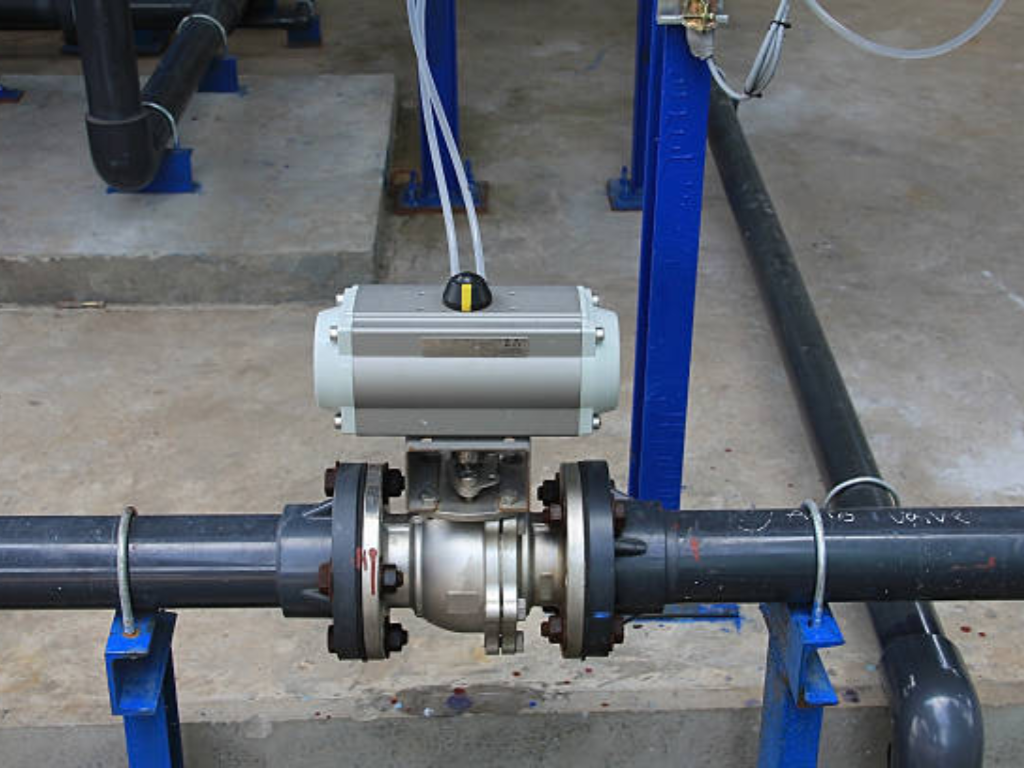
ما الذي يميز الشركة المصنعة الموثوقة للصمامات الكروية الهوائية؟
إن وجود موقع إلكتروني ذي مظهر احترافي وواجهة متجر مُحسَّنة جيدًا على منصة «أليبابا» لا يعني بالضرورة وجود عملية تصنيع. وقبل مقارنة شركات معينة، يجدر تحديد الأبعاد الأربعة التي تميز المصنع الذي يمكن التحقق منه عن الشركة التجارية التي تمتلك عنوان مصنع.
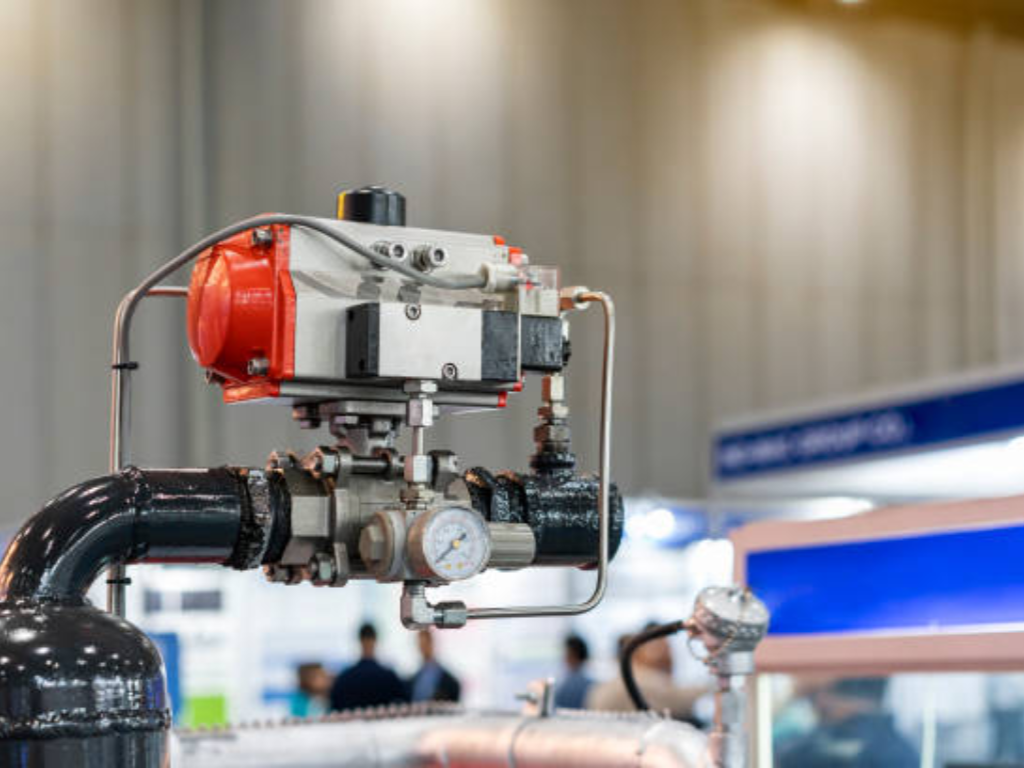
التحقق من القدرات التصنيعية هذه هي المرحلة الأولى. يجب أن يكون المصنِّع قادرًا على إطلاعك على مناطق الصب والتشغيل الآلي والتجميع والاختبار، سواء من خلال تدقيق ميداني مباشر أو جولة توضيحية عبر الفيديو المباشر. إذا تهربت الشركة من ذلك أو اكتفت بعرض صور للمنتج النهائي فقط، فمن المحتمل أن تكون الفجوة بين القدرة الإنتاجية المعلنة والقدرة الإنتاجية الفعلية كبيرة. وبالنسبة للصمامات الكروية الهوائية على وجه التحديد، فإن القدرة على تصنيع جسم الصمام، وتركيب مشغل وفقًا لمعيار ISO 5211، واختبار المجموعة الكاملة (وليس مجرد جسم الصمام أو المشغل بشكل منفصل) هي ما يميز المصنعين المتكاملين عن شركات التجميع التي تشتري المكونات من مصادر منفصلة.
نطاق الشهادة وهذا هو البعد الثاني، وهو أكثر تعقيدًا من مجرد عد الشعارات الموجودة في تذييل الصفحة. فهناك فرق جوهري بين الشهادات على مستوى الشركة (مثل ISO 9001:2015 لنظم إدارة الجودة) والشهادات على مستوى المنتج (مثل علامة CE للوصول إلى أسواق الاتحاد الأوروبي، وATEX 2014/34/EU للأجواء القابلة للانفجار، وAPI 6D لصمامات خطوط الأنابيب، وتصنيفات SIL لأنظمة السلامة الآلية). يُعد الامتثال لمعيار ISO 5211 الخاص بواجهات تركيب المشغلات تفصيلًا عمليًّا يشير إلى أن الشركة المصنعة تفهم كيفية تكامل المشغلات الهوائية مع أجسام الصمامات، وليس مجرد أنها تبيع كلا المنتجين (ISO, 2016).
الخبرة في مجال معين وهذا أمر مهم لأن الصمام الكروي الهوائي الذي يعمل بشكل مثالي في خط هواء مضغوط بضغط 6 بار قد يتعطل في غضون أشهر عند استخدامه في تطبيقات مياه البحر المكلورة بمحطة تحلية المياه. إن منطق اختيار المواد لجسم الصمام (الفولاذ المقاوم للصدأ 316 مقابل الدوبلكس مقابل PVC مقابل المبطّن بـ PTFE)، ومواد المقعد (PTFE مقابل RTFE مقابل المقعد المعدني للملاط الكاشطة)، وتوافق مانع التسرب الخاص بالمشغل مع وسيط العملية، كلها أمور تعتمد على التطبيق. إن المصنع الذي يسألك عن الوسط، ونطاق درجة الحرارة، وفئة الضغط، ومعيار التوصيل، ونوع إشارة التحكم، وتفضيلاتك لمواد الجسم، واللوائح الصناعية، والمعايير المعمول بها قبل تقديم عرض الأسعار، فإنه يبرهن بذلك على دقة العملية.
الاستجابة في مجال الاتصال والتوثيق هو البعد الرابع. إن قدرة الشركة المصنعة على إنتاج رسم ثنائي الأبعاد/ثلاثي الأبعاد مصحوبًا بعرض أسعار، والرد على الأسئلة الفنية في غضون 24 ساعة، وتقديم شهادات اختبار المواد التي تحمل أرقامًا تسلسلية قابلة للتتبع، تخبرك عن مدى نضجها التشغيلي أكثر من أي صفحة “نبذة عنا”.
بمجرد أن يجتاز المرشح هذه المعايير الأربعة، فإن السؤال التالي الذي يطرح نفسه هو: ما هو الملف التعريفي للمشتري الذي يخدمه هذا المصنع فعليًّا؟
مصنعو الصمامات الكروية الهوائية حسب ملف تعريف المشتري: من يخدم من
تشمل عبارة “مُصنِّع الصمامات الكروية الهوائية” شركات تخدم عملاءً يختلفون اختلافًا جوهريًّا. فالمقاول الذي يشتري الصمامات من أجل مناقصة EPC لمشروع تحلية مياه بسعة 200,000 متر مكعب في اليوم لا يشترك في أي شيء تقريبًا مع المستورد بالجملة الذي يملأ حاوية طولها 40 قدمًا لمركز توزيع في الشرق الأوسط. ويؤدي ربط المصنعين بأنواع المشترين إلى تجنب الخطأ الأكثر شيوعًا في عملية التوريد في هذه الفئة، وهو تقييم مصنع موجه نحو تجار الجملة وفقًا لمعايير مقاولي المشاريع، أو العكس.
قبل الخوض في تفاصيل كل فئة من فئات المشترين، هناك تمييز أساسي يجب توضيحه: مقاولو المشروع إعطاء الأولوية لنطاق الاعتماد والدعم الهندسي، لأن تعطل صمام واحد في محطة للغاز الطبيعي المسال أو منصة بحرية يمكن أن يؤدي إلى توقف عن العمل يكلف ملايين الدولارات. الموزعون إعطاء الأولوية لاستقرار الإمدادات، وحماية قنوات التوزيع، وهيكل هوامش الربح؛ لأن نموذج أعمالها يعتمد على الطلبات المتكررة والحصرية الإقليمية. تجار الجملة إعطاء الأولوية لتكلفة الوحدة والقدرة الإنتاجية، لأن ميزتها التنافسية تستند إلى السعر وتستمد قوتها من حجم المبيعات.
لمقاولي المشاريع الكبيرة، والشركات المصنعة المعتمدة
يحتاج مقاولو المشاريع وشركات EPC ومزودي الخدمات ومشغلو المنشآت الصناعية إلى صمامات كروية هوائية قادرة على تحمل الظروف القاسية واجتياز عمليات الفحص التي تجريها جهات خارجية دون استثناء. وعادةً ما تتبع عملية الشراء إجراءات منظمة لتأهيل الموردين: استبيان التأهيل المسبق، وتدقيق المصنع، واختبار العينات (FAT/SAT)، وبعد ذلك فقط يتم إصدار أمر الشراء.
تسيطر أربع شركات مصنعة على هذا القطاع لأسباب مختلفة.
| الشركة المصنعة | الشهادات الأساسية | المهلة الزمنية المعتادة | فئة السعر | نموذج الخدمة |
|---|---|---|---|---|
| إيمرسون (ASCO/بيتيس) | API 6D، SIL 3، ATEX، NACE MR-01-75، المجال النووي (IEEE 382) | 10-16 أسبوعًا | فئة بريميوم | المبيعات المباشرة + شركاء التكامل المعتمدون |
| روتورك | API 6D (عبر الشركاء)، SIL 2/3، ATEX، NACE | 8-14 أسبوعًا | فئة بريميوم | Direct + channel، منصة المشغلات الذكية IQ3 |
| براي إنترناشونال | API 6D، SIL 2، CE، ATEX (بعض الخطوط) | 6-10 أسابيع | الفئة المتوسطة-الفاخرة | شبكة توزيع مباشرة وواسعة النطاق |
| Flowserve | API 6D، API 608، SIL 3، الطاقة النووية، NACE | 12-20 أسبوعًا | فئة بريميوم | مبيعات المشاريع المباشرة، سوق خدمات الصيانة والإصلاح والتجديد (MRO) |
(Emerson – تكامل أنظمة «بيتيس» الهوائية مع أنظمة «أسكو» الكهرومغناطيسية عبر جميع فئات الضغط، موقع الشركة الإلكتروني، 2026؛; روتورك – سلسلة المشغلات الهوائية CP/GP مع خيارات الحصول على شهادة SIL 2/3، موقع الشركة الإلكتروني، 2026؛; براي إنترناشونال – مشغلات هوائية من سلسلة 92/93 تعمل بنظام التروس والمسننات، مقترنة بصمامات كروية دوارة/عائمة، الموقع الإلكتروني للشركة، 2026؛; Flowserve – خطوط إنتاج أجهزة التشغيل الهوائية من Valtek/Automax المخصصة لخطوط الأنابيب وفقًا لمعيار API 6D، موقع الشركة الإلكتروني، 2026)
تُعد شركة «إيمرسون» الخيار الآمن عندما تكون متطلبات الاعتماد صارمة، حيث تندرج محطات الطاقة النووية والمنصات البحرية التي تتطلب مقاومة تشقق الإجهاد الكبريتي وفقًا لمعيار NACE MR-01-75، ومستويات سلامة التشغيل التي تصل إلى SIL 3، ضمن نطاق اختصاصها بشكل كامل. ويعكس السعر هذا الموقع المتميز. تتميز شركة روتورك بقوة خاصة في مجال المشغلات (تعد سلسلتها الكهربائية الذكية IQ3 وسلسلتها الهوائية CP/GP معايير مرجعية في الصناعة)، ولكنها عادةً ما تستورد أجسام الصمامات من مصادر خارجية، مما يعني أنه بالنسبة للصمام الكروي الهوائي المتكامل تمامًا، قد تكون منتجات إيمرسون أو براي أكثر ملاءمة. تحتل براي موقعًا وسطًا عمليًّا في مجالات التدفئة والتهوية وتكييف الهواء (HVAC)، ومعالجة المياه، والمشاريع الصناعية العامة التي تتطلب معايير ATEX أو SIL، ولكن لا يبرر ذلك دفع السعر المرتفع الكامل لمنتجات إيمرسون. ويجعل حجم شركة Flowserve منها خيارًا مناسبًا للمشاريع الضخمة التي تضم عمليات الشراء آلاف وحدات التخزين (SKU) للصمامات تحت مورد واحد.
بالنسبة لمقاولي المشاريع الذين يعملون على مناقصات معالجة المياه أو تحلية المياه في جنوب شرق آسيا أو الشرق الأوسط — حيث لا تكون الشهادات الخاصة بالمعايير النووية ضرورية، لكن الأسعار التنافسية ومواعيد التسليم القصيرة تُعتبر أمورًا مهمة — فإن شركة تصنيع صينية مثل «فينسر» تمثل بديلاً عمليًّا. وحيث تحمل Vincer شهادات ISO 9001 (إدارة الجودة على مستوى الشركة)، وCE (الوصول إلى أسواق الاتحاد الأوروبي)، وRoHS، وSIL، وFDA، فإنها تخدم شريحة المقاولين من الفئة المتوسطة التي تستوفي متطلبات الشهادات دون تحمل التكاليف الإضافية المرتبطة بأسعار شركات مثل Emerson وRotork وBray. وتوفر فترات التسليم التي تتراوح بين 7 و10 أيام للمنتجات القياسية (مقابل 6-16 أسبوعًا من الفئة الفاخرة) وسجل إنجازات مشاريع موثق يشمل شركات مثل Festo وTameson وVeolia نقطة مرجعية، وليس تأييدًا؛ فالاختيار الصحيح يعتمد على قائمة مراجعة الشهادات الخاصة بك وقدرتك على تحمل المخاطر (فينسر – شهادات الاعتماد الخاصة بالشركة ومراجع تنفيذ المشاريع، الموقع الإلكتروني للشركة، 2026).
للموزعين: الشركاء من الشركات المصنعة التي تركز على قنوات التوزيع
لا يقتصر دور الموزعين على شراء الصمامات وإعادة بيعها فحسب، بل إنهم يبنون علاقات مع العملاء على المستوى الإقليمي، ويقدمون الدعم الفني المحلي، ويحافظون على المخزون، وغالبًا ما يحتاجون إلى مرونة في التعامل مع منتجي المعدات الأصلية (OEM) والعلامات التجارية الخاصة. والشريك المثالي لهم من بين الشركات المصنعة هو الذي يستطيع التوريد بانتظام، وحماية هامش ربحهم الإقليمي، وتوفير الوثائق التسويقية والفنية التي تساعدهم في بيع المنتجات إلى العملاء النهائيين.
وقد بنى مصنعان على وجه الخصوص نماذج أعمالهما على أساس تمكين الموزعين، وإن كان ذلك باتباع نهجين مختلفين.
| الشركة المصنعة | سياسة القناة | هيكل الهامش | عرض المنتج | الاعتراف بالعلامة التجارية |
|---|---|---|---|---|
| «هابونيم» (شركة تابعة لـ ITT) | شركاء التوزيع الإقليميون، وبرامج مصنعي المعدات الأصلية | الشريحة المتوسطة إلى العليا؛ وتضمن ملكية شركة ITT استقرار الأسعار | الصمامات الكروية + المشغلات الهوائية فقط | قوية في أوروبا والشرق الأوسط، معتدلة في أمريكا الشمالية |
| صمام جيميني | البيع المباشر + الموزع، تسعير MAP، تتوفر العلامة التجارية الخاصة | فئة متوسطة؛ المنتجات المصنوعة في الولايات المتحدة تتمتع بقيمة مضافة | الصمامات الكروية فقط (ثنائية المسار، ثلاثية المسار، يدوية، آلية) | مجال متخصص معروف لدى المشترين الصناعيين في الولايات المتحدة |
(هابونيم – صمامات كروية عائمة، ومثبتة على محور، ومخصصة للاستخدام في درجات الحرارة المنخفضة، وعالية الضغط، وذات مقاعد معدنية، مزودة بمشغلات هوائية مصنعة داخليًّا، استحوذت عليها شركة ITT Inc. في عام 2022 مقابل $140M، موقع الشركة الإلكتروني، 2026؛; صمام جيميني – شركة عائلية متخصصة في صناعة الصمامات الكروية الآلية واليدوية، طراز 100%، مصنعة في الولايات المتحدة في مدينة ريموند بولاية نيوهامبشاير، موقع الشركة على الإنترنت وحسابها على LinkedIn، 2026)
تجمع شركة “هابونيم”، التي أصبحت الآن جزءًا من شركة «ITT Inc.» (الاستحواذ في عام 2022، $140M)، بين أكثر من 70 عامًا من التخصص في صناعة الصمامات الكروية وتصنيع المشغلات الهوائية داخليًّا تحت سقف واحد. ويضيف استحواذ شركة ITT استقرارًا لسلسلة التوريد وقدرة على التنبؤ بالأسعار لا يمكن للمصنعين المستقلين دائمًا مضاهاة ذلك. أما ما يميز شركة «جيميني فالف» فهو أبسط: فهي شركة عائلية مقرها في رايموند بولاية نيو هامبشاير، حيث يتم تصميم كل مكون وتصنيعه وتجميعه واختباره في نفس المنشأة، وهو أمر نادر في سوق تستورد فيه حتى بعض «العلامات التجارية الأمريكية» قطع الصب.
بالنسبة للموزعين، فإن المفاضلة بين «هابونيم» و«جيميني» تتلخص في الاختيار بين تنوع المنتجات من جهة والتركيز الجغرافي من جهة أخرى. فأنواع صمامات «هابونيم» ذات المحور الدوار، والصمامات المبردة، والصمامات ذات المقاعد المعدنية تغطي تطبيقات لا تستطيع مجموعة منتجات «جيميني» — التي تقتصر على الصمامات الكروية العائمة — تغطيتها، لكن المرونة التي تتمتع بها «جيميني» بفضل وجودها في الولايات المتحدة تعني إنجازًا أسرع للطلبات المخصصة.
أما الموزع الذي يسعى إلى تقليل عدد الموردين في محفظة منتجات واسعة النطاق، فيواجه نوعًا مختلفًا من القرارات. فكل من «هابونيم» و«جيميني فالف» تنتجان الصمامات الكروية فقط ضمن مجموعتهما من الصمامات التي تعمل بمشغلات هوائية. أما الشركة المصنعة التي تغطي الصمامات الكروية بالإضافة إلى الصمامات الفراشية، والصمامات البوابية، والصمامات الكروية، والصمامات الفحصية، والصمامات الملفية، والمشغلات الكهربائية والهوائية في إطار علاقة مع مورد واحد، فتقلل من التكاليف الإدارية للمشتريات — حيث يقل عدد العقود التي يتعين إدارتها، وسلاسل التوريد التي يتعين تنسيقها، ودورات تدقيق الجودة التي يتعين الحفاظ عليها. تم تصميم سلاسل منتجات «فينسر» الاثنتي عشرة خصيصًا لهذه الحالة الاستخدامية، كما أن وجود الشركة على وسائل التواصل الاجتماعي بعدة لغات عبر «لينكدإن» و«فيسبوك» و«إنستغرام» و«يوتيوب» و«واتساب» يوفر مواد تسويقية يمكن للموزعين إعادة توظيفها لقنواتهم الإقليمية دون الحاجة إلى تطوير محتوى من الصفر (فينسر – كتالوج المنتجات الذي يشمل فئات الصمامات الكهربائية والهوائية واليدوية والملفية وصمامات التحكم (موقع الشركة الإلكتروني، 2026). وتصبح معادلة التكلفة 30-50%، التي تقل عن الأسعار المعيارية الغربية، ذات أهمية عندما يعتمد الموقع التنافسي للموزع في أسواق مثل جنوب شرق آسيا أو الشرق الأوسط أو أفريقيا على تقديم خيارات ذات مستويات قيمة مختلفة إلى جانب العلامات التجارية الغربية الفاخرة.
For Wholesalers Volume-Oriented Manufacturing Sources
Wholesalers operate on a different logic entirely. Brand is secondary to unit economics; the key variables are per-unit cost at container-scale volumes, production capacity for large batch orders, and the manufacturer’s ability to mix multiple valve types in a single shipment to optimize container utilization.
Three German manufacturers exemplify the wholesale-oriented end of the Western supply base.
| الشركة المصنعة | Production Scale | Core Wholesale Category | Minimum Order Profile | Approximate Price Tier |
|---|---|---|---|---|
| GEMÜ | Multi-plant, global distribution | Metal + plastic ball valves, hygienic/sanitary applications | Moderate-to-large batches | Mid-to-Upper |
| Schubert & Salzer | Ingolstadt facility, 100-199 employees | Ball sector valves (abrasive/pasty/fibrous media) | Moderate batches; specialized application focus | Mid-tier (specialist premium) |
| Böhmer GmbH | 30,000 m² across Sprockhövel + Hattingen plants, 300+ employees | Fully-welded, underground, subsea ball valves DN3-DN1400 | Large batches; project + wholesale | Mid-tier (volume discount structure) |
(GEMÜ – ball valves with pneumatic actuation in metal and plastic, strong in life sciences and hygienic process applications, DirectIndustry and company website, 2026; Schubert & Salzer – ball sector valve Types 4030/4040/4080 with pneumatic actuator options, DirectIndustry and Europages, 2026; Böhmer GmbH – 60+ year ball valve specialist, DN3-DN1400 range, fully-welded and underground/subsea applications, 300+ employees, company website and LinkedIn, 2026)
GEMÜ’s strength in plastic-bodied pneumatically actuated ball valves makes them relevant for wholesalers serving chemical processing and water treatment markets, where corrosion resistance is the primary material selection driver. Schubert & Salzer’s ball sector design a segmented ball that rotates rather than a full sphere handles media (abrasive slurries, fibrous pulp, pasty fluids) that would destroy a standard full-bore ball valve within weeks. For wholesalers serving the pulp and paper or mining industries, this specialization is worth the premium. Böhmer, at 30,000 m² of production space and 300+ employees, offers the broadest diameter range in this group, from miniature DN3 to massive DN1400 fully-welded underground valves for district heating and gas transmission.
The wholesale sourcing decision between European and Chinese manufacturers is a function of two variables: the importer’s regulatory environment and the destination market’s certification requirements. European-made valves carry the automatic presumption of CE/PED compliance within the EU a real logistical advantage for wholesalers distributing within Europe. Chinese-made valves, offered at a discount to European wholesale pricing, become the arithmetic choice for importers serving markets where local certification acceptance procedures are well-established and where wide product portfolio coverage from a single supplier simplifies container consolidation.
Total Cost of Ownership What the Unit Price Does Not Tell You
The per-unit price on a pneumatic ball valve quotation is a starting point, not a cost summary. The total cost of ownership (TCO) for a valve in continuous industrial service runs across five categories: acquisition cost (the quoted price), installation and commissioning (labor, gaskets, fittings, actuator calibration), planned maintenance (seal replacements, actuator rebuilds), unplanned downtime (lost production during a valve failure), and end-of-life replacement (the cost and lead time of sourcing an identical replacement).
Consider the arithmetic. A desalination plant that loses one production train for 72 hours because of a failed pneumatic ball valve a failure traced to an actuator seal that was underspecified for the chlorine content in the process stream loses not just the valve’s replacement cost. It loses three days of output at full capacity, an emergency maintenance callout, and, if the replacement valve is not on the shelf, a rush-order premium and express freight. That number is measured in tens or hundreds of thousands of dollars, not in the $150 difference between a PTFE seat and an RTFE seat that would have survived the application. The industry data point: pneumatic actuator seal life typically ranges from 500,000 to 1,000,000 cycles under rated conditions, but this assumes the actuator is correctly sized for the valve’s breakaway torque, the compressed air is filtered and lubricated to the manufacturer’s specification, and the ambient temperature stays within design limits. A poorly matched actuator under-torqued or fed by wet, unfiltered plant air will fail at a fraction of rated life regardless of whether the nameplate says “Emerson” or a generic brand (Industrial Valve Summit technical paper on actuator sizing methodology, 2024).
Lead time carries a hidden cost that is rarely modeled in procurement spreadsheets. A project that requires 200 pneumatic ball valves and budgets 8 weeks for delivery has absorbed the cost of that wait. If one manufacturer quotes 7-10 days (a tier that includes Vincer’s standard SKU delivery window) and another quotes 12 weeks, the project’s critical path shifts by roughly 10 weeks during which the contractor may be paying liquidated damages, holding interim financing, or losing revenue from delayed commissioning. This lead time gap is not universally decisive an LNG terminal will wait 16 weeks for Emerson-certified valves because the alternative is not permissible but for the large middle of industrial and municipal projects, delivery speed is a real financial line item rather than a convenience metric.
Inventory carrying cost for spare parts adds another layer. A manufacturer with an extensive global distributor network (Bray, Emerson) provides faster spare parts access in most regions but at a higher unit price. A manufacturer with a more centralized support model may offer lower initial prices but require the buyer to hold more safety stock shifting cost from the purchase order to the warehouse.
Quality Verification Certifications, Testing, and the Factory Audit Checklist
A certification is not a guarantee of quality, but it is the minimum verifiable threshold. Understanding which certifications apply to which parts of the pneumatic ball valve system and how to verify them turns a passive logo count into an active quality screen.
Company-level certifications audit the manufacturer’s quality management system. ISO 9001:2015, the universal baseline, confirms that the manufacturer has documented processes for design control, purchasing, production, inspection, and corrective action but it does not verify the technical performance of any specific product. To verify a company’s ISO 9001 status, visit the IAF CertSearch database (IAF, 2026) and search by company name a freely available check that takes under a minute.
Product-level certifications are specific to a valve model or series. CE marking permits sale within the European Economic Area and requires the manufacturer to maintain a technical file demonstrating conformity with applicable EU directives (for valves, typically the Pressure Equipment Directive 2014/68/EU and, for ATEX applications, Directive 2014/34/EU). SIL certification (IEC 61508) assigns a safety integrity level to the complete valve-actuator assembly, not just the actuator alone a distinction that is frequently misunderstood in procurement specifications. API 6D covers pipeline valves (trunnion-mounted ball valves for long-distance oil and gas transmission) and includes the PR2 testing procedure; API 608 covers general-service floating ball valves.
A factory audit whether in-person or remote should verify five physical capabilities. First, the casting and machining area: is the manufacturer machining valve bodies from raw castings or forgings, or is it buying finished components and only assembling? Second, the testing stations: a pressure test bench capable of shell and seat testing per API 598 or EN 12266-1, a torque test bench for actuator breakaway and running torque verification, and ideally an endurance test rig for cycle-life validation. Third, incoming material inspection: does the manufacturer verify heat numbers against mill test certificates before machining? Fourth, process documentation: can the manufacturer show batch travelers, inspection reports, and non-conformance records for a recent production run? Fifth, packaging and logistics: valves that leave a factory in loose cardboard boxes arrive at the project site with scratches, contamination, or worse packaging quality reflects operational maturity.
Red flags during remote audits include: refusal to conduct a live video walkthrough (offering only pre-recorded footage), a factory address that does not match the registered business address or shows a different company name on Google Maps satellite view, test certificates without serial numbers that can be traced to specific valve units, and any claim of “100% quality” without a documented non-conformance rate every real factory produces some scrap and can explain how it handles it.
Building Your Sourcing Strategy From Information to Action
Everything above gives you the raw material. This section gives you the repeatable process. Here is a four-step decision framework you can apply not just to the manufacturers listed in this guide, but to any pneumatic ball valve manufacturer that enters your shortlist in the future.
Step 1: Classify your buyer profile. If you are procuring valves for a specific project with defined certification requirements (a desalination plant, a chemical processing line, a power station), you are operating as a project contractor start with the manufacturers in the project-contractor comparison table whose certification portfolios match your spec. If you are building a regional distribution catalog and need ongoing supply with channel support, you are a distributor prioritize manufacturers who offer channel protection and multi-product-line leverage. If you are filling containers for price-sensitive markets, you are a wholesaler unit economics and production capacity lead your decision.
Step 2: Filter by certification requirements. Write down the exact certifications your application demands not the ones that are “nice to have,” the ones without which the valve will be rejected at incoming inspection. Cross-check each shortlisted manufacturer’s certification list, and verify the critical ones through public databases (IAF CertSearch for ISO 9001, the manufacturer’s EU Declaration of Conformity for CE marking).
Step 3: Calculate TCO, not just unit price. Model the five cost categories from the TCO framework above for each shortlisted manufacturer. If you are comparing a Western benchmark at 16 weeks lead time with a Chinese manufacturer at 10 days, quantify the lead time gap in your project’s cost terms not abstractly, but as a specific number in your project currency.
Step 4: Audit or sample before committing. For a new manufacturer relationship, a factory audit (in-person or live video) and a sample order of the exact valve configuration you need not a “similar” model from their catalog, but the one with your medium, your pressure class, your connection standard, and your actuator specification are the final gate. A manufacturer who performs well on a 1-inch water-service ball valve may struggle on a 6-inch PTFE-lined valve for hot sulfuric acid, and the only way to find out before committing to a production batch is to test.
Three mistakes that cost more than they save. (1) Comparing on unit price alone without adjusting for certification gaps a lower price that leaves out a mandatory SIL or ATEX certification is not a lower price; it is a non-conformance that will surface at the worst possible moment, typically during a client’s factory acceptance test. (2) Treating all “pneumatic ball valve manufacturers” as interchangeable a manufacturer built for wholesale volume is unlikely to provide the engineering support a greenfield mining project requires, and a project-grade manufacturer is unlikely to be price-competitive for a container order. The mismatch wastes time on both sides. (3) Relying on B2B platform badges (Gold Supplier, Assessed Supplier) as a substitute for independent verification these badges confirm payment of a platform subscription fee and basic business registration, not manufacturing capability or product quality. A Gold Supplier with a polished storefront and no in-house machining capability will pass a desktop review and fail a factory audit.
Where you go from here. The framework above is designed to be applied, not just read. Pick your buyer type. Shortlist the manufacturers from the corresponding table. Cross-check certifications on IAF CertSearch. Run the TCO numbers for your specific project timeline. Book one factory audit in person if the budget supports it, live video if not and evaluate the result against the five-point checklist from the quality verification section.
If your project profile aligns with the mid-tier contractor-distributor segment described above, and your certification requirements fall within the ISO 9001 + CE + RoHS + SIL + FDA scope, Vincer offers an eight-dimension valve selection methodology (medium, temperature, pressure, connection type, control signal, body material, industry standard, and applicable regulation) that structures the technical conversation before a quotation is issued so you are comparing against your actual requirements, not browsing a catalog. The company’s 12 product series spanning electric actuated, pneumatic actuated, manual, solenoid, and control valves makes it relevant for buyers consolidating supplier relationships across valve categories. A technical inquiry to sales@vincervalve.com typically receives a response within 12 hours, with standard product quotations delivered in 2 hours, and 2D/3D drawings available on request (فينسر – company contact and quotation policy, company website, 2026).
The goal is not to find the cheapest pneumatic ball valve on the market. It is to find the manufacturer whose capabilities, certifications, and commercial terms match your project’s actual requirements and to verify that match before money changes hands. The framework above gives you the process; the companies listed in this guide give you a qualified starting shortlist. The rest is execution.
المراجع
- [ISO]. “ISO 5211:2017 Industrial valves Part-turn actuator attachments.” 2017. https://www.iso.org/standard/42768.html
- [IAF]. “IAF CertSearch Global Database for Accredited Certifications.” 2026. https://www.iafcertsearch.org
- [European Commission]. “Directive 2014/34/EU Equipment and protective systems intended for use in potentially explosive atmospheres (ATEX).” 2014. https://eur-lex.europa.eu/eli/dir/2014/34/oj
- [API]. “API Specification 6D Specification for Pipeline Valves.” 24th Edition. https://www.api.org
- [API]. “API Standard 608 Metal Ball Valves Flanged, Threaded, and Welding Ends.” https://www.api.org
- [IEC]. “IEC 61508 Functional Safety of Electrical/Electronic/Programmable Electronic Safety-Related Systems.” https://www.iec.ch
- [Vincer Valve]. “Actuated Valves and Actuators Product Catalog, Certifications, and Company Information.” 2026. https://www.vincervalve.com