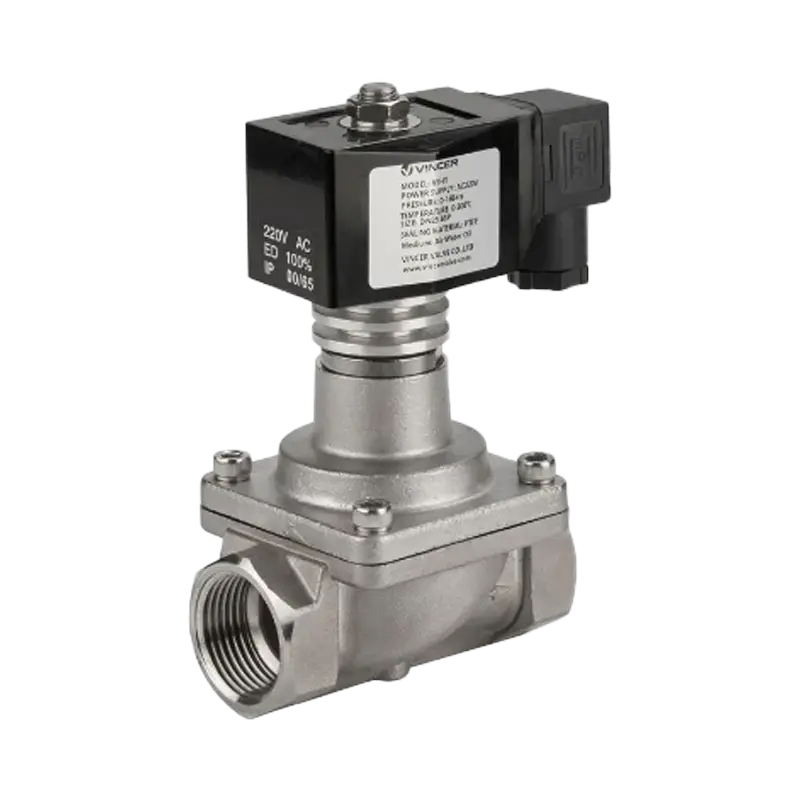
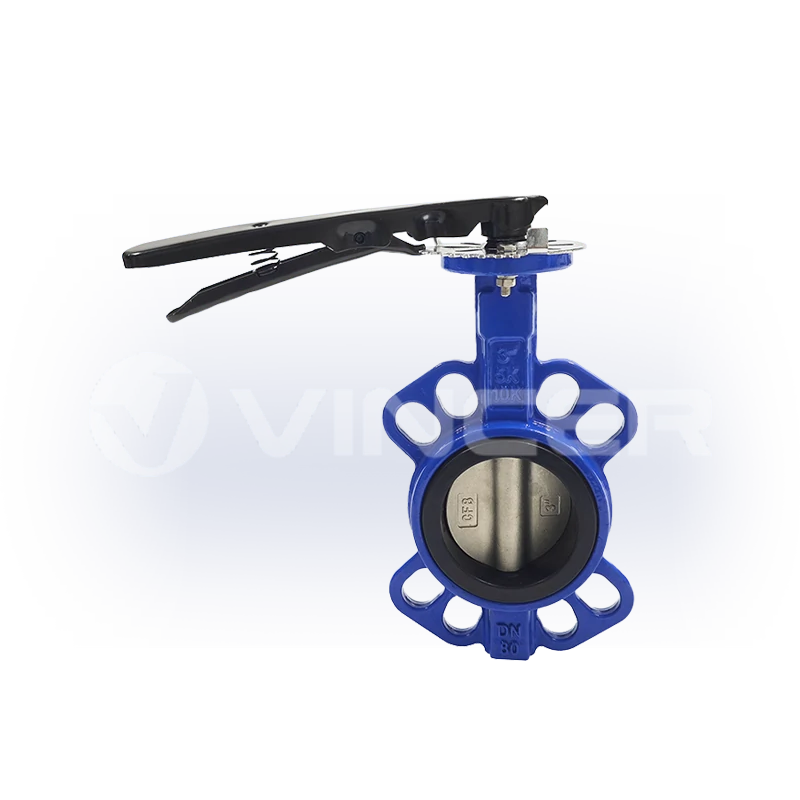
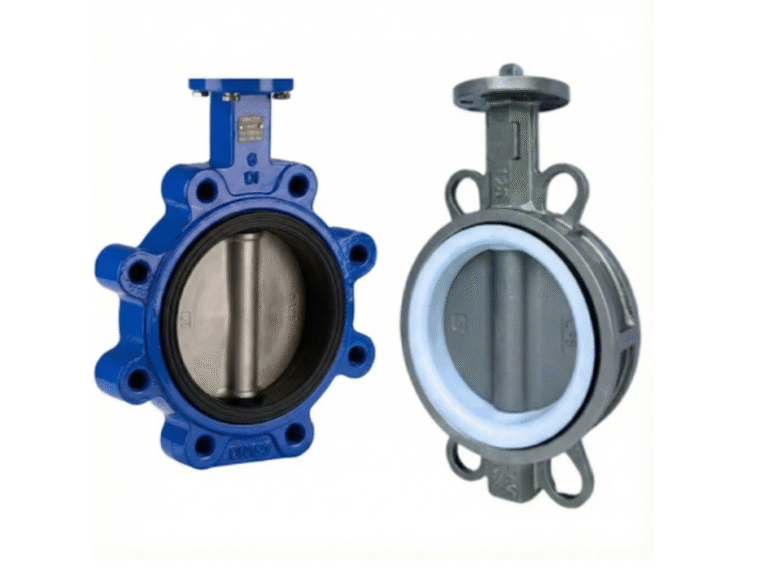
تُعد الصمامات الكروية المزودة بمحرك اليوم عنصراً أساسياً في أنظمة التحكم في السوائل، كما أنها ذات أهمية بالغة في تحسينات الأتمتة في جميع المجالات تقريباً، حيث توفر مجموعة واسعة من التطبيقات. فهي لا تقتصر على مجرد التحكم البسيط في التشغيل والإيقاف فحسب، بل تتيح أيضاً التحكم الدقيق وتحسين الأداء. في هذا الدليل، نوضح كل ما تحتاج إلى معرفته عن الصمامات الكروية المزودة بمحرك حتى تتمكن من اتخاذ القرارات الصحيحة التي تلبي احتياجاتك والعثور على الخيار الأمثل.
ما هو الصمام الكروي الآلي؟
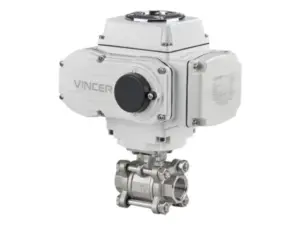
تتحكم المشغلات الكهربائية في الصمامات الكروية الآلية عن طريق تدوير الكرة لفتح الصمامات أو إغلاقها. وعلى عكس الصمامات التي تُشغَّل يدويًّا، فإن هذه الأجهزة — التي تُعرف أيضًا باسم الصمامات الكروية المشغَّلة أو الصمامات الكروية الكهربائية، والتي تتعامل مع السوائل والملاط — تُشغَّل عن بُعد. ويؤدي هذا التحسين إلى زيادة الكفاءة والدقة إلى حد كبير. يتلقى المشغل الكهربائي إشارة أمر، ويقوم بدوره بتشغيل محرك متزامن يعمل على تشغيل مجموعة التروس. يتم تدوير ساق الصمام المتصل بمجموعة التروس في اتجاه عقارب الساعة أو عكس اتجاه عقارب الساعة، عادةً إلى زاوية قائمة أو بزاوية معينة تسمح بتدفق السائل. يوجد داخل جسم الصمام هيكل كروي به فتحة يمكن تدويرها لفتح أو إغلاق أو تقييد تدفق الماء أو أي سائل آخر. تخيل أن نظام الأنابيب الخاص بك مزود بـ“ذراع” آلي يطيع الأوامر الصادرة إليه. هذا هو ما يفعله الصمام الكروي الكهربائي (أو وظيفته).
أنواع الصمامات الكروية المزودة بمحرك
يمكن تصنيف الصمامات الكروية الآلية إلى أنواع مختلفة لتلبية الاحتياجات والظروف المتنوعة. وفيما يلي كيفية تصنيفها:
- حسب وظيفة التحكم:
- صمامات التشغيل/الإيقاف: هذه هي أبسط الصمامات وأكثرها استخدامًا. فهي إما تفتح تدفق السائل تمامًا أو تغلقه تمامًا.
- صمامات التحكم التناسبي/التعديلي: تحتوي هذه الصمامات على أجهزة ضبط موضع ذكية. فهي قادرة على تنفيذ عمليات التحكم بدقة وتعديل زاوية فتح الكرة بناءً على الإشارات الواردة (4-20mA، 0-10V). وهذا يضمن تحكمًا أكثر دقة في معدل التدفق. وكأن الصمام قد زُود بـ“مقبض ضبط دقيق’ يتيح تنظيمًا أفضل للسائل.
- يمكن هنا دمج تكوينات محددة، مثل نظام الإرجاع التلقائي للسلك أو نظام الإرجاع التلقائي البسيط للسلك، لضمان سلامة التشغيل.
- حسب عدد المنافذ:
- الصمامات ثنائية الاتجاه: هذه هي الأنواع الأكثر شيوعًا. وهي تتكون من مدخل واحد ومخرج واحد. ويتم التحكم في التدفق في اتجاه واحد فقط.
- الصمامات ثلاثية الاتجاهات: تحتوي على ثلاثة منافذ. ويمكن إجراء عمليات تحكم أكثر تعقيدًا في التدفق، حيث يمكنها تحويل مسارات السائل أو دمجها أو تبديلها لتمكين مسارات أكثر تعقيدًا.
- حسب مادة الهيكل:
- النحاس: هذه المادة أرخص ثمناً وتناسب السوائل الشائعة مثل الماء والهواء، فضلاً عن السوائل غير المسببة للتآكل.
- الفولاذ المقاوم للصدأ (SS304/SS316): تتمتع هذه المادة بمقاومة جيدة للتآكل، وهي مناسبة للسوائل شديدة التآكل. كما تُستخدم في صناعات تجهيز الأغذية والصناعات الكيميائية التي تتطلب معايير صحية عالية ومواد مقاومة للتآكل.
- UPVC/البلاستيك: هذه مادة منخفضة التكلفة مناسبة للسوائل شديدة التآكل مثل الأحماض والقلويات.
- حسب نوع الاتصال:
- الوصلات الملولبة: شائعة الاستخدام في الصمامات الصغيرة وسهلة التركيب، وغالبًا ما تستخدم خيوط أنابيب مثل NPT.
- الوصلات ذات الحواف: تُستخدم في الصمامات الكبيرة وحالات الضغط العالي. وهي توفر وصلة أكثر متانة.
- الوصلات المشبكية: تُستخدم عادةً في المنتجات المتعلقة بالغذاء والنظافة.
يُرفق جدول لتقديم نظرة عامة أوضح.
| التصنيف | مقال مميز | الوصف |
| وظيفة التحكم | تشغيل/إيقاف | يفتح أو يغلق مسار السائل بالكامل |
| التحكم التناسبي/التحكم النسبي | يتحكم بدقة في زاوية الكرة لضبط التدفق | |
| عدد المنافذ | ثنائي الاتجاه | مدخل واحد، مخرج واحد؛ تحكم أحادي الاتجاه |
| ثلاثي الاتجاهات | ثلاثة منافذ؛ للتحويل أو الدمج أو التبديل | |
| مادة الهيكل | النحاس | سوائل شائعة الاستخدام، وفعالة من حيث التكلفة |
| الفولاذ المقاوم للصدأ (SS304/SS316) | السوائل المسببة للتآكل، النظافة الغذائية | |
| UPVC/البلاستيك | سوائل شديدة التآكل، بتكلفة أقل | |
| نوع الاتصال | ملولبة، ذات حواف، مشبك | تناسب أنواع الأنابيب المختلفة ومتطلبات الضغط المختلفة |
مزايا الصمام الكروي الآلي
يوفر لك استخدام الصمام الكروي الآلي العديد من المزايا المهمة.
أولاً، القدرة على الأتمتة والتشغيل عن بُعد. وهو سهل الاستخدام مع أنظمة التحكم المركزي (DCS) أو وحدات التحكم المنطقية القابلة للبرمجة (PLC). وقد أتاحت أتمتة سير العمل جعل العمليات غير المأهولة أكثر تقدمًا وتطورًا وكفاءة، مما أدى إلى تقليل العناء اليدوي بشكل كبير.
ثانياً، من المهم التحكم في السوائل ومنع حدوث «ضربة الماء». وتتميز الصمامات الكروية الآلية بقدرتها على التحكم في التدفق بشكل أكثر فعالية مقارنة بالصمامات اللولبية. فالطريقة التدريجية التي تفتح وتغلق بها تمنع حدوث «ضربة الماء» وتساعد في حماية نظام الأنابيب، مما يؤدي بدوره إلى إطالة عمر المعدات. وتتم هذه العملية بسلاسة، تماماً مثلما يقود قائد أوركسترا متمرس مجموعة من الموسيقيين. وقد تكون ميزات مثل «العودة التلقائية للسلك» حاسمة أثناء انقطاع التيار الكهربائي، مما يضمن سلامة النظام.
كما أن الصمامات الكروية المزودة بمحركات تتسم بالكفاءة من الناحية الديناميكية الحرارية. فعلى سبيل المثال، لا تستهلك المشغلات الكهربائية الطاقة إلا أثناء الحركة، وتظل ساكنة عند وصولها إلى موضعها الأقصى أو الأدنى. من ناحية أخرى، تستهلك الصمامات الكهرومغناطيسية الطاقة للحفاظ على موضعها.
In addition, motorized ball valves are known for being durable and reliable. The ability of working in tough industrial environments helps the system stay stable and more durable.
Common Industrial Applications
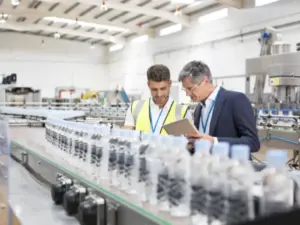
Motorized ball valves are widely used in a wide range of applications across many industrial settings because of their excellent performance:
- Desalination and Water Treatment: They precisely control chemical dosing, ensuring water quality.
- تصنيع الأغذية: Hygiene and precision in the flow of products is vital to maintain the quality of the output.
- HVAC Systems (Heating, Ventilation, and Air Conditioning): Used for zone heating, hot/cold water circulation, and duct air control. This saves energy and improves comfort.
- الصناعات الكيميائية: They manage fluids or gases under high corrosive pressure and endure great aging strength with high corrosion resistance, reliability and corrosion resistance.
- Mining and Metallurgy: They manage the abrasive fluids like slurries and liquids and gases under pressure and corrosive fluids.
- النفط والغاز: Allowed automation for the pipelines transport oil and gas as well as separation subject to strict safety guidelines for explosion proof design.
- Power Industry: Applied in the transportation of gases as well as in cooling and water systems of power plants.
- Equipment Manufacturing: They serve as main parts in several automated systems for precise fluid control.
Choosing The Right Motorized Ball Valve
Selecting the right motorized ball valve for your system is critical for smooth operations. Here are primary considerations while selecting. It is like tailoring a suit for your project:
- Media Characteristics: Think about the type of fluid as water, oil, gas, slurry, its temperature and pressure, how corrosive it is, how viscous and if it contains particles. They help decide what materials are used for the body, ball, seat and what pressure ratings and seal types are needed.
- Flow Needs: The valve size is determined by the preset flow rate.
- متطلبات الرقابة: Would you require a simple on/off command or a detailed flow control? This will mark you for a modulating motorized ball valve or an on/off equivalent.
- Power Supply Voltage: Choose the right actuator voltage (e.g., AC 24V, AC 220V, DC 24V) based on your site’s power.
- Environmental Conditions: Consider ambient temperature, humidity, dust, need for explosion proofing (e.g., ATEX certification), and ingress protection (IP rating).
- Connection Type and Standards: Choose based on your pipe threads (threaded, flanged, clamped) and required standards (e.g., ANSI, GB, DIN, JIS). Common fittings types include NPT.
- Special Function Needs: Is there a need for manual overrides? Signals for feedback concerning position loss? Fail-safe operations like power-off auto-return? Also consider the required torque for the actuator.
Installation, Maintenance And Troubleshooting
Correct installation, regular maintenance, and effective troubleshooting are crucial for your motorized ball valve’s long-term performance and reliability.
Installation Guide
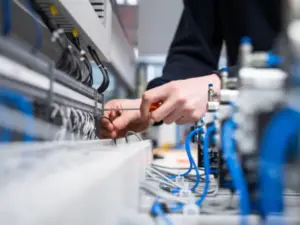
Proper installation ensures the valve operates as intended and prevents future problems.
- Prepare the Site: Cleaning the surrounding area and removing debris, welding slag, or other foreign particles in the piping system is essential for the smooth functioning of the valve as well as preventing blockages in the flow.
- Check Valve and Piping: Make sure the valve is streamlined with the system’s flow. Stub ends should also be visible and aligned which provide proper support without putting the valve body under stress.
- Connect the Valve: Use appropriate sealing methods for your connection type (e.g., Teflon tape for threaded connections, proper gaskets for flanged connections). Tighten all connections to prevent leaks.
- Electrical Wiring: Follow the manufacturer’s wiring diagram exactly. Make sure the power supply voltage matches the actuator’s requirements. Connect control signals correctly for proper automation; for instance, identifying the blue wire for specific connections is vital. Incorrect wiring can damage the actuator or lead to unsafe operation.
- Allow Space: Clear enough space is critical around the valve which will allow for easier access during maintenance, alterations, overrides manually if needed in certain conditions.
Maintenance Tips
Regular maintenance extends the life of your motorized ball valve and ensures peak performance.
- Visual Inspections:Conduct an inspection of any signs of leakage, physical damage like surface corrosion, and damage to the casing of the motorized ball valve. Also examine the actuator enclosure, as well as, the electric connection.
- Electrical Checks: Make sure that the electric connections are properly fastened and that the electric insulation is not damaged. Under-tightened terminals risk the equipment sustaining an electric overload and burning due to erratic functioning.
- التنظيف: Keep the valve’s exterior clean. Dust, dirt, and debris can affect the actuator’s cooling and potentially lead to mechanical issues over time.
- Calibration (for Modulating Valves): If installed with a modulating valve, follow the manufacturer’s preset parameters to ensure accuracy in flow measurement and control.
- التشحيم: Refer to the specific manual if some actuators have specified lubrication requirements.
Troubleshooting Common Issues
Problems can emerge even with correct maintenance and proper installation. Here’s a simple guide to fix them:
- Valve Not Moving:
- Check Power: Is there power to the actuator? Use a multimeter to confirm voltage.
- Check Control Signal: Is the control signal (e.g., 4-20mA, voltage, discrete signal) reaching the actuator?
- Check Fuse: Does the actuator have an internal fuse that might be blown?
- التحكم اليدوي: Can the valve be operated manually? If not, there might be a mechanical obstruction or a problem with the valve body itself.
- Valve Not Fully Opening/Closing:
- Limit Switch Adjustment: The actuator’s end switch limits might need adjustment. Refer to the manual for calibration.
- Excessive Pressure: High differential pressure across the valve might prevent full movement. Check system pressures.
- Debris/Sticking: Foreign particles in the fluid or corrosion might be obstructing the ball’s movement. Consider cleaning or flushing the system.
- Valve Leaking:
- External Leaks: Check pipe connections for proper sealing. Ensure flange bolts are tightened correctly.
- Internal Leaks (Seat Leakage): This usually means the valve seat or the ball surface is worn, damaged, or has debris lodged in it. This often requires valve repair or replacement.
- Stem Leakage: The packing or seals around the valve stem might be worn. These may need tightening or replacement.
- Unusual Noise from Actuator:
- This could indicate worn gears, a faulty motor, or an issue with the power supply (e.g., undervoltage). Consult the manufacturer’s guide or a technician.
If there are difficult problems or if the solution isn’t straightforward, always check the relevant product guide or get in touch with the manufacturer’s helpdesk.
How to Select a Reliable Supplier?
The success of your project, along with its operations, largely depends on the reliable motorized ball valve supplier you choose.
Qualities of a Reliable Supplier
A good supplier will have the following qualities:
- Expertise and Reputation: These attributes stem from and accompany the length of experience and standing a supplier has in the market. Look for companies with proven track records.
- شهادات شاملة: The supplier should have, as a minimum, industry and international certificates. They indicate that the industry’s products and services meet the required standards.
- Excellent Customized Solutions: You may also get a valve that is customized for your specific needs. This is in addition to the standard products every reliable supplier provides. They need to know the industry well to consider your requests accurately.
- Efficient Response and Delivery:In the business world, every second is important. For suppliers, the speed of providing quotes, pre-sales and after-sales assistance, as well as delivery times, are very important.
- Competitive Cost-Effectiveness: Excellent performance and reliable service, coupled with reasonable pricing, aids in preventing costly issues long-term.
- Complete After-Sales Service and Technical Support: A good supplier supports their partners continuously from the beginning of the partnership to the subsequent long-term usage of the system. Effective problem prevention and all-inclusive support are crucial.
Why Choose VINCER?

Since 2010, VINCER has focused on automated valve solutions and has provided industry expertise for over a decade to clients such as FESTO, TAMESON and VEOLIA. Their reputation with customers highlights their important position in the industry. VINCER ensures quality by providing CE, RoHS, SIL and FDA certified motorized and pneumatic valves and by having an ISO9001 certification for quality management. Eight important areas are used to filter custom requirements, including medium analysis, medium pressure analysis, temperature analysis, control methods, material requirements, connection standard, medium opening/closing time and installation position and space. VINCER’s 12-hour response guarantee is faster than the industry average, providing instant quotes, quick support and standard FRD for off-the-shelf items in a week to ten business days, with custom orders delivered in fifteen to thirty days. If you need urgent help, you can get priority and fast services. By concentrating on ‘doing more with less,’ VINCER cuts down on costly after-sales support by providing both affordable and high-quality products and detailed solutions. All customer issues are handled well within the support system, with the engineering team preventing problems and providing spare parts, phone assistance and on-site help for key tasks.
الخلاصة
At present, motorized ball valves are one of the most important parts of fluid control. Automation helps make complex processes easier to operate. Because these valves are effective and efficient, they help reduce the costs of running the plant. Many things must be considered when choosing a motorized ball valve, including the application, the reputation of the suppliers, the specifications and the type of valve. Good luck with your selection.