مقدمة
يمكن استخدام الصمامات في مختلف الصناعات، مثل صناعات النفط والغاز ومعالجة المياه والصناعات التحويلية، لتسهيل التدفق المنظم للوسائط. إن المعرفة بأنواع الصمامات المتاحة وتصميمها وتطبيقاتها يمكن أن تسهم بشكل كبير في تحسين أداء النظام وسلامته. وسواء كنت تعمل مع نظام أنابيب ضخم أو عملية صغيرة، فإن اختيار الصمام المناسب يساعد على تحقيق التدفق الصحيح للسوائل بأقل انخفاض في الضغط. في هذه المقالة، سيناقش المؤلف أنواع الصمامات الأكثر شيوعًا ووظائفها وكيفية اختيار الصمام المناسب.
علاوة على ذلك، يمكن أيضًا استكشاف الجوانب المحددة التي تعمل عليها الصمامات وكيفية عملها، بالإضافة إلى مزايا طرق التشغيل المختلفة، والأسباب التي تجعل بعض أنواع الصمامات هي الأنسب لعمليات معينة. هل سألت نفسك يومًا عن عدد أنواع الصمامات الموجودة أو أي منها يناسب مشروعك؟ أنت في المكان الصحيح!
ما هي الصمامات؟
الصمامات هي في جوهرها أجهزة تعمل على تنظيم أو توجيه أو التحكم في تدفق السوائل (الغازات أو السوائل أو الملاط) عن طريق فتح أو إغلاق أو إعاقة جزئية للمسارات الموجودة في جسم الصمام. وتتوفر الصمامات في مجموعة متنوعة من الأنواع المختلفة، كل منها مصمم خصيصًا لمهام وتطبيقات محددة. وتتطلب بعض الأنظمة تحكمًا دقيقًا في التدفق، ولذلك لا غنى عن الصمامات لتحقيق ذلك.
تُستخدم الصمامات لبدء التدفق أو إيقافه، وتغيير اتجاه التدفق أو الضغط، ومنع التدفق العكسي (التدفق الخلفي). بعضها مخصص للتطبيقات ذات الضغط العالي، والبعض الآخر للتطبيقات ذات الضغط المنخفض. هناك صمام يناسب احتياجاتك، سواء كنت بحاجة إلى التحكم في اتجاه التدفق أو الحفاظ على معدل تدفق ثابت. فينسر, ، وهي شركة رائدة في تصنيع الصمامات، تقدم مجموعة واسعة من الحلول في مجال الصمامات عالية الجودة لتلبية احتياجات قطاعكم.
طرق فتح الصمامات: شرح الصمامات اليدوية والمشغلة آليًا والآلية
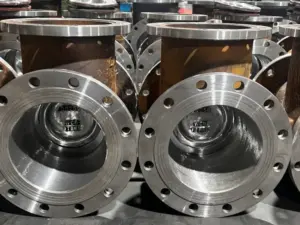
تُصنف الصمامات حسب طريقة تشغيلها، وهذا يعتمد على درجة التحكم المطلوبة. في هذه المقالة، سنناقش الصمامات اليدوية، والمشغَّلة آليًّا، والأوتوماتيكية، وأنواعها، وطريقة عملها، ومزاياها، وعيوبها.
الصمامات اليدوية
هذه صمامات يتم التحكم فيها يدويًّا باستخدام عجلة يدوية أو ذراع. ويتم تنظيم تدفق السائل من خلال قيام المستخدم بفتح الصمام أو إغلاقه عن طريق تدويره. وتتميز هذه الصمامات بأنها رخيصة نسبيًّا وبسيطة ولا تتطلب تعديلات متكررة، مما يجعلها مناسبة للاستخدام في الأنظمة التي لا تحتاج إلى تحكم متكرر. ومع ذلك، فقد تكون أقل فعالية في التطبيقات التي تتطلب تحكمًا سريعًا أو دقيقًا نظرًا لأن النظام يتم تشغيله يدويًّا.
الصمامات المشغلة آليًا
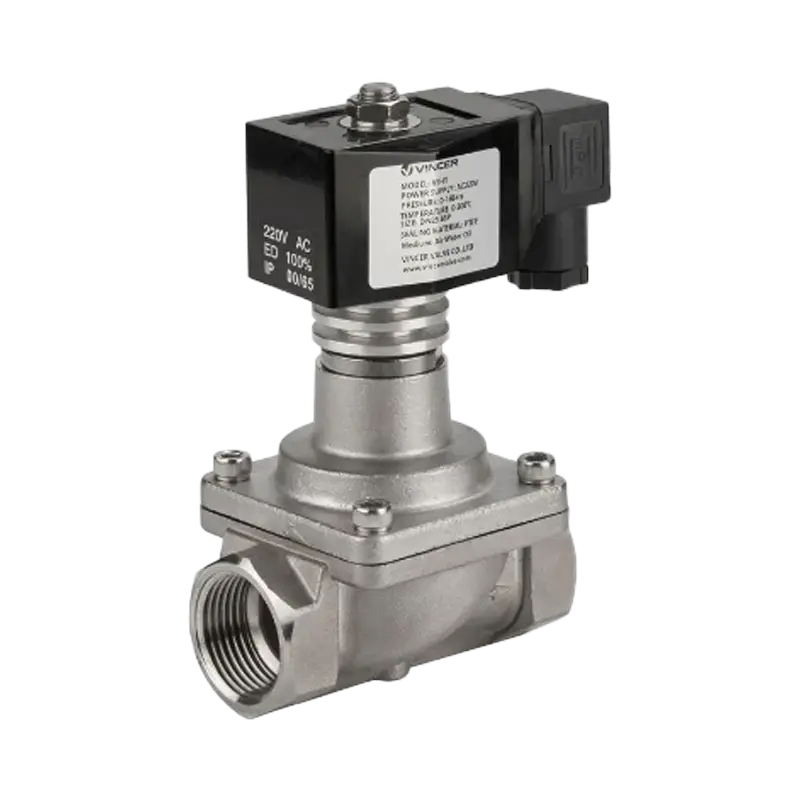
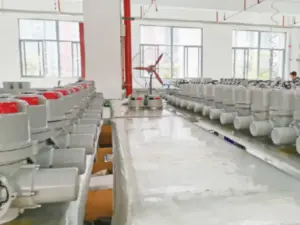
تعمل هذه الصمامات بواسطة مصدر طاقة خارجي، سواء كان كهربائيًا أو هيدروليكيًا أو هوائيًا. وتتميز هذه الصمامات بدقة أكبر، كما يمكن تشغيلها عن بُعد، مما يجعلها خيارًا مثاليًّا في الأنظمة التي تتطلب أتمتة التحكم في التدفق أو التي تتسم بالتعقيد. وتتمثل الميزة الرئيسية لهذه الصمامات في سرعة استجابتها لتغيرات النظام واستقرار أدائها في الظروف الصعبة. أما العيب فهو أنها عادةً ما تكون باهظة الثمن وتحتاج إلى صيانة متكررة بسبب الأجزاء الأخرى المكونة لها، مثل المشغلات.
للحصول على صمامات تعمل آليًا عالية الجودة،, فينسر هي شركة تصنيع موثوقة تشتهر بتقديم حلول متينة وموثوقة مصممة خصيصًا لتلبية الاحتياجات الصناعية. وتضمن تقنيتها المتطورة في مجال الصمامات أداءً فعالاً، حتى في أكثر البيئات صعوبة.
الصمامات الأوتوماتيكية
تشمل الصمامات التي تتكيف تلقائيًا دون الحاجة إلى التحكم اليدوي أو أي وسيلة أخرى تلك التي تستجيب لتغيرات الضغط أو تدفق السوائل. وتُستخدم هذه الصمامات في أنظمة تخفيف الضغط وأنظمة السلامة، حيث تفتح أو تغلق وفقًا لضغط النظام. وعلى الرغم من أنها توفر أعلى مستوى من الدقة والأتمتة، إلا أن إعداد هذه الأنظمة قد يكون معقدًا، كما أنها قد تكون باهظة التكلفة من حيث الشراء والصيانة.
تتميز جميع أنواع الصمامات بطابعها الفريد، وهي مناسبة لتطبيقات مختلفة وفقًا لمتطلباتك، بما في ذلك سهولة الاستخدام أو الدقة أو الأتمتة.
فيما يلي جدول ملخص لطرق فتح الصمامات الثلاث، مما يسهل فهم مبادئ عملها ومزاياها وعيوبها:
| نوع الصمام | مبدأ العمل | المزايا | العيوب |
| الصمامات اليدوية | يُشغَّل يدويًّا، باستخدام مقبض أو عجلة أو رافعة. | بسيطة، وفعالة من حيث التكلفة، وسهلة الصيانة. | يتطلب تدخلًا بشريًّا، وأقل دقة. |
| الصمامات المشغلة آليًا | يعمل باستخدام مصدر طاقة خارجي (كهربائي، هيدروليكي، هوائي). | يوفر تحكمًا دقيقًا، ويمكن تشغيله آليًّا والتحكم فيه عن بُعد. | تكلفة أعلى، وتحتاج إلى صيانة أكثر. |
| الصمامات الأوتوماتيكية | يتم ضبطه تلقائيًا وفقًا لظروف النظام (الضغط، التدفق، إلخ). | أعلى مستوى من الأتمتة، يستجيب تلقائيًا لتغييرات النظام. | تكلفة تركيب مرتفعة، وإعداد معقد، وصيانة أكثر تكلفة. |
الصمامات في العمل: كيف تؤثر آليات التشغيل والتحكم على الأداء
يتأثر أداء النظام وموثوقيته بشكل مباشر باختيار طريقة تشغيل الصمامات. تتميز الصمامات البوابية والصمامات الكروية بسهولة التشغيل والصيانة، لكنها أقل استجابة في البيئات سريعة التغير. على سبيل المثال، يعمل الصمام البوابي على رفع أو خفض البوابة لإيقاف أو بدء تدفق السائل، مع حدوث انخفاض في الضغط يتوقف على درجة الفتح. تتمتع الصمامات المزودة بمحركات بتحكم أفضل ويتم تشغيلها عن بُعد مع إمكانية ضبط أكثر دقة.
تتيح الصمامات المصممة للحركة الدورانية، مثل الصمامات الفراشية والصمامات السدادة، التشغيل السريع بربع دورة. وفي الأنظمة واسعة النطاق التي يُعد فيها تقليل فقدان الطاقة إلى أدنى حد ممكن والتعديل السريع للتدفق أمرين مهمين، يُعد هذا النوع من الصمامات ذات الحركة الدورانية فعالاً. ويستطيع المشغلون الذين يتمتعون بفهم جيد لكيفية تأثير آلية تشغيل الصمام على النظام ككل اختيار أفضل صمام مناسب للمهمة.
استكشاف أكثر 10 أنواع من الصمامات شيوعًا وتطبيقاتها
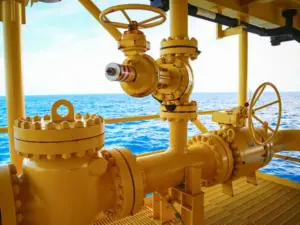
يتم التحكم في تدفق السوائل عبر مختلف الصناعات بواسطة الصمامات. في هذا المقال، سنتناول الأنواع العشرة الأكثر شيوعًا من الصمامات، ومبادئ عملها، ومكوناتها الرئيسية، والمواد المستخدمة في صنعها، وتطبيقاتها الصناعية المحددة. وقبل الخوض في الشرح التفصيلي للأنواع العشرة المختلفة من الصمامات، يقدم الجدول التالي لمحة سريعة عن خصائصها الرئيسية. إذا كنت ترغب في الاطلاع على معلومات أكثر تفصيلًا عن كل صمام، فلا تتردد في مواصلة القراءة أدناه.
| نوع الصمام | نطاق الأحجام | مبدأ العمل | المكونات الرئيسية | المواد | الوسائط السائلة | التطبيقات |
| صمام كروي | 0.5 بوصة إلى 36 بوصة | تدوير كرة بها فتحة للتحكم في التدفق | الكرة، المقعد، الجذع، المقبض | الفولاذ المقاوم للصدأ، النحاس، البولي فينيل كلوريد | الغازات، السوائل | النفط والغاز، معالجة المياه، المعالجة الكيميائية |
| صمام بوابة | 2 بوصة إلى 48 بوصة | رفع/خفض البوابة لبدء/إيقاف التدفق | البوابة، الساق، الجسم، عجلة التشغيل اليدوية | الحديد الزهر، الفولاذ المقاوم للصدأ | الماء، الزيت، البخار | شبكات توزيع المياه، وأنابيب النفط والغاز |
| صمام كروي | 0.5 بوصة إلى 24 بوصة | تحريك سدادة/قرص بشكل عمودي على اتجاه التدفق | القرص، المقعد، العمود، عجلة التحكم اليدوية | الفولاذ المقاوم للصدأ، النحاس الأصفر | البخار، مياه التبريد، المواد الكيميائية | محطات توليد الطاقة، المعالجة الكيميائية، أنظمة التدفئة والتهوية وتكييف الهواء |
| صمام الفراشة | 2 بوصة إلى 72 بوصة | تدوير قرص لتمكين/تقييد التدفق | القرص، الساق، الجسم، المقبض | الحديد المطاوع، البولي فينيل كلوريد، الفولاذ المقاوم للصدأ | الماء، الهواء، الملاط | أنظمة التدفئة والتهوية وتكييف الهواء (HVAC)، وأنظمة المياه، وأنظمة الحماية من الحرائق |
| صمام فحص | 0.5 بوصة إلى 36 بوصة | السماح بالتدفق في اتجاه واحد، ومنع التدفق العكسي | القرص، الزنبرك، الهيكل، المقعد | الحديد الزهر، الفولاذ المقاوم للصدأ، النحاس الأصفر | السوائل، الغازات | أنظمة المياه، والمضخات، والمعالجة الكيميائية |
| صمام الحجاب الحاجز | 0.5 بوصة إلى 12 بوصة | يضغط الحجاب الحاجز على المقعد للتحكم في التدفق | الحجاب الحاجز، المقعد، المشغل | المطاط، PTFE، الفولاذ المقاوم للصدأ | السوائل المسببة للتآكل، الملاط | الصناعات الدوائية، وتصنيع الأغذية، والصناعات الكيميائية |
| Needle Valve | 0.125 بوصة إلى 2 بوصة | تحريك مكبس على شكل إبرة لتنظيم التدفق | الإبرة، المقعد، الجذع، المقبض | الفولاذ المقاوم للصدأ، النحاس الأصفر | الغازات، السوائل | البتروكيماويات، والفضاء، والأبحاث المختبرية |
| صمام سدادي | 0.5 بوصة إلى 36 بوصة | تدوير سدادة ذات ممر مجوف | السدادة، الساق، الجسم، المقبض | الفولاذ الكربوني، الحديد الزهر، الفولاذ المقاوم للصدأ | المواد الكيميائية المسببة للتآكل، الغاز | المصانع الكيميائية، وأنابيب نقل النفط والغاز |
| صمام الضغط | 0.5 بوصة إلى 48 بوصة | ضغط أنبوب مرن للتحكم في التدفق | أنبوب، آلية الضغط، مشغل | المطاط، الإيلاستومرات، الفولاذ المقاوم للصدأ | الملاط، السوائل الكاشطة | التعدين، معالجة مياه الصرف الصحي، صناعة اللب والورق |
| صمام تنفيس/أمان | 0.5 بوصة إلى 24 بوصة | يفتح تلقائيًا عند الوصول إلى الضغط المحدد مسبقًا | الزنبرك، القرص، المقعد، الهيكل | الفولاذ المقاوم للصدأ، النحاس الأصفر | البخار، الغازات، السوائل | توليد الطاقة، مصافي النفط، مصانع المواد الكيميائية |
صمام كروي
تتميز الصمامات الكروية ببساطة تصميمها وموثوقية تشغيلها، وتستخدم على نطاق واسع. يتكون الصمام من قرص كروي به فتحة في المنتصف، وعندما يكون في اتجاه التدفق، يسمح بمرور الوسائط من خلاله. يتميز الصمام بسرعة استجابته، حيث يفتح أو يغلق بالكامل بربع دورة. وتتمثل ميزته الرئيسية في أنه يوفر مسار تدفق كامل وخالٍ من العوائق، مما يقلل من انخفاض الضغط إلى أدنى حد.
عادةً ما تُصنع الصمامات الكروية من الفولاذ المقاوم للصدأ أو النحاس أو مادة PVC، وذلك اعتمادًا على نوع السائل الذي يتم التحكم فيه. وتُستخدم هذه الصمامات على نطاق واسع في صناعات النفط والغاز ومعالجة المياه والمعالجة الكيميائية. وتُستخدم الصمامات الكروية في قطاع النفط والغاز لعزل خطوط الأنابيب، والتحكم في تدفق الغاز في المصافي، وفي عمليات الحفر البحرية. كما تُستخدم أيضًا في أنظمة السباكة السكنية لتطبيقات قطع المياه.
صمام بوابة
الصمام البوابي هو صمام يعمل عن طريق تحريك بوابة معدنية لأعلى أو لأسفل إما للسماح بتدفق السائل أو إيقافه. وتختلف الصمامات البوابية عن الصمامات الكروية في أنها مصممة للاستخدامات التي يتعين فيها أن يظل الصمام مفتوحًا تمامًا أو مغلقًا تمامًا، ولا توفر قدرات جيدة على التحكم في التدفق. كما أنها تقلل من انخفاضات الضغط وتتيح تدفقًا مستقيمًا تمامًا دون أي عوائق.
في الصناعات التي تتطلب أنابيب ذات قطر كبير ولا يتم تشغيل الصمامات فيها إلا نادرًا، تُستخدم الصمامات البوابية بشكل شائع، على سبيل المثال، في شبكات توزيع المياه ومحطات معالجة مياه الصرف الصحي وأنابيب النفط والغاز. وتساعد الصمامات البوابية، على سبيل المثال، في تنظيم تدفق المياه في محطات معالجة المياه، أو قد تُستخدم لتوجيه تصريف مياه الأمطار من المباني. وبفضل استخدام الحديد الزهر والفولاذ المقاوم للصدأ، تتميز هذه الصمامات بمواد بناء متينة تسمح لها بالتعامل مع التطبيقات التي تتطلب تدفقات كبيرة من المياه مع اضطرابات منخفضة.
صمام كروي
الصمامات الكروية هي صمامات مصممة للتحكم في التدفق بدقة. تتميز بجسم كروي وتستخدم سدادة أو قرصًا يتحرك بشكل عمودي على اتجاه تدفق السائل. ويؤدي هيكلها الداخلي إلى انخفاض أكبر في الضغط، لكنه يتيح تنظيمًا أفضل للتدفق، مما يجعلها مناسبة لتطبيقات الخانق.
تُستخدم هذه الصمامات على نطاق واسع في مجال توليد الطاقة، والمعالجة الكيميائية، وأنظمة التدفئة والتهوية وتكييف الهواء (HVAC). وتُستخدم الصمامات الكروية في صناعة الطاقة للتحكم في تدفق البخار أثناء تشغيل التوربينات، وفي المصانع الكيميائية للتحكم في تدفق المواد الكيميائية التفاعلية من أجل ضمان السلامة والدقة. ونظرًا لأنها مصنوعة من الفولاذ المقاوم للصدأ أو الحديد الزهر، فإنها قادرة على العمل في درجات حرارة عالية وبيئات قابلة للتآكل.
صمام الفراشة
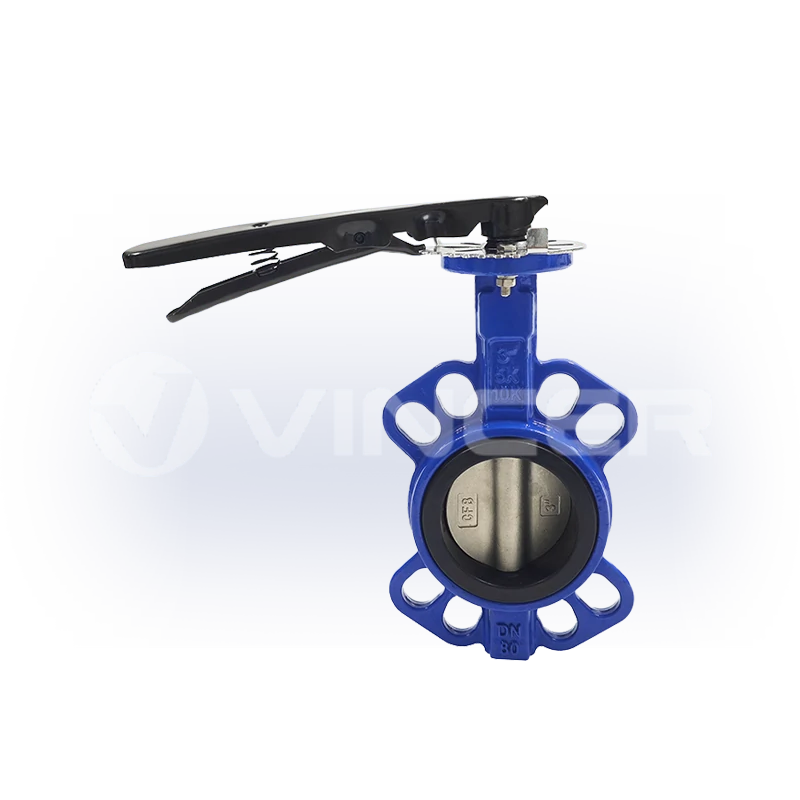
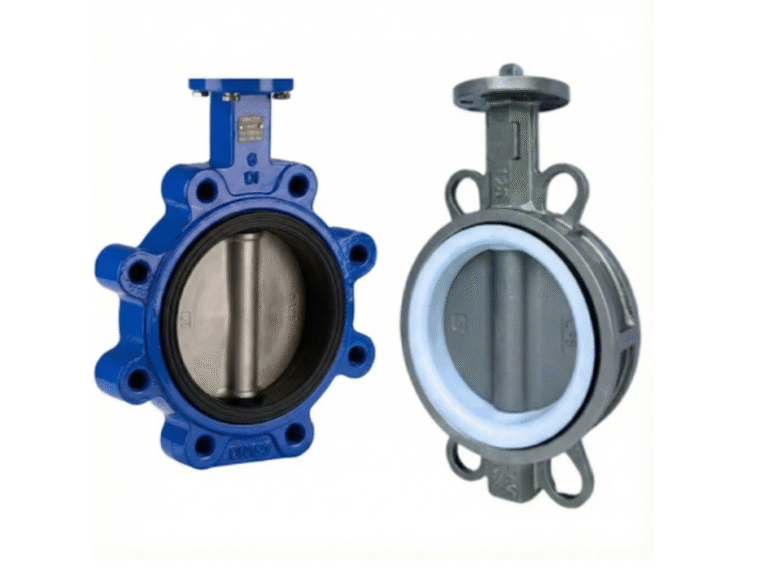
The butterfly valve opens and shuts as its disc rotates on a shaft. This valve has a compact and lightweight design that makes it suitable for large diameter applications where space and weight are issues. The valve opens fully with a simple quarter turn, making for fast and easy operation.
They are used in many industries including water distribution, HVAC systems and fire protection systems. Butterfly valves are in use in food and beverage industry to control flow of liquids in the production processes like milk or juice handling. Frequently used materials are ductile iron, stainless steel and PVC, depending on the application. Being capable of taking low pressure, the valve is ideal for bulk handling but might not be tight enough shut off in higher pressure environments.
Check Valve (Non return Valve)
Check valves, or non-return valves, are designed to allow fluid only in one direction to prevent unwanted reverse flow against equipment or to prevent disruption of system operation. The valve is operated automatically, opening the valve when the pressure of the incoming fluid is high and closing the valve when the pressure is reversed.
Check valves are extensively used in the oil and gas, water treatment, and chemical processing industries. They prevent backflow in pump systems in oil refineries, protecting expensive equipment. However, check valves in municipal water systems let dirty water out of the clean water stream but not back in. The check valves are made up of strong materials like cast iron, stainless steel, and brass which can stand up to tough chemicals and heavy duty practices.
صمام الحجاب الحاجز
Diaphragm valves are closed or partially blocked by pressing a flexible diaphragm against a seat, to control media flow. It is a good design for corrosive or abrasive fluid because the working parts are isolated by diaphragm that protects valve mechanism from damage.
Such valves are widely applied in pharmaceutical industry and food industry and chemical processing industry where the sterile environment is necessity. Diaphragm valves maintain the contamination free nature of fluids in pharmaceutical manufacturing, and in food production, these valves regulate the flow of liquids such as sauces or dairy products. They are constructed from rubber, PTFE, or other elastomers and are excellent for handling aggressive chemicals but not so good for high pressure applications.
Needle Valve
Needle valves are used in the control of fluids flow where there is need of a fine metering. They have a thin, pointed rod style plunger to facilitate higher degrees of control. This valve is usually employed in systems which demand that the flow of gas or liquid should be regulated to the extent that even slight fluctuations can influence the process.
Needle valves are mainly applied in the sectors such as petrochemicals, aerospace, and laboratory services. In the petrochemical industry, they control the flow of natural gas in pipes. In the lab, needle valves are employed to control the rate of flow of gases or liquids in tests. They are mostly constructed from stainless steel to suit high temperature and high pressure conditions.
صمام سدادي
Plug valves are those valves in which the flow is controlled by a cylindrical or conical plug with a hole through it. When the plug is rotated, the valve either opens or closes, thus giving a quick and efficient way of controlling the flow. Plug valves are very simple in design, very strong and can pass a large amount of fluid with very little pressure loss.
These valves are commonly seen in chemical industries, petroleum and natural gas systems and even in water treatment plants. At chemical plants, plug valves manage the movement of corrosive chemicals. In the oil industry, they manage the movement of crude oils and natural gasses in pipelines. Plug type valves are made of carbon steel, cast iron or stainless steel to withstand tough conditions and services with abrasive fluids.
صمام الضغط
It works by pinching a flexible tube or sleeve to in order to control flow. In the case of the valve, when it is activated the sleeve is compressed to shut off the fluid. This design does not require any internal components in the fluid path and that is why pinch valves are suitable for use with abrasive or corrosive fluids.
These types of valves are well suited for use in industries like mining, pulp and paper and wastewater treatment. In the mining industry, pinch valves control slurry which are a mixture of water and fine particle. In wastewater treatment, they control the flow of sludge as well as other thick substances. The body of the valve is generally manufactured from stainless steel or plastic with the sleeve being produced from durable elastomers including rubber .
Relief and Safety Valve
Relief valves and safety valves are basically used to control the pressure of a system. Both relief valves are used to automatically let go of pressure when it hits a certain level, and safety valves serve as the ultimate protection for preventing system failures. Both valves are important in avoiding mishaps and damaging the equipment.
Such valves are widely used in power generation application, oil and gas industry, and chemical processing. These include pressure controls in power plants where steam pressure in boilers is regulated by relief valves and in oil refineries where pressure in gas pipelines is closely regulated to prevent dangerous pressure build up. Safety and relief valves are constructed from very durable materials such as stainless steel to allow for their use in high temperature and high pressure applications without breaking down.
Advantages and Disadvantages of Different Types of Valve
Understanding the advantages and disadvantages of different types of valves is crucial for selecting the right valve for your application. Below, we break down the key pros and cons of each valve type to help you make an informed decision.
صمام كروي
Advantages:
-
It can be easily opened and closed with a quarter turn.
-
It has a very good seal even when the pressure is high.
-
Low pressure drop when fully open.
Disadvantages:
-
Not suitable for rate limiting or flow control at the partial rate.
-
Wears out easily when used frequently in the throttling positions.
صمام بوابة
Advantages:
-
Good flow rate when fully open due to absence of any obstruction to the fluid’s movement.
-
Applicable for large diameter pipelines.
Disadvantages:
-
Slow operation due to the gate’s full movement.
-
Not for throttling; if only partially opened, the gate can be damaged.
صمام كروي
Advantages:
-
Suitable for applications where a high degree of flow control is required and where throttling is an issue.
-
It is also very effective in sealing well.
Disadvantages:
-
Increased pressure drops due to the flow path.
-
It is a more complicated design that needs more attention in terms of maintenance.
صمام الفراشة
Advantages:
-
Compact and lightweight.
-
Quarter turn operation enables quick opening and closing of the door.
Disadvantages:
-
Disc stays in the flow path and only slightly increases the pressure drop across the flow path.
-
Not suitable for high pressure applications.
صمام فحص
Advantages:
-
It has an automatic reverse flow prevention mechanism.
-
It is a low-cost design with low maintenance requirements.
Disadvantages:
-
May not be effective in low pressure systems.
-
May cause a small pressure drop.
صمام الحجاب الحاجز
Advantages:
-
Ideal for use with aggressive and erosive fluids.
-
Removes fluid from the operating mechanism.
Disadvantages:
-
It is not suitable for use in high pressure systems.
-
Diaphragm can get spoiled with time.
Needle Valve
Advantages:
-
Offers a very high level of flow control.
-
Suitable for small diameter and low flow rate systems.
Disadvantages:
-
Restricted to low-flow rates.
-
Slow operation due to fine adjustments.
صمام سدادي
Advantages:
-
Simple and durable design.
-
Quick quarter turn operation.
Disadvantages:
-
Higher torque is needed for operation in larger sizes.
-
Sealing surfaces can also deteriorate with time to an extent that they may need to be sealed again.
صمام الضغط
Advantages:
-
Suitable for use with slurry and abrasive materials.
-
No internal parts in the flow path, reducing clogging risk.
Disadvantages:
-
Used only in low pressure systems.
-
Sleeve may have to be replaced often because it gets worn out easily.
Relief and Safety Valve
Advantages:
-
Critically important for pressure relief and system safety.
-
Automatically releases excess pressure to prevent damage.
Disadvantages:
-
Needs to be checked and maintained often in order to work effectively.
-
It can be difficult to implement in large systems and may be expensive to install in such systems.
Valve Selection Guide: Choosing the Right Valve for Your Application
The key factors to consider when selecting a valve are when you want the best performance of your system. Here’s a breakdown of the most critical aspects:
-
Fluid Type: A major factor is the nature of the fluid (liquid, gas, corrosive, abrasive). Diaphragm valves, for instance, are suited for corrosive or abrasive fluids whereas ball valves, are suitable for gases and clean liquids.
-
الضغط ودرجة الحرارة: Globe valves or ball valves are durable valves for high pressure and high temperature systems. Butterfly valves (or pinch valves) may be suitable if your environment is low pressure.
-
Flow Control Requirements: Globe or needle valves are perfect if precision flow control is an issue. Gate valves and ball valves, among others, purposed to simple on-off control, it is fast and efficient operating.
-
Valve Size and Space Constraints: Butterfly valves tend to be space saving in applications where space may be limited and can be used on large diameters. Plug valves, for example, may need more installation space.
-
Material Compatibility: The material for the valve must be fit for the fluid and those environmental conditions. Corrosive fluids are handled better by stainless steel or brass valves, and PVC is good for water or non-corrosive environments.
When these points are taken into account, they will assist you in making the right choice for the correct valve to give the best overall performance in your particular application.
Valve Maintenance and Safety Considerations for Optimal System Performance
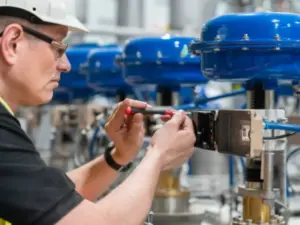
Valve maintenance as well as safety check is important to make sure that valves work correctly and also to increase their life span. First of all, one should try to check valves for wear, corrosion and leakage routinely, particularly at the valve seat and the seals. As for any mechanical component, seals wear out, which may cause fluid leakage and decrease in the unit’s performance. Correct lubrication of parts in contact, especially for actuated valves, assists in avoiding mechanical problems and smooth running of the process.
Safety is equally important. It should also be checked whether the relief and safety valves provide the required functions when pressure increases with the help of pressure surges. In high-pressure systems, valve failure can be catastrophic and that is why it is important to replace worn out parts as soon as possible. Also, one should ensure that he or she adheres to the recommended pressure and temperature conditions for the valve to ensure that the valve is not over worked and hence develop some fatal failures. When it comes to valve performance and system integrity to maintain, one has to be proactive with the maintenance and follow the right safety precautions.
خاتمة
Selecting the correct valve is critical to the effective control of fluid flow and overall system performance. It ranges from the identification of individual valve roles to the routine checking, all these aspects are crucial in the overall running. Vincer is a company that provides a great variety of high quality and long-lasting actuated valves suitable for industrial use. Please visit our product page to see the suitable valve for your system requirements.