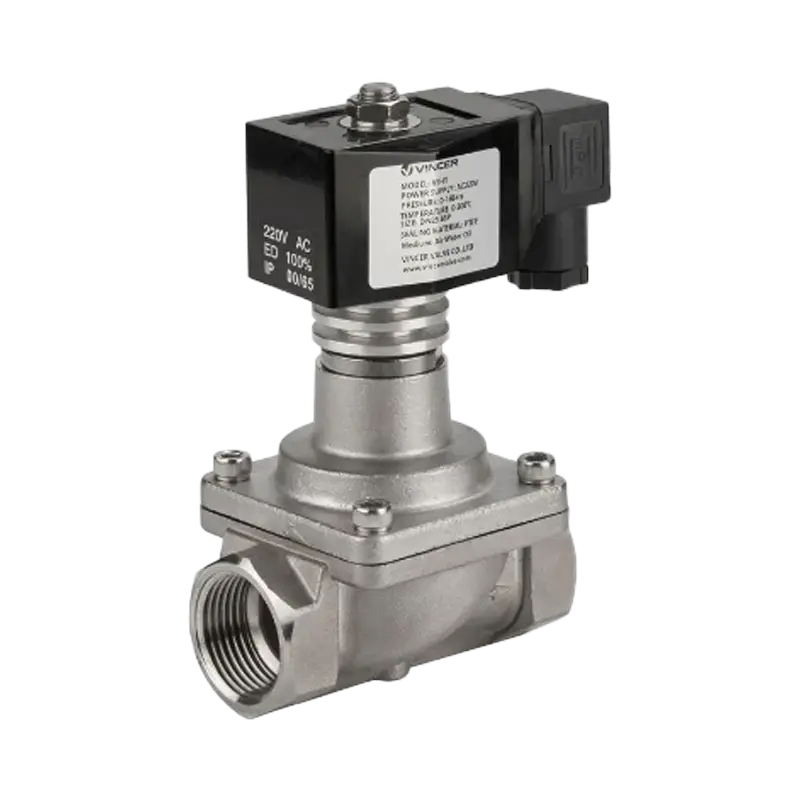
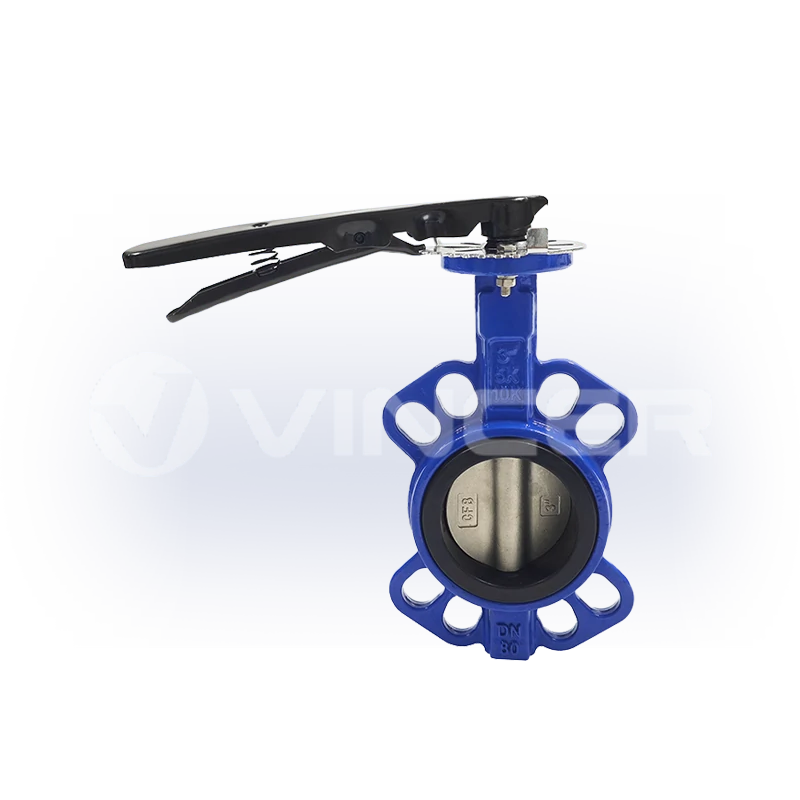
Введите в поиск “цена дроссельной заслонки”, и вы найдете 2-дюймовый клапан из ПВХ за $51 и 4-дюймовый клапан промышленного назначения за $2,945. Оба варианта реальны, и оба называются “дроссельными заслонками”. Такая разница в цене — не мошенничество и не ошибка. Это результат взаимодействия пяти переменных, о которых почти никто не рассказывает. В этом руководстве подробно рассмотрена вся ценовая карта в том порядке, в котором покупатель на самом деле об этом думает: как выглядят цены, какие типы существуют и почему они стоят столько, сколько стоят, когда автоматизация окупается и как проверить предложенную вам цену.
Диапазоны цен на клапаны-бабочки в зависимости от размера: 2″–8″ — краткий справочник
Приведенные ниже цены представляют собой реальные рыночные диапазоны, сформированные на основе опубликованных цен американских дистрибьюторов и данных о стоимости замены, проверенных в августе 2026 года. Они служат ориентиром при составлении бюджета, а не являются официальными ценовыми предложениями: цены на заводскую продукцию и оптовые поставки определяются по другой шкале (см. раздел ’Прайс-лист» далее).
| Размер | Материал корпуса | Розничная цена (за штуку) | Оптовая продажа / Прямо с завода (50+) | Примечания |
|---|---|---|---|---|
| 2″ | ПВХ | от одного до четырех раз по пять и один | от одного года до четырёх лет и от двух месяцев до четырёх лет и пяти месяцев | Ирригационный класс (Irrigation King) |
| 2″ | Чугун / высокопрочный чугун | От одной до четырёх тонн на тонну от 120 до 260 | от одного до одного целого шести до ста тридцати | Пластина, рычаг; SS316 дополняет 80–150% |
| 2,5″ | Чугун / высокопрочный чугун | От одной до четырёх тонн на тонну 140–300 | от одной до двух тысяч четырехсот семидесяти до одной тысячи четырехсот пятидесяти | Встречаются реже, обычно указываются в ценовых предложениях, мало предложений на розничном рынке |
| 3″ | Чугун / высокопрочный чугун | От одного до четырёх раз: от 180 до 380 | от одного до десяти, от девяноста до ста девяноста | Eagle: Запасная деталь из чугуна или нержавеющей стали, 3″, для моделей $350–$800 |
| 3″ | Нержавеющая сталь (304/316) | От одной до четырехсот и до девятисот | От одной до четырех тысяч, от двухсот до четырех тысяч пятисот | Управление по санитарному надзору/FDA добавляет код 10–30% |
| 4″ | Чугун / высокопрочный чугун | От одной до четырех тысяч, от двухсот до четырех тысяч шестисот | От одной до четырёх тонн на тонну от 100 до 230 | «Apollo 4» с ушком DI $262 (Cooney Brothers) |
| 4″ | Нержавеющая сталь | от 1 000 до 1 200 | От одного до четырех раз по двести–шестьсот | Eagle: 4″ пневматическая система из нержавеющей стали $500–$1 200 |
| 6″ | Чугун / высокопрочный чугун | От одного до четырех раз от 240 до 470 | От одного до четырёх раз десять в степени четыре к двести сорока | Пластина CI $150–$237, пластина DI $248–$470 (Irrigation King, ValveMan, USABlueBook) |
| 6″ | Ушко, эпоксидное железо + диск из нержавеющей стали | $737 | — | hdpesupply, соединительная головка 10–20% по сравнению с пластинкой |
| 8″ | Чугун / высокопрочный чугун | от тысячи четырехсот сорока девяти до тысячи четырехсот пятидесяти | От одной до четырёх тонн на тонну 150–250 | Зубчатая передача CI $293 (Irrigation King) |
| 8″ | Ушко, эпоксидное железо | $1,300+ | — | hdpesupply |
| 8″ | Нержавеющая сталь | $1 000–$2 500 | от 1 000 до 1 200 | — |
| 10″ (250 мм) | Чугун / высокопрочный чугун | От одной до четырех тысяч пятисот до одной до четырех тысяч восьмисот | От одного до четырех раз по двести–четыреста | 250 мм = 10 дюймов, покупателям, использующим метрическую систему, рекомендуется проверить это |
| 10 дюймов и более | Из нержавеющей стали / высокого давления | $2,000+ | $1,000+ | Коммерческие системы ОВКВ: $1,624–$2,945 (каталог Belimo) |
В этой таблице сразу бросаются в глаза три момента. Во-первых, Размер имеет меньшее значение, чем материал: 8-дюймовый чугунный клапан-пластинка ($293) стоит дешевле, чем 3-дюймовый санитарный клапан из нержавеющей стали ($400–$900). Во-вторых, Тип соединения влечет за собой предсказуемые затраты: вывод проходит по пластине на расстоянии 10–20%, а фланец — над выводом на расстоянии 20–40%. В-третьих, розничная цена, которую вы видите, в 1,8–2,5 раза превышает заводскую цену на тот же клапан. Эта разница обусловлена дистрибуцией, а не качеством. Если вы составляете бюджет проекта, в котором предусмотрено использование более чем нескольких клапанов, вам следует с самого начала обратить внимание на оптовые позиции.
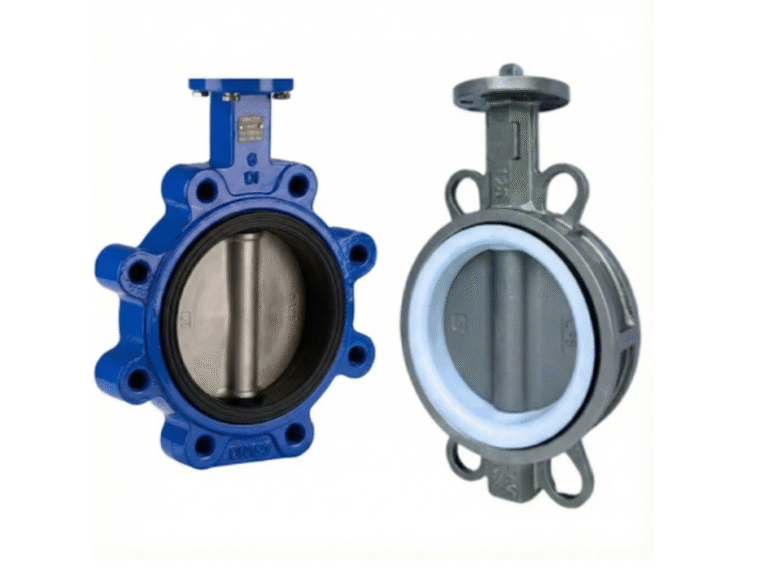
Этот макет не является случайным — это карта ассортимента. В следующем разделе представлено всё семейство дроссельных клапанов на одной плате: три конструктивных слоя, одна ценовая карта.
Типы клапанов-бабочек: три конструктивных уровня, одна ценовая таблица
Дроссельная заслонка представляет собой одну из групп изделий, состоящую из трёх конструктивных слоёв: как он герметизирует, как он крепится, и кто это делает. Каждый тип, представленный на рынке, является разновидностью одного из этих уровней, и каждая разновидность влияет на цену. Достаточно один раз разобраться в этих трёх уровнях, и вы сможете самостоятельно рассчитать цену любого дроссельного клапана, предложения на который вам когда-либо поступят.
Схема рассадки: концентрическая, с двойным смещением, с тройным смещением
Конструкция седла определяет, как диск прилегает к седлу: это первый и наиболее значимый фактор, влияющий на цену.
- Этот концентрический (с упругим уплотнением) Эта конструкция является базовой и представляет собой ⭐ самую распространённую модель клапана-бабочки на рынке: диск прижимается непосредственно к упругому седлу (из EPDM, PTFE, Viton); в таблице выше это серия $51–$470. При высоких температурах, воздействии агрессивных химических веществ и частых циклах работы она быстро выходит из строя: седло изнашивается, после чего возникают утечки.
- Двойное смещение В таких конструкциях шток смещен относительно центра по двум осям, благодаря чему диск приподнимается с седла ещё до начала вращения. Меньший износ уплотнений и более длительный срок службы обходятся примерно на +30–80% дороже, чем в случае концентрических конструкций, что актуально для систем среднего давления, где требуется более надёжное уплотнение.
- Тройной смещённый (с металлическим седлом) В клапанах используются три смещения плюс седло «металл по металлу»: диск уплотняется, как закрывающийся затвор, выдерживая высокие температуры, коррозию и требования к нулевой утечке там, где резина не справляется. Как правило, их цена в 2–4 раза превышает стоимость концентрических клапанов, и они оправдывают себя только в тех случаях, когда упругие седла выходят из строя: при высоких температурах (металлические седла выдерживают диапазон примерно от -196 °C до 600 °C и выше), в агрессивных или эрозионных средах, а также при эксплуатации с требованием нулевой утечки. При работе с простой водой или в системах ОВКВ это пустая трата бюджета. ⭐ Нишевый сегмент премиум-класса.
Конструкция соединений: пластинчатая, с наконечниками и фланцевая
Конструкция соединения — это способ крепления клапана к трубопроводу: вторая ось цены.
- Пластина — это ⭐ самый распространённый и самый дешёвый вариант: клапан устанавливается между двумя фланцами, зажатыми трубными болтами. Компактный, лёгкий и является стандартным решением для водоснабжения, систем отопления, вентиляции и кондиционирования воздуха, а также в промышленности в целом.
- Ушко Это вариант, удобный с точки зрения технического обслуживания: болты проходят через собственные ушки клапана, благодаря чему можно открыть одну сторону трубопровода, пока клапан остаётся герметичным с другой стороны. Увеличивает длину примерно на 10–20%, что оправдано для тупиковых трубопроводов и линий, к которым требуется доступ для технического обслуживания.
- Фланцевый — это «тяжеловес»: полное крепление с двумя фланцами для труб большого диаметра и повышенного давления. Увеличивает вес на 20–40% по сравнению с вафельным соединением, но обеспечивает большую стабильность на трубах большого диаметра.
Привод: ручной, пневматический, электрический
Третий уровень — это то, что приводит диск во вращение: рычаг или редуктор с ручным приводом, пневматический привод, работающий на сжатом воздухе, или электрический привод, приводимый в действие двигателем. Именно на уровне привода цена растёт наиболее резко: дроссельная заслонка с приводом обычно стоит 2–5× его ручной аналог. Стоит ли идти на этот шаг — вот главный вопрос, который рассматривается в этой статье, и в следующем разделе на него дается прямой ответ.
| Тип клапана-бабочки | Как происходит уплотнение | Типичные области применения | Уровень цены (по сравнению с упругой пластинкой) | Когда это не окупается / терпит неудачу |
|---|---|---|---|---|
| Концентрический (с упругим уплотнением) | Диск прижимается к эластичному седлу (EPDM/PTFE/Viton) | Водоснабжение, системы отопления, вентиляции и кондиционирования воздуха, промышленность в целом | Исходные данные ($) | Быстро выходит из строя при воздействии высоких температур, агрессивных химических веществ и частых циклов нагрузки |
| Двойное смещение | Диск поднимается с опоры перед поворотом | Система среднего давления, требующая более надёжной герметизации | Более тридцати | Редко оправдывает себя при неинтенсивной эксплуатации |
| Тройной смещённый (с металлическим седлом) | Уплотнение «металл-металл» с помощью трёх эксцентриковых смещений | Нефтегазовые, паровые, химические и высокотемпературные трубопроводы | 2–4× | Чрезмерные затраты для обычного водоснабжения, растрата бюджетных средств |
| Wafer / lug / flanged | Mounting method (between flanges / bolted ears / double flanges) | All services | wafer base; lug +10–20%; flanged +20–40% | Lug only needed for dead-end / maintenance access |
What Actually Drives a Butterfly Valve Price: 6 Cost Drivers
The type map explains which class of valve you’re paying for. Six cost drivers explain why the same class still spans 2–3×. Once you can read a quote through these six lenses, you can compare any two suppliers on equal terms.
| Cost Driver | Impact on Price | Rule of Thumb |
|---|---|---|
| 1. Body material (cast iron → ductile iron → SS304/316 → duplex) | Doubles to triples | SS316 runs +80–150% over cast iron; duplex/exotic alloys higher |
| 2. Seat & seal material (EPDM → NBR → PTFE → Viton → metal) | Up to 3× | EPDM is the economy standard; Viton typically 2–3× EPDM; metal seats (triple-offset) add 2–4× |
| 3. Connection style (wafer → lug → flanged) | +10–40% stepwise | Wafer is cheapest and most compact; flanged is most expensive |
| 4. Pressure class & standard (PN10/16 → Class 150/ANSI) | +15–30% | Higher class = thicker body, heavier trim; API 609 governs butterfly valves |
| 5. Certifications (FDA, CE, SIL, ATEX) | +10–30% | Required (not optional) for food, pharma, gas; FDA/3A adds 10–30% (Eagle) |
| 6. Actuation (lever → gear → pneumatic → electric) | Doubles to 5× | The biggest single multiplier, covered next section |
Two warnings matter beyond the table. First, butterfly valves are the budget valve of the valve world: at the same diameter they’re typically 30–50% cheaper than gate valves and lighter than ball valves, which is why water, HVAC, and wastewater projects default to them (valteccn, 2022). But the cheapness has a boundary: resilient-seated butterfly valves top out at roughly PN25/Class 150 and lower temperatures than a gate valve. If your line is high-pressure steam or high-temperature service, the butterfly valve’s price advantage stops applying; that’s not a defect, it’s the spec sheet working.
The second warning: don’t let “cheap” be the whole conversation. A leaky seat that fails after three years of service costs more in labor and downtime than the valve itself. That’s the quiet anxiety behind most price-focused searches (Eng-Tips forum discussion).
Cheap is only cheap on paper. Ask for material spectroscopy reports, pressure test records, and wall-thickness inspection, the documents that keep a cheap valve from becoming an expensive one.
Manual vs Actuated Butterfly Valves: When Automation Pays
An actuator is the motorized head that opens and closes the valve automatically: pneumatic ones run on compressed air, electric ones on a motor. Add one and the valve price typically jumps 2–5×. That’s why “how much does a motorized butterfly valve cost?” is one of the most asked (and worst answered) valve questions online.
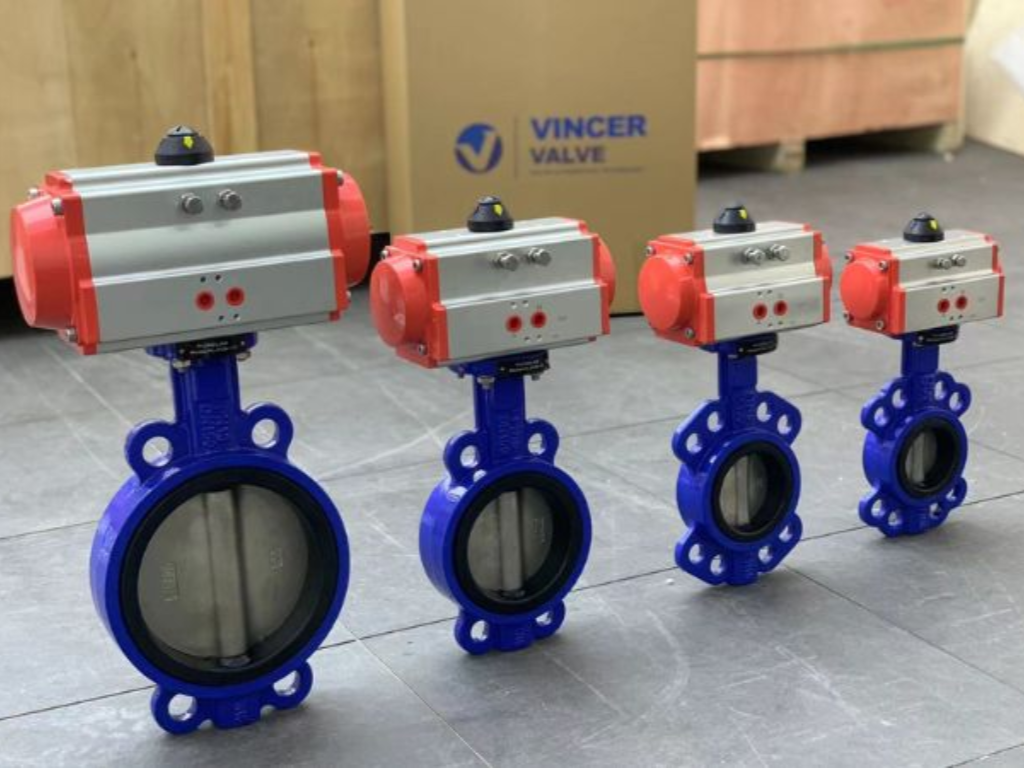
So when does the jump pay for itself? Automation is a requirement, not a luxury, when you need remote or centralized control (a control room closing valves across a plant), frequent operation (a cleaning cycle cycling a valve dozens of times a day), hazardous environments (pneumatic actuation needs no electricity at the valve, which is why gas and chemical plants default to it), or process precision (modulating flow instead of just open/closed). It doesn’t pay when the valve is touched rarely, the bore is small, and the budget is the whole story: a lever-operated valve on a low-use branch line is still the right call.
And here’s the trend worth noting: the automation layer is the fastest-moving segment of the industrial valve market, according to long-running market forecasting that tracks up to 800,000 individual valve forecasts (McIlvaine Company). Remote operation, shrinking maintenance crews, and process-control integration are pushing the default from “manual” toward “actuated”; the same forces standardized actuator-to-valve mounting interfaces across the industry. If you’re specifying valves for anything that will be operated more than a few times a week, you’re already designing for actuation.
Pneumatic vs Electric: Choosing the Actuated Butterfly Valve Package
Decided to automate? Then the real choice is which actuator, pneumatic or electric, and the two packages cost very differently. Pneumatic packages run on plant compressed air and respond fast. Replacing or specifying a pneumatic butterfly valve costs roughly $300–$1,500+ total, depending on size, material, and certification (Eagle Fittings, 2025):
- Valve only: $200–$1,200; 2″ runs $200–$500, 3″ $350–$800, 4″ $500–$1,200
- Actuator adds roughly $200–$600 depending on torque; spring-return (fail-safe) adds ~10–20% more
- Cast iron/aluminum packages: $200–$600; stainless 304/316 packages: $400–$1,200; sanitary 316L with FDA/3A certification: $506–$850
One selection rule matters more than any price number: pneumatic actuators are chosen by torque, not by valve size. A rack-and-pinion actuator’s torque range (for reference, common double-acting models span roughly 8 to 4,678 N·m, spring-return 5.7 to 2,792 N·m, with sub-second response in smaller sizes and typical service of -20°C to +80°C at up to 8 bar, per pneumatic actuator specifications) is what determines both fit and cost. Ask for torque at your line pressure, not “an actuator for a 4-inch valve.”
Electric packages cost roughly 30–50% more than equivalent pneumatic ones, and they’re slower (open/close cycles typically run 20–100 seconds). You pay that premium for three things: no air supply needed (no compressor, no dry-air system), bigger torque (quarter-turn units reach 4,000 N·m, multi-turn 10,000 N·m in common industrial ranges), and remote control integration (modulating signals, position feedback). For a food plant with no compressed-air room, or a pipeline needing centralized valve control, electric is the cheaper total answer even though the price tag is higher: you have to count the air system you didn’t need to buy.
Don’t forget protection class: waterproof (IP67/IP68) and explosion-proof models (ATEX / Ex d IIC T6) sit at the top of the price ladder, and in gas or chemical service they’re non-negotiable rather than optional extras.
That spec-first approach is where a manufacturer earns the price difference. VINCER builds its own actuators: electric quarter-turn units to 4,000 N·m and multi-turn to 10,000 N·m, explosion-proof (2,000 N·m) and waterproof variants, plus rack-and-pinion pneumatic actuators from 8 to 4,678 N·m (spring-return 5.7 to 2,792 N·m) with sub-second response. Valve and actuator are matched in-house, so the torque you’re quoted is verified against your line pressure instead of guessed from the valve size. Options like ON/OFF, modulating, auto-return, timer, and intelligent WiFi control are standard conversation, not a special project. See the Ассортимент клапанов с электрическим и пневматическим приводом или запросить расценки with your spec sheet.
Factory Price List vs Real Price: The 5-Step RFQ Verification
Once you know what you’re buying, the next trap is the price itself: the factory list you’re quoted is not the price you’ll pay. Two things stand between the list and the landed price: what the list actually covers, and where the 30% gap between Chinese OEMs and Western brands comes from. Then the checklist at the end locks it all down.
What a Factory Price List Actually Contains (and What It Doesn’t)
A real factory list typically shows: base price by standard material and seat configuration; a size/pressure step ladder; connection-style differentials; certification options (+10–30%); MOQ and volume tier pricing; and a lead-time commitment. Everything else lives outside the list: special-material surcharges, testing and documentation, export packaging, freight, and custom drawings. The “price list” you ask for should come with a second page of assumptions.
Lead time is a price component. In bulk buying, published commitments like 5 working days for stock items and ~20 working days for custom orders (pneumatic valve FAQ, 2026) separate a project that hits its schedule from one that doesn’t; Western-brand equivalents commonly run a month or more.
Chinese OEM vs Western Brands: Where the 30% Gap Comes From
The same butterfly valve, same material, same certification, built by a Chinese OEM, typically lands 30% cheaper than a Western-brand equivalent, sometimes more: an American sanitary valve maker openly prices its FDA/3A-certified 316L packages 30–50% below premium European brands (Eagle Fittings, 2025). The gap comes from three structural things, not quality: factory-direct sales (no distributor + retailer markup of roughly 30–50% total), vertical integration (casting, machining, assembly in one plant), and scale economics.
What you must verify instead of assuming: material certificates (MTC for raw and finished material), pressure test reports, real certifications (CE, RoHS, SIL, FDA, ISO 9001: check the numbers, not the logos), and a lead-time commitment written into the order. Suppliers that answer these with documents rather than promises are the ones worth the freight risk.
For a factory quote that follows this structure (MTC and pre-shipment inspection photos included), get a factory quote. A supplier that publishes its stock and custom lead times in writing, as the pneumatic valve FAQ above does, is quoting in good faith.
RFQ Checklist: 5 Steps to a Real Butterfly Valve Price
- Lock your three specs: size, connection style, and media (temperature/pressure/corrosiveness). Everything else follows from these.
- Set your budget band from the size table above, and discard quotes that sit far outside it.
- Quote 2–3 factories with an identical spec sheet: size | pressure class | connection standard | body/seal material | actuation | quantity | destination port.
- Ask for documents: MTC material certificate, pressure test report, certification copies, pre-shipment photos/videos.
- Confirm the landed price: MOQ, lead time, packaging, freight (FOB vs CIF differs 5–15%), payment terms. The landed price is the real price.
What Butterfly Valve Pricing Really Says About the Valve Market
By now the numbers tell a consistent story, and it’s worth reading them back as a market rather than as price tags. The same 2″–8″ sizes span a 5–10× range. That’s because a butterfly valve quote is the product of five independent variables: body, seat, connection, certification, actuation. Buyers who price only the headline number are comparing apples to oranges. Butterfly valves are structurally cheaper than gate and globe valves at the same diameter (30–50%), which is why large-diameter, budget-sensitive projects default to them. Automation now decides the real ticket: an actuated valve costs 2–5× a manual one, and actuator torque, protection class, and certification, not valve size, drive the price.
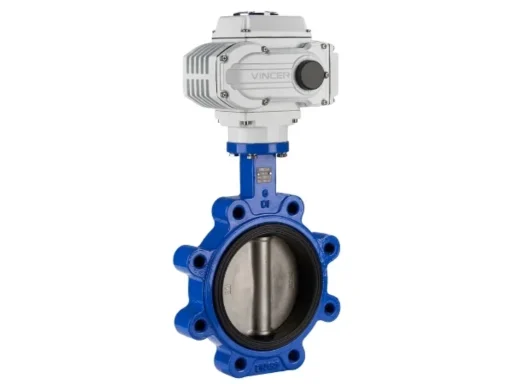
For distributors and project buyers, that price structure maps onto two very different businesses, and the money is not where you’d guess. The volume line is commoditizing. A resilient-seated concentric wafer valve is the workhorse, and everyone makes it; the margins sit in inventory, freight, and quote speed, and they get thinner every year. The profit line is automation. A bare valve plus actuator becomes an engineered assembly (torque matching, mounting interface, fail-safe, control integration), and that engineering value cannot be priced by a catalog. It’s the same 2–5× multiplier from earlier, now read as margin instead of cost, and it sits in the market’s fastest-moving segment (McIlvaine Company). The stance here is deliberate: a distributor who keeps shaving $30 off the same wafer valve is defending a shrinking line; the ones building an actuated-valve offering now are the ones with a growth story to sell next year. For project buyers, the same logic applies in reverse: certification files and test reports are purchase conditions, not paperwork, and the landed price (freight, MOQ, documentation) is the real price.
For buyers who want a supplier that treats selection as engineering rather than price matching: VINCER applies an in-house 8-dimension selection process (media, temperature, pressure, connection standard, control method, body material, industry specifics) before anything is quoted, sizes the valve and its actuator as one system, returns simple RFQs within 24 hours and multi-product projects within 48, and ships stock items in 5 working days. If that matches how you want to buy, compare their butterfly valve range against your current shortlist and запросить расценки. Same week, same spec sheet.
Get a Factory-Direct Butterfly Valve Price List
Send your size, connection style, media, and quantity, and receive a price list, MTC material certificates, and lead times (stock 5 working days, custom ~20).
Request a QuoteСсылки
- Eagle Fittings. “Pneumatic Butterfly Valve Replacement Cost.” 2025. https://eaglefittings.com/blogs/news/pneumatic-butterfly-valve-replacement-cost
- Irrigation King. “Butterfly Valves for Irrigation & Industrial Use.” 2026. https://www.irrigationking.com/valves/butterfly-valves.html
- Irrigation King. “8″ Cast Iron Butterfly Valve Wafer Gear.” 2026. https://www.irrigationking.com/8-cast-iron-butterfly-valve-gear-wheel-epdm-black.html
- Irrigation King. “6″ Cast Iron Butterfly Valve Wafer Lever.” 2026. https://www.irrigationking.com/6-cast-iron-butterfly-valve-lever-style-epdm-black.html
- Cooney Brothers. “Butterfly Valves.” 2026. https://www.cooneybrothers.com/butterfly-valves
- ValveMan. “6″ Wafer Butterfly Valves.” 2026. https://valveman.com/wafer-butterfly-valves/
- USABlueBook. “6″ Ductile Iron Wafer Butterfly Valve.” 2026. https://www.usabluebook.com/butterfly-valve-6-7-ductile-iron-wafer-style-with-60353
- hdpesupply. “8″ Lug Style Butterfly Valve.” 2026. https://hdpesupply.com/8-lug-style-butterfly-valve-epoxy-coated-iron-with-bronze-disc-lever-operator/
- McIlvaine Company. “Industrial Valve Market Intelligence.” 2026. http://home.mcilvainecompany.com/
- VINCER Valve. “Butterfly Valve Series.” 2026. https://www.vincervalve.com/vincer-butterfly-valve-series/
- VINCER Valve. “Electric Actuated Valve — Product Range.” 2026. https://www.vincervalve.com/electric-actuated-valve/
- VINCER Valve. “Pneumatic Actuated Valve — FAQ (stock 5 working days, custom ~20 working days).” 2026. https://www.vincervalve.com/pneumatic-actuated-valve/
- VINCER Valve. “Contact for a Quote.” 2026. https://www.vincervalve.com/contact-for-a-quote/
- VINCER Valve. “Homepage.” 2026. https://www.vincervalve.com/