Inleiding
Waterzuiveringssystemen vormen een van de belangrijkste knooppunten in het complexe netwerk van de moderne industriële beschaving, aangezien zij de sleutel vormen tot het beheer van hulpbronnen en de volksgezondheid. Binnen deze waterzuiveringsprocessen zijn de afsluiters in waterzuiveringsinstallaties de fundamentele regelapparatuur, die de vloeistofstroom, de druk en het vloeistofvolume in complexe systemen voor filtratie en chemische behandeling regelen. Deze elementen zijn niet louter passieve hardware; ze zijn de dynamische regelaars van een hydraulisch evenwicht en de systeemefficiëntie die in stand moeten worden gehouden ondanks de veranderende vraag en de wisselende kwaliteit van het ruwe water. De classificatie en functionele dynamiek van deze kleppen zijn van cruciaal belang voor elke ingenieur of faciliteitenbeheerder die de betrouwbaarheid van het systeem, de naleving van regelgeving en de kosten op lange termijn wil maximaliseren in een wereldwijde economie die steeds meer te kampen heeft met watertekorten.
Inzicht in kleppen voor waterbehandeling
Om de rol van een waterbehandelingsklep te begrijpen, moet men deze in eerste instantie beschouwen als een zorgvuldig ontworpen interface tussen twee evenwichtstoestanden van vloeistoffen. In de meest eenvoudige betekenis van het woord is een klep een mechanisch systeem dat de waterstroom blokkeert, omleidt of regelt door verschillende openingen te openen, te sluiten of gedeeltelijk af te sluiten. Maar wanneer deze definitie wordt toegepast op waterbehandeling, wordt ze verbreed tot het omgaan met meerfasige vloeistoffen, corrosieve chemische reagentia en verschillende thermische profielen. Het werkingsprincipe van deze kleppen is gebaseerd op het contact tussen een intern afsluitelement – bijvoorbeeld een schijf, kogel of schuif – en een vaste zitting en een vaste zittingring. De doeltreffendheid van deze interface bepaalt de integriteit van de klep. De belangrijkste onderdelen zijn doorgaans het huis (het drukvat), de kap (het deksel van de interne onderdelen), de trim (de interne onderdelen die in contact komen met het medium) en de aandrijving (het mechanisme dat de trim beweegt). De keuze van de materialen die voor deze onderdelen in de waterbehandeling worden gebruikt, is niet willekeurig; het is een weloverwogen reactie op de chemische eigenschappen van het water en de fysieke belastingen van het systeem.
Kritieke toepassingen: hoe kleppen filtratie-, omgekeerde osmose- en afvalwaterprocessen ondersteunen
Waterbehandeling is geen enkelvoudig proces, maar een reeks onderling samenhangende stappen, die elk hun eigen hydraulische uitdagingen en typische toepassingen met zich meebrengen.
Filtratiesystemen
Bij traditionele zand- of koolstoffiltratie zijn de ingewikkelde terugspoelcycli te wijten aan het gebruik van kleppen. Tijdens normaal bedrijf persen de kleppen het water door het filtermedium naar beneden. Maar naarmate zich deeltjes ophopen, neemt de drukval over het filter toe en is een omkering van de stroming nodig. Dit vereist een gecoördineerde reeks klepbewegingen, meestal van vlinder- of klepafsluiters, om de stroming om te leiden, het filtermedium door te roeren en de opgevangen vaste stoffen te verwijderen. De nauwkeurigheid van dergelijke bewegingen bepaalt de levensduur van het filterbed en de zuiverheid van het effluent.
Omgekeerde osmose (RO)
Het RO-proces vindt plaats in een hogedrukomgeving waarin afsluiters te maken krijgen met grote osmotische drukverschillen en hoge doorstroomsnelheden. In dit geval worden kleppen ingezet voor de regeling van hogedrukpompen en de afvoer van pekel. De kleppen die bij RO worden gebruikt, moeten bestand zijn tegen een druk die doorgaans hoger is dan 60 bar en tegen de corrosieve eigenschappen van geconcentreerde pekel. De klep is in dit geval de bewaker van de integriteit van het membraan: hij voorkomt terugstroming en zorgt voor het juiste evenwicht tussen de terugwinning van het permeaat en de vervuiling van het membraan.
Afvalwaterzuivering
Bij afvalwaterprocessen doet zich het probleem voor van niet-Newtoniaanse vloeistoffen en slurries die grote organische en anorganische vaste deeltjes bevatten. Bij specifieke toepassingen voor afvalwaterzuivering moeten afsluiters, met name mesafsluiters en plugafsluiters, zodanig worden ontworpen dat ze door de vaste deeltjes heen snijden zonder de afdichting aan te tasten. Het afvalwater is doorgaans anaeroob en chemisch agressief, en vereist afsluiters die gedurende duizenden bedrijfscycli bestand zijn tegen corrosie door waterstofsulfide en slijtage door schurende deeltjes.
Belangrijkste soorten afsluiters voor waterbehandeling
Kleppen in de waterbehandeling worden doorgaans ingedeeld op basis van hun hoofddoel: afsluiting, regeling of bescherming.
Afsluitkleppen: vlinderkleppen, kogelkranen en schuifafsluiters/mesafsluiters
De binaire schakelaars in de hydraulische wereld zijn afsluitkleppen, die ofwel volledig open ofwel volledig gesloten moeten zijn.
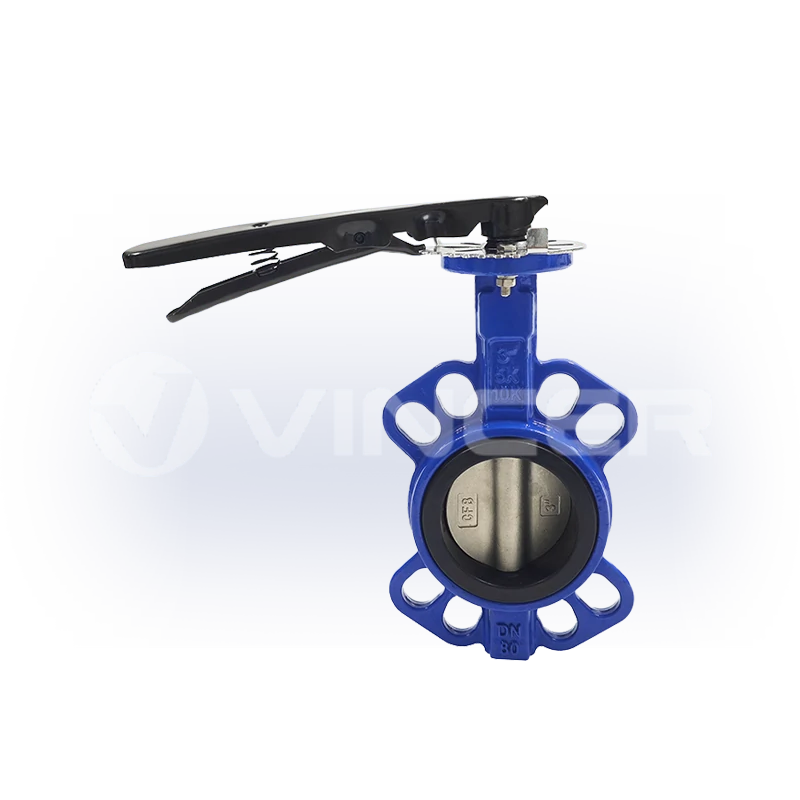
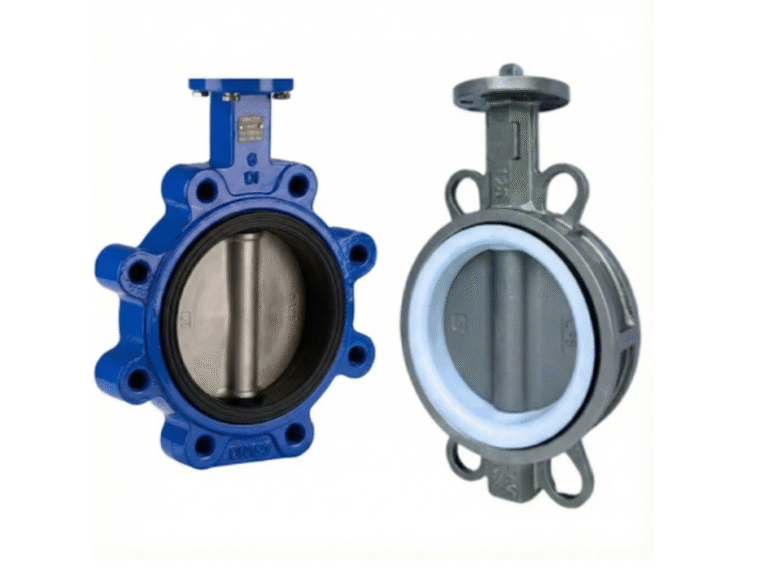
- Vlinderkleppen: Deze worden gebruikt om de doorstroming te regelen met behulp van een draaiende schijf. Ze genieten de voorkeur in grootschalige watervoorzieningssystemen vanwege hun compacte afmetingen en gunstige verhouding tussen kosten en koppel.
- Kogelkranen: Deze zijn voorzien van een bolvormige schijf met een opening, wat zorgt voor goede afdichtingseigenschappen en een onbelemmerd doorstromingspad, waardoor de drukval wordt verminderd. Ze zijn het meest geschikt voor afsluiting onder hoge druk in chemische toevoerleidingen.
- Sluizen en mesafsluiters: Deze zijn gebaseerd op het gebruik van een schuifplaat om de doorstroming te blokkeren. Mesafsluiters zijn ook onmisbaar, met name bij slibbeheer, waar de scherpe rand van de afsluiter in staat is om door dikke, vezelachtige materialen te snijden die anders een normale klepzitting zouden verstoppen.
Regeling en besturing: globe-, regel- en magneetventielen
Regelkleppen worden gebruikt wanneer een systeem geleidelijke veranderingen vereist in plaats van binaire toestanden.
- Kogelkranen: De interne geometrie zorgt voor een kronkelend traject voor de vloeistof, wat een uiterst nauwkeurige regeling van de doorstroming mogelijk maakt, maar ten koste gaat van een grotere drukval.
- Regelkleppen Deze zijn vaak uitgerust met geavanceerde regelkleppen die reageren op 4-20 mA-signalen, waardoor het debiet automatisch kan worden geregeld op basis van realtime sensorgegevens van het zuiveringsproces.
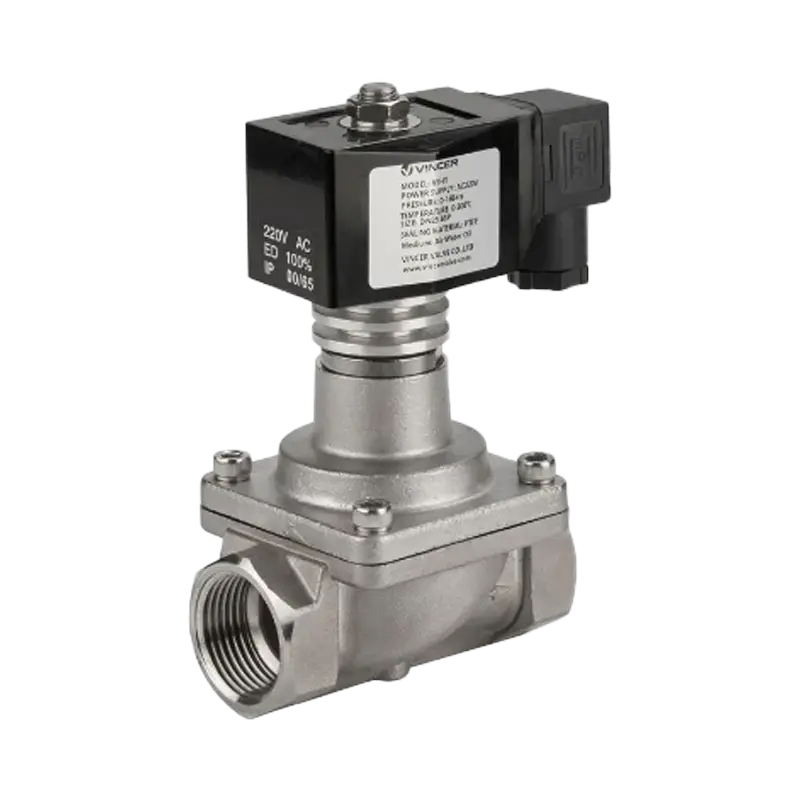
- Magneetventielen: Dit zijn elektromagnetische kleppen die worden gebruikt voor aan/uit-regeling in leidingen met een kleinere diameter, meestal in een watersysteem in een laboratorium of in een specifiek doseerstation voor een chemische stof.
Beveiliging en speciale toepassingen: afsluit- en terugslagkleppen
Kleppen worden gebruikt om de veiligheid in een hydraulisch systeem te waarborgen door catastrofale storingen te voorkomen.
- Terugslagkleppen (terugslagventielen): Deze terugslagkleppen voor waterbehandeling bieden automatische terugstroombeveiliging. Ze worden gebruikt in pompstations om de pomp te beschermen tegen het zogenaamde waterslag-effect, een plotselinge drukstijging die optreedt wanneer een pomp wordt uitgeschakeld en de waterkolom van richting probeert te veranderen.
- Plugkleppen: Deze werken met behulp van een cilindrische of conische plug om de doorstroming te blokkeren of toe te laten. Ze zijn ook zeer geschikt voor toepassingen met schurend water, aangezien de afdichtvlakken niet worden blootgesteld aan de stroming wanneer de klep openstaat.
Wereldwijde naleving: wegwijs in de AWWA-, NSF- en ISO-normen
Veiligheid en interoperabiliteit binnen het institutionele kader voor wereldwijd waterbeheer zijn gebaseerd op naleving. Normen zijn niet slechts aanbevelingen; het zijn de schriftelijk vastgelegde verwachtingen van de markt.
- AWWA (American Water Works Association): Deze normen gelden voor de gemeentelijke watervoorzieningssystemen. Een klep die voldoet aan AWWA C504 (vlinderkleppen) of C509 (schuifafsluiters met veerkrachtige zitting) is gedurende een langere periode getest op de specifieke eisen die aan de watervoorziening worden gesteld.
- NSF/ANSI 61: Het is waarschijnlijk de belangrijkste norm op het gebied van de volksgezondheid. Deze norm zorgt ervoor dat de materialen die in de klep worden gebruikt – de elastomeren, de coatings en de legeringen – geen schadelijke verontreinigingen (zoals lood of chemische bijproducten) in het drinkwater afgeven.
- ISO 9001 en Milieubeheersysteem: Deze certificaten bevestigen het kwaliteitsbeheer en de milieuverantwoordelijkheid van de fabrikant. Voor een inkoopmedewerker verminderen deze normen het risico op informatieasymmetrie, waardoor hij de garantie heeft dat de klep is vervaardigd volgens een uniform, gecontroleerd proces.
Technische selectiecriteria: het evenwicht tussen doorstroming, druk en materiaalkunde
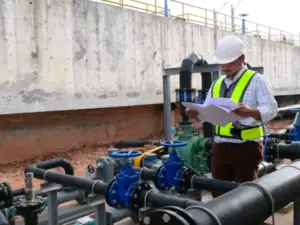
De keuze van een klep voor waterbehandeling is een multidimensionaal optimalisatieprobleem waarbij een afweging moet worden gemaakt tussen de hydraulische prestaties en de agressieve chemische eigenschappen van de procesmedia.
Hydraulische dynamica en regelstabiliteit
De belangrijkste technische factor is de drukval (ΔP), uitgedrukt via de doorstroomcoëfficiënt (Cv). De bepalende vergelijking wordt als volgt gedefinieerd:
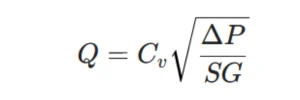
Waarbij Q het debiet is en SG het soortelijk gewicht van de vloeistof. Naast het debiet zelf moeten ingenieurs ook rekening houden met de klepcapaciteit en het debietkarakter (lineair versus gelijkprocentueel). Een goede keuze vermindert het energieverbruik en voorkomt cavitatie, een lokale druk die lager is dan de dampdruk, wat leidt tot imploderende bellen die interne onderdelen beschadigen. In hogedruk-membraanvoedingsleidingen is het belangrijk om een klep te kiezen met een hoge vloeistofdrukherstelfactor (FL) om verstikte stroming en akoestische trillingen te voorkomen.
Geavanceerde materiaalkunde
In zuiveringsinstallaties fungeert water vaak als drager voor agressieve oxidatiemiddelen zoals chloor en ozon. Corrosie is niet zomaar een langzaam verloop van verbranding, maar een elektrochemisch corrosieproces dat tot systeemstoringen kan leiden.
- Metaallegeringen: Hoewel roestvast staal 316/316L wordt gebruikt voor algemene toepassingen, zijn duplex- en superduplex-roestvast staalsoorten vereist in omgekeerde osmose (RO)-toepassingen met een hoog zoutgehalte vanwege hun hoge PREN-waarde (Pitting Resistance Equivalent Number), waardoor ze bestand zijn tegen door chloride veroorzaakte spanningscorrosie.
- Integriteit van het elastomeer: De keuze van het materiaal voor veerkrachtige zittingen wordt bepaald door de chemische compatibiliteit. EPDM is zeer hydrolytisch stabiel bij algemeen watergebruik, terwijl Viton (FKM) nodig is in stromen met een hoge ozonconcentratie of zure doseringen om zwelling en verlies van elasticiteit te voorkomen. Bovendien is het noodzakelijk om de oppervlakteruwheid (Ra) van de interne onderdelen te beheersen om de vorming van biofilm te verminderen.
| Materiaalcategorie | Veelvoorkomende cijfers | Technische maatstaf | Aanbevolen toepassingen |
| Austenitisch staal | 316 / 316L | PREN ≈ 24 | Drinkwater, gemeentelijke netwerken, lichte corrosie. |
| Dubbel Staal | Tweeduizend tweehonderdvijf (S32205) | PREN ≈ 35 | Brak water, afvalwater, membraanfiltratie. |
| Super Dubbel Staal | Tweeduizend vijfhonderdzeven (S32750) | PREN ≈ 40 | Zeewater-omgekeerde osmose, pekel, agressieve ontzilting. |
| Veerkrachtige elastomeren | EPDM | Hoge hydrolytische stabiliteit | Algemene watertoepassingen, zwakke zuren, verouderingsbestendigheid. |
| Fluoroelastomeren | Viton (FKM) | Hoge oxidatiebestendigheid | Chemische dosering (ozon), geconcentreerde zuren, hoge temperaturen. |
Totale eigendomskosten (TCO)
Technische selectie is van strategisch belang om de totale eigendomskosten (TCO) te minimaliseren door een evenwicht te vinden tussen de initiële investeringskosten (CAPEX) en de exploitatiekosten op lange termijn (OPEX). Naast de aankoopprijs zorgen hoogwaardige kleppen voor minder energieverlies en een langere levensduur. De cumulatieve kosten van ongeplande stilstand en voortijdige vervanging worden verminderd door de gemiddelde tijd tussen storingen (MTBF) te maximaliseren, waardoor een hoge levenscycluswaarde en een duurzaam rendement op de investering (ROI) worden gegarandeerd.
De kloof tussen efficiëntie en precisie: de beperkingen van traditionele werkwijzen aanpakken
De traditionele handmatige bediening van afsluiters vormt een beperking voor de prestaties in de hedendaagse waterzuivering. Hoewel handmatige afsluiters effectief zijn bij statische afsluiting, zijn ze niet opgewassen tegen de dynamische eisen van membraansystemen met hoge doorstroom en complexe filtratiecycli.
Overgangsdynamiek en systeemintegriteit
De reactietijd vormt de grootste beperking. Bij een leidingbreuk of een drukpiek kan het enkele minuten duren voordat een handbediende klep met grote diameter is gesloten, waarbij 50 tot 100 omwentelingen van het handwiel nodig zijn. Een geautomatiseerde aandrijving doet dit binnen enkele seconden. Bovendien maakt automatisering 'Soft-Closure Profiles' mogelijk, waarbij de PLC de sluitsnelheid aanpast om waterslag (hydraulische schok) te verminderen, een fenomeen dat leidingen kan scheuren en kwetsbare RO-membranen kan beschadigen, wat bij handmatige bediening niet betrouwbaar kan worden geregeld.
Sequentiële precisie bij filtratie
Handbediende kleppen zijn “donkere” activa; ze geven geen feedback aan de controlekamer. Geautomatiseerde kleppen, uitgerust met slimme stellingregelaars, veranderen de klep in een datapunt. Dankzij realtime feedback over de klepstand, koppelprofielen en het aantal cycli is preventief onderhoud mogelijk en kan het SCADA-systeem de hydraulische balans in de hele installatie optimaliseren, waardoor de totale energievoetafdruk van de faciliteit wordt verkleind.
Datatransparantie en SCADA-integratie
Handbediende kleppen zijn ‘donkere activa’; ze geven geen feedback aan de controlekamer. Met geautomatiseerde kleppen die zijn uitgerust met slimme stellingregelaars wordt de klep omgezet in een gegevenspunt. Live feedback over de klepstand, koppelprofielen en het aantal cycli kan worden gebruikt om voorspellend onderhoud te implementeren en het SCADA-systeem in staat te stellen de hydraulische balans van de gehele installatie te optimaliseren, waardoor de totale energievoetafdruk van de faciliteit tot een minimum wordt beperkt.
Toekomstbestendigheid door automatisering: de strategische waarde van geautomatiseerde afsluiters
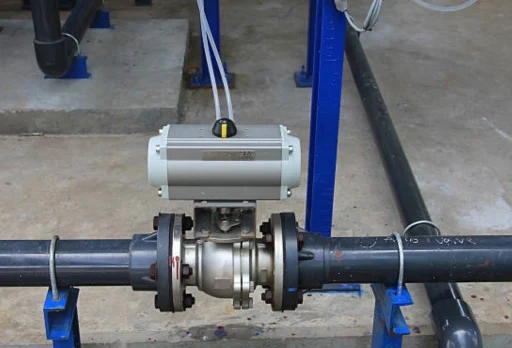
Om de efficiëntiekloof te overbruggen, maakt de sector steeds vaker gebruik van geautomatiseerde klepsystemen als het “centrale zenuwstelsel” van moderne waterzuiveringsinstallaties, waardoor onmiddellijke, datagestuurde aanpassingen mogelijk worden. Vincer, een marktleider op het gebied van intelligente vloeistofregeling, biedt hoogwaardige oplossingen die speciaal zijn ontworpen voor de zware omstandigheden bij ontzilting en afvalwaterbeheer, waardoor de bedrijfsvoering verschuift van reactief handelen naar proactieve precisie.
- Elektrisch aangedreven kleppen van Vincer: Deze apparaten bieden een ongeëvenaarde precisie bij het regelen van debiet, druk en temperatuur. Ze zijn ontworpen voor veeleisende industriële omgevingen en kunnen naadloos worden geïntegreerd met SCADA-, PLC- en DCS-systemen, waardoor operators volledige bediening op afstand en realtime inzicht krijgen.
- Vincer pneumatisch bediende kleppen: Deze kleppen zijn ontworpen met het oog op snelheid en bieden een snelle reactietijd van minder dan één seconde. Ze gelden als de gouden standaard voor toepassingen met een hoog aantal schakelcycli, waarbij veiligheid, lekpreventie en een hoge doorvoercapaciteit van cruciaal belang zijn.
De strategische waarde van automatisering ligt in de drastische verlaging van de operationele kosten (OPEX). Hoewel de initiële investering hoger is dan bij handmatige alternatieven, zorgt de optimalisatie van het chemicaliëngebruik, het energieverbruik en de arbeidsuren voor een snelle terugverdientijd. Door “informatieasymmetrie” weg te nemen, biedt Vincer een continue gegevensstroom van cyclische inventarisaties en de status van de installaties, waardoor uw faciliteit op topniveau blijft presteren.
Proactief onderhoud: beste praktijken voor een duurzame infrastructuur
Onderhoud bij waterzuivering moet worden gezien als een “verzekering” tegen een catastrofale systeemstoring. Een reactieve aanpak – wachten tot een klep gaat lekken voordat deze wordt gerepareerd – leidt onvermijdelijk tot dure noodstops.
- Preventie van stochastische storingen: Ga er niet zomaar vanuit dat kleppen hun opgegeven levensduur zullen halen, maar stel een schema op voor regelmatige “cycli”. Kleppen die jarenlang in één stand blijven staan, kunnen door minerale afzettingen “vastlopen”. Door ze regelmatig te bedienen, blijft de binneninrichting soepel en goed functionerend.
- Vervanging van het elastomeer: Afdichtingen en pakkingen hebben een beperkte levensduur. Door deze onderdelen om de 3 tot 5 jaar preventief te vervangen, wordt voorkomen dat de afdichtingskwaliteit geleidelijk afneemt.
- Voorspellende diagnostiek: Moderne geautomatiseerde kleppen kunnen het koppel meten dat nodig is om de schijf te bewegen. Een stijgende trend in het koppel is een “vroegtijdige indicator” van wrijving of ophoping van vuil, waardoor onderhoud kan worden ingepland voordat de klep gaat kapot.
- Smering en Milieu Bescherming: Door ervoor te zorgen dat externe bewegende onderdelen en behuizingen van aandrijvingen worden beschermd tegen de vochtige, vaak corrosieve omgeving van een zuiveringsinstallatie, wordt voorkomen dat roest aan de buitenkant de interne prestaties aantast.
Conclusie
De selectie, bediening en het onderhoud van afsluiters voor waterzuivering vormen een cruciaal raakvlak tussen werktuigbouwkunde, scheikunde en economische strategie. Zoals we hebben gezien, zijn deze componenten veel meer dan alleen maar afsluiters; het zijn precisie-instrumenten die het hydraulisch evenwicht van onze meest vitale systemen waarborgen. Van de strenge eisen van de AWWA- en NSF-normen tot het transformatieve potentieel van geautomatiseerde aandrijving: de keuzes die worden gemaakt bij de aanschaf van afsluiters hebben verstrekkende gevolgen voor de veiligheid en efficiëntie van de waterinfrastructuur. In een tijdperk waarin precisie voorop staat, is de overstap naar geautomatiseerde oplossingen niet langer een luxe, maar een strategische noodzaak. Door de efficiëntiekloof aan te pakken met behulp van hoogwaardige elektrische en pneumatische systemen, kunnen waterzuiveringsinstallaties een mate van controle bereiken die voorheen onmogelijk was. Uiteindelijk fungeert een goed gekozen klep, onderhouden volgens een proactieve filosofie, als de stille bewaker van de watercyclus en zorgt deze ervoor dat deze uiterst kostbare hulpbron wordt beheerd met het respect en de technische nauwkeurigheid die deze verdient.