Johdanto
Palloventtiili on yksi yleisimmistä komponenteista nesteenkulun ja teollisen infrastruktuurin vaativissa olosuhteissa. Sen perustoiminto – eli väliaineen kulun säätäminen tai estäminen putkistossa – vaikuttaa harhaanjohtavan yksinkertaiselta. Mutta koneenrakennuksen ja prosessiputkistojen ammattimaailmassa yksinkertaisuus on usein vain kulissi monimutkaisille rakenteellisille pohdinnoille. Virtaussuunnan käsite on yksi niistä seikoista, joita on usein tulkittu väärin tai jätetty huomiotta. Onko palloventtiilillä tiettyä asennussuuntaa? Onko kyseessä pelkkä asennuksen helpottaminen, vai onko asennussuunnalla mekaanista välttämättömyyttä? Nämä eivät ole pelkästään akateemisia kysymyksiä. Kun paine on korkea, virtaus on kemiallista tai järjestelmä on automatisoitu, virtaussuunta määrää venttiilin tiivistystehokkuuden, sen käyttöiän ja koko järjestelmän turvallisuuden. Palloventtiili on portti teolliseen kiertojärjestelmään, ja rakenteellisen tasapainon saavuttamiseksi on välttämätöntä tuntea sen suuntavaatimukset. Tämä artikkeli tarjoaa analyyttisen viitekehyksen palloventtiilien virtaussuunnan ymmärtämiseen, alkaen kaksisuuntaisten tiivisteiden yksinkertaisesta mekaniikasta aina automatisoitujen ohjausjärjestelmien monimutkaisiin vaatimuksiin asti.
Mikä on palloventtiilin virtaussuunta?
Palloventtiilin virtaussuunta on se suunta, jota väliaineen – olipa se sitten nestettä, kaasua tai lietettä – on noudatettava venttiilin rungon läpi optimaalisen suorituskyvyn saavuttamiseksi. Mekaanisesti palloventtiili on virtauksen säätölaite, jossa käytetään pallomaista levyä, jonka keskusta on porattu auki. Virtaus on mahdollista, kun reikä on linjassa putken kanssa, ja se estyy, kun levyä käännetään 90 astetta. Tämän komponentin virtaussuunta määräytyy sisäisen istukkajärjestelyn perusteella. Tyypillisessä kokoonpanossa pallo sijoitetaan kahden istukan väliin. Nesteen paineen, pallon ja näiden istukoiden välinen vuorovaikutus ratkaisee, toimiiko venttiili yhtä hyvin molempiin suuntiin vai vaatiiko se tietyn virtaussuunnan ylä- ja alavirtaan. Kun puhumme virtaussuunnasta, puhumme itse asiassa tiiviyden optimoinnista. Kun paine kohdistuu pallon sille puolelle, jonka valmistaja on tarkoittanut, venttiili on mahdollisimman vuotamaton. Toisaalta virheellinen suuntaus voi johtaa ennenaikaiseen kulumiseen tai jopa katastrofaaliseen vikaantumiseen vaativissa olosuhteissa.
Yksisuuntaiset ja kaksisuuntaiset palloventtiilit: tärkeimmät erot
Ehkä tärkein ero, jonka kunnossapitoinsinöörin tai järjestelmäsuunnittelijan on tehtävä, on se, onko palloventtiili yksisuuntainen vai kaksisuuntainen.
Kaksisuuntaiset palloventtiilit
Suurin osa tavanomaisista kelluvista palloventtiileistä on kaksisuuntaisia. Tässä rakenteessa palloa ei ole kiinnitetty kiinnitystappiin, vaan se kelluu hieman venttiilin rungossa. Kun venttiili on kiinni, virtaussuuntaan nähden yläpuolella oleva paine painaa pallon virtaussuuntaan nähden alapuolella olevaan istukkaan muodostaen tiiviin tiivisteen. Koska tämä mekanismi on riippumaton paineen lähteen puolesta, venttiili voidaan asentaa kumpaankin asentoon. Tämä on merkittävä etu yleisissä käyttökohteissa, joissa putkistojen asettelut voivat olla monimutkaisia tai virtaussuunta vaihteleva.
Yksisuuntaiset palloventtiilit
Yksisuuntaiset palloventtiilit on suunniteltu erityisesti korkean suorituskyvyn vaativiin tilanteisiin. Nämä venttiilit on valmistettu sulkeutumaan vain yhteen suuntaan. Tyypillisiä esimerkkejä ovat:
- V-Port-palloventtiilit: Nämä ovat kuristus- ja virtauksen säätöventtiilejä, joissa V:n muodon on oltava virtaussuuntaan päin, jotta tilavuus voidaan säätää tarkasti.
- Eksentriset nokat: Tällöin pallo työnnetään pois istuimelta sen avautuessa, jotta kuluminen pysyy mahdollisimman vähäisenä.
- Ilmanpoistolla varustetut palloventtiilit: Näitä käytetään haihtuvissa väliaineissa, joissa palloon porataan pieni reikä, jotta paine ei kerry keskellä olevaan onteloon.
Näissä venttiileissä kohdistusvirheet heikentävät järjestelmän tehokkuutta huomaamattomasti, mikä johtaa sisäisiin vuotoihin ja istukan kulumiseen. Nämä ongelmat eivät välttämättä näy heti, mutta vaativat lopulta kalliin seisokin.
Erikoistuneiden palloventtiilien virtausvaatimukset: 3-tie- ja tuuletetut mallit
Perinteisen auki-kiinni-toiminnan lisäksi erityiset palloventtiilit aiheuttavat moniulotteisia virtausongelmia.
- 3-tie-palloventtiilit: Nämä luokitellaan pääasiassa niiden liitäntätyypin perusteella: L-portti tai T-portti. L-porttiventtiiliä käytetään virtauksen ohjaamiseen yhden tuloliitännän ja kahden ulostuloliitännän välillä. T-porttiventtiili on joustavampi, ja sitä voidaan käyttää sekä sekoittamiseen että virtauksen ohjaamiseen. Tällaisissa järjestelyissä virtaussuunta ei liity pelkästään nesteen virtaussuuntaan, vaan myös sen jakautumiseen. Väärä asennus vaikuttaa tässä tapauksessa paitsi tiivisteeseen myös prosessin logiikkaan, mikä voi johtaa siihen, että kemikaaleja tai paineistettua höyryä ohjataan laitoksen väärään osaan.
- Ilmanpoistolla varustetut palloventtiilit: Kun käsitellään kryogeenisiä nesteitä tai erittäin reaktiivisia kemikaaleja (kuten vetyperoksidia), pallon ontelossa oleva neste voi höyrystyä, mikä aiheuttaa valtavan painehuipun. Tämän paineen vapauttamiseksi valmistajat poraavat palloon pienen tuuletusreiän, jonka kautta paine vapautuu virtaussuuntaan nähden ylävirtaan. Tämän vuoksi nämä venttiilit on asennettava siten, että tuuletusreikä osoittaa korkeapainelähteeseen, kun venttiili on suljettuna. Muussa tapauksessa turvaominaisuus menettää merkityksensä.
Erikoistuneiden palloventtiilien virtausvaatimukset: 3-tie- ja tuuletetut mallit
Perinteisen auki-kiinni-toiminnan lisäksi erityiset palloventtiilit aiheuttavat moniulotteisia virtausongelmia.
- 3-tie-palloventtiilit: Nämä luokitellaan pääasiassa niiden liitäntätyypin perusteella: L-portti tai T-portti. L-porttiventtiiliä käytetään virtauksen ohjaamiseen yhden tuloliitännän ja kahden ulostuloliitännän välillä. T-porttiventtiili on joustavampi, ja sitä voidaan käyttää sekä sekoittamiseen että virtauksen ohjaamiseen. Tällaisissa järjestelyissä virtaussuunta ei liity pelkästään nesteen virtaussuuntaan, vaan myös sen jakautumiseen. Väärä asennus vaikuttaa tässä tapauksessa paitsi tiivisteeseen myös prosessin logiikkaan, mikä voi johtaa siihen, että kemikaaleja tai paineistettua höyryä ohjataan laitoksen väärään osaan.
- Ilmanpoistolla varustetut palloventtiilit: Kun käsitellään kryogeenisiä nesteitä tai erittäin reaktiivisia kemikaaleja (kuten vetyperoksidia), pallon ontelossa oleva neste voi höyrystyä, mikä aiheuttaa valtavan painehuipun. Tämän paineen vapauttamiseksi valmistajat poraavat palloon pienen tuuletusreiän, jonka kautta paine vapautuu virtaussuuntaan nähden ylävirtaan. Tämän vuoksi nämä venttiilit on asennettava siten, että tuuletusreikä osoittaa korkeapainelähteeseen, kun venttiili on suljettuna. Muussa tapauksessa turvaominaisuus menettää merkityksensä.
Milloin palloventtiilin virtaussuunta on ratkaiseva – ja milloin ei
Yleinen väärinkäsitys on, että jokainen venttiili on testattava tarkasti virtaussuunnan suhteen. Matalapaineisissa vesijärjestelmissä tai kotitalouksien putkistoissa väärinpäin asennetun kaksisuuntaisen venttiilin vaikutukset ovat merkityksettömiä. Virtaussuunta on kuitenkin ratkaiseva seuraavien parametrien kannalta:
- Paine Differentiaali: Mitä suurempi paine on, sitä enemmän venttiili on riippuvainen istukan rakenteesta tiiviyden varmistamiseksi.
- Keskikokoinen Rehellisyys: Kun käytetään lietteitä tai hankaavia aineita, virtaus tulisi ohjata venttiiliin siten, että istukoiden ympärillä syntyvä turbulenssi vähenee.
- Turvallisuustoimenpiteet: Kun venttiili kuuluu hätäpysäytysjärjestelmään (ESD), sen asento on tarkistettava P&ID-kaavion (putkisto- ja instrumentointikaavio) perusteella, jotta voidaan varmistaa, että se toimii turvallisesti.
Käytännön vinkkejä oikean virtaussuunnan tunnistamiseen
Virtaussuunnan määrittämisen tulisi olla kokemusperäinen menettely, joka on yhdenmukaistettu kaikkien teknikoiden osalta.
| Tunnistusmenetelmä | Kuinka tarkistaa | Merkitys | Tyypillinen käyttötarkoitus |
| Kohdista nuoli Venttiilirunko | Etsi nuoli, joka on valettu tai kaiverrettu venttiilin rungon sivulle tai laipan läheisyyteen. | Nuoli osoittaa suunnitellun virtaussuunnan tai korkean → matalan paineen suunnan. | Yleisiä yksisuuntaisissa tai korkean suorituskyvyn palloventtiileissä, joissa on erityinen istukan rakenne. |
| “Ilmanpoistoaukko” tai ilmanpoistoreikä | Tarkista, onko pallon pinnalla pieni reikä tai onko venttiilissä/pallossa merkintöjä, kuten “Vented” tai “VENT”. | Ilmanpoistoaukon sisältävä puoli on korkeapaineinen imupuoli, kun venttiili on kiinni. | Merkitse selvästi jo valmistusvaiheessa, sillä asennuksen jälkeen pallon pinta ei useinkaan ole näkyvissä. Tämä on erityisen tärkeää kryogeenisten tai haihtuvien aineiden kohdalla. |
| Valmistajan tyyppikilpi / ruostumattomasta teräksestä valmistettu tunniste | Tarkista tarrasta merkinnät kuten “HP Side”, “Flow →” tai muut asennusta koskevat ohjeet. | Määrittää korkeapainepuolen, suositellun virtaussuunnan tai muut suuntausvaatimukset. | Yleistä korkean suorituskyvyn venttiileissä (esim. automaattiset, kääntölaakerikiinnitteiset). Tarkista aina tiedot P&ID-kaavion ja tuotetietojen perusteella. |
| Sisäisen portin geometria (L/T-portti) | Ennen hitsaamista tai pulttaamista tarkista aukkojen läpi, mikä on L- tai T-muotoinen reikä, ja sovita se kahvan asentoihin. | Ilmoittaa, mitkä liitännät ovat kytkettyinä toisiinsa kussakin kahvan asennossa (ohjaus, sekoitus, täysi läpivienti jne.). | Välttämätön 3-tie-palloventtiileille; estää venttiilin asentamisen tavalla, joka kääntää prosessin suunnitellun toimintalogiikan päinvastaiseksi. |
| Toimilaite Avaa/Sulje Indikaattori | Vertaa toimilaitteen “Auki/Kiinni”- tai 0°/90°-ilmaisua pallon todelliseen asentoon ja liitännän suuntaukseen. | Varmistaa, että näytetty venttiilin tila vastaa pallon läpi kulkevaa todellista virtausreittiä. | Toimilaitteen asennuksen tai huollon jälkeen on aina suoritettava uudelleenkalibrointi. Näin vältetään tilanteet, joissa järjestelmä “luulee” venttiilin olevan kiinni, vaikka se onkin vielä osittain auki. |
Syventävä katsaus: Paineen suunta vs. väliaineen virtaussuunta
Yksi hienovaraisuus, jonka maallikot usein jättävät huomiotta, on se, että väliaineen liikkeen suunta ja paineen suunta eivät ole samat. Muissa järjestelmissä neste voi virrata yhteen suuntaan, mutta suurin paine voi olla toisella puolella, kun venttiili on kiinni (vastapaine). Tämä ei ole ongelma kaksisuuntaisessa kelluvassa palloventtiilissä. Sen sijaan telinekiinnitteisissä venttiileissä tai korkean suorituskyvyn yksisuuntaisissa venttiileissä tiiviste on usein paineavusteinen. Tämä tarkoittaa, että mekaanisessa rakenteessa hyödynnetään järjestelmän energiaa painamaan istukkaa palloa vasten. Tällaisissa edistyneissä tapauksissa insinöörin on päätettävä, kummalle venttiilin puolelle kohdistuu suurin paine venttiilin ollessa suljetussa asennossa, koska juuri tässä asennossa suunnan merkitys on suurin.
Toimialakohtaiset näkökohdat: Enemmän kuin pelkkä virtaus
Virtaussuunnan priorisointi vaihtelee huomattavasti eri teollisuudenaloilla, ja se perustuu kunkin mekaanisen ympäristön vaaroihin ja suorituskykyvaatimuksiin.
- Vedenkäsittely ja suolanpoisto: Suuntakontrolli on välttämätöntä korkeapaineisissa käänteisosmoosijärjestelmissä (RO), jotta vältetään takaisinvirtauksen aiheuttamat kalvovauriot ja maksimoidaan energian talteenottolaitteiden tehokkuus.
- Kemiallinen käsittely: Suuntaus on tärkeää reaktiivisissa tai syövyttävissä käyttökohteissa, joissa käytetään istukan raaputusmekanismia ja suunnattua ilmanpoistoa. Tämä auttaa estämään haihtuvien kaasujen tai polymeerien kertymistä pallon onteloon, mikä muuten johtaisi mekaaniseen jumiutumiseen.
- Elintarvikkeet ja lääkkeet: Asennussuunta määräytyy tyhjennys- ja CIP-ohjeiden (Clean-in-Place) mukaisesti. Venttiilit on sijoitettava siten, että ne poistavat mikrobien kasvulle alttiit kuolleet kulmat – seisovan nesteen taskut – ja varmistavat, ettei ristikontaminaatiota tapahdu ja että hygieniavaatimukset täyttyvät.
- Kryotekniikka (LNG): Suuntasuuntaus on pakollinen turvaeste. Tuuletetut pallot on suunnattava ylävirran paineen lähteeseen, jotta sisään jäänyt neste voi laajentua lämpölaajenemisen seurauksena. Näin vältetään rungon tuhoisa ylipaineistuminen ja mahdollinen räjähdysmäinen rikkoutuminen.
- Sähköntuotanto: Korkean lämpötilan höyryn ohitusputkistoissa suunnan tarkkuus on välttämätöntä, jotta voidaan vähentää vesilyönnin esiintymistä. Vesilyönti on kineettisen energian äkillinen purkautuminen, joka voi vaarantaa koko putkijärjestelmän rakenteellisen eheyden.
- Öljy ja kaasu: Siinä keskitytään Double Block and Bleed (DBB) -ominaisuuksiin; sisäontelo voidaan turvallisesti paineistaa tai tyhjentää tarkalla suunnanohjauksella, mikä on huoltotöiden turvallisuuden kannalta välttämätöntä.
Skaalaus tarkkuuden varmistamiseksi: Siirtyminen älykkäisiin automatisoituihin järjestelmiin ja niiden päivittäminen
Teollisuusprosessien kehittyessä kohti Teollisuus 4.0:aa virtaussuunnan manuaalinen tarkistaminen on muuttumassa pullonkaulaksi. Vaikka manuaalinen vipu antaa visuaalisen osoituksen, se ei kykene välittämään reaaliaikaista tietoa keskusvalvomoon. Tässä vaiheessa tarvitaan siirtymistä automatisoituihin järjestelmiin. Automatisointi on mekaanisen järjestelmän hermojärjestelmä. Virtaussuunnan hallinta ei ole enää fyysistä tarkastusta, vaan sähköisten tai pneumaattisten toimilaitteiden avulla saavutettua digitaalista tarkkuutta. Automaattiset järjestelmät mahdollistavat:
- Synkronoitu kytkentä: On varmistettava, että moniventtiilijärjestelmässä virtaussuunnat ovat synkronoituja paineiskuja varten.
- Vääntömomentin valvonta: Tätä käytetään havaitsemaan, onko venttiilillä vaikeuksia sulkeutua virtaussuunnan virheellisyyden vuoksi.
- Etätarkistus: Tämän tarkoituksena on tarkistaa 3-tieventtiilin portin asento, joka sijaitsee mailien päässä ohjauskeskuksesta.
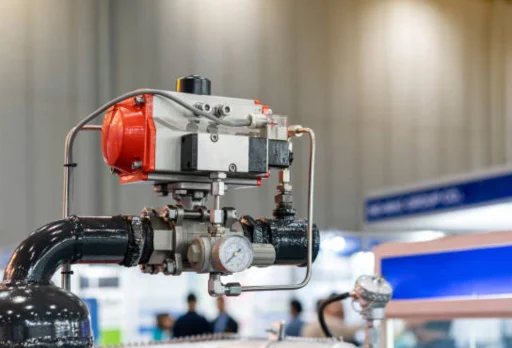
Miksi Vincer? Tarkka virtaussuunnan hallinta älyventtiilin avulla
Vuodesta 2010 lähtien Vincer on erikoistunut tarjoamaan älykkäitä nesteenhallintaratkaisuja maailmanlaajuiselle prosessiteollisuudelle. Tiedostamme, että venttiilin suorituskyky riippuu olennaisesti sen ohjauslogiikasta. Automaatiojärjestelmien johtavana valmistajana Vincer hyödyntää kokenutta insinööritiimiä – jonka jäsenillä on keskimäärin yli kymmenen vuoden monialainen kokemus – tarjotakseen räätälöityjä ratkaisuja erityisesti veden- ja jätevedenkäsittelyalalle. Valmistuksemme tarkkuus takaa yli 95%:n hyväksyntäasteen, mikä heijastaa huolellista lähestymistapaa raaka-aineista lopulliseen kokoonpanoon asti. Sovelluksissa, joissa virtaussuunta on kriittinen, Vincerin teknologia tarjoaa parhaan mahdollisen suojan: meidän sähkötoimiset toimilaitteet tarjoavat kirurgista säätelyä, kun taas meidän pneumaattiset järjestelmät tarjoaa alle sekunnin mittaisia nopeita vasteaikoja. Tämä ketteryys on välttämätöntä riskien hallitsemiseksi suurinopeuksisilla linjoilla, joilla suunta määrää järjestelmän turvallisuuden. Vincerin valitseminen tarkoittaa panostamista järjestelmään, joka on suunniteltu poistamaan virtaussuunnan epäselvyydet. Nykyaikaisessa tehtaassa manuaalinen ohjaus on todennäköisyyspeliä; automaatio on logiikkapeliä, ja Vincer tarjoaa tämän logiikan tarkasti suunnitellun suorituskyvyn kautta.
Parhaat käytännöt palloventtiilien asennuksessa virtauksen varmistamiseksi
Varmistaaksesi, että asennuksesi kestää aikaa, noudata seuraavia käytännön sääntöjä:
- Asennusta edeltävä tarkastus: Tarkista, että venttiilin sisäiset kanavat vastaavat järjestelmän virtausvaatimuksia, ja hitsaa tai ruuvaa se sitten paikalleen.
- Siisteys: Varmista, että putkistoa ei peitä hitsauskuonaa tai roskia. ”Bullet” on virtauksessa oleva pieni metallinpala, joka on suunnattu venttiilin herkälle istukalle.
- Suuntatarkistus: Pystysuorissa putkissa virtaussuunta on valittava siten, että painovoiman vaikutus otetaan huomioon, jos väliaineessa on kiintoaineita, jotka saattavat laskeutua venttiilin onteloon. Automaattiventtiilien osalta on varmistettava, että toimilaite on sijoitettu siten, että manuaalisiin ohituslaitteisiin ja asennonilmaisimiin pääsee helposti käsiksi.
- Toimilaite Suuntaus: Toimilaitetta asennettaessa toimilaitteen auki/kiinni-merkit on kohdistettava pallon todelliseen asentoon.
- Paineentestaus: Suorita hydrostaattinen koe nuolen osoittamaan suuntaan istukoiden tiiviyden varmistamiseksi ennen täysimittaista käyttöä.
- Dokumentaatio: Virtaussuunta tulisi merkitä selvästi ulkoeristeeseen tai putkien merkintöihin, jotta se helpottaisi tulevien huoltotiimien työtä, sillä heillä ei välttämättä ole pääsyä alkuperäiseen venttiilin valukappaleeseen.
Yleisiä virheitä ja niiden ehkäisy
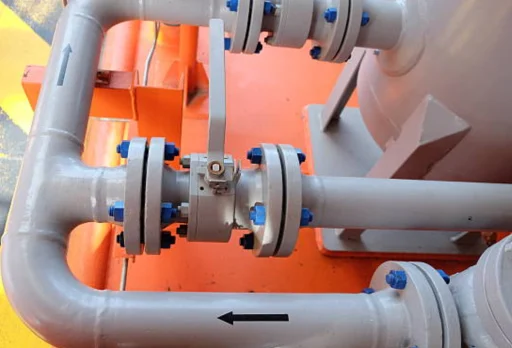
Hyvistä aikomuksista huolimatta tietyt virheet toistuvat teollisuusympäristöissä turhauttavan usein:
- “Ilmastoidun” puolen huomiotta jättäminen: Kuten jo todettiin, tuuletusventtiilin väärinpäin asentaminen on yleinen virhe, joka johtaa “selittämättömään” vuotoon.
- Ennaltaehkäisy: Käytä vaiheistuksen aikana kirkkaanvärisiä tunnisteita ilmanpoistoventtiileissä.
- Toimilaite Väärä kohdistus: Toisinaan venttiili on asennettu oikein, mutta toimilaite on “nollattu” väärään kohtaan, minkä seurauksena venttiili on 5% auki, vaikka järjestelmä luulee sen olevan kiinni.
- Ennaltaehkäisy: Käytä älykkäitä asemointilaitteita, jotka kalibroivat päätepysäyttimet automaattisesti.
- Lämpölaajeneminen Yleiskuva: Kaksisuuntaisen venttiilin asentaminen järjestelmään, jossa nestettä voi jäädä loukkuun ja lämmetä.
- Ennaltaehkäisy: Suorita aina prosessipiirin lämpöanalyysi, jotta voidaan päättää, tarvitaanko yksisuuntaista ilmanpoistoventtiiliä.
Teollisuuden epäonnistumisten historia kirjoitetaan usein “pienten” asennusvirheiden musteella. Kun virtaussuuntaa pidetään ensisijaisena teknisenä rajoitteena eikä vasta jälkikäteen huomioitavana seikkana, nämä yleiset sudenkuopat voidaan välttää kokonaan.
Johtopäätös
Virtaussuunta palloventtiilissä on keskeinen parametri, joka yhdistää mekaanisen suunnittelun ja käyttöturvallisuuden. Vaikka monissa sovelluksissa sallitaan joustavuus molempiin suuntiin, siirtyminen korkeampiin paineisiin, epävakaampiin väliaineisiin ja kehittyneeseen automaatioon tekee venttiilin “suuntautuneisuudesta” ehdottoman tekijän. Ymmärtämällä kelluvan ja kiinnitystapin rakenteiden mekaniikkaa, ilmanpoisto- tai moniporttiventtiilien erityistarpeita sekä automaattisen ohjauksen valtavia etuja insinöörit voivat vähentää merkittävästi järjestelmän vikaantumisen riskiä. Me Vincerillä olemme edelleen sitoutuneet tarjoamaan laitteistot ja asiantuntemuksen, joita tarvitaan näiden virtausdynamiikkojen hallitsemiseen. Olipa kyseessä yksinkertainen vesijohto tai monimutkainen automatisoitu kemiantehdas, oikean virtaussuunnan varmistaminen on ensimmäinen askel kohti järjestelmää, joka on sekä tehokas että kestävä.