
Einführung
Die Wahl einer primären Isolationskomponente ist in dem anspruchsvollen Umfeld der Strömungsmechanik und der industriellen Prozesssteuerung kaum eine Frage der Bequemlichkeit. Vielmehr handelt es sich um ein kompliziertes Optimierungsproblem, bei dem mechanische Zwänge, Druckdynamik und wirtschaftliche Variablen in Einklang gebracht werden müssen. Eine der grundlegenden Lösungen in diesem Bereich ist der Kugelhahn mit seinem Vierteldrehmechanismus und dem kugelförmigen Absperrorgan. Die interne Konstruktion dieser Ventile, d. h. der Unterschied zwischen schwimmend gelagerten und gelenkig gelagerten Ausführungen, ist jedoch ein wesentlicher Punkt, an dem sich die Konstruktionsphilosophie unterscheidet. Die falsche Wahl der Konfiguration kann zu katastrophalen Dichtungsfehlern, zu hohem Verschleiß des Antriebs oder zu systembedingter Ineffizienz führen. In diesem Beitrag wird ein kritischer analytischer Vergleich dieser beiden Konstruktionen vorgestellt, damit Ingenieure und Beschaffungsexperten fundierte Entscheidungen treffen können.
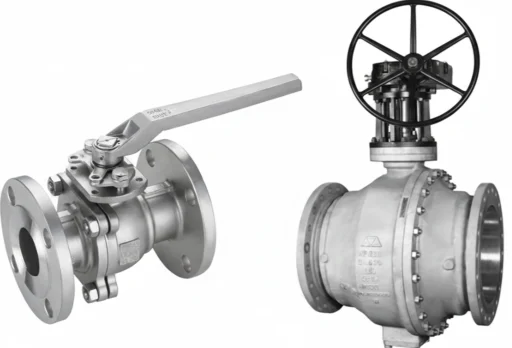
Was ist ein Kugelhahn mit Zapfen
Ein Kugelhahn mit Zapfen ist ein technisches Bauteil, bei dem die Kugel eine kugelförmige Komponente ist, die mechanisch durch eine Spindel am oberen Ende und einen Zapfen (eine Stützwelle) am unteren Ende gehalten wird. Diese Konstruktion mit fester Achse sorgt dafür, dass die Kugel unabhängig von der Druckdifferenz in Bezug auf die vertikale Achse des Ventilgehäuses unbeweglich ist. Im Gegensatz zu den Konstruktionen, bei denen die Kugelbewegung zur Abdichtung genutzt wird, werden bei der Zapfenkonstruktion federbelastete schwimmende Sitze verwendet, die durch die Prozessflüssigkeit gegen die feststehende Kugel gedrückt werden. Dieser Mechanismus ist vor allem für den Einsatz unter hohen Drücken und in Anwendungen mit großen Bohrungen gedacht, bei denen die mechanischen Belastungen der internen Komponenten erheblich sind.
Was ist ein schwimmender Kugelhahn?
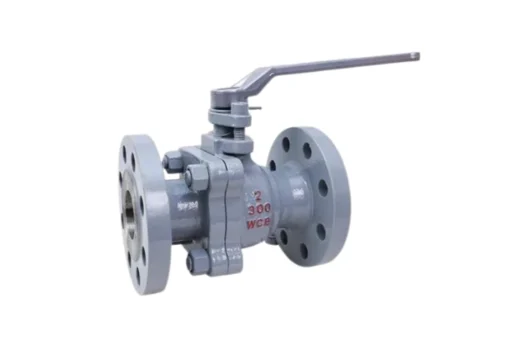
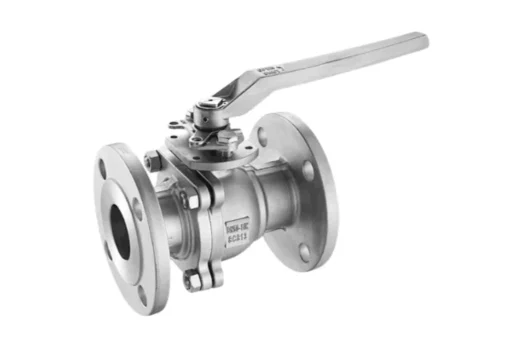
Ein schwimmend gelagerter Kugelhahn hingegen verwendet eine weniger komplizierte, aber sehr effiziente mechanische Konstruktion, bei der die Kugel nicht durch eine zweite Welle in ihrer Position gehalten wird. Sie wird von zwei Elastomer- oder Metallsitzen eingespannt, die im Grunde genommen im Ventilgehäuse schwimmen. Wenn das Ventil geschlossen ist, wird die Kugel durch den Druck des Mediums auf den stromabwärts gelegenen Sitz gepresst, so dass eine dichte, leckagefreie Abdichtung entsteht. Die Konstruktion basiert auf dem Druck des Mediums selbst, um die Dichtheit zu gewährleisten. Obwohl die schwimmende Konstruktion bei niedrigem bis mittlerem Druck und bei kleineren Rohrgrößen außerordentlich effektiv ist, ist sie durch die physikalischen Kräfte, die auf den stromabwärts gelegenen Sitz wirken, von Natur aus begrenzt.
Kerndesign: Wie sie sich in Struktur und Betrieb unterscheiden
Der grundlegende Unterschied zwischen diesen beiden Armaturentypen besteht in der Anzahl der Freiheitsgrade der inneren Kugel. Diese strukturelle Variation bestimmt alle weiteren Leistungsmerkmale, einschließlich der Drehmomentanforderungen an die Lebensdauer des Sitzmaterials.
Schwimmende Kugelhähne: Verlassen Sie sich auf die nachgeschaltete Dichtung
Der schwimmend gelagerte Kugelhahn ist das Arbeitspferd der mittelständischen Industrie und wird wegen seiner anmutigen Einfachheit bewundert. Bei dieser Konstruktion ist die Spindel in der Regel durch einen Schlitz an der Kugel befestigt, wobei eine geringe seitliche Bewegung entlang der Strömungsachse möglich ist. Wenn das Ventil geschlossen ist, ist die Kugel aufgrund der fehlenden unteren Abstützung der kinetischen und statischen Energie des strömenden Mediums ausgesetzt.
Der Mechanismus der Abdichtung ist in diesem Fall rein stromabwärts gerichtet. Da die Flüssigkeit die Kugel antreibt, ist die Dichtungsintegrität eine direkte Proportionalität der Druckdifferenz. Theoretisch wird die Dichtung bei steigendem Druck verbessert, und die Kraft, die die Kugel gegen den stromabwärts gelegenen Sitz drückt, nimmt proportional dazu zu. Dies stellt jedoch einen großen mechanischen Kompromiss dar: Der nachgeschaltete Sitz muss die volle Druckbelastung der Rohrleitung aufnehmen. Wenn der Druck zu hoch ist und die Materialgrenzen des Sitzes überschritten werden, kommt es zu einer Verformung oder dauerhaften Verformung und schließlich zum Bruch des Ventils. Die schwimmende Konstruktion ist daher ein Versuch, die Reibung zwischen dem Polymersitz und der kugelförmigen Oberfläche zu kontrollieren.
Zapfengelagerte Kugelhähne: Stabilität durch feste Wellen
Der schwimmend gelagerte Kugelhahn verfügt über eine feste Drehachse, um die mechanischen Beschränkungen der schwimmenden Bauweise zu überwinden. Unten stützt die Zapfenplatte oder eine gelagerte Welle die Kugel, so wie die Spindel die Kugel oben stützt. Dadurch wird die seitliche Bewegung praktisch eliminiert.
Da sich die Kugel nicht in Richtung des stromabwärts gelegenen Sitzes bewegen kann, muss die Philosophie der Abdichtung geändert werden. In einem Zapfenventil sind die Sitze dynamisch. Diese Sitze sind normalerweise federbelastet, so dass sie immer in Kontakt mit der Kugel sind, auch wenn der Druck gleich Null ist. Wenn die Rohrleitung unter Druck gesetzt wird, strömt die Flüssigkeit in den Bereich hinter dem Sitzring und drückt den Sitz gegen die Kugel. Dies wird als stromaufwärts gerichtete Abdichtung bezeichnet. Die Zapfenkonstruktion ist die beste Option für Systeme mit hoher Integrität, bei denen mechanische Stabilität eine absolute Notwendigkeit ist, da die für schwimmende Ventile typischen seitlichen "Biegekräfte" nicht auftreten, da die Kugel verankert ist.
Leistungs-Showdown: Druck, Größe und Drehmoment
Bei groß angelegten industriellen Infrastrukturen wird die Leistung dieser Ventile durch ihre Fähigkeit bestimmt, unter extremen Belastungen zu arbeiten. In diesem Fall sind die Physik der Oberfläche und die Reibungskoeffizienten die wichtigsten Variablen von Interesse.
Größe und Druckgrenzwerte
Der schwimmende Kugelhahn unterliegt dem strengen Gesetz der proportionalen Kraft. Die Druckdifferenz multipliziert mit der Querschnittsfläche der Kugel wird verwendet, um die Kraft auf den stromabwärts gelegenen Sitz zu bestimmen. Diese Kraft kann bei einem 12-Zoll-Ventil mit Druckklasse 600 mehrere zehntausend Pfund betragen. Aus diesem Grund sind schwimmend gelagerte Kugelhähne in der Regel auf eine Größe von weniger als 10 Zoll und weniger Druckklassen (in der Regel bis Klasse 300) beschränkt.
Zapfenventile sind jedoch die stillen Wächter der Rohrleitung, und sie können für große Durchmesser und hohe Drücke ausgelegt werden. Da die Druckbelastung von den Zapfen- und Spindellagern und nicht von den weichen Sitzen übernommen wird, können diese Ventile in Größen bis zu 60 Zoll und Druckstufen bis zur Klasse 2500 eingesetzt werden. Für den Ingenieur ist das Zapfenventil eine Form der Entkopplung von Dichtung und mechanischer Lastaufnahme, die mehr Flexibilität bei der Konstruktion in rauen Betriebsumgebungen ermöglicht.
Drehmomentanforderungen und Wirkungsgrad der Betätigung
Das Drehmoment ist die Kraft, die zum Öffnen oder Schließen des Ventils erforderlich ist, ein sehr wichtiger Aspekt der Automatisierung. Die Reibung zwischen der Kugel und dem Sitz ist bei einem schwimmend gelagerten Kugelhahn sehr hoch, da der Flüssigkeitsdruck die Kugel in den nachgeschalteten Sitz drückt. Das für die Bewegung der Kugel erforderliche Drehmoment steigt exponentiell mit dem Druck an. Dies kann häufig große, kostspielige Stellantriebe erfordern, nur um das anfängliche Losbrechmoment zu überwinden.
Zapfenventile haben deutlich niedrigere und stabilere Drehmomentkurven. Die Reibung beschränkt sich auf den Kontakt zwischen den federbelasteten Sitzen und der Kugeloberfläche, da die Kugel auf Lagern befestigt ist. Dieses Drehmoment ist trotz Druckänderungen in der Rohrleitung vergleichsweise konstant. Infolgedessen ermöglichen Zapfenventile eine genauere Dimensionierung der Antriebe, was die Größe und die Kosten des automatisierten Ventilpakets minimiert. In einer systemweiten Betrachtung bietet die Zapfenkonstruktion einen besser vorhersehbaren Regelkreis für automatisierte Prozesse.
Hauptunterschiede in der Dichtungsleistung
Das Hauptziel eines jeden Ventils ist die Aufrechterhaltung der Dichtigkeit. Doch die Art und Weise, wie diese Dichtung erreicht wird und wie das Ventil mit der Ansammlung von Innendruck umgeht, ist bei diesen beiden Architekturen recht unterschiedlich.
Vorgelagerte vs. nachgelagerte Dichtungsmechanik
Wie festgestellt wurde, ist der schwimmend gelagerte Kugelhahn in der Praxis eine einsitzige Dichtungsmaschine. Obwohl es zwei Sitze gibt, ist der stromabwärts gelegene Sitz der einzige, der die Dichtung aktiv unter Druck setzt. Dadurch ist das Ventil von Natur aus unidirektional in seiner Dichtwirkung, obwohl zahlreiche Konstruktionen als bidirektional verkauft werden.
Das Zapfenventil verfügt über eine unabhängige Sitzfunktion. Die stromaufwärts und stromabwärts gelegenen Sitze können gleichzeitig gegen die Kugel abdichten. Es kann für fortschrittlichere Konfigurationen konfiguriert werden, einschließlich Einzelkolbeneffekt (SPE) oder Doppelkolbeneffekt (DPE). Bei einer SPE-Konstruktion sind die Sitze selbstentlastend; bei einer DPE-Konstruktion verfügen die Sitze über eine redundante "Doppeldichtung", die sowohl dem stromaufwärts als auch dem stromabwärts liegenden Druck standhalten kann. Dies ist eine mechanische Redundanz, die für hochsichere Prozessumgebungen charakteristisch ist.
Werkzeuginnendruckentlastung & DBB-Fähigkeit
Die Möglichkeit der Double Block and Bleed (DBB) Funktion ist einer der größten Vorteile der Zapfenkonstruktion. Da die beiden Sitze separat geschlossen werden können, kann der "Hohlraum" (der Raum innerhalb des Ventilgehäuses, der die Kugel umgibt) entlüftet oder entleert werden, wenn sich das Ventil in der geschlossenen Position unter Druck befindet. Auf diese Weise kann das Bedienpersonal die Dichtheit der Sitze überprüfen, ohne den Durchfluss zu unterbrechen - eine sehr wichtige Sicherheitsmaßnahme in der petrochemischen Industrie.
Außerdem besteht bei Zapfenventilen die Gefahr, dass sich im Hohlraum ein Druck aufbaut. Wenn ein Ventil Flüssigkeit in seinem Hohlraum enthält und die Umgebungstemperatur steigt, kann sich die Flüssigkeit ausdehnen, was zu einem Innendruck führt, der weit über der Nennkapazität des Ventils liegt. Zapfenventile mit SPE-Sitzen leiten diesen Überdruck automatisch in die Rohrleitung zurück, wenn der Innendruck über einen bestimmten Schwellenwert über den Leitungsdruck hinaus ansteigt. Die schwimmend gelagerten Kugelhähne verfügen in der Regel nicht über diese Selbstentlastungsfunktion und benötigen unter Umständen eine Entlastungsbohrung in der Kugel, wodurch der Hahn unidirektional wird.
Verlässlichkeit und Lebenszyklus: Wartung, Langlebigkeit und Gesamtkosten
Bei der wirtschaftlichen Analyse eines Ventils sollten nicht nur die Anschaffungskosten, sondern auch die Gesamtbetriebskosten (TCO) berücksichtigt werden. Dazu gehört eine Untersuchung der Wartungszeiten, der Verwendung von Ersatzteilen und der Wahrscheinlichkeit ungeplanter Ausfallzeiten.
Schwimmend gelagerte Kugelhähne sind billiger, weil sie weniger Teile benötigen. Die Tatsache, dass sie von der Kompression der Sitze abhängig sind, bedeutet jedoch, dass die Sitze bei jedem Zyklus einem ständigen Verschleiß ausgesetzt sind. Die Sitze eines schwimmend gelagerten Ventils verschleißen schnell, wenn die Zyklushäufigkeit hoch ist oder die Medien abrasiv sind. Die Wahl ist eine Abwägung zwischen Startkapital und langfristigem Risiko.
Zapfenventile sind wegen ihrer komplizierten Innenteile (Lager, Federn, Zapfenplatten) zunächst teurer, aber wesentlich langlebiger. Die Trennung von Trag- und Dichtfunktion führt dazu, dass die Sitze weniger durch Reibung abgenutzt werden. Darüber hinaus ermöglicht die für Zapfenventile typische Möglichkeit, über externe Anschlüsse Dichtmittel einzuspritzen, den Wartungsteams die vorübergehende Wiederherstellung der Dichtheit, ohne dass das Ventil aus der Leitung genommen werden muss. Im Falle kritischer Infrastrukturen werden die höheren Investitionskosten eines Zapfenventils fast immer durch die geringeren Betriebskosten über einen Zeitraum von zehn Jahren ausgeglichen. Die nachstehende Tabelle ist eine Zusammenfassung der wichtigsten technischen Unterschiede, die oben erwähnt wurden und die schnell genutzt werden können:
Parameter | Schwimmend Kugelhahn | Kugelhahn mit Zapfenbefestigung |
Kugelhalterung | Nicht unterstützt (Floating) | Befestigung durch Spindel und Zapfen |
Prinzip der Versiegelung | Nachgeschaltete Druckabdichtung | Vorgeschaltete druckunterstützte Sitzabdichtung |
Typischer Größenbereich | ≤ 8-10 Zoll | Bis zu 60 Zoll |
Typische Druckstufe | Bis zu ASME Klasse 300 | Bis zu ASME Klasse 2500 |
Aufgenommene Druckbelastung durch | Nachgeschalteter Sitz | Lagerzapfen und Lagersystem |
Drehmoment bei hohem Druck | Hoch und druckabhängig | Niedrig und stabil |
Betätigungselement Größenbestimmung | Überdimensionierter Antrieb oft erforderlich | Optimiert und berechenbar |
Eignung für die Automatisierung | Begrenzt bei hohem Druck | Ausgezeichnet |
Primäre Anwendungen | Versorgungsdienste, Wasseraufbereitung und industrielle Niederdruckleitungen. | Öl- und Gastransport, Hochdruckraffinierung und Verarbeitung von Schwerstarbeit. |
Wie Sie das richtige Ventil für Ihre Anwendung auswählen
Der Prozess der Entscheidungsfindung bei der Wahl des Ventils lässt sich in Abhängigkeit von den Projektzwängen auf mehrere wichtige heuristische Regeln zusammenfassen.
- Industrie-Szenarien: Das schwimmende Ventil ist die kostengünstigste Lösung für die Wasseraufbereitung oder allgemeine Versorgungsdienste. Bei komplizierten chemischen Prozessen oder in der petrochemischen Raffinerie ist die Zapfenkonstruktion jedoch der obligatorische Standard für den Umgang mit flüchtigen Medien und thermischen Zyklen.
- Größe und Druck: Wenn es sich um eine Rohrleitung mit einem Durchmesser von mehr als 8 Zoll oder einer Druckstufe von mehr als ASME Class 300 handelt, ist die technisch korrekte Ausführung die mit einem Zapfen versehene Konstruktion. Unterhalb dieser Grenzen ist der schwimmende Kugelhahn in der Regel effizienter und kostengünstiger.
- Häufigkeit des Betriebs: In Fällen, in denen die Ventile monatelang geöffnet oder geschlossen sind, ist ein schwimmender Kugelhahn ausreichend. Bei Drosselung oder hochfrequenten Zyklen sind das geringere Drehmoment und die Sitzverschleiß-Eigenschaften der Zapfenkonstruktion entscheidend.
- Medien und Sicherheit: Bei gefährlichen, flüchtigen oder Hochtemperatur-Medien bieten die DBB- und Entlastungseigenschaften des Zapfenventils das erforderliche Maß an Sicherheit. Bei einfachen Medien wie Wasser oder Niederdruckluft ist die schwimmende Ausführung wünschenswerter.
- Anforderungen an die Automatisierung: Für den Fall, dass die Armatur betätigt werden muss, bietet die Zapfenkonstruktion ein stabileres Drehmomentprofil, das für eine kleinere und zuverlässigere Automatisierungsbaugruppe genutzt werden kann.
- Platz und Gewicht: Schwimmende Ventile sind viel kleiner und leichter, was ein strategischer Vorteil bei auf Skids montierten Systemen oder Offshore-Plattformen ist, wo Platz und strukturelle Belastungen begrenzt sind.
- Haushaltszwänge: Schwimmend gelagerte Ventile sind eine geringere Anfangsinvestition (CapEx) für unkritische Systeme. Zapfenventile haben eine höhere Anfangsinvestition, aber einen besseren langfristigen Lebenszykluswert (OpEx) aufgrund geringerer Ausfallzeiten in kritischen Pfaden.
Höhere Leistung: Integrierte Automatisierung für verbesserte Kontrolle
Im neuen Zeitalter der Industrie 4.0 kann ein Ventil nur so effizient sein wie das System, das es steuert. Die Ventilautomatisierung ist der Bereich an der Kreuzung von mechanischem Design und digitaler Präzision. Unabhängig davon, ob Sie sich für eine schwimmende oder schwenkbare Konstruktion entscheiden, wird der Leistungsgewinn durch die Integration des pneumatischen, elektrischen oder hydraulischen Antriebs erzielt.
Das Problem bei der Automatisierung ist in der Regel das Verhältnis von Drehmoment und Größe. Ein schwimmend gelagerter Kugelhahn, dessen Drehmomentspitzen bei hohem Druck unvorhersehbar und hoch sind, kann leicht zum "Abwürgen" des Stellantriebs oder zum vorzeitigen Ausfall des Motors führen, wenn er nicht mit einer enormen Sicherheitsmarge überdimensioniert ist. Im Vergleich dazu kann das vorhersehbare Drehmoment des Zapfenventils genutzt werden, um intelligente Stellungsregler und Diagnosesensoren einzubauen, die den Zustand der Ventile in Echtzeit überwachen können. Mit der Wahl eines integrierten Automatisierungspakets können die Betreiber der Anlage zu einem proaktiveren Wartungsansatz übergehen, nämlich zur vorausschauenden Wartung, die es ermöglicht, den Verschleiß des Sitzes oder die Reibung der Spindel vor einem Ausfall zu erkennen.
Warum Vincer: Ihr Partner für leistungsstarke Ventillösungen
Die Wahl zwischen Schwenkzapfen- und schwimmenden Konstruktionen ist eine technische Entscheidung, die Wahl des Herstellers ist jedoch eine strategische. Seit 2010, Vincer baut seit 15 Jahren auf der präzisen Verschmelzung von Metallurgie und Maschinenbau auf. Mit über 30 Patenten und einer grundlegenden Produktqualifizierungsrate von ≥ 95% beruht unser Fundament auf bewährtem Fachwissen und nicht auf bloßen Versprechungen.
Wir überbrücken die Lücke zwischen "Standardfertigung" und "kritischer Zuverlässigkeit" durch ein obligatorisches 100%-Prüfprotokoll vor der Auslieferung. Indem wir jede Ventilbaugruppe strengen Leckage-, Druck- und Lebensdauertests unterziehen, stellen wir sicher, dass sich die Zertifikate, die wir besitzen - einschließlich ISO 9001, CE, FDA, RoHS und SIL - in jedem betätigten Ventil widerspiegeln, das Ihren Standort erreicht.
Die wahre Differenzierung von Vincer liegt jedoch in der integrierten Automatisierung. Wir haben erkannt, dass in Sektoren wie Entsalzung, Abwasseraufbereitung und erneuerbare Energien betätigte Ventile nur so gut sind wie ihre Steuerungssysteme. Durch eine strenge Drehmomentabstimmung für jede elektrische und pneumatische Antriebsbaugruppe beseitigen wir die "Integrationslücke", die Großprojekte oft destabilisiert. So haben Sie einen einzigen Verantwortungspunkt: Hochleistungshardware gepaart mit optimierter Automatisierung, die sicherstellt, dass Ihr gesamtes Ökosystem mit unerschütterlicher Zuverlässigkeit funktioniert.
Schlussfolgerung
Bei der Entscheidung zwischen einem Schwenkzapfen- und einem schwimmenden Kugelhahn geht es nicht darum, dass der eine von Natur aus "besser" ist als der andere; es ist vielmehr eine Frage der mechanischen Eignung. Der schwimmend gelagerte Kugelhahn bietet eine elegante, kostengünstige Lösung für kleinere Systeme mit niedrigerem Druck, bei denen die Einfachheit der Konstruktion von Vorteil ist. Der schwimmend gelagerte Kugelhahn ist eine hochentwickelte mechanische Baugruppe, die für hohe Drücke, große Durchmesser und kritische Sicherheitsanforderungen ausgelegt ist. Durch das Verständnis der zugrundeliegenden Physik von Dichtung und Drehmoment können Ingenieure ihre Systeme vor unnötigem Verschleiß und möglichen Ausfällen schützen. Letztendlich geht es darum, ein Gleichgewicht zwischen mechanischer Leistung und wirtschaftlicher Realität zu erreichen, um den langfristigen Erfolg des gesamten Industrieunternehmens sicherzustellen.
 English
  French
  Spanish
  Italian
  German
  Dutch
Dutch  Portuguese
  Korean
  Russian
  Chinese
  Finnish