Введение
Концентрация ионов водорода, традиционно обозначаемая показателем pH, является основной переменной в строгом контексте управления водными системами, и именно на ней основана стабильность всех последующих химических и биологических процессов. С системной точки зрения очистка воды представляет собой задачу оптимизации, в которой необходимо достичь различных конкурирующих целей, таких как инактивация патогенов, стабилизация минералов и химическая эффективность, в рамках очень ограниченного набора ограничений. Параметр pH является основным рычагом, регулирующим достижение этих целей. Традиционно регулирование pH в различных системах очистки считалось второстепенной операцией, которая, как правило, отходила на второй план по сравнению с грубой регулировкой с помощью примитивного титрования. Однако к 2026 году в связи с ужесточением экологических стандартов, ростом цен на химикаты и развитием более чувствительных мембранных технологий регулирование pH стало инженерной задачей, от решения которой зависит очень многое. Настоящее руководство предлагает аналитическую основу для понимания, оптимизации и внедрения системы регулирования pH в современной инфраструктуре водоочистки.
Почему контроль pH имеет решающее значение в современной водоподготовке
Важность контроля pH объясняется тем, что практически все химические реакции в воде зависят от pH. На самом простом уровне pH определяет растворимость минералов, формулу дезинфицирующих средств и плотность заряда органических молекул. Неспособность поддерживать постоянный баланс pH в промышленных и коммунальных условиях приводит к экзогенным воздействиям на систему. Например, резкое снижение pH может вызвать высвобождение тяжелых металлов в распределительных трубопроводах, тогда как повышение pH может привести к немедленному осаждению карбоната кальция. Кроме того, pH напрямую связан с экономической эффективностью очистной станции. Если значения pH не оптимизированы, станции придется компенсировать это за счет передозировки коагулянтов или дезинфицирующих средств, что приведет к незначительному росту эксплуатационных затрат без соразмерного улучшения качества воды. В этом отношении контроль pH является «термостатом» всего химического завода, регулирующим скорость протекания всех реакций на станции.
Нормативные стандарты и целевые диапазоны значений pH¹
Регулирующие органы, в том числе Всемирная организация здравоохранения (ВОЗ), Агентство по охране окружающей среды США (EPA) (в рамках разрешений NPDES) и Рамочная директива ЕС по водным ресурсам, устанавливают строгие ограничения на уровень pH различных типов воды. Хотя в прошлом эти стандарты допускали значительную свободу, современные нормативные акты становятся всё более подробными в целях защиты здоровья населения.
- Питьевая вода: Большинство международных стандартов по распределению питьевой воды предписывают соблюдение диапазона значений pH от 6,5 до 8,5. Хотя pH в этих диапазонах не представляет непосредственной опасности, он является важным показателем стабильности воды. Уровень ниже 6,5 обычно связан с повышением концентрации растворенных тяжелых металлов, включая свинец и медь, которые вымываются из труб. С другой стороны, концентрации выше 8,5 приводят к появлению явно горького привкуса и резкому снижению эффективности хлорирования, что подрывает биологическую безопасность водоснабжения.
- Сточные воды: Разрешения на сброс промышленных сточных вод обычно предписывают поддерживать уровень pH в диапазоне от 6,0 до 9,0 для обеспечения экологической целостности водоприемников. Однако в случае специфических промышленных стоков, особенно в горнодобывающей, гальванической и текстильной отраслях, никаких отклонений допустимо не допускается. Эти отрасли обязаны достигать определённых изоэлектрических точек, чтобы гарантировать полное осаждение и удаление остаточных металлов перед сбросом. Например, оптимальный уровень осаждения никеля достигается при pH около 10,2, тогда как для цинка — в диапазоне 9,2. Недостижение этих конкретных показателей приводит к немедленному признанию несоответствия требованиям и наложению крупных штрафов.
- Промышленная питательная вода: В системах очистки воды высокой чистоты, таких как котлы высокого давления или производство полупроводников, целью уже не является диапазон значений, а скользящее среднее, допускающее практически нулевое отклонение. В таких условиях электрохимический потенциал воды должен быть сбалансирован. Даже незначительное изменение pH может вызвать локальную коррозию или образование минеральных отложений, что приведет к катастрофическому сбою в чувствительных тепловых или микроэлектронных процессах.
Критическая синергия: как pH определяет эффективность лечения
Настоящая сложность водоочистки заключается в синергетическом взаимодействии pH и других химических веществ, используемых при очистке. Мы должны рассматривать процесс очистки как цепочку взаимосвязанных химических равновесий.
Оптимизация эффективности коагуляции и флокуляции
Процесс нейтрализации отрицательных зарядов на коллоидных частицах, позволяющий им агрегировать, называется коагуляцией. Сульфат алюминия (квасцы) и хлорид железа(III) являются наиболее часто используемыми коагулянтами, и они очень чувствительны к значению рН рабочей жидкости. После добавления квасцов в воду происходит ряд реакций гидролиза:

Для обеспечения эффективности значение pH обычно должно оставаться в пределах от 5,5 и 7,5. Если pH слишком низкий, алюминий не выпадает в осадок в виде флокул и не образует флокул, необходимых для осаждения. Если pH чрезмерно высокий, ионы алюмината (Al(OH)₄⁻) также растворимы. Поэтому неточное регулирование pH приводит к так называемому переносу алюминия, что может вызывать проблемы с мутностью в системе распределения и, как показывает практика, является причиной ряда эксплуатационных сбоев.
Повышение эффективности дезинфекции и инактивации патогенов
Пожалуй, главным последствием ненадлежащего контроля уровня pH является снижение эффективности дезинфекции с использованием хлора. Добавление в воду газообразного хлора или гипохлорита приводит к образованию хлорноватистой кислоты (HOCl), который является сильным дезинфицирующим средством. Тем не менее, HOCl представляет собой слабую кислоту, которая диссоциирует в соответствии со следующим уравнением равновесия:
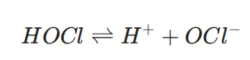
Этот HOCl дезинфицирующая способность примерно в 80–100 раз выше, чем у иона гипохлорита (OCl⁻). Что pH 7.5, доля составляет примерно 50 процентов HOCl и 50 процентов OCl⁻. Когда pH повышается до 8.5, доля HOCl снижается до уровня ниже 10%. В результате для достижения такого же логарифмического снижения количества патогенных микроорганизмов на станции с более высоким значением pH потребуется в десять раз больше хлора, чем на станции с более низким значением pH. Это не только увеличивает расходы, но и приводит к образованию опасных побочных продуктов дезинфекции (ППД), таких как тригалометаны.
Защита инфраструктуры: снижение рисков, связанных с коррозией и образованием накипи
С точки зрения управления активами, регулирование pH является одним из средств снижения износа материального капитала. Взаимодействие воды с поверхностями, с которыми она соприкасается, определяется индексом насыщения Лангелье (LSI), который характеризует стабильность карбоната кальция:
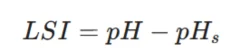
Где pH каково реальное значение pH и pHₛ — это значение pH при насыщении карбонатом кальция.
- LSI < 0: Вода является недонасыщенной и, как правило, обладает коррозионным действием: она растворяет защитный минеральный налет и разрушает металлические трубы.
- LSI > 0: Вода перенасыщена и склонна к образованию накипи, что ограничивает расход и снижает эффективность котлов и теплообменников с точки зрения теплопередачи.
Точный контроль уровня pH позволяет поддерживать показатель LSI на уровне, близком к нулю, что продлевает срок службы распределительной инфраструктуры на десятилетия.
Обзор применений: точное определение pH в системах обратного осмоса и системах охлаждения
Хотя муниципальные системы очистки служат эталоном, промышленное применение высокочистых веществ свидетельствует о необходимости обеспечения исключительной точности измерения pH.
Обратный осмос: поиск баланса между удалением бора и сохранностью мембраны
Мембраны обратного осмоса (ОО) являются основным барьером в процессе опреснения морской воды и получения сверхчистой воды. Одной из особых проблем при использовании технологии ОО является удаление бора, который присутствует в виде борной кислоты (борная кислота) в нейтральной воде. Поскольку борная кислота является нейтральной, она довольно легко проникает через мембраны обратного осмоса. Для её удаления необходимо повысить pH до уровня выше 9.2 чтобы превратить его в ион бората (B(OH)₄⁻), который не пропускается мембраной. Однако работа при столь высоком значении pH значительно повышает риск образования отложений карбоната кальция и гидроксида магния на поверхности мембраны. Правильный контроль pH — критически важный этап регулирования pH при очистке воды или сточных вод — играет здесь ключевую роль, поскольку рабочий диапазон обычно не превышает 0,2 единицы pH. Любое отклонение в ту или иную сторону приведет либо к загрязнению конечной воды, либо к загрязнению и повреждению мембраны.
Градирни: предотвращение образования «белой ржавчины» за счет поддержания электрохимического баланса
Многие компоненты градирен изготовлены из оцинкованной стали. Такие системы подвержены образованию «белой ржавчины» — локализованной коррозии цинкового покрытия. Обычно это происходит, когда уровень pH охлаждающей воды превышает 8.2 в системе с низкой щелочностью мягкой воды. Для поддержания электрохимического баланса необходимо поддерживать значение pH в узком диапазоне — от 7,0 до 8,0 – и регулировать циклы концентрации.
Выбор реагентов: выбор химических веществ и их влияние на работу
Выбор реагента для метода лечения представляет собой компромисс между кинетикой реакции, безопасностью и логистическими соображениями.
- Серная кислота Кислота (H₂SO₄): Эта кислота наиболее широко используется в промышленности благодаря своей кислотности и низкой стоимости. Однако она приводит к повышению концентрации сульфатов, что может стать ограничивающим фактором в системах обратного осмоса (образование накипи из сульфата кальция).
- Диоксид углерода (CO₂): Относительно новое средство для понижения pH. При растворении оно образует угольную кислоту. Оно обладает самобуферирующими свойствами и является менее опасным при работе, чем минеральные кислоты, однако кинетика реакции у него более медленная, и для его применения требуются более сложные газожидкостные контакторы.
- Гидроксид натрия (NaOH): Основной реагент, используемый для повышения pH. Он очень эффективен, но опасен и в случае плохого перемешивания может привести к появлению локальных участков с высоким pH вокруг места введения.
- Бикарбонат натрия (Бикарбонат натрия): Его применяют в тех случаях, когда необходимо повысить уровень pH и щелочности. Он обладает высокой буферной способностью, но его стоимость на единицу изменения pH выше.
«Разрыв в точности»: от ручного опыта к автоматизированной точности
Традиционно регулирование pH осуществлялось с помощью ручных клапанов и периодического анализа выборочных проб. После считывания показаний pH оператор подходил к ручному шаровому клапану и поворачивал его на несколько градусов, ориентируясь на навык, приобретенный за годы работы. Такой эвристический подход невозможно применять в современных нормативных условиях. Основная сложность регулирования pH заключается в нелинейности кривой титрования. В нейтральном диапазоне (около pH 7) кривая имеет очень крутой наклон. Даже добавление небольшого количества кислоты может привести к резкому падению pH до 4 за считанные секунды. Ручные клапаны недостаточно точны, чтобы выполнять микрорегулировки, необходимые для управления на этом крутом участке кривой. Кроме того, при ручном управлении невозможно учесть «мертвое время» процесса — интервал между введением реагентов и считыванием показаний датчика. К моменту, когда оператор замечает отклонение pH от нормы, через точку впрыска уже прошли тысячи галлонов воды, не соответствующей техническим требованиям.
Высокоточные клапанные системы: основа надежного регулирования pH
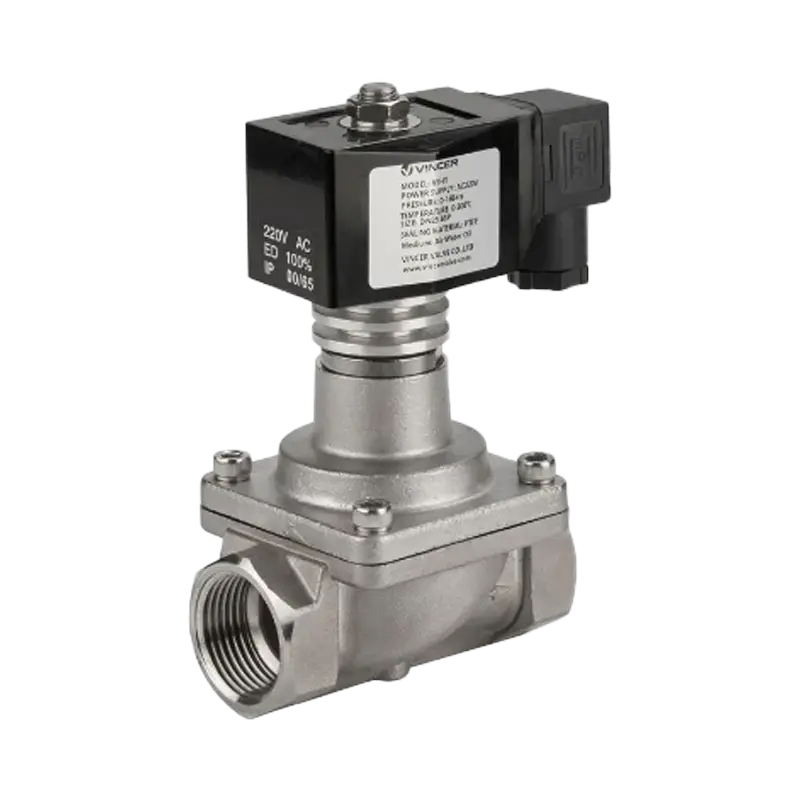
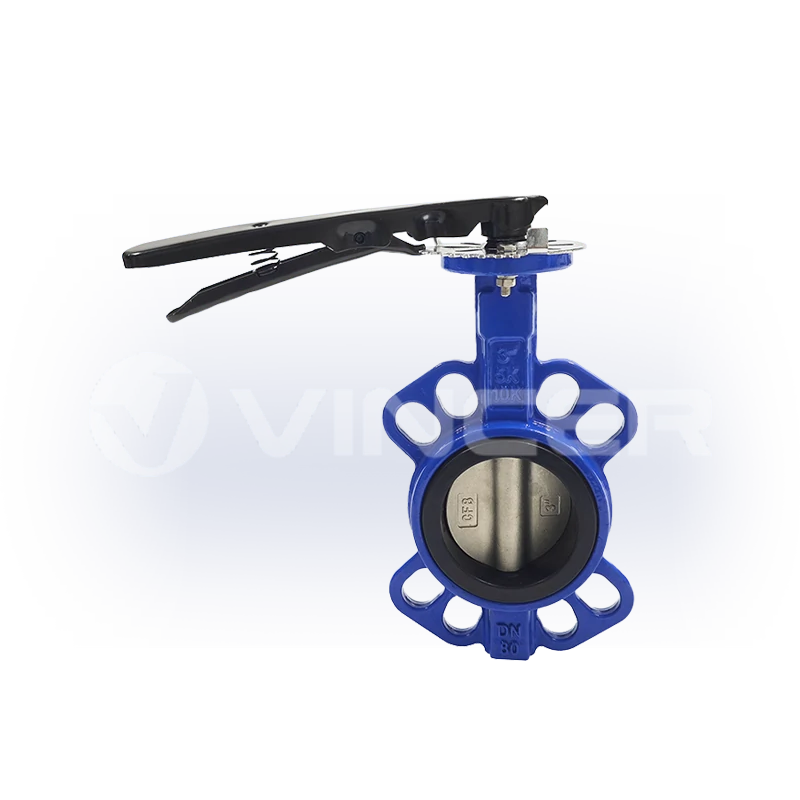
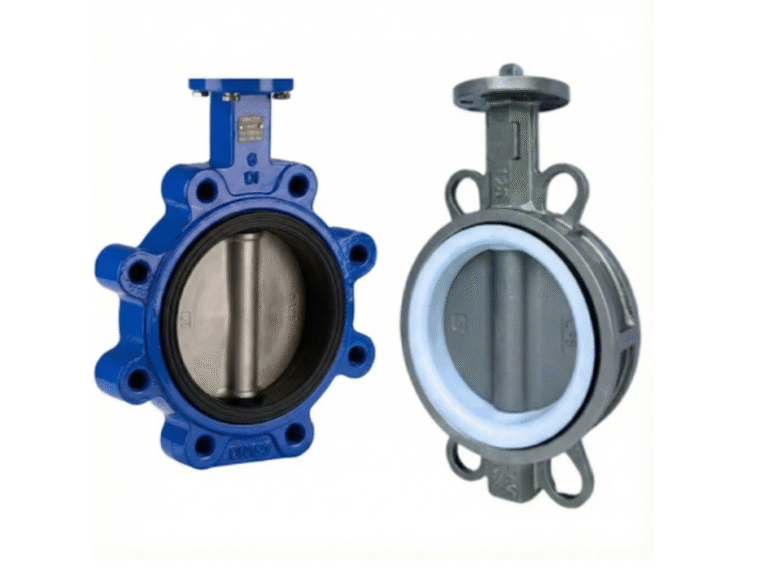
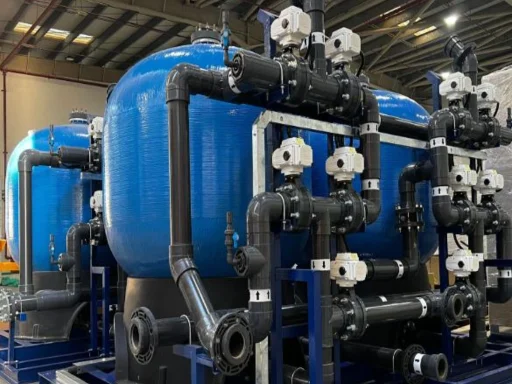
Если представить, что датчик pH — это «глаза» системы, а контроллер — «мозг», то автоматический клапан — это «рука», выполняющая команду. Если применить к этому правило 80/20, то химия и датчики занимают значительную часть руководства, но фактическая физическая стабилизация системы зависит исключительно от качества конечного элемента управления. Как производитель профессиональных автоматических клапанов, компания Vincer осознает, что узким местом в регулировании pH не обязательно является химический аспект, а скорее механический. Обычные клапаны имеют гистерезис (задержку между управляющим сигналом и физическим движением) и механическую мертвую зону. Даже мертвая зона 1% в контуре регулирования pH может привести к колебаниям системы, при которых показатель pH то превышает, то не дотягивает до заданного значения, что вызывает «эффект охоты», описанный в предыдущих технических обсуждениях. Компания Vincer решает эти системные механические проблемы с помощью комплексного инженерного подхода, основанного на глубоком консультировании. Мы выходим за рамки простой продажи компонентов, вместо этого проводя детальный анализ конкретных технологических параметров клиента — включая химический состав среды, температуру и давление — для разработки идеального решения по регулированию потока жидкости. Наш Электрические приводные клапаны оптимизированы для обеспечения максимальной энергоэффективности и беспроблемной интеграции в систему, тогда как наши Пневмоприводные клапаны обеспечивают порог критического реагирования менее одной секунды, гарантируя высокую частоту и точность, а также искробезопасность. Такая техническая гибкость, подкрепленная коэффициентом отбраковки на производстве ≥95%, позволяет ежегодно внедрять инновации для решения постоянно меняющихся задач в области промышленной водоподготовки. Надежность регулирования pH требует как прочности материалов, так и прозрачности управления. Компания Vincer выступает в качестве универсального поставщика специализированного оборудования для регулирования расхода, предлагая полностью настраиваемые продукты — от специальных покрытий до редких сплавов — для противодействия агрессивному воздействию коррозионных реагентов. Чтобы гарантировать целостность активов, мы предоставляем исчерпывающие сертификаты испытаний материалов (MTC) как для сырья, так и для готовой продукции, наряду со строгими гарантиями качества. Опираясь на наш обширный межотраслевой опыт реализации проектов, мы помогаем предприятиям сократить затраты на техническое обслуживание и исключить потери реагентов. Результатом является система, которая обеспечивает стабильный, ровный профиль pH благодаря превосходной механической надёжности, гарантируя долгосрочную экономическую эффективность всей инфраструктуры очистки.
Распространенные проблемы при регулировании pH и способы их устранения
Даже при наличии самого лучшего оборудования системы могут выходить из строя под воздействием внешних факторов.
| Типичная точка отказа | Основная причина и технические последствия | Устранение неисправностей и стратегия исправления |
| Электрод Покрытие и снос | Высокая концентрация нефти или минералов в сточных водах приводит к образованию налёта на датчике, что вызывает “замедленную” реакцию и нестабильность контура регулирования. | Введите строгий, документально зафиксированный график очистки и калибровки (еженедельно или раз в две недели). |
| Недостаточное перемешивание | Впрыск реагента происходит слишком близко к датчику; датчик фиксирует неперемешанный “сгусток”, что приводит к преждевременному срабатыванию клапана. | Следует обеспечить расстояние от 10 до 20 диаметров трубы между точкой впрыска и датчиком либо установить статический смеситель. |
| Колебания температуры | Константа диссоциации ($K_w$) зависит от температуры; при нейтральном pH наблюдаются сдвиги (например, 7,0 при 25 °C по сравнению с 6,6 при 50 °C). | Всегда используйте датчики pH, оснащенные функцией интегрированной температурной компенсации (ITC). |
Системные сбои редко являются результатом неисправности одного компонента, а скорее следствием нарушения целостности контура обратной связи. Устраняя влияние этих внешних факторов посредством тщательного технического обслуживания и правильной планировки помещений, предприятия могут обеспечить работу своего высокоточного оборудования в пределах оптимальных проектных параметров.
Технологические тенденции в области регулирования pH при очистке воды
Если говорить об оставшейся части десятилетия, то основной тенденцией является переход к прогнозирующему управлению в противовес реактивному управлению.
- Цифровые двойники и искусственный интеллект: На современных предприятиях используются цифровые двойники химических систем. Система может прогнозировать необходимое корректирование уровня pH и устанавливать регулирующий клапан Vincer в соответствующее положение ещё до того, как уровень pH начнёт изменяться, путем ввода данных о расходе поступающей жидкости и щелочности в модель искусственного интеллекта.
- Приводы с поддержкой IIoT: Клапаны больше не являются пассивными устройствами. Интеллектуальные приводы теперь передают так называемые данные о состоянии в облако, которое отслеживает нагрузки на крутящий момент и скорости перемещения, чтобы заранее определить, когда уплотнение изнашивается или когда на трубопроводе начинает образовываться накипь.
- Децентрализованное лечение: С ростом популярности модульных систем водоочистки в отдалённых районах растёт потребность в сверхнадёжных автоматических клапанах, не требующих технического обслуживания, поскольку на месте отсутствуют операторы, способные вручную переключить систему в ручной режим.
Заключение
Оптимизация уровня pH при очистке воды — это сложная инженерная задача, требующая сбалансированного сочетания химических знаний, понимания нормативных требований и механической точности. Мы убедились, что pH является ключевой переменной, определяющей эффективность коагуляции, силу действия дезинфицирующих средств и долговечность инфраструктуры стоимостью в несколько миллионов долларов. Тем не менее, даже самый передовой химический план будет эффективен только в том случае, если он будет правильно реализован. Любой объект, стремящийся к превосходству в своей работе, должен заменить ручные и неточные системы прошлого на автоматизированные и высокоточные системы 2026 года. Сочетая тщательный химический анализ с высокопроизводительным оборудованием, в том числе с решениями на основе автоматизированных клапанов, предлагаемыми компанией Vincer, специалисты по водоподготовке могут достичь такого уровня стабильности системы, который когда-то считался недостижимым. В конечном счёте, в области водоподготовки всё решают миллиметры и милливольты; тот, кто научится точно контролировать pH, станет лидером отрасли с точки зрения устойчивого развития и рентабельности.