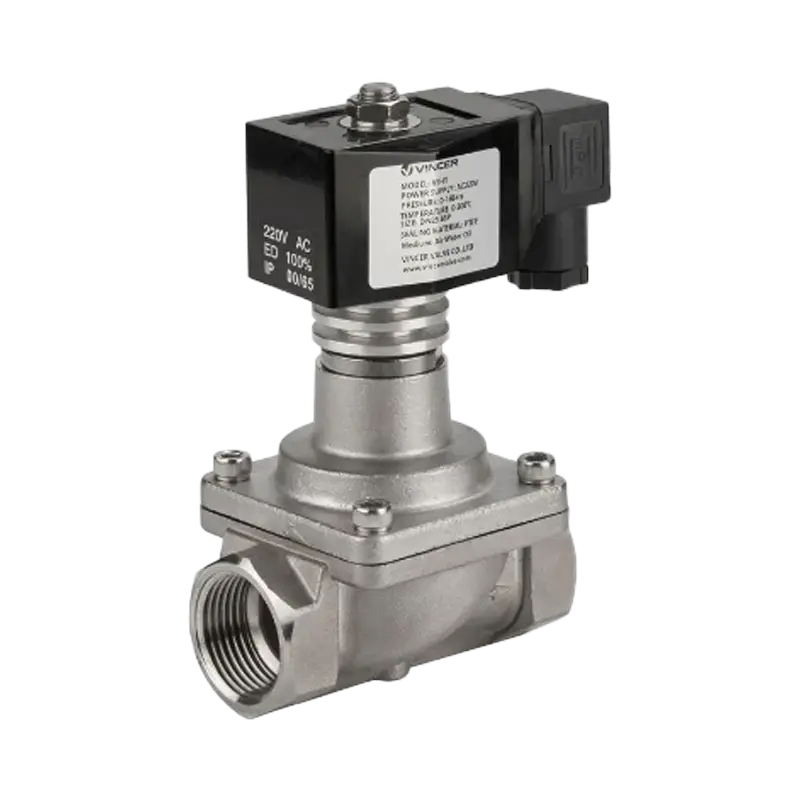
Virtauksen säätömekanismin valinta ei ole mikään makukysymys, vaan kyseessä on tiukka rajoitetun optimoinnin peli. Pallo- ja läppäventtiilin välinen valinta on klassinen kompromissi teollisen virtausdynamiikan monimutkaisessa maailmassa tarkkuuden, energiansäästön ja kustannusten välillä. Vaikka muita venttiilityyppejä, kuten luistiventtiilejä tai tavallisia palloventtiilejä, käytetään eristämiseen tai nopeaan sulkemiseen, pallo- ja läppäventtiilien rakenteiden vertailu on edelleen edistyneen prosessiohjauksen ytimessä. Kun eri alojen insinöörit ja hankinta-asiantuntijat pyrkivät löytämään tasapainon järjestelmän eheyden ja käyttöiän välillä, näiden kahden erilaisen rakenteen rakenteelliset erityispiirteet ja suorituskykyindikaattorit nousevat tärkeimmiksi tekijöiksi. Jotta päätös voidaan tehdä tietoon perustuen, on syytä syventyä asiaan ja tarkastella tällaisten venttiilityyppien vuorovaikutusta modernin laitoksen erityisten järjestelmävaatimusten kanssa. Tämä keskustelu on selkeä etenemissuunnitelma kyseiseen päätöksentekoprosessiin nykyaikaisissa putkistoissa.
Mikä on palloventtiili?
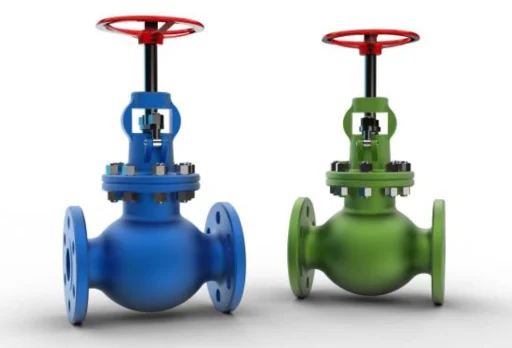
A palloventtiili on lineaarisesti liikkuva, moottorikäyttöinen laite, jota käytetään pääasiassa nesteen virtauksen estämiseen, avaamiseen ja säätämiseen. Se on saanut nimensä venttiilin pallomaisen rungon mukaan, mutta nykyaikaiset mallit on yleensä mukautettu sopimaan erilaisiin teollisiin prosesseihin. Sisäosina on liikkuva tulppa (tai levy) ja kiinteä rengasistukka, jotka sijaitsevat enemmän tai vähemmän pallomaisessa rungossa. Palloventtiilin virtaussuunta on S-muotoinen, mikä edellyttää virtaussuunnan kääntymistä ja mahdollistaa erinomaiset kuristusominaisuudet. Venttiili tarjoaa erittäin ennustettavan ja toistettavan virtauksen säätelyn säätämällä tulpan ja istukan välistä etäisyyttä erittäin tarkasti, ja se on teollisuuden standardi tarkassa säätelyssä korkeapaineisissa sovelluksissa.
Mikä on läppäventtiili?
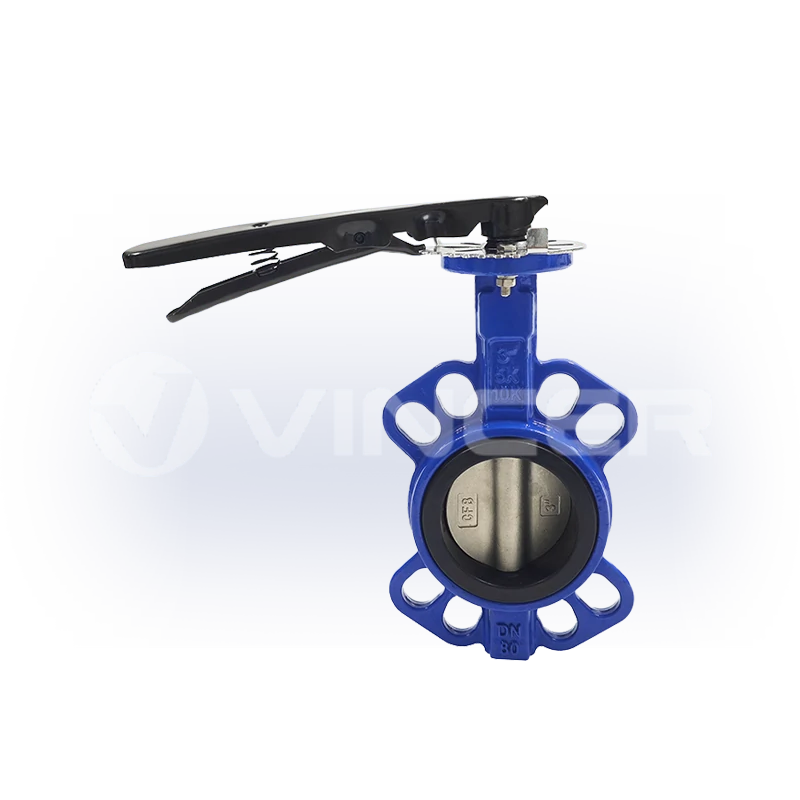
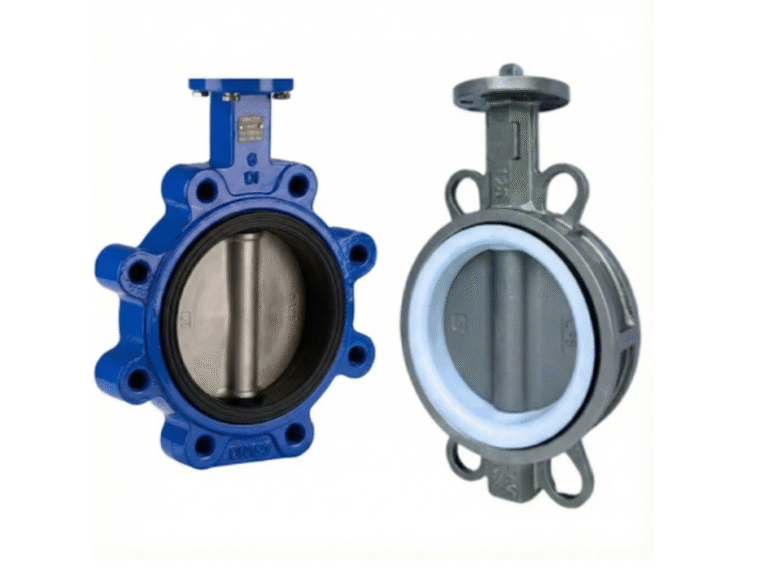
Se läppäventtiili on neljänneskierroksen pyörivä venttiili, jonka ytimenä toimii putken keskelle sijoitettu pyöreä levy. Tämä levy on kiinnitetty tankoon, joka ulottuu venttiilin rungosta toimilaitteeseen tai kahvaan. Levy käännetään suljetussa asennossa tukkiakseen kanavan kokonaan ja täysin auki-asennossa, jolloin kanava on lähes esteetön. Sen pieni kiekko- tai korvamainen muoto mahdollistaa asennuksen ahtaisiin tiloihin, joissa muiden venttiilityyppien käyttö olisi hankalaa. Nykyaikaisia teollisia läppäventtiilejä arvostetaan niiden yksinkertaisen rakenteen, keveyden ja nopean toiminnan vuoksi.
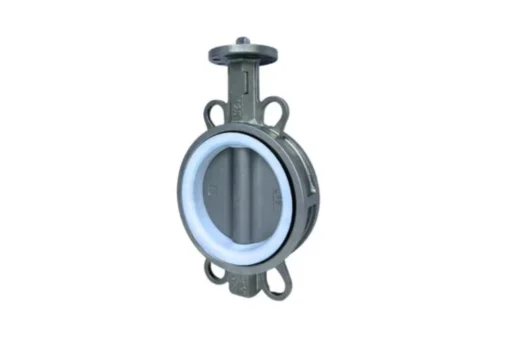
Mekaanisen suunnittelun erot: lineaarinen liike vs. pyörivä liike
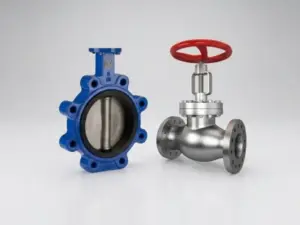
Maailmanventtiilin ja läppäventtiilin välisen eron mekaaninen selitys perustuu näiden kahden venttiilityypin perusliikeprofiileihin. Se palloventtiili käyttää lineaarista liiknejärjestelmää. Venttiilin toimivuuden aikaansaamiseksi varren on työnnettävä tulppa pystysuoraan istukkaa kohti tai siitä poispäin. Tämä liike toteutetaan yleensä monikierroksisella kierteisellä varrella, joka tarjoaa suuren mekaanisen vipuvoiman. Tämän rakenteen ansiosta käyttäjä – tai toimilaitteisto – voi säätää virtausaukkoa erittäin tarkasti. Globe-venttiili on tarkka portinvartija, joka laskee jokaisen pisaran kuin jalokivikauppias vaa'allaan. Tämä tarkkuus tapahtuu kuitenkin nopeuden kustannuksella; lineaarinen matka, jonka venttiilin on kuljettava avautuakseen tai sulkeutuakseen, on paljon pidempi kuin pyörivien vaihtoehtojen kulkema matka. Lisäksi venttiilin päiden on oltava riittävän vahvat kestääkseen lineaarisen työntövoiman. läppäventtiili, toimii sen sijaan pyörimisperiaatteella. Levyn 90 asteen kierto mahdollistaa nopean siirtymisen täydellisestä sulkemisesta täyteen virtaukseen, mikä täyttää aikasidonnaisten kemiallisten reaktioiden nopean toiminnan vaatimukset. Tämä pyörivä liike vaatii useimmissa matalapainesovelluksissa vähemmän vääntömomenttia kuin suuriin palloventtiilien sulkukappaleisiin kohdistuva nostovoima. Perhosventtiili on mekaanisesti huomattavasti pienempi. Koska levy on edelleen virtausreitillä, kun venttiili on auki, venttiilirungon kasvojen välinen mitta on pieni. Tämän vuoksi läppäventtiili on paljon kevyempi – yleensä 70 prosenttia kevyempi kuin saman nimellishalkaisijan omaava palloventtiili. Kun putkistoa verrataan teolliseen anatomiaan, läppäventtiili on verenkiertojärjestelmän nopeasti liikkuva lihas, jota ei ole tarkoitettu mikroskooppisen tarkkaan säätämiseen, vaan tehokkaaseen toimintaan suurilla virtaamilla. Lisäksi varren tiivistysmekanismit ovat erilaiset. Palloventtiileissä käytetään tyypillisesti nousevaa vartta, joka voi olla altis kulumiselle tuhansien syklien jälkeen, mutta nykyiset paljetiivisteet ovat vähentäneet vuotoriskiä. Läppäventtiilit toimivat pyörivällä varrella, jolla on korkean suorituskyvyn kolmoisoffset-malleissa käytännössä nolla kitkaa istukkaa vastaan sulkeutumisen viimeiseen hetkeen asti, mikä pidentää huomattavasti tiivistyspintojen käyttöikää.
Suorituskykyvertailu: Painehäviö ja kuristamisominaisuudet
Venttiilin toiminnallista suorituskykyä mitataan parhaiten sen vaikutuksesta sen sisältämään nesteeseen. Tässä tapauksessa palloventtiilin “S”-muotoinen virtausreitti ja läppäventtiilin “suora” virtausreitti tuottavat hyvin erilaiset hydrauliset profiilit.
Painehäviö ja pitkän aikavälin energiatehokkuus
Mikä tahansa liike nesteen suuntaan johtaa kineettisen energian menetykseen, joka ilmenee painehäviönä (ΔP). Palloventtiilissä neste joutuu kiertymään 90 astetta päästäkseen istukka-alueelle ja 90 astetta päästäkseen sieltä pois. Fysiikan lakien mukainen kitkavoima, joka kohdistuu nesteen kulkuun jokaisessa käännöksessä, kutsutaan painehäviöksi. Vaikka juuri tämä turbulenssi mahdollistaa tarkan virtauksen säätelyn, se aiheuttaa pysyvää energianhukkaa järjestelmässä. Sähköenergia, jota tarvitaan pumppujen käyttämiseen useiden palloventtiilien aiheuttaman vastuksen voittamiseksi, voi olla merkittävä määrä kymmenen vuoden käyttöajan aikana. Sen sijaan läppäventtiilillä on korkea virtauskerroin (Cv). Virtausta estää täysin auki-asennossa vain levyn ohut profiili. Tämä vähentää painehäviötä merkittävästi, ja läppäventtiili on parempi vaihtoehto suurissa vedenjakelu- tai jäähdytysjärjestelmissä, joissa energiansäästö on keskeinen KPI (Key Performance Indicator). Läppäventtiilin energiankulutusprofiili on lähes vertaansa vailla suurivolyymisissä, matalapaineisissa sovelluksissa.
Tiiviyden luotettavuus: Kuplatiivis vs. kolminkertainen offset
Globe-venttiilillä oli aiemmin monopoli kuplatiiviissä sulkemisessa. Koska tulppa painuu suoraan ja lujasti istukkaa vasten, se muodostaa vahvan tiivisteen, joka kestää suuria paine-eroja ilman vuotamista. Tämän vuoksi globe-venttiili on ensisijainen valinta kriittisiin sulkukohteisiin höyryputkistoissa tai haihtuvien kemikaalien käsittelyssä. Triple Offset Butterfly Valve (TOV) -venttiilin kehittäminen on kuitenkin kaventanut tätä eroa. Levy liukuu istukkaan kuin nokka hyödyntämällä geometriaa, jossa varsi ei ole keskitetty levyn ja istukan keskipisteeseen, jolloin levy ja varsi eivät hankaa tai liu’u toisiaan vasten kuten perinteisissä samankeskisissä läppäventtiileissä. Nykyaikaiset läppäventtiilit pystyvät saavuttamaan samat korkeat vuotoluokat (kuten API 598 tai ANSI-luokka VI) kuin palloventtiilit, jopa korkean lämpötilan tai korkean paineen sovelluksissa, jotka aiemmin olivat lineaariventtiilien yksinoikeutta.
Kattava vertailu: palloventtiili vs. läppäventtiili
| Ominaisuus / Parametri | Palloventtiili | Läppäventtiili |
| Liiketyyppi | Lineaariliike (ylös ja alas) | Pyörivä liike (neljänneskierros) |
| Säätökapasiteetti | Erinomainen; alan standardi tarkkuuden suhteen | Kohtalainen; Sopii parhaiten karkeaan säätelyyn |
| Painehäviö (Delta P) | Korkea; johtuu “S”-muotoisesta virtausreitistä | Matala; Suora virtausrakenne |
| Virtauskerroin (Cv) | Alhainen | Korkea |
| Tiivistys / Vuodot | Erinomainen (saavuttaa helposti kuplatiiviin tiiviyden) | Hyvä (korkea suorituskyky edellyttää kolminkertaista offsetia) |
| Kasvokkain-ulottuvuus | Pitkä / tilaa vievä | Lyhyt / Kompakti |
| Paino | Raskas (merkittävä suurissa kooissa) | Kevyt (noin 70% kevyempi) |
| Hinta (suuret koot >6″) | Erittäin korkea | Kustannustehokas |
| Asennustila | Tarvitaan paljon tilaa | Tarvittava tila on vähäinen |
| Common Media | Höyry, kaasut, korkeapaineiset nesteet | Vesi, lietteet, ilma, suuria määriä sisältävät nesteet |
| Huolto | Helppo korjata linjassa | Rakenne on yksinkertainen, mutta vaatii täydellisen poiston |
Kustannus- ja ylläpitokustannusten vertailu: Alkuinvestointi vs. elinkaarikustannukset
Venttiilin valinnan taloudellinen näkökulma ei koske pelkästään hankintahintaa, vaan siinä on otettava huomioon myös kokonaiskustannukset (TCO). Alkuinvestointi (CAPEX):Pienemmissä putkikokoissa (pienemmät kuin DN50 tai 2 tuumaa) palloventtiilin ja läppäventtiilin hintaero ei ole merkittävä. Läppäventtiilin kustannustehokkuus korostuu kuitenkin nimellisputkikoon (NPS) kasvaessa. Palloventtiili on kohtuuttoman raskas ja kallis koossa DN150 (6 tuumaa) ja sitä suuremmissa, koska rungon valmistukseen tarvitaan valtava määrä valettua tai taottua metallia. 12 tuuman palloventtiili voi olla kymmenen kertaa painavampi kuin 12 tuuman läppäventtiili, mikä nostaa paitsi venttiilin kustannuksia myös putkistotukien, ripustimien ja asennustyön kustannuksia huomattavasti. Huolto ja Toimintakulut (OPEX):Palloventtiileillä on ainutlaatuinen etu, kun kyse on putkistossa suoritettavasta korjattavuudesta. Suurin osa palloventtiileistä on rakennettu siten, että venttiilin kansi voidaan irrottaa ja istukka sekä tulppa voidaan hioa tai vaihtaa ilman, että koko venttiilin runkoa tarvitsee irrottaa putkistosta. Tämä säästää aikaa laitoksissa, joissa putkistot on hitsattu kiinni. Läppäventtiilit ovat rakenteeltaan yksinkertaisempia, mutta koko venttiili saattaa joutua irrottamaan putkistosta, jos istukka (erityisesti pehmeä istukka) vaurioituu. Siitä huolimatta liikkuvien osien vähäisemmän määrän ja pienemmän kitkan (kolminkertaisessa offset-rakenteessa) ansiosta tarvittavien huoltotoimenpiteiden määrä on yleensä pienempi. Valinta perustuu tässä tapauksessa laitoksen mieltymykseen: halutaanko helposti korjattava (palloventtiili) vai vaikeasti rikkoutuva (perhosventtiili) laite.
Parhaat käyttötapaukset: missä kukin venttiili pääsee oikeuksiinsa
Optimointi edellyttää työkalun sovittamista tehtävään. Palloventtiilit sopivat parhaiten seuraaviin käyttötarkoituksiin:
- Tarkkuus Nopeuden rajoittaminen: Kun virtauksen on oltava tietyssä prosenttiosuudessa (esim. kattilan syöttövesi).
- Korkeapaineinen höyry: Ne soveltuvat höyryjakeluputkistoihin, koska ne sulkeutuvat tiiviisti ja pystyvät toimimaan suurilla paine-eroilla.
- Säännöllinen pyöräily: Järjestelmät, joissa venttiili avataan ja suljetaan kymmeniä kertoja päivässä; palloventtiilin istukan vankka rakenne kestää toistuvan kosketuksen aiheuttamaa kulumista erittäin hyvin.
Perhonen Venttiilit sopivat parhaiten käytettäväksi:
- Suurhalkaisijaiset putkistot: Vedenkäsittely, suolanpoisto ja laajamittaiset jäähdytyskierrot tiloissa, joissa tilaa ja painoa on rajoitetusti.
- Lietteet ja viskoosiset aineet: Läppäventtiilin suora virtaus estää kiintoaineiden kertymisen, joka voisi tukkia palloventtiilin S-muotoisen virtauskanavan.
- Imupuhdistuspalvelu: Jotkut korkean suorituskyvyn perhosventtiilimallit säilyttävät erinomaisesti tiiviyden tyhjiössä.
Valintaopas: Kysymyksiä, jotka kannattaa esittää ennen ostopäätöstä
Viisas insinööri tulisi pohtia viittä tärkeää kysymystä ennen kuin hän päättää järjestelmän toimintatasapainon määrittävistä vaatimuksista:
- Kuinka paljon valvontaa tarvitaan? Jos sovelluksessa virtausta on säädettävä 1%:n virhemarginaalin puitteissa, palloventtiili on välttämätön. Kun venttiilin on tarkoitus olla pääosin auki tai pääosin kiinni, läppäventtiili riittää.
- Mikä on sallittu painehäviö? Johtuuko asia järjestelmän ylipumppauksesta vai onko energiatehokkuus pääasiallinen tekijä? Butterfly-malli on tarkoitettu tilanteisiin, joissa Cv-arvoa koskevat vaatimukset ovat korkeat.
- Mitkä ovat tilan ja painon rajoitukset? 10 tuuman palloventtiilin paino voi olla rakenteellinen ongelma offshore-alustoilla tai alustalle asennetuissa yksiköissä.
- Onko media puhdasta vai “likainen”? Palloventtiilit keräävät roskia sisäosiinsa. Läppäventtiilit puolestaan mahdollistavat suspendoituneiden kiintoaineiden vapaan kulun.
- Onko prosessin automatisointi välttämätöntä? Vaikka molemmat voivat olla automatisoituja, toimilaitteiden vääntömomentti ja kiinnitys vaihtelevat huomattavasti.
Manuaalisesta automaattiseen: ohjauksen optimointi edistyneen toimilaitetekniikan avulla
Teollisuus 4.0 -aikakaudella venttiili on vain niin hyvä kuin sen ohjausjärjestelmä. Tärkein keino laitoksen turvallisuuden ja tuotantokapasiteetin parantamiseksi on manuaalisten käsipyörien korvaaminen automaattisella toimilaitteella. Vaikka palloventtiili tarjoaa hienosäätöön tarvittavan “mekaanisen tarkkuuden”, se vaatii toimilaitetta, jolla on suuri lineaarinen työntövoima. Toisaalta läppäventtiili tarvitsee pyörivän toimilaitteen, joko pneumaattisen tai sähköisen, joka pystyy tuottamaan suuren vääntömomentin erityisesti istukan irtoamishetkellä. Automaatio ei ole pelkkä ylellisyys, vaan se on välttämätöntä vesivasaran välttämiseksi, painehuippujen hallitsemiseksi ja sen varmistamiseksi, että venttiilit siirtyvät hyväksyttävään asentoon sähkökatkon sattuessa. Ainoa ratkaisu venttiilisuunnittelun teoreettisen suorituskyvyn saavuttamiseksi kenttäolosuhteissa on integroida korkealaatuinen venttiili tarkasti sovitettuun toimilaitteeseen.
Miksi valita Vincer virtauksen automatisointitarpeisiisi?
Me Vincerillä hylkäämme ajatuksen, että venttiili ja sen toimilaite olisivat erillisiä osia; sen sijaan suunnittelemme ne yhtenäiseksi, korkean suorituskyvyn järjestelmäksi. Vuonna 2010 perustettuna yrityksenä tuomme yli 15 vuoden erikoistuneen automaatio-osaamisen maailman kriittisimpiin nesteympäristöihin ja varmistamme, että projektisi perustuu varmuuteen eikä arvailuun. Miksi prosalaitosten johtajat valitsevat Vincerin automaatiotarpeisiinsa:
- Alalla todistettu luotettavuus: Tarjoamme älykkäitä nesteenkäsittelyratkaisuja vedenkäsittely-, petrokemian- ja uusiutuvan energian aloilla hyödyntäen yli 15 vuoden aikana kenttätestattuja tietoja monimutkaisten virtausongelmien ratkaisemiseksi.
- Tiukka Laadunvarmistus: Teknikkomme suorittavat perusteelliset paine-, tiiviys- ja käyttöiän testit, joiden hyväksymisaste on yli 95%, ja varmistavat, että jokainen laite ylittää turvallisuusstandardit ennen kuin se lähtee tehtaaltamme.
- Räätälöity tekninen joustavuus: Erikoismateriaalien metallurgiasta paine- ja ohjausmoodien räätälöityihin kokoonpanoihin – sovitamme venttiilimme juuri asiakkaan käyttämien väliaineiden ja ympäristöolosuhteiden vaatimuksiin.
- Integroitu tekninen tuki: Asiantuntijatiimimme poistaa “yhteensopivuusongelman” tarjoamalla tehtaalla kalibroituja kokoonpanoja ja kattavaa teknistä tukea, mikä takaa saumattoman integroinnin olemassa olevaan infrastruktuuriinne.
Johtopäätös
Keskustelussa palloventtiilin ja läppäventtiilin välillä ei ole yhtä yleispätevää voittajaa, vaan ratkaisu riippuu tilanteesta. Palloventtiili on kiistaton mestari tarkkuudessa ja korkean paineen kestävyydessä, kun taas läppäventtiili on mestari tehokkuudessa, taloudellisuudessa ja tilaa säästävässä rakenteessa. Menestyvä insinööri on se, joka tunnistaa järjestelmänsä tärkeimmän rajoitteen – olipa kyseessä sitten energiahäviö, asennuksen paino tai säätötarkkuus – ja valitsee ratkaisun, joka vastaa kyseistä rajoitetta mahdollisimman pienillä kompromisseilla. Kun tunnet nämä tekniset kompromissit ja hyödynnät edistyneen automaation vahvuuksia, voit olla varma, että infrastruktuurisi on kestävä ja kustannustehokas vuosikymmenien ajan.