Järjestelmän suorituskyky riippuu usein teollisuuden automaatio- ja ohjausjärjestelmien monimutkaisen rakenteen pienimmistäkin osista. Toimilaitevalinta, eli päätös siitä, käytetäänkö magneettiventtiilejä vai pneumaattisia venttiilejä, on yksi insinöörien ja järjestelmäsuunnittelijoiden tärkeimmistä päätöksistä. Kyseessä ei ole pelkästään mekaaninen mieltymysvalinta, vaan strateginen optimointiongelma, jonka muuttujia ovat muun muassa vasteaika, voiman vaatimukset, ympäristörajoitukset ja pitkän aikavälin taloudellinen kannattavuus. Järjestelmän luotettavuuden ja toiminnallisen tasapainon saavuttamiseksi on välttämätöntä tuntea molempien vaihtoehtojen hienovaraiset tekniset yksityiskohdat.
Mikä on solenoidiventtiili?
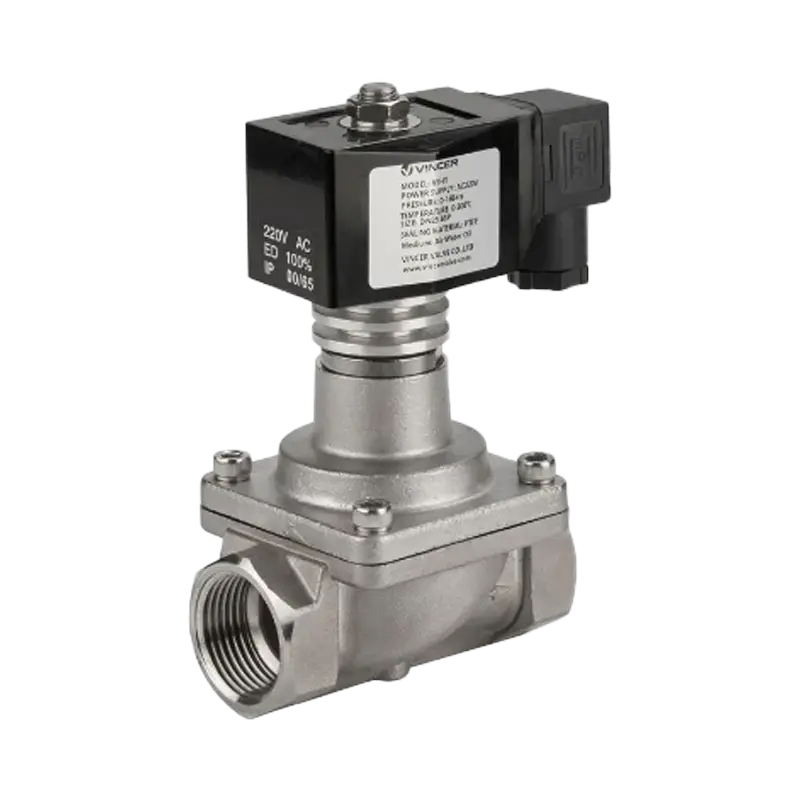
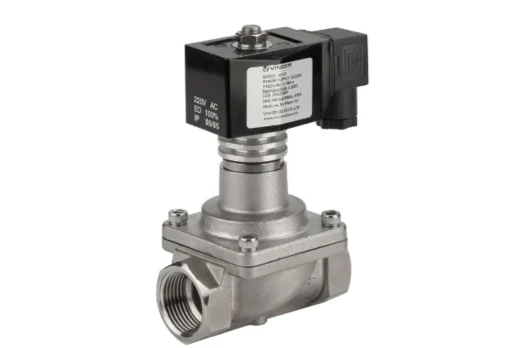
A magneettiventtiili on sähkömekaaninen laite, jota käytetään nesteen tai kaasun virtauksen säätämiseen. Se on pohjimmiltaan sähkökäämi, jonka keskellä on ferromagneettinen mäntä (tai mäntä). Kun sähkövirta kulkee käämin läpi, se luo magneettikentän, joka kohdistaa voiman mäntään ja liikuttaa sitä avaamaan tai sulkemaan venttiilin rungossa olevan aukon. Tämä sähköenergian suora muuntaminen mekaaniseksi liikkeeksi mahdollistaa välittömän ohjauksen ilman välittäviä hydrauliikkajärjestelmiä, ja se on yleistä tarkkuutta vaativissa, pienistä keskisuuriin virtauksiin tarkoitetuissa sovelluksissa, joissa varmistetaan, että venttiili palaa tehokkaasti alkuperäiseen asentoonsa.
Mikä on paineilma-venttiili?
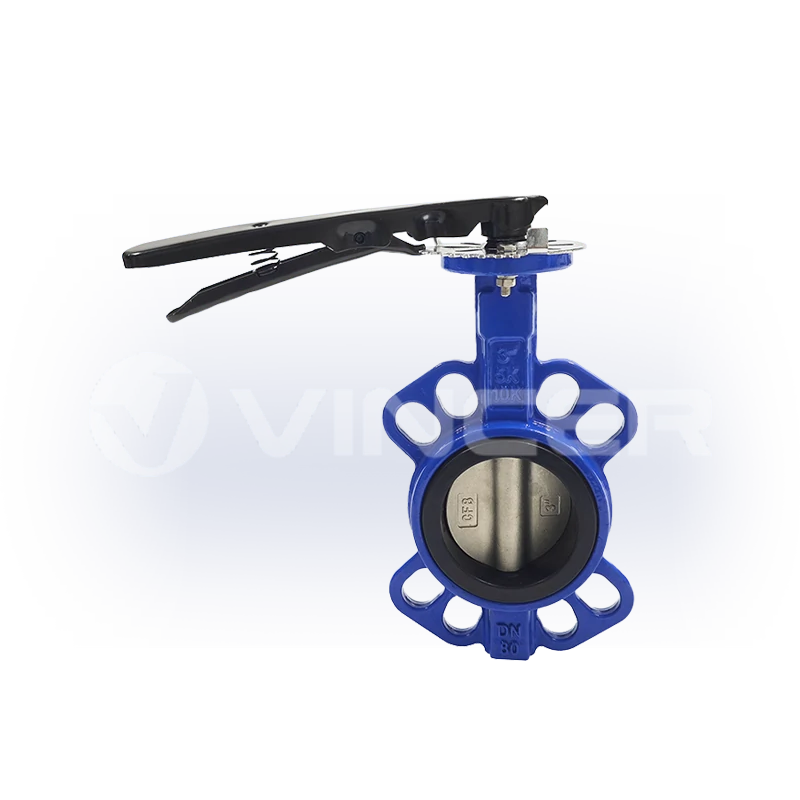
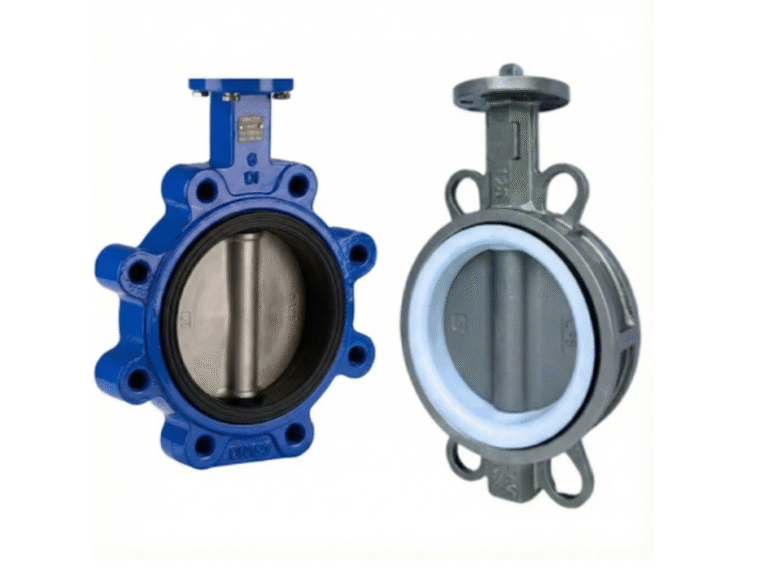
A pneumaattinen venttiili, päinvastoin, hyödyntää paineilman potentiaalienergiaa väliaineen virtauksen säätämiseen. Näitä venttiilejä ohjataan yleensä pneumaattisella toimilaitteella – yleensä männällä tai joustavalla kalvolla – sähkömagneettisen kelan sijaan, ja ne reagoivat paine-eroihin. Kun paineilmaa ruiskutetaan toimilaitekammioon, se voittaa jousipalautusmekanismin tai toissijaisen ilmasignaalin ja saa venttiilin sisäisen varren liikkeelle. Koska pneumaattiset venttiilit eivät perustu suoraan sähkömagneettisuuteen vaan nestevoimaan, ne pystyvät tuottamaan huomattavasti suuremman mekaanisen voiman ja ovat siksi ensisijainen valinta teollisuusympäristöissä, joissa vaaditaan suurta kuormituskestävyyttä.
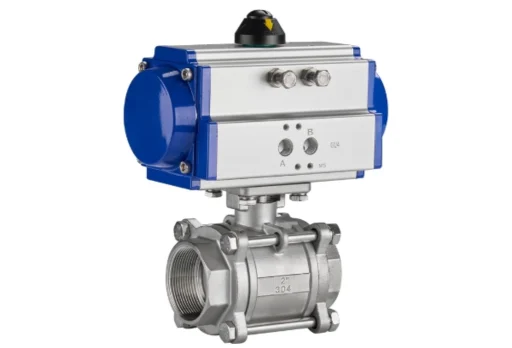
Perusperiaatteet: solenoidi- ja pneumaattisten käyttölaitteiden toiminta
Näiden kahden järjestelmän suorituskyvyn ero voidaan selittää vain tarkastelemalla niiden toiminnan taustalla olevaa fysiikkaa. Magneettiventtiili on binäärinen nestelogiikkaportti; se on nesteen tai kaasun valokytkin, joka ohjaa myös veden virtausta. Tämän yksinkertaisuuden takana piilee kuitenkin sähkömagneettisen magneettivuon ja jousijännityksen monimutkainen vuorovaikutus. Suoravaikutteisessa magneettiventtiilissä käämin on tuotettava 100 prosenttia siitä voimasta, joka tarvitaan venttiilin avaamiseen väliaineen paineesta huolimatta. Insinöörit käyttävät yleisesti esiohjattuja malleja, jotta voidaan käsitellä suurempia paineita tai suurempia aukkoja ilman valtavia käämejä. Tässä tapauksessa solenoidi toimii pienoiskooisena “portinvartijana”, joka avaa pienen ohitusreiän, ja väliaineen oma paine auttaa siirtämään pääkalvoa. Pneumaattiset venttiilit toimivat toisella mekaanisen vipuvoiman tasolla. Paine × pinta-ala on riippuvainen käyttömekanismista. Pneumaattinen venttiili voi vahvistaa tyypillisen 6 barin paineilmasignaalin tuhansiin paunavoimiin lisäämällä sisäisen männän tai kalvon pinta-alaa. Tämä mahdollistaa suurihalkaisijaisten palloventtiilien tai läppäventtiilien käytön, jotka muuten vaatisivat kohtuuttoman suuria sähkökäämejä, jos niitä käytettäisiin pelkästään solenoidin avulla. Lisäksi pneumaattisissa järjestelmissä käytetään usein “hybridirakennetta”, eli solenoidiohjattua pneumaattista venttiiliä, jossa pientä sähköistä signaalia käytetään ohjaamaan ilmansyöttöä, joka puolestaan käyttää voimakasta pneumaattista toimilaitetta. Suurin osa nykyaikaisista kokoonpanolinjoista perustuu tähän sähköisen ohjauksen ja pneumaattisen voiman yhdistelmään.
Suorituskyvyn vertailu: nopeus, tarkkuus ja teho
Toimilaitteen suorituskykyprofiili määrittyy sen kyvyn perusteella muuntaa ohjaussignaali fyysiseksi liikkeeksi kuormituksen alaisena, erityisesti pääventtiiliin liittyvissä sovelluksissa. Tässä tapauksessa solenoidi- ja pneumaattisten järjestelmien väliset kompromissit eroavat toisistaan matemaattisesti.
Vasteaika ja syklien taajuus
Aikatarkkuuden kiistattomat mestarit ovat magneettiventtiilit. Koska elektronien nopeus on huomattavasti suurempi kuin putkessa puristuvien ja liikkuvien ilmamolekyylien nopeus, magneettiventtiili voi kytkeytyä 5–30 millisekunnin kuluessa. Tämä tekee niistä välttämättömiä sovelluksissa, joissa vaaditaan suuria kytkentätaajuuksia, kuten nopeassa lajittelussa, mustesuihkutulostuksessa tai lääketieteellisissä laboratoriolaitteissa. Pneumaattisten venttiilien toimintaa rajoittavat puolestaan ilman puristuvuuden fysiikka sekä ilmalähteen ja toimilaitteen välinen etäisyys. Pneumaattisen venttiilin kytkentä voi kestää 50–500 millisekuntia, mikä on merkityksetöntä vedenkäsittelylaitoksessa, mutta katastrofaalista nopealla pullotuslinjalla.
Voima, vääntömomentti ja venttiilien mitoituskyky
Solenoidiventtiilit ovat nopeampia, mutta niiden teho pienenee suhteessa kokoon. Ainoa tapa lisätä solenoidiventtiilin tehoa on lisätä käämien kierroksia tai virtaa, mikä tuottaa lämpöä ja kasvattaa venttiilin fyysistä kokoa. Siksi solenoidiventtiilejä ei yleensä käytetä korkeapaineisissa sovelluksissa, joissa putken halkaisija on yli 2 tuumaa. Pneumaattisten venttiilien koko on suhteellisen pieni. Venttiiliin voidaan asentaa suurempi pneumaattinen toimilaite ilman, että ohjaussignaalin energiankulutus kasvaa. Tämän ansiosta pneumaattiset järjestelmät pystyvät ohjaamaan raskaita, suurivääntöisiä venttiilejä öljy- ja kaasuteollisuudessa tai kemian prosessiteollisuudessa, joissa väliaineet voivat olla viskooseja tai paine erittäin korkea.
| Ominaisuus / Ulottuvuus | Magneettiventtiili | Pneumaattinen venttiili |
| Virtalähde | Sähkö (vaihtovirta/tasavirta) | Paineilma (tyypillisesti 4–8 bar) |
| Energian muuntaminen | Sähkömagneettisen energian suora muuntaminen mekaaniseksi energiaksi. | Nesteen paineenergian muuntaminen mekaaniseksi energiaksi. |
| Yleiset reikäkoot | Pienikaliiperinen (yleensä < 2″) | Keskikokoiset ja suuret putket (enintään 24″ tai suuremmat) |
| Tyypillinen rakenne | Kela + mäntä/kalvo | Toimilaite + venttiilirunko (pallo-, läppä- jne.) |
| Vasteaika | Erittäin nopea (5–30 ms) | Kohtalainen (50–500 ms) |
| Lähtövoima | Pieni; rajoittuu käämin fyysisiin mittoihin. | Suuri; voimaa voidaan vahvistaa lisäämällä toimilaitteen pinta-alaa. |
Ympäristökelpoisuus ja käyttöturvallisuus eroavat toisistaan
Suorituskykyvaatimukset eivät aina ole yhtä tärkeitä kuin se ympäristö, jossa venttiiliä käytetään, kun valitaan sen käyttömekanismia. Sähköisen kipinän vaara on ensisijainen huomioitava seikka vaarallisilla alueilla, kuten jalostamoissa tai viljasiiloissa, joissa on syttyvää pölyä tai höyryä. Tällaisissa ympäristöissä magneettiventtiilin on oltava räjähdyssuojatussa (NEMA 7 tai 9) kotelossa, mikä lisää painoa ja kustannuksia huomattavasti. Pneumaattiset venttiilit ovat luonnostaan turvallisia. Ne eivät käytä sähköä, joten käyttöpaikalla ei ole sähköisiä osia, jotka voisivat aiheuttaa räjähdyksen. Lisäksi pneumaattiset toimilaitteet kestävät erittäin hyvin äärilämpötiloja. Magneettiventtiilissä on sähkökäämi, jonka tehokkuus heikkenee kuumentuessaan ja joka voi lopulta palaa läpi, jos ympäristön lämpötila on liian korkea. Pneumaattista sylinteriä voidaan kuitenkin käyttää kuumissa tai kylmissä ympäristöissä, kunhan ilmansyöttö on kuivattu ja suodatettu sisäisen jäätymisen tai voiteluaineen hajoamisen estämiseksi.
Huolto ja käyttöikä: Sähköinen väsyminen vs. mekaaninen kuluminen
Venttiilin vikatilat määräävät sen käyttöiän. Magneettiventtiilin tapauksessa sähköinen väsyminen on suurin uhka. Kuparikäämien lämpölaajeneminen ja -kutistuminen, joka toistuu miljoonien syklien ajan, voi aiheuttaa eristyksen pettämisen ja oikosulkuja. Koska magneetti on usein tiivistetty, modulaarinen komponentti, huoltotarve on yleensä vähäinen mutta reaktiivista; sen tarkoituksena on ylläpitää tehon vakautta ja ylävirran suodatusta hiukkasten pääsyn estämiseksi. Lisäksi, koska mäntä on usein suorassa kosketuksessa väliaineen kanssa, hiukkaset voivat aiheuttaa männän jumittumisen, mikä johtaa käämin ylikuumenemiseen, kun laite ottaa liikaa virtaa kitkan voittamiseksi. Vian sattuessa modulaarisen käämin välitön vaihto on vakiintunut huoltomenettely, koska näitä osia on harvoin suunniteltu korjattaviksi kenttäolosuhteissa. Pneumaattiset venttiilit ovat alttiita mekaaniselle kulumiselle. Pneumaattisen toimilaitteen O-renkaat, tiivisteet ja kalvot ovat alttiita kitkalle ja siitä johtuvalle kulumiselle. Tämän vuoksi pneumaattiset järjestelmät vaativat ennakoivaa huolto-ohjelmaa, jossa keskitytään ilmanlaadun hallintaan, eli suodattimien, säätimien ja voitelulaitteiden (FRL-yksiköiden) säännölliseen tarkastukseen, jotta vältetään tiivisteiden kuivuminen ja varmistetaan optimaalinen virtausnopeuden hallinta. Nämä osat ovat kuitenkin yleensä yksinkertaisempia ja edullisempia vaihtaa kuin räätälöity magneettikelan käämitys. Pneumaattinen toimilaite voi helposti ylittää 10 miljoonaa käyttöjaksoa, kun laitoksen ilmansyöttö on puhdasta ja kuivaa. Pneumaattisen venttiilin vikaantuminen on yleensä hitaasti etenevää, eli kyseessä on hidas ilmavuoto, jota voidaan seurata ja korjata, mutta solenoidin vikaantuminen on yleensä äkillistä ja joko-tai-tyyppistä. Tämän ansiosta teknikot voivat käyttää edullisia korjaussarjoja tiivisteiden uusimiseen suunniteltujen seisokkien aikana, mikä pidentää laitteiston käyttöikää ilman tarvetta vaihtaa koko venttiilikokoonpanoa.
Kokonaiskustannusten (TCO) vertailu: Enemmän kuin pelkkä hankintahinta
Solenoidi- ja pneumaattisten venttiilien järkevässä taloudellisessa vertailussa ei tulisi keskittyä pelkästään hankintakustannuksiin. Solenoidiventtiilien “järjestelmän investointikustannukset” ovat alhaisemmat, koska ne eivät vaadi ilmakompressoria, paineensäätimiä tai pneumaattisia letkuja. Ne kytketään vain olemassa olevaan sähköverkkoon. Tämä tekee niistä erittäin taloudellisia erillisissä asennuksissa tai pienikokoisissa koneissa. Koko laitoksen tasolla pneumaattiset venttiilit voivat kuitenkin tarjota alhaisemmat kokonaiskustannukset (TCO). Vaikka paineilman tuotanto on kallista ja tehotonta (sitä pidetään myös tehtaan kalleimpana apulaitteena), yksittäinen pneumaattinen venttiili on erittäin kestävä ja suurikokoisina yksikkökohtaisesti edullisempi. Lisäksi järjestelmässä, jossa on satoja venttiilejä, kyky keskittää paineilman tuotanto ja käyttää edullisia paineilmaletkuja kalliiden, panssaroitujen sähkökaapeleiden sijaan jokaisessa yksittäisessä venttiilissä voi tuoda suuria säästöjä asennuksessa ja pitkän aikavälin kunnossapidossa. Myös seisokkien kustannukset on otettava huomioon; pneumaattisen tiivisteen “hiljainen kuluminen” voi tulla halvemmaksi kuin palaneen solenoidikäämin aiheuttama “äkillinen pysähtyminen”.
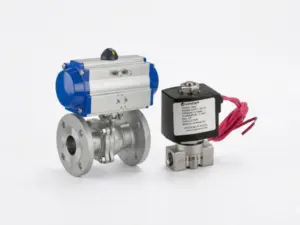
Vaiheittainen valintamalli oikean venttiilin valitsemiseksi
Insinöörien on käytettävä järjestelmällistä päätöksentekomatriisia voittaakseen automaatiovirtauksen dilemman:
- Tutki mediaa ja Putki Koko: Tarkastele siirtoaineen ominaisuuksia ja putkiston fyysistä kokoa. Pneumaattiset venttiilit ovat ensisijainen valinta, kun putkien halkaisijat ovat yli 2 tuumaa tai siirtoaine on erittäin viskoosista, koska niillä on parempi mekaaninen vääntömomentti. Toisaalta, kun kyseessä ovat pienihalkaisijaiset putket, joissa virtaa puhdasta ja matalaviskoosista nestettä, magneettiventtiilin suora ohjaus voi olla tehokkaampaa.
- Määritä Vastausaika: Mittaa automaatioketjussasi tarvittava vasteaika. Kun sovelluksessa vaaditaan millisekunnin tarkkuutta tai synkronoitua nopeaa kytkentää, magneettiventtiili on ainoa mahdollinen valinta. Vaikka pneumaattiset järjestelmät ovat tehokkaita, niissä esiintyy luontaisia viiveitä, jotka johtuvat ilman puristuvuudesta ja paineen siirtymiseen jakeluputkistoissa kuluvaan aikaan.
- Arvioi teho Lähde: Tarkista asennuspaikalla käytettävissä olevat virtalähteet ja infrastruktuuri. Jos paineilmaverkosto on jo olemassa, pneumaattisten venttiilien integrointi on erittäin edullista. Sen sijaan paikoissa, joissa sähkövirta on ainoa vaihtoehto, magneettiventtiilit ovat järkevämpi ratkaisu, koska kompressorin asentaminen vain muutaman venttiilin tarpeisiin aiheuttaa korkeat investointikustannukset.
- Arvioi Ympäristö: Arvioi käyttöympäristön ilmasto-olosuhteet ja turvallisuusvaatimukset. Pneumaattiset venttiilit ovat kestävämpiä pesualueilla, räjähdysvaarallisilla alueilla tai äärimmäisissä lämpötiloissa. Niiden ilmapuhallusperiaatteella toimiva rakenne on luonnostaan turvallinen, ja ne ovat vähemmän alttiita sähköeristysvioille, joita voi ilmetä solenoidikäämeissä kosteuden tai korkeiden lämpötilojen vaikutuksesta.
- Määritä pyöräilyn tiheys: Määritä odotettu kytkentätaajuus ja mekaanisen kuormituksen voimakkuus. Laadukas magneettiventtiili tarjoaa nopean ja toistettavan toiminnan jatkuvassa, nopeatempoisessa kytkentäkäytössä, jossa lämmön haihtumista voidaan hallita. Pneumaattiset järjestelmät sopivat paremmin sovelluksiin, joissa kytkentä tapahtuu harvoin mutta vaatii suurta voimaa, sillä niissä ei ole pitkäaikaisen sähkökäytön aiheuttaman lämpöväsymyksen riskiä.
- Ota huomioon tila- ja painorajoitukset: Ota huomioon toimilaitekokoonpanon tilantarve ja painorajoitukset. Solenoidiventtiilien pieni koko ja keveys tekevät niistä sopivia tiheästi asennettaviin jakoputkistoihin, joissa tilaa on rajoitetusti. Sen sijaan pneumaattiset toimilaitteet, erityisesti ne, jotka on suunniteltu toimimaan suurella vääntömomentilla, voivat tarvita runsaasti tilaa ja erityistä rakenteellista tukea laitteen kotelossa toimiakseen kunnolla.
- Tarkista sertifikaatit ja säännösten noudattaminen: Varmista, että valittu komponentti täyttää kaikki alan vaaditut sääntely- ja turvallisuusvaatimukset. Tarvitsetko projektillesi SIL-luokituksia (Safety Integrity Level) toiminnallisen turvallisuuden varmistamiseksi, ATEX-sertifiointia räjähdysvaarallisissa ympäristöissä vai FDA-vaatimusten mukaisia materiaaleja elintarviketeollisuudessa? Tarkista tarvittavat kolmannen osapuolen sertifikaatit. Tällaiset varmennukset ovat välttämättömiä lakisääteisten vaatimusten noudattamisen ja teollisen toiminnan pitkäaikaisen turvallisuuden varmistamiseksi.
- Arvioi toimittajan teknistä osaamista ja tukea: Tutki valmistajan teknisiä osaamisalueita ja sen kykyä tarjota pitkäaikaista elinkaaritukea. Venttiilin valinta on investointi tekniseen toimitusketjuun; ota huomioon toimittajan kyky tarjota teknistä neuvontaa, tuotteiden räätälöintiä ja myynninjälkeistä palvelua. Erinomainen kumppani tarjoaa vianmääritystietoa ja varaosia, joita tarvitaan MTTR-ajan lyhentämiseen ja järjestelmän yleisen skaalautuvuuden takaamiseen.
Miksi kannattaa valita Vincer kumppaniksi automaatioprosessien haasteiden ratkaisemiseksi?
Oikean venttiilin valinta on pohjimmiltaan riskienhallintaa. Kohdassa Vincer, tiedostamme, että ero operatiivisen huippuosaamisen ja huoltokatastrofin välillä piilee teknisessä ennakointikyvyssä. Sekä sähkömagneettisten että nestekäyttöisten järjestelmien erikoistuneena valmistajana tarjoamme integroituja ratkaisuja pelkkien laitteiden sijaan. Tekninen osaamisemme on sovitettu vastaamaan suolanpoiston, jätevedenkäsittelyn ja uusiutuvan energian tiukkoja vaatimuksia. Asetamme asiakkaan menestyksen etusijalle omistautuneen tukirakenteen ja kattavan kahdeksanulotteisen analyysikehyksen avulla – arvioimme järjestelmällisesti väliaineita, lämpötilaa, painetta, liitäntästandardeja ja toimialakohtaisia ominaisuuksia täydellisen yhteensopivuuden varmistamiseksi. Tätä tarkkuuteen perustuvaa lähestymistapaa vahvistavat kansainväliset sertifikaatit, kuten ISO 9001, CE, SIL ja FDA, jotka takaavat, että tuotteemme täyttävät tiukimmatkin sääntely- ja turvallisuusvaatimukset. Kumppanuudella Vincerin kanssa saat käyttöösi suunnitteluasiantuntijan, joka pystyy yhdistämään sähköisen nopeuden ja pneumaattisen tehon. Varmistamme, että automaatiojärjestelmäsi pysyy täydellisessä toiminnallisessa tasapainossa, lieventäen “virtausdilemmaa” ja optimoiden samalla infrastruktuurisi pitkän aikavälin luotettavuuden ja kokonaiskustannustehokkuuden kannalta.
Johtopäätös
Solenoidi- ja pneumaattisten venttiilien välinen keskustelu ei tuota yhtä ainoaa voittajaa, vaan se korostaa tarvetta sovittaa tekniikka tehtävään. Solenoidiventtiilit tarjoavat digitaalisen valmistusajan edellyttämää kirurgista tarkkuutta ja nopeaa reagointia, kun taas pneumaattiset venttiilit tarjoavat raskaalle teollisuudelle tarvittavaa vankkaa ja luonnostaan turvallista tehoa varmistaen optimaalisen ilmavirtauksen. Punnitsemalla nopeuden, voiman, ympäristön ja kokonaiskustannusten tekijöitä insinöörit voivat rakentaa järjestelmiä, jotka ovat paitsi toimivia myös tulevaisuuden vaatimukset täyttäviä. Oikean venttiilin valinta on ensimmäinen askel tuottavuuden hallitsemisessa, ja oikeanlaisen toimintakehyksen avulla valinnasta tulee tehokas vipu teollisen menestyksen saavuttamiseksi.