Einleitung
Der Entscheidungsprozess in der komplexen Struktur der industriellen Automatisierung lässt sich auf die Elemente reduzieren, die zwischen digitalen Befehlen und physikalischer Bewegung vermitteln. Der pneumatische Antrieb steht im Mittelpunkt dieser Verbindung. Die Entscheidung für eine einfachwirkende oder doppeltwirkende Ausführung ist nicht nur eine Frage der mechanischen Präferenz, sondern eine strategische Wahl, die die Sicherheit, Zuverlässigkeit und Wirtschaftlichkeit einer gesamten Anlage bestimmt. Der Antrieb ist sozusagen der „Muskel“ der Ventilanlage – ganz gleich, ob Sie eine Hochdruck-Chemikalienleitung oder eine kommunale Wasseraufbereitungsanlage betreiben: Der Antrieb wandelt Druckluft in genau das Drehmoment um, das zur Durchflussregelung erforderlich ist. Dieser Beitrag bietet Ihnen eine detaillierte technische Erörterung dieser beiden wichtigsten Antriebstechniken, damit Sie entscheiden können, welche für Ihre spezifische Infrastruktur am besten geeignet ist.
Was ist ein einfachwirkender Antrieb?
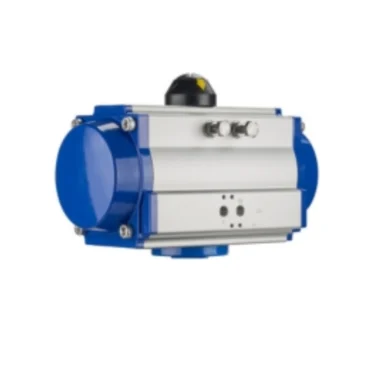
Ein einfachwirkender Antrieb, auch als Federrückstellantrieb bezeichnet, nutzt Druckluft, um das Ventil in eine Richtung zu öffnen, und ein internes Federsystem, um es in die andere Richtung zu schließen. Konstruktionsbedingt verfügt er über einen Lufteinlassanschluss. Der mechanische Widerstand der Feder wird durch den Luftdruck überwunden, um das Ventil zu betätigen. Wird die Luftzufuhr unterbrochen oder eingestellt, bewirkt die in der Feder gespeicherte Energie automatisch, dass der Kolben zurückgedrückt wird. Das Prinzip der mechanischen Energiespeicherung bildet die Grundlage dieser Konstruktion, was bedeutet, dass das Gerät auch ohne externe Energiequelle über einen Grundzustand verfügt.
Was ist ein doppeltwirkender Stellantrieb?
Ein doppeltwirkender Antrieb hingegen ist vollständig auf Druckluft angewiesen, um sich in beide Richtungen zu bewegen, also zum Öffnen und Schließen. Er verfügt über zwei unterschiedliche Lufteinlassanschlüsse. Luft wird in den ersten Anschluss gepumpt und aus dem zweiten abgelassen, um das Ventil zu öffnen; für den umgekehrten Vorgang gilt das Gleiche. Da keine interne Feder überwunden werden muss, kann der Antrieb die gesamte Kraft des Luftdrucks in beiden Hüben nutzen. Diese Bauweise lässt sich mit geringerem Platzbedarf realisieren, bietet eine gleichmäßige und symmetrische Steuerung des Ventilhubs und ist die Standardausführung, wenn eine ausfallsichere mechanische Rückstellung keine wesentliche Rolle spielt.
Die Mechanismen entschlüsseln: Wie sie sich bewegen
Um die funktionalen Unterschiede zwischen diesen beiden Geräten voll und ganz zu würdigen, muss man einen Blick unter das eloxierte Aluminiumgehäuse werfen und die inneren Abläufe der Zahnstangen- oder Scotch-Yoke-Mechanismen kennen.
Einfachwirkend (Federrückstellung): Die Kraft der mechanischen Spannung
Der einfachwirkende Aktuator ist eine Forschungsarbeit zum Umgang mit potenzieller Energie. Zwischen den Kolben im Zylinder ist eine Reihe hochfester Federn angeordnet. Wenn die Druckluft in die Kammer gelangt, muss sie zwei Aufgaben gleichzeitig erfüllen: Sie muss genügend Kraft erzeugen, um den Ventilschaft zu drehen, und genügend Kraft, um die Federn zusammenzudrücken. Dadurch entsteht eine bestimmte Energiedynamik. Die Feder wirkt wie ein gewickelter Wächter, der bei der Bewegung des Kolbens Energie sammelt, die sie später nutzt, um das System wieder in Gang zu bringen. Die mechanische Spannung dieser Federn in den Pneumatikzylindern ist gut abgestimmt. Bei einem Luftdruck von 80 psi sollte der Antrieb so dimensioniert sein, dass das Drehmoment des Antriebs zu Beginn des Hubs größer ist als das Drehmoment am Ende des Hubs, um einen vollständigen Hub zu gewährleisten. Das Schöne an dieser Konstruktion ist ihre Einfachheit: Sie wandelt ein pneumatisches System in ein hybrides mechanisch-pneumatisches System um, dessen Schwerpunkt eher auf einer garantierten Rückstellung als auf reiner Leistungseffizienz liegt.
Doppeltwirkend: Präzision durch ausgeglichenen Luftdruck
Das Prinzip der ausgeglichenen pneumatischen Kraft bildet die Funktionsgrundlage des doppeltwirkenden Stellantriebs. Ohne die Gegenkraft einer Feder bewegen sich die Kolben mit deutlich geringerem Widerstand. Werden die inneren Kammern mit Luft beaufschlagt, werden die Kolben durch die Steuerungen nach außen gedrückt, was eine präzise Steuerung ermöglicht und das Ritzel dreht. Die Kolben bewegen sich nach innen, wenn die Luft in die äußeren Kammern geleitet wird. Dadurch wird eine kontinuierliche Verbindung zwischen der Luftzufuhr und dem Ventilschaft hergestellt, wobei die Bewegung so präzise ist, wie es die Druckregelung zulässt. Da keine Feder zusammengedrückt werden muss, kann der doppeltwirkende Antrieb bei kleinerem Zylinderdurchmesser das gleiche Drehmoment erzeugen wie ein einfachwirkender Antrieb. Dieser fehlende innere Widerstand ermöglicht deutlich kürzere Zykluszeiten und ein lineareres Verhältnis zwischen Luftdruck und Drehmoment. Dies ist der Inbegriff der Direktwirkungstechnik.
Leistungsvergleich: Drehmoment und Luftwirksamkeit
Bei der Bewertung der Leistung müssen wir die Drehmomentkurve betrachten – die grafische Darstellung der Kraft über den 90°-Drehwinkel des Ventils.
| Stellantrieb Typ | 0° (Hubbeginn) | 90∘ (Hubende) | Drehmoment Ausgabeprofil |
| Doppeltwirkend | Full Air Drehmoment | Full Air Drehmoment | Linear/konstant: Zuverlässig und berechenbar über den gesamten Hubweg. |
| Einfachwirkend (Lufthub) | Anlaufdrehmoment: Die höchste verfügbare Kraft zum Zusammendrücken der Feder. | Drehmoment am Luftende: Geringste Kraft, wenn die Feder vollständig zusammengedrückt ist. | Absteigend: Die Luft muss gegen den zunehmenden Federwiderstand ankämpfen. |
| Einfachwirkend (Federhub) | Federkraft: Höchste mechanische Kraft beim Entlüften. | Federauslenkungsende: Geringste Kraft, wenn die Feder in ihre Ruheposition zurückkehrt. | Absenken: Entscheidend für den sicheren Sitz des Ventils. |
Wie aus der obigen Tabelle hervorgeht, führen die unterschiedlichen Drehmomentverläufe zu unterschiedlichen Betriebseigenschaften: Drehmoment Merkmale:
- Doppelwirkend: Das Ausgangsdrehmoment ist vergleichsweise konstant. Bei 60 psi können Sie zwischen 0° und 90° ein konstantes Drehmoment bereitstellen. Dies vereinfacht die Dimensionierung; Sie müssen lediglich sicherstellen, dass das Ausgangsdrehmoment des hochwertigen Stellantriebs um einen Sicherheitsfaktor (in der Regel 20% bis 30%) größer ist als das Anlaufdrehmoment des Ventils.
- Einfachwirkend: Die Drehmomentkurve ist wesentlich komplexer. Es gibt vier wichtige Punkte: Luftstart, Luftende, Federstart und Federende. Zu Beginn des Hubs muss die Feder in ihrer am wenigsten komprimierten Position gegen den Luftdruck arbeiten. Am Ende des Hubs kämpft die Feder in ihrer vollständig komprimierten Position gegen den Luftdruck. Infolgedessen verringert sich das für das Ventil verfügbare Drehmoment, wenn sich das Ventil öffnet. Dies erfordert weitaus komplexere Dimensionierungsberechnungen, um sicherzustellen, dass das Ventil nicht mitten im Hub ins Stocken gerät.
Luftleistung: Auch wenn es den Anschein haben mag, dass ein einfachwirkender Antrieb effizienter ist, da er die Luft nur in einem Hub nutzt, ist die Realität etwas differenzierter. Ein einfachwirkender Antrieb benötigt möglicherweise eine größere Kolbenfläche oder einen höheren Luftdruck, um das gleiche Nettodrehmoment wie ein doppeltwirkender Antrieb zu liefern. Doppeltwirkende Antriebe werden in beiden Hüben mit Luft betrieben, benötigen jedoch pro Hub weniger Luft, um die gleiche Kraft zu erzeugen. Bei Anwendungen mit hohen Schaltfrequenzen ist der doppeltwirkende Antrieb hinsichtlich des pro Kubikfuß Druckluft abgegebenen Drehmoments häufig luftwirksamer.
Der Unterschied beim Sicherheitsfaktor: Umgang mit ausfallsicheren Positionen
Der häufigste Grund für die Wahl eines einfachwirkenden Stellantriebs ist die Sicherheit. In der industriellen Prozesstechnik ist „Fail-Safe“ der Zustand, den ein Ventil einnehmen sollte, falls die Anlage keinen Luftdruck oder keinen Strom mehr hat.
- Einfachwirkend (inherent Sicherheit): Diese Einheiten bieten eine mechanische, vorhersehbare Ausfallsicherung. Das Ventil verhält sich je nach Einbau der Federn entweder als „Fail-Closed“ (NC) oder als „Fail-Open“ (NO). Ein Brennstoffzufuhrventil in einer Raffinerie sollte als „Fail-Closed“ ausgelegt sein, um im Falle eines Stromausfalls einen Brand zu vermeiden. Ein Kühlwasserventil kann im „Fail-Open“-Modus betrieben werden, um eine Überhitzung der Anlagen zu vermeiden. Die Feder gewährleistet eine gespeicherte Energie, die nicht von externen Sensoren oder Puffertanks abhängig ist.
- Doppeltwirkend (auf Systemebene Sicherheit): Ein typischer doppeltwirkender Antrieb verfügt nicht über eine integrierte Sicherheitsfunktion; er ist vom Typ „Fail-In-Place“ (oder „Fail-Last“). Bei einem Luftausfall bleibt die Position des Ventils unverändert. Um bei einem doppeltwirkenden Antrieb eine Sicherheitsstellung zu erreichen, muss das System aufwendig gestaltet werden. Dies geschieht in der Regel durch den Einbau eines Volumentanks (Luftvorratsbehälter) und eines speziellen Sicherheitsmagnetventils, das im Falle eines Ausfalls dafür sorgt, dass der Vorratsbehälter das Ventil betätigt. Dies ist zwar effizient, birgt jedoch mehr potenzielle Fehlerquellen als die einfache Feder in einem einfachwirkenden Antrieb.
Praktische Anwendungen: Wann welche Wahl zu treffen ist
Die Art der Aktuatoren und ihre jeweiligen Funktionen richten sich in der Regel nach den Einsatzbedingungen.Wählen Sie eine einfachwirkende Ausführung, wenn:
- Sicherheit ist nicht verhandelbar: Jede Anwendung, bei der gefährliche Chemikalien, Hochdruckdampf oder Notabschaltsysteme (ESD) zum Einsatz kommen.
- Die Stromversorgungssicherheit ist gering: Wenn es in Ihrer Anlage häufig zu Luftdruckeinbrüchen kommt, sorgt die Federrückstellung dafür, dass der Prozess unter Kontrolle bleibt.
- Einfache Automatisierung: In Fällen, in denen Sie eine einfache Ein-/Aus-Steuerung wünschen, bei der der Standardzustand der häufigste Zustand ist.
Wählen Sie die doppelwirkende Ausführung, wenn:
- Eine modulierende Steuerung ist erforderlich: Um den Durchfluss präzise regeln zu können und das Ventil auf verschiedene Prozentwerte (z. B. 15 Prozent, 50 Prozent, 85 Prozent) einstellen zu müssen, ist der ausgeglichene Luftdruck einer doppeltwirkenden Einheit besser geeignet.
- Platz- und Gewichtsbeschränkungen: Auf Offshore-Plattformen oder bei skid-montierten Systemen, bei denen jeder Zoll und jedes Pfund zählt, ist die geringere Stellfläche des doppeltwirkenden Stellantriebs ein wesentlicher Vorteil.
- Große Ventile: Bei sehr großen Absperrklappen oder Kugelhähnen, die enorme Drehmomente erfordern, sind die Größe und die Kosten der Federn, die für den Betrieb einer einfachwirkenden Einheit benötigt werden, unerschwinglich.
- Anwendungen mit hoher Zykluszahl: Wenn das Ventil in einer Abfüll- oder Verpackungsanlage eingesetzt werden soll, in der es täglich Tausende von Zyklen absolvieren muss, sind die Langlebigkeit und die Geschwindigkeit der doppeltwirkenden Einheit von Vorteil.
Einfachwirkend vs. doppeltwirkend: Ein direkter Vergleich
Um Ihnen die Entscheidung zu erleichtern, finden Sie hier einen kurzen Vergleich der wichtigsten technischen Daten im Nebeneinander:
| Funktion | Einfachwirkend (Federrückstellung) | Doppeltwirkend (Luft-Luft) |
| Anschlüsse | 1 Lufteinlass | 2 Lufteinlässe |
| Ausfallsicherheit | Inhärent (mechanische Feder) | Keine (erfordert ein externes System) |
| Drehmoment Ausgabe | Variabel (nimmt ab, wenn die Feder zusammengedrückt wird) | Konstant (linear zum Luftdruck) |
| Größe/Gewicht | Größer und schwerer (aufgrund der Federn) | Kompakt und leichter |
| Anschaffungskosten | Teurer (Federn sind teuer) | Nach unten |
| Komplexität | Hohe interne Komplexität | Geringe interne Komplexität |
| Wartung | Ermüdung der Federn / Austauschbedarf | Der Verschleiß der Dichtungen ist das Hauptproblem |
| Am besten geeignet für | Sicherheit / Notabschaltung | Steuerung / Hochfrequenzbetrieb |
Die Wahl des richtigen Antriebs für Ihr Ventil: Zu berücksichtigende Faktoren
Um die Lebensdauer und Zuverlässigkeit Ihrer automatisierten Ventilbaugruppe zu ermitteln, sollten Sie diese acht wichtigen Faktoren berücksichtigen, bevor Sie Ihre Spezifikation endgültig festlegen:
- Verfügbarer Luftdruck: Liegt der Druck konstant bei 80–100 psi? Wenn der Luftdruck zu niedrig ist oder schwankt, kann ein aktiver Stellantrieb möglicherweise die Kraft seiner internen Federn nicht überwinden und arbeitet dann langsamer.
- Anforderungen an das Drehmoment der Ventile: Es ist stets erforderlich, das Losbrech-, Betriebs- und Absetzdrehmoment des Ventils zu berechnen. Bei einfachwirkenden Einheiten ist sicherzustellen, dass das Drehmoment am Federende weiterhin ausreicht, um das Ventil gegen den Prozessdruck zu halten.
- Umwelt- Bedingungen: Innerhalb des Antriebsgehäuses können interne Federn in stark korrosiven Umgebungen (wie beispielsweise in salzhaltiger Luft) aufgrund von Spannungsrisskorrosion versagen, wenn das Gehäuse beschädigt ist. Bei doppeltwirkenden Einheiten ist die Anzahl der internen Bauteile, die für einen solchen Ausfall anfällig sind, geringer.
- Einschaltdauer: Ist das Ventil 99% der Zeit geöffnet und schließt nur im Notfall, ist ein einfachwirkendes (Fail-Closed-)Ventil die beste Wahl. Wenn das Ventil zur Durchflussregelung im Dauerbetrieb eingesetzt wird, gewährleistet ein doppeltwirkendes Ventil eine gleichmäßigere Lebensdauer.
- Aufstellfläche: Einfachwirkende Antriebe sind in der Regel um 20% bis 50% länger und deutlich schwerer als doppeltwirkende Antriebe mit demselben Drehmoment. Berücksichtigen Sie dies, wenn Ihr Rohrleitungsverteiler eng belegt ist.
- Steuerung Präzision: Da ein doppeltwirkender Antrieb keine unterschiedliche Federkraft überwinden muss, arbeitet er bei der Modulationssteuerung über einen Stellungsregler wesentlich linearer und präziser, insbesondere wenn eine genaue Ventilpositionierung erforderlich ist.
- Komplexität auf Systemebene: Man sollte bedenken, dass ein doppeltwirkender Antrieb mit einem Sicherheitsvorratsbehälter ein komplexeres System mit mehr potenziellen Leckstellen ist als eine Einheit mit einfacher Federrückstellung.
- Betriebsbereit Energieeffizienz: Obwohl einfachwirkende Einheiten Luft nur in einem Hub verbrauchen, weisen sie in der Regel größere Kolbendurchmesser auf. Vergleichen Sie den Gesamtbedarf an SCFM (Standard Cubic Feet per Minute), falls der Energieverbrauch ein KPI in Ihrem Werk ist.
Wie Vincers Fachkompetenz im Bereich der pneumatisch betätigten Ventile den Unterschied ausmacht
Bei Vincer, Die Wahl zwischen einfach- und doppeltwirkenden Antrieben ist kein Glücksspiel, sondern eine sorgfältige 8-dimensionale Abstimmung von Medien, Temperatur, Druck, Anschlussnormen und branchenspezifischen Anforderungen. Mit über 800 erfolgreichen Projekten weltweit und einem erfahrenen Ingenieurteam mit durchschnittlich zehn Jahren Erfahrung setzen wir komplexe technische Anforderungen in präzise, leistungsstarke Automatisierungslösungen um. Wir liefern nicht nur pneumatisch betätigte Ventile, sondern entwickeln ein Sicherheitsnetz für Ihre Infrastruktur. Unser durchgängiger Anpassungsprozess – von der anfänglichen Parameterbestätigung bis hin zur fachkundigen Installationsanleitung – ist darauf ausgelegt, sich perfekt an die einzigartige Betriebs-DNA Ihres Systems anzupassen. Qualität bleibt unser unverhandelbarer Maßstab. Wir arbeiten nach einem strengen Managementsystem gemäß ISO 9001:2015 und gewährleisten eine Qualifikationsrate von ≥95%, indem wir jedes Ventil umfassenden Dichtheits-, Druck- und Lebensdauertests unterziehen. Bevor ein Ventil unser Werk verlässt, durchläuft es eine 100%-Prüfung vor der Auslieferung, wodurch höchste Zuverlässigkeit bereits bei der Inbetriebnahme gewährleistet ist. Gestützt auf renommierte internationale Zertifizierungen wie SIL, CE, FDA und RoHS ist Vincer ein führender Anbieter im Bereich der Ventilantriebe und schließt die Lücke zwischen innovativem kundenspezifischem Design und kompromissloser funktionaler Sicherheit.
Fazit
Die Entscheidung, ob Ihr Ventil einen einfachwirkenden oder einen doppeltwirkenden Antrieb benötigt, ist ein grundlegender Schritt zur Gewährleistung der Integrität Ihres Automatisierungssystems. Einfachwirkende Antriebe bieten die unersetzliche Sicherheit einer mechanischen Ausfallsicherheit, während doppeltwirkende Antriebe die Effizienz, Kompaktheit und Präzision liefern, die für eine ausgefeilte Durchflussregelung erforderlich sind. Indem Sie die Sicherheitsanforderungen Ihres Prozesses gegen die betrieblichen Anforderungen der Anwendung abwägen, können Sie eine Wahl treffen, die sowohl die Leistung als auch das Budget optimiert. Wir bei Vincer Valve sind weiterhin bestrebt, Sie an diesen technischen Scheidewegen zu begleiten und Ihnen die technische Präzision sowie die hochwertigen Komponenten zur Verfügung zu stellen, die erforderlich sind, damit Ihr Betrieb sicher und effizient läuft.